A gastronomic trip like no other - why San Sebastian and the Basque Country should be on your list!
If you're searching for a destination that effortlessly blends world-class cuisine, breath-taking coastal landscapes, charming fishing villages, rolling vineyards, and a rich cultural heritage, then let me introduce you to the enchanting Basque region of northern Spain. From unforgettable food and spectacular scenery to centuries of history and tradition, this is a place that captures your heart from the very first visit
Tucked between sea and mountains on Spain’s north coast, San Sebastian combines golden beaches, a bustling old town, world class food, and a relaxed, sophisticated atmosphere that makes you slow down and savour every moment.
If you are looking for a short European escape with a difference, or a foodie break that goes beyond the normal hot spots, the Basque Country might be exactly what you are craving.
First impressions of San Sebastian
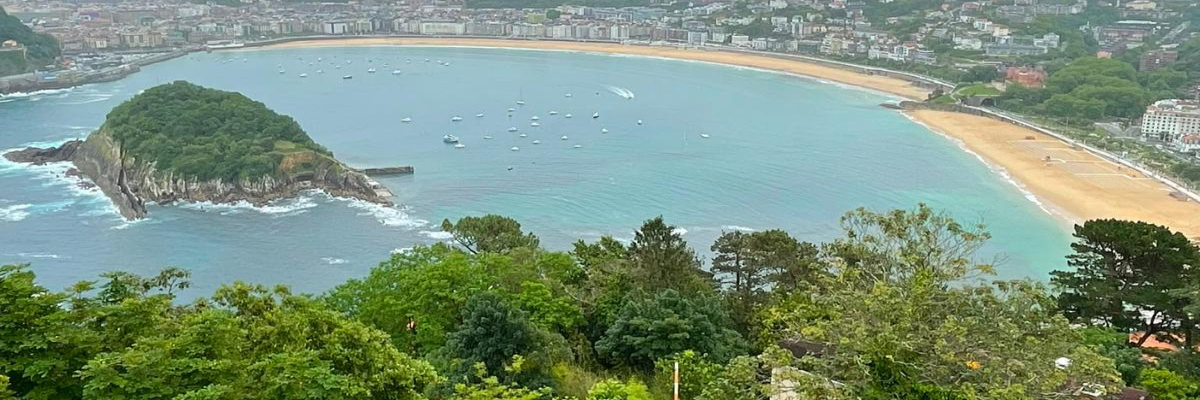
San Sebastian curls around the beautiful La Concha Bay, a shell shaped sweep of sand backed by elegant Belle Epoque buildings and a palm lined promenade. It is the kind of city where you can be on the beach in the morning, wandering cobbled streets by lunchtime, then watching the sunset from a hillside viewpoint in the evening.
What struck me most was the pace of life. Locals stroll, chat and stop for a glass of txakoli, the local slightly sparkling white wine, rather than rush anywhere. Even at busy times, it feels more like a stylish seaside town than a big city.
It would be easy to simply eat and drink your way around San Sebastian, but there is plenty more to enjoy. La Concha is perfect for gentle swims and relaxed beach days, while the neighbouring Ondarreta and Zurriola beaches are great for surfers and those who prefer a more laid back, local feel. For the best views of the city and bay, you can take the funicular up Monte Igueldo or walk up Monte Urgull. From the top you are rewarded with panoramic views of the coastline and the red tiled rooftops of San Sebastian below, especially magical at sunset.
A Pintxos paradise
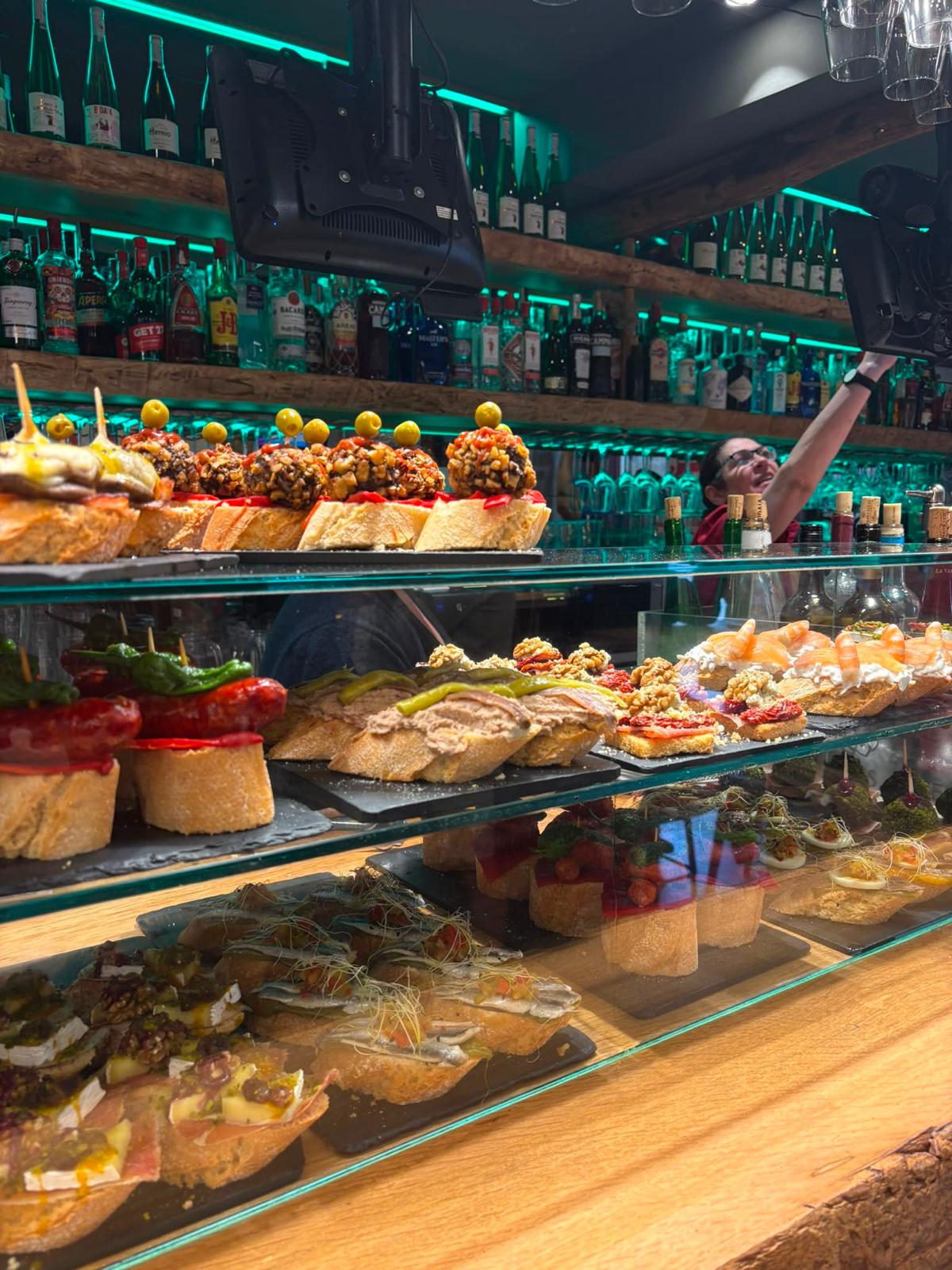
If you're a food lover then San Sebastian is almost a pilgrimage. The old town is packed with pintxos bars, each one with counters piled high with small plates that are as pretty as they are delicious. Think paper thin slices of cured ham, fresh anchovies, grilled prawns, creamy tortilla, salt cod and local cheeses - all beautiful bite sized creations that change with the seasons and change your life! If you have never had pintxos before you are in for a treat.
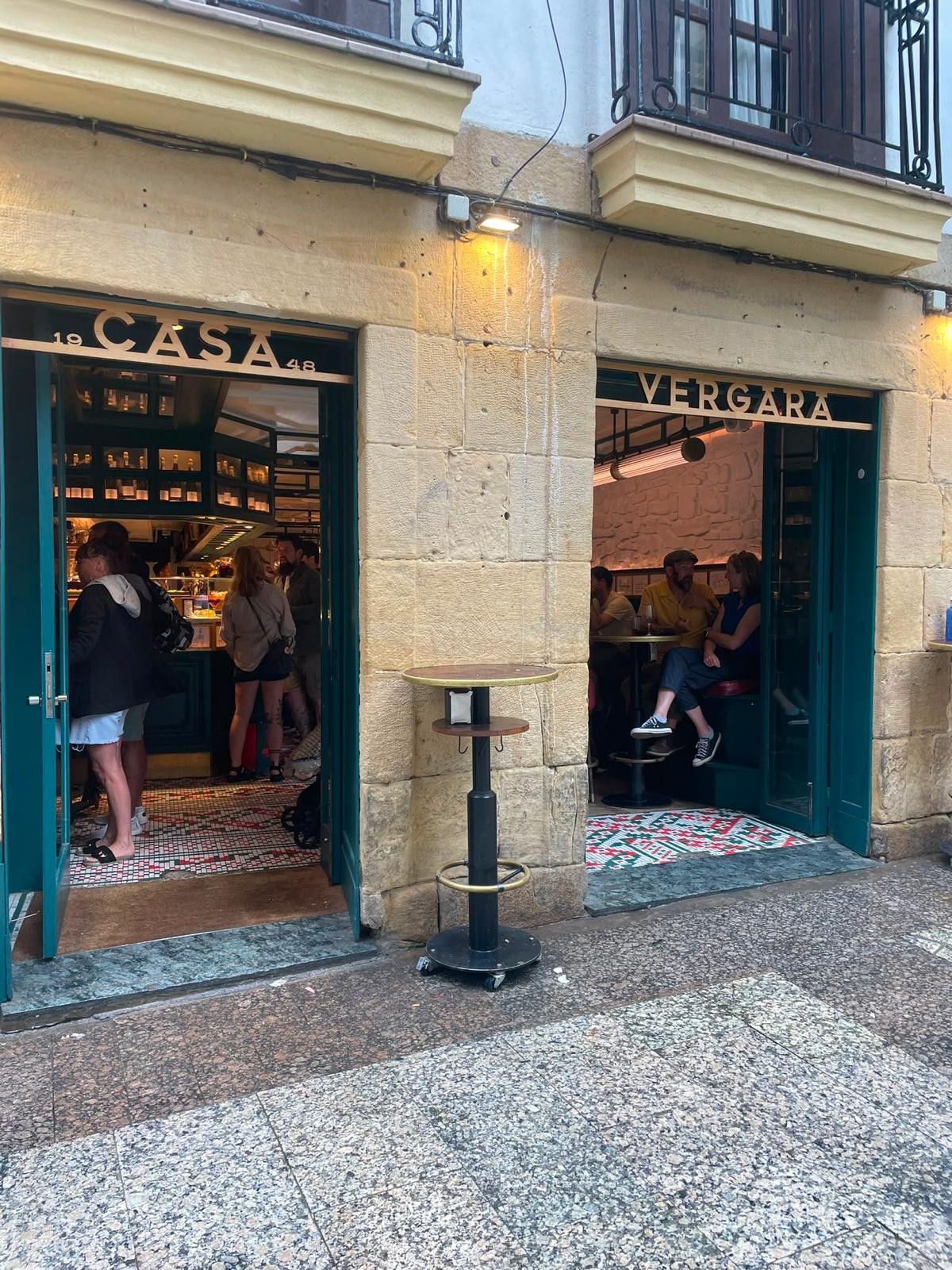
But don't linger in just one pintxos bar, do as the locals do and take time wandering from bar to bar and trying one or two pintxos, plus a wine, cocktail or beer, in each. It is fun, informal and a brilliant way to experience Basque food culture without needing to book a formal tasting menu.
There are too many Pintxos bars to mention, and the internet is full of tips on top ones to visit, but I hestiate to give recommendations as in my view you should just wander and explore and taste and see where you personally prefer, as you really cannot make a bad choice!
As well as the magnificent Pintxos, make sure you leave room to try the fabulous Basque cheescake!
Culinary Masters and traditions of the Basque Country
The region is also famous for its Michelin starred restaurants. In fact the Basque Country boasts one of the highest concentrations of Michelin stars in the world. The region offers everything from cutting-edge molecular gastronomy to world-class seafood grilled over open coals. Famous 3 Michelin star restaurants in the environs of San Sebastian are Arzak, Akelarre and Martin Berastegui - remember to book ahead!
Traditions vary by town and border, but some of the most iconic specialties you should try are:
The Pintxo
- La Gilda: The legendary Basque pintxo. It is a simple, perfect skewer made of an olive, a pickled guindilla pepper, and a salted anchovy.
- Txangurro: A luxurious dish of spider crab meat, baked right in its shell with tomatoes, onions, and a splash of brandy.
- Fresh Cantabrian anchovies (Engraulis encrasicolus) from the Basque region are prized for their plump, meaty texture and delicate oceanic flavour
Seafood & Meats
- Bacalao al Pil-Pil: One of Spain's most iconic cod recipes. The salt cod is slowly cooked in olive oil and garlic to create a natural, gelatinous, creamy sauce.
- Txuleta: A massive, bone-in ribeye or ox chop grilled over hot coals until the outside is charred and salty, and the inside is rare to medium-rare.
- Marmitako: A hearty, rustic fisherman's stew made with chunks of fresh tuna, potatoes, tomatoes, and peppers
- Fresh Turbot Over the Coals (Asador Style): The absolute gold standard of Basque turbot is cooking it whole over hot embers in a wire basket. The direct heat caramelizes the rich, gelatinous skin.
Sweet Treats
- Burnt Basque Cheesecake: Prized globally, this famous dessert (originated at La Viña in San Sebastián) features a beautifully caramelized, burnt top and an incredibly rich, creamy interior.
- Gâteau Basque (Pastel Vasco): A traditional pastry from the French-Basque region consisting of dense, buttery shortbread filled with either pastry cream or black cherries from the town of Itxassou
Into the green hills, vineyards and txakoli country
One of the nicest surprises of the Basque region is how quickly you can swap the city and sea for rolling green hills. Just a short drive from San Sebastian you are in a softer, rural landscape of farmhouses, tiny villages and vineyards.
This is txakoli country. Many small wineries welcome visitors for simple tastings and tours, where you can learn how this fresh, slightly fizzy white wine is produced and enjoy it alongside local cheeses, anchovies or Idiazabal cheese. It is a lovely contrast to the bustle of the old town pintxos bars and gives you a real sense of Basque life away from the coast.
You can easily build a relaxed day out from San Sebastian that combines a coastal viewpoint, a visit to a family run vineyard and lunch in a traditional farmhouse restaurant. For those who enjoy wine but want something different from the more familiar Rioja or Provence vineyards, this hinterland feels like a bit of a discovery.
Another way to really connect with the Basque landscape is to walk a stretch of the Camino del Norte, the northern Camino route that hugs this coastline on its way towards Santiago de Compostela. You do not need to commit to a full pilgrimage to enjoy it. Short sections make a brilliant day hike from San Sebastian.
Paths often climb gently out of seaside towns to give you big Atlantic views, then drop back down through woods, fields and hamlets where you might pass other walkers, local farmers and the occasional bar or church. There is a quiet rhythm to it that feels very different from a typical city break.
Historic fishing villages and ports of the Basque region
No visit to the Basque region would be complete without exploring some of the historic coastal villages and tasting the delicious fresh seafood by the harbour.
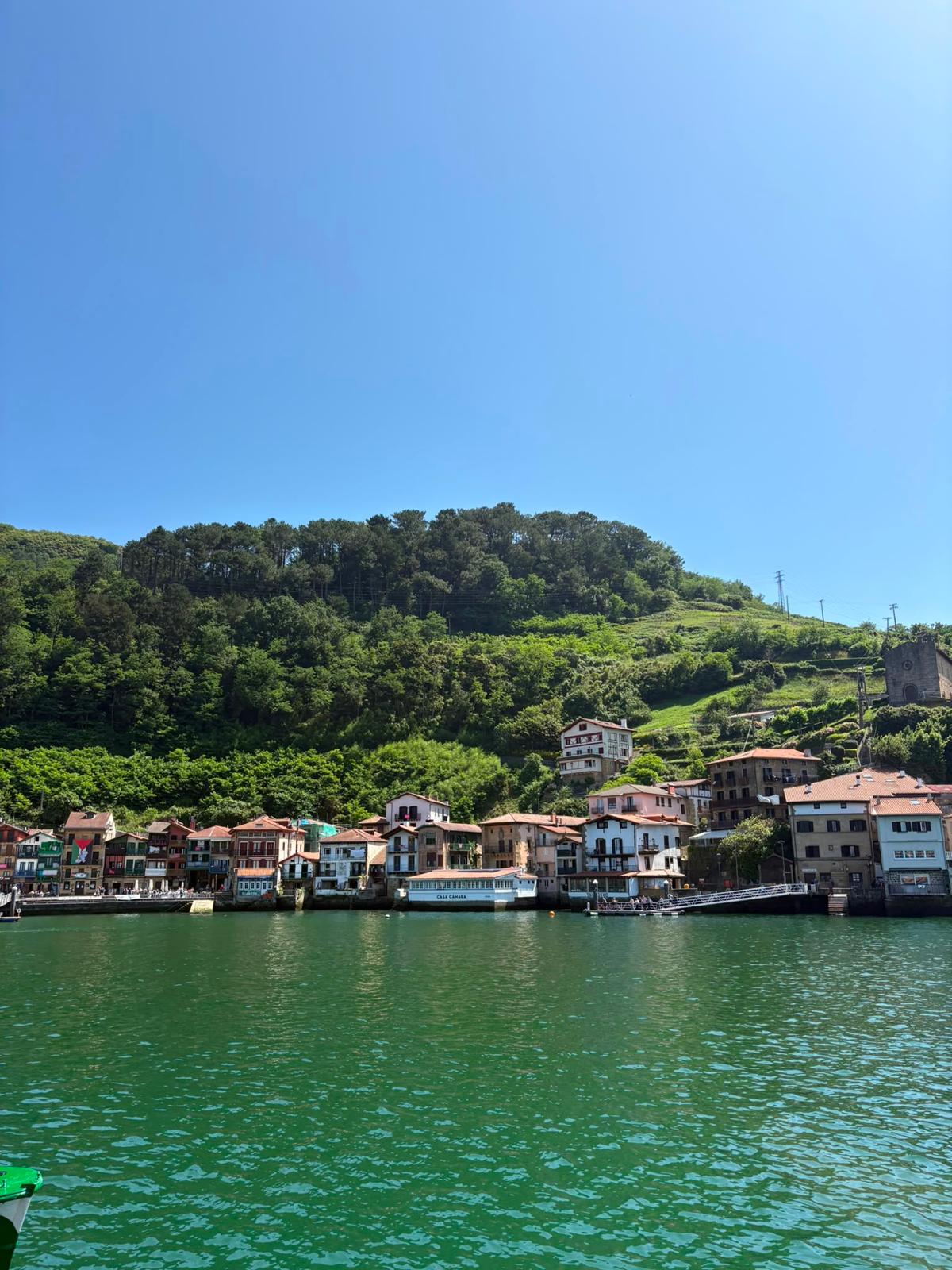
The Basque coast, stretching across Northern Spain and into France, is deeply defined by its maritime heritage. These historic fishing villages offer a blend of dramatic coastal landscapes, medieval history, and exceptional seafood. Whether you are driving or looking for guided excursions, the following coastal gems are essential stops.
Why not hire a car for the day and explore along the coast stopping for a long lunch, or combine it with a walk in the hinterland (as we did!) along some of the Camino and finish with a lovely long lunch. Some lovely fishing villages and harbours to visit are:
Hondarribia (Spain): Located at the mouth of the Bidasoa River on the French border, this village features a walled medieval old town overlooking the bustling fishermen's quarter of La Marina. It is highly regarded for its vibrant, colourful wooden balconies and exceptional pintxos bars.
Getaria (Spain): Famous for its whale-hunting history, this steep, photogenic village is the birthplace of explorer Juan Sebastián Elcano. It is also the epicentre for Txakoli—the region's signature sparkling white wine. Don't miss the freshly grilled seafood cooked on open-air grills (parrillas) along the port.
Pasaia (Spain): Just a few kilometres from San Sebastián, this harbour town is split into two villages: Pasai Donibane (San Juan) and San Pedro, connected by a small ferry. It features narrow, winding stone alleyways and is home to the Albaola Sea Factory, where a 16th-century whaling ship is being reconstructed.
Bilbao - a vibrant cultural city
A visit to the Basque region is not complete without a tour or stay in Bilbao, which you can easily add on to the beginning or end of your trip.
Bilbao is the vibrant, industrial-turned-cultural capital of Spain’s Basque Country. Famous for its world-class gastronomy and dramatic urban transformation, it is globally renowned for Frank Gehry’s titanium-clad Guggenheim Museum, which sits elegantly alongside the Nervión River.
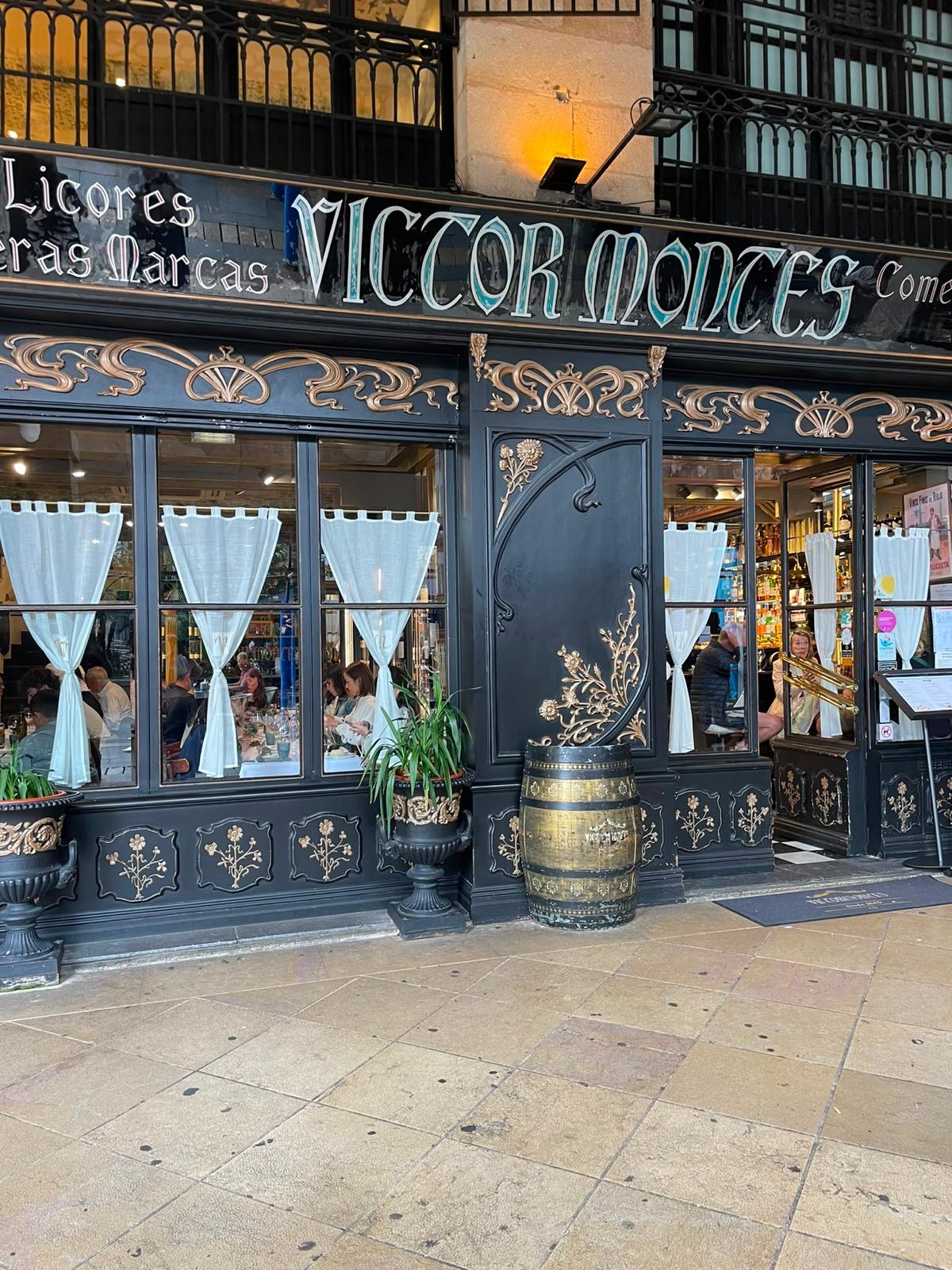
The main square of Bilbao's Old Town is Plaza Nueva (also known as Plaza Barria) is a monumental 19th-century neoclassical square and the bustling social heart of the historic Casco Viejo district, famed for its striking arcaded sandstone architecture and vibrant atmosphere with Pintxos bars and historic eateries tucked under the arcade.
How to get there
Fly to Bilbao or San Sebastian (seasonal BA flights only from London City airport). Direct flights from the UK are primarily operated by Vueling, British Airways, Easyjet and Wizz Air.
From Bilbao you can take a bus (most locals and visitors prefer taking a 1-hour, direct coach (ALSA/Avanza) instead of the longer train journey) or you can pre-book a private transfer to San Sebastian from the airport.
if you are planning a longer visit and wish to explore the wider Basque region, I would recommend hiring a car. All the major car rental companies are represented at Bilbao airport.
If you are travelling down from France, you also have the option of getting the train.
Parking in San Sebastian centre is restricted and most parking in the Old Town is for resident permit holders only. So if you are hiring a car and driving into the city, I would recommend pre-booking an underground parking space for the duration of your stay, which is much cheaper to book in advance. You can then come and go as you wish and it is just a short walk into the old town and a saves a lot of stress looking for somewhere to park. And don't worry if you are hiring a car and don't know the number plate yet, you can download the Telpark app to book your parking spot and update the number plate on the app up to an hour before you arrive.
When to go and who it is perfect for
San Sebastian and the wider Basque region work beautifully from late spring through to early autumn. Summer brings lively beaches and long evenings eating outdoors, while the quieter Spring and Autumn seasons are perfect if you prefer things a little less busy, but still want pleasant temperatures to explore and swim.
It is a great choice for couples, groups of friends ( I had a brilliant girls trip here too!) or for a foodie and wine escape that rewards exploration. For solo travellers it also has so much to offer in the way of active and gastronmic holidays, and a very safe and walkable city full of character.
And if you're thinking of a city trip that would work well for family , then San Sebastian is also right up there as you have a fabulous mix of safe swim beaches, huge range of restaurants (kids will love the pintxos!) , top-class shopping, and lots of activities for all ages in the region.
Planning your own Basque escape!
If this all sounds a wonderful escape, whether you're looking for a long weekend focused on San Sebastian , a trip that mixes vineyards and coastal towns or a multi day walk along a stretch of the Camino del Norte, I can help create your own Basque adventure including those little details that make your break feel extra special.
Just give me a call or drop me a message and let's start planning!
01672 570 006| 07557 671 696
ali.white@mytc.com