A different side to Tenerife
September 2026
Tenerife: my latest island escape
I have just come back from a wonderful trip to Tenerife and wanted to share a little of what I discovered with you. This is an island with real personality: a volcanic landscape crowned by Mount Teide, the highest peak among around 320 volcanoes, dramatic coastlines, mountain vineyards and historic towns that feel a world away from the usual “fly and flop” image.
Tenerife has two airports, but flights from the UK use Tenerife South, and most of the big resort areas and attractions are in the sunnier south. Yet some of the most authentic experiences sit in the greener, wilder north, which is where I began my stay.
Tenerife does not feel like “typical Spain”. You will still find sangria, paella, tapas and the odd flamenco night in the tourist spots, but the real, local culture here is distinctly Canarian with African influences and a strong sense of community. Food is very important. Locals love to share plates and linger over meals, and the traditional specialities are hearty and full of flavour: rabbit, goat, black pork and wonderfully fresh fish, always with the famous papas arrugadas (little “wrinkled” potatoes) served with red and green mojo sauces made from peppers, garlic, cumin, herbs and oil. Desserts are simple and delicious, with lots of pastries, biscuits and cakes, usually finished with strong local coffee.
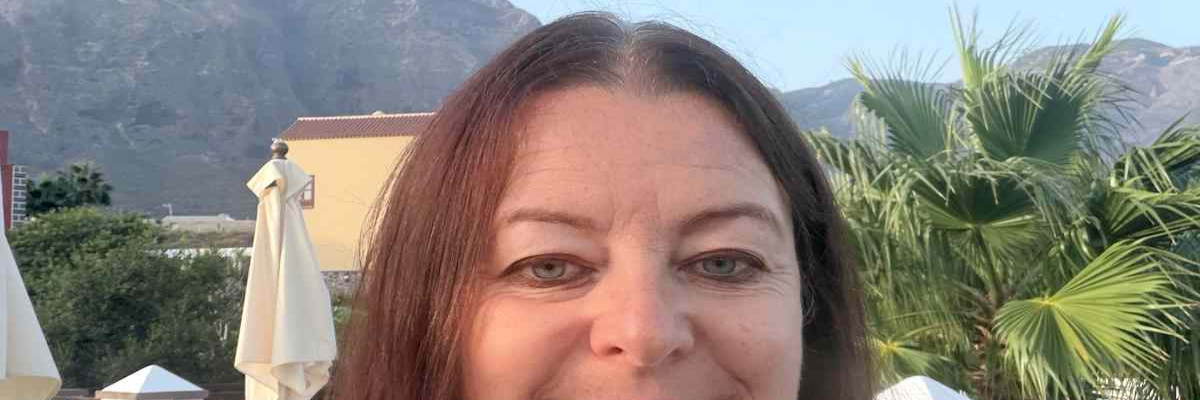
I split my stay between two very different parts of the island so I could experience both sides properly. First I stayed in the far north at Hacienda Del Conde Melia in Buenavista, surrounded by rugged mountains and the Atlantic Ocean. Here the roads twist through tiny villages, the landscapes are green and dramatic, and the atmosphere feels wonderfully peaceful and untouristy. Later I moved down to Tivoli La Caleta in the south, in the stylish resort of La Caleta, where there is a more classic seaside feel with promenades, chic hotels and easy access to many of the island’s main attractions. Experiencing both the wild, green north and the sunny, resort-style south really showed me how varied Tenerife can be.
The north has an almost mystical feel at times. Mountain roads look down over the sea, and it can be cloudy, misty and humid, which is why it is so lush compared to the south. The weather can change quickly and you may encounter calima, a warm, hazy dust that drifts across from the Sahara and tints the sky. This is where you find beautiful laurel forests such as Agua García, protected since 1994 and one of the most important areas of laurisilva in the Canary Islands. I loved walking quiet paths through the dense, mossy forest and visiting the small information centre tucked among the trees. If you enjoy cooler air, greenery and tranquil walks, the north is a real treat.
Tenerife’s volcanic soil is also the secret behind its characterful wines. Historically the island has produced young white wines and sparkling wines, especially in the south and the hills above it. I spent a day in the wine region around San Miguel de Abona, where vineyards cling to the slopes in black volcanic earth. One of my highlights was lunch and wine tasting at Altos de Trevejos, a family winery whose vineyards sit around 1,300 metres above sea level in the Llanos de Trevejos area near Vilaflor, close to Mount Teide. The high altitude, strong temperature contrasts and local grape varieties give the wines a very distinctive, mineral character.
The visit to Altos de Trevejos was a wonderful glimpse into Canarian food and wine culture. Don Antonio, the local cook, prepared traditional red and green mojo sauces with peppers, garlic, cumin, paprika, vinegar and olive oil, then served a deeply flavoured watercress soup with “gofio” (a roasted grain flour), red onion and goat’s cheese, along with bread and a classic Spanish omelette. This was followed by a tuna stew with local wrinkled potatoes, a savoury vegetable rice and finally Canarian biscuits with coffee. Everything was paired with local cava and white wine from the vineyard. It was all cooked in the winery kitchen and tasted homemade, generous and absolutely delicious.
I also used my time to explore some of Tenerife’s historic towns. La Orotava, about 30 minutes from the capital Santa Cruz and around 40 minutes from my hotel in Buenavista, makes a lovely day out. It is quite hilly, with cobbled streets, narrow paths and elegant old houses with wooden balconies, but around every corner you find another pretty square or viewpoint. Plaza de la Constitución is a beautiful square with a garden, bandstand and cafés, and a lovely view of the sea, perfect for a coffee break. The Victoria Gardens offer terraced lawns and a mausoleum, and there is a botanical garden area that includes a magnificent 400‑year‑old dragon tree, once part of convent gardens. The town hall (Palacio Municipal) also has a convent history. One of my favourite visits was Casa de los Balcones, with its traditional balconies and a small museum that showcases local handicrafts. In nearby squares and streets you can see artisans working with Canarian palm leaves to create hats, bags and baskets, as well as very intricate Tenerife lace and calado embroidery. The Church of the Conception is another beautiful landmark in the heart of the town.
Another day I visited San Cristóbal de La Laguna, often just called La Laguna, which has one of the best‑preserved old towns on the island. Its historic centre is a UNESCO World Heritage Site and a fascinating example of an unfortified colonial city that went on to inspire places like Old Havana and Cartagena. Today it has a relaxed, gently bohemian feel, with cobbled streets, colourful buildings, independent shops and plenty of cafés and tapas bars. You can visit the main church and, for a small fee, go up the tower for views over the rooftops. There is a very nice coffee shop opposite the church and tower, perfect for a break. Other highlights include the Bishop’s House and the Museum of the History of Tenerife, which helps bring the island’s story to life. I stayed at Hotel Laguna Nivaria & Spa here, which was a great base for soaking up the town’s atmosphere at a slower pace.
Of course, Tenerife still has all the fun, family‑friendly attractions that many people know it for, especially in the south. Siam Park is a fantastic waterpark with slides, lazy rivers and wave pools, while Loro Parque is a zoo and park with lush gardens and a wide variety of birds and animals. From Puerto Colón, near Costa Adeje, I joined a catamaran trip that sailed along the coast, which was a lovely way to see Tenerife from the water and enjoy a few hours of sea breeze and sunshine.
I finished my trip with a farewell dinner and entertainment on a banana plantation at La Calabacera, which felt like a very fitting end: surrounded by the landscapes that make the island so special, enjoying local food and wine in good company.
I also visited several other hotels across both the north and south of Tenerife, many with beautiful spas and excellent golf facilities, and with my own stays at Hacienda Del Conde Melia in the north and Tivoli La Caleta in the south (right by golf courses) and both with great spa’s, I can confidently say Tenerife is a fantastic choice for both golf and wellness escapes.
Tenerife really surprised me with its variety: volcanic peaks and laurel forests, mountain vineyards and colourful old towns, stylish coastal hotels and traditional village cafés. If you are curious about seeing a different side to the island, or would like me to design a trip that combines the north and south, food and wine, culture and coast, I would love to share more of my first‑hand experience and tailor something just for you.