Beyond the Golden Triangle: Mumbai City Break & Relaxing Kerala Backwaters - Part 1
Beyond North India: Mumbai City Break with Taj Mahal Palace, Dabbawalas & Dharavi (Part 1)
In March 2026 I returned to India for a journey that combined the buzz of Mumbai with the lush backwaters and beaches of Kerala. If you are planning your first trip to India, or you have only experienced the classic north India circuit (Delhi, Agra and Jaipur), this Mumbai and Kerala itinerary offers a completely different perspective: modern waterfront city life, powerful local encounters and eye‑opening history, followed by slow‑paced lagoons, spice‑scented hills and time to truly unwind.

 Mumbai & Kerala Part 1: Mumbai through local eyes for first‑time India visitors
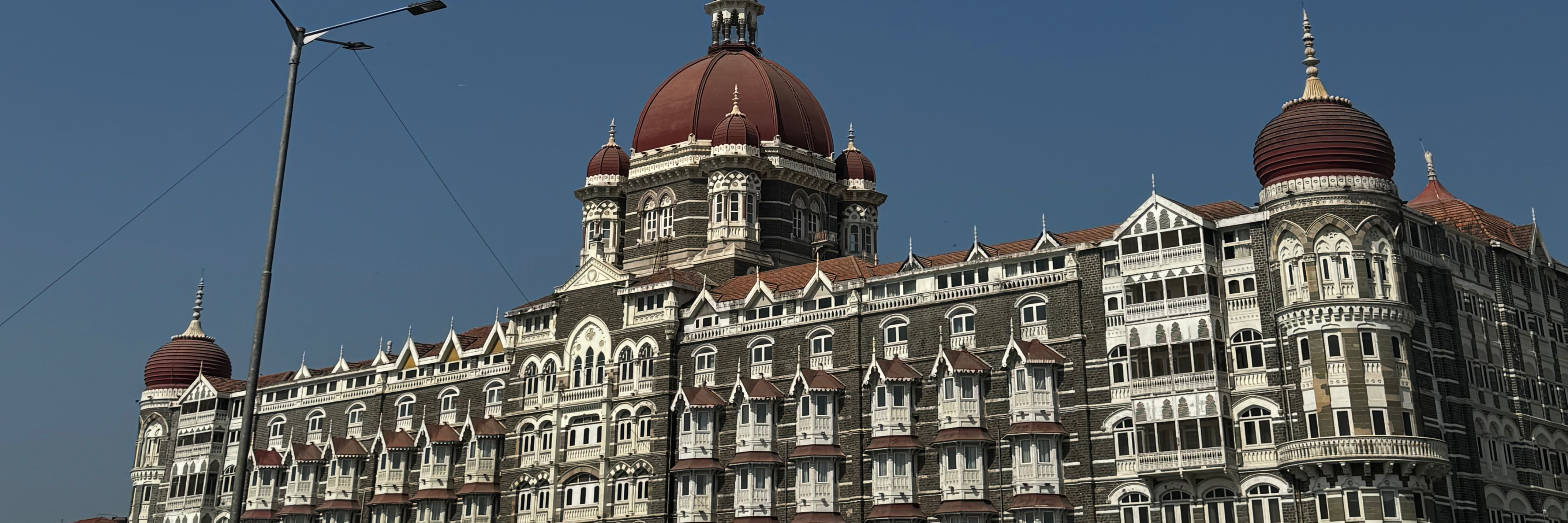
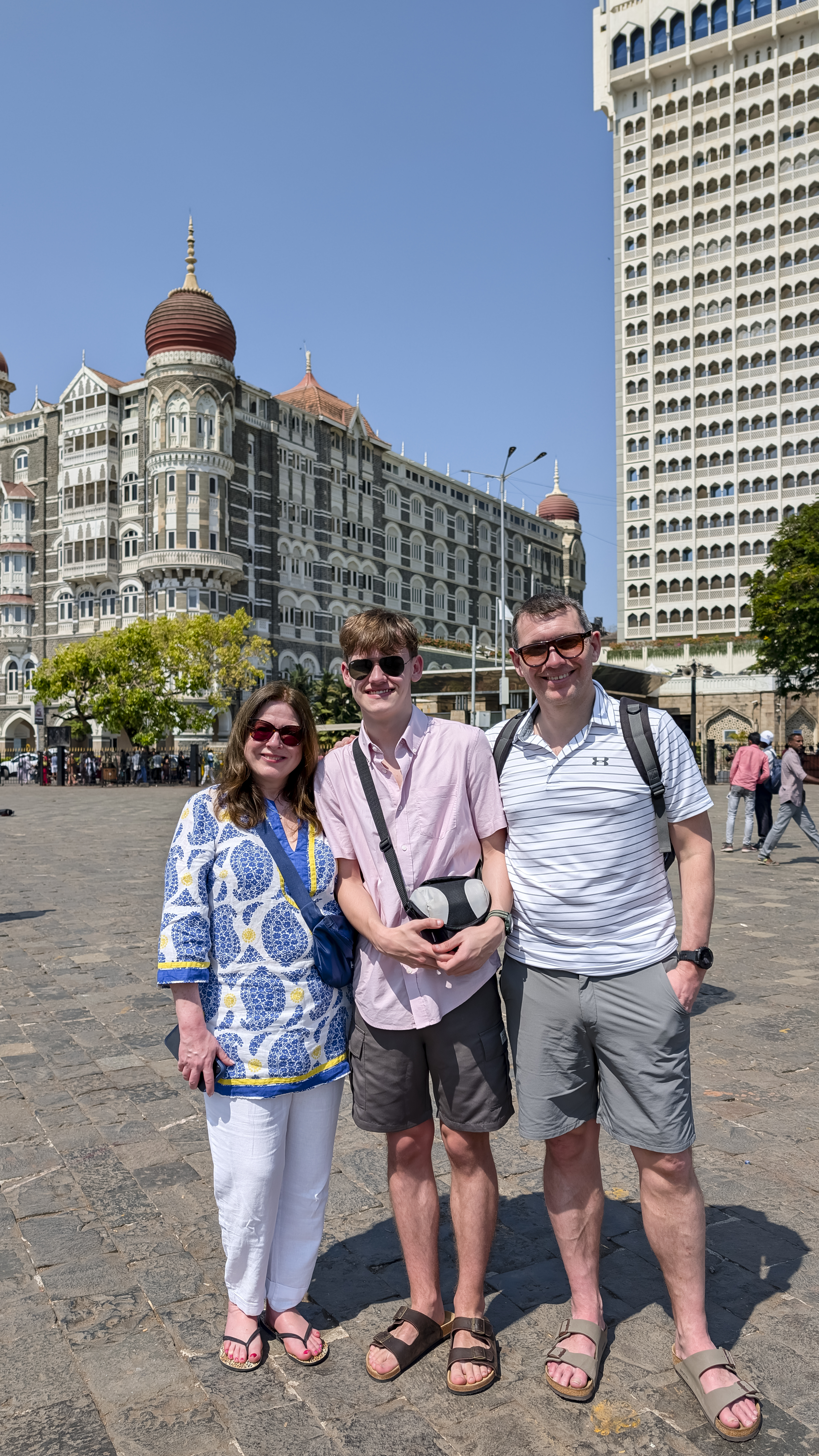
In October I returned to India, this time combining the energy of Mumbai with the tranquillity of Kerala. Our journey began in Mumbai, staying at the legendary Taj Mahal Palace right on the waterfront. If you are planning your first trip to India, or you have only experienced the north around Delhi, Agra and Jaipur, Mumbai is a brilliant way to see a very different side of the country. The Taj itself is an experience: history, elegance and some of the most attentive service I have had anywhere.
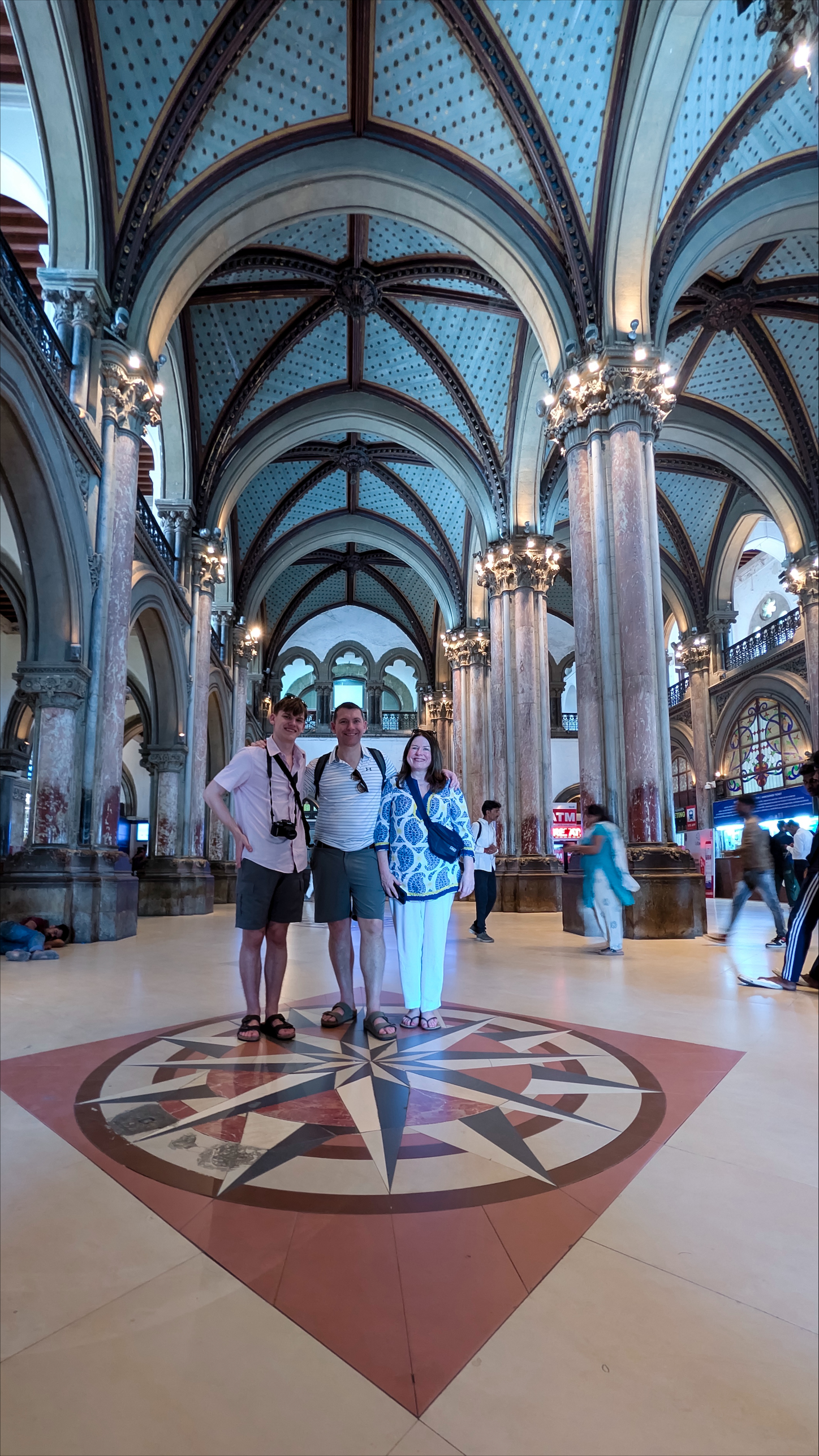
We had visited Mumbai 18 years earlier and it was fascinating to see how much the city has evolved, while the culture and warmth of its people remain very much the same. There are more modern buildings, more upscale hotels and a growing food scene, yet that unmistakable Mumbai personality still shines through.
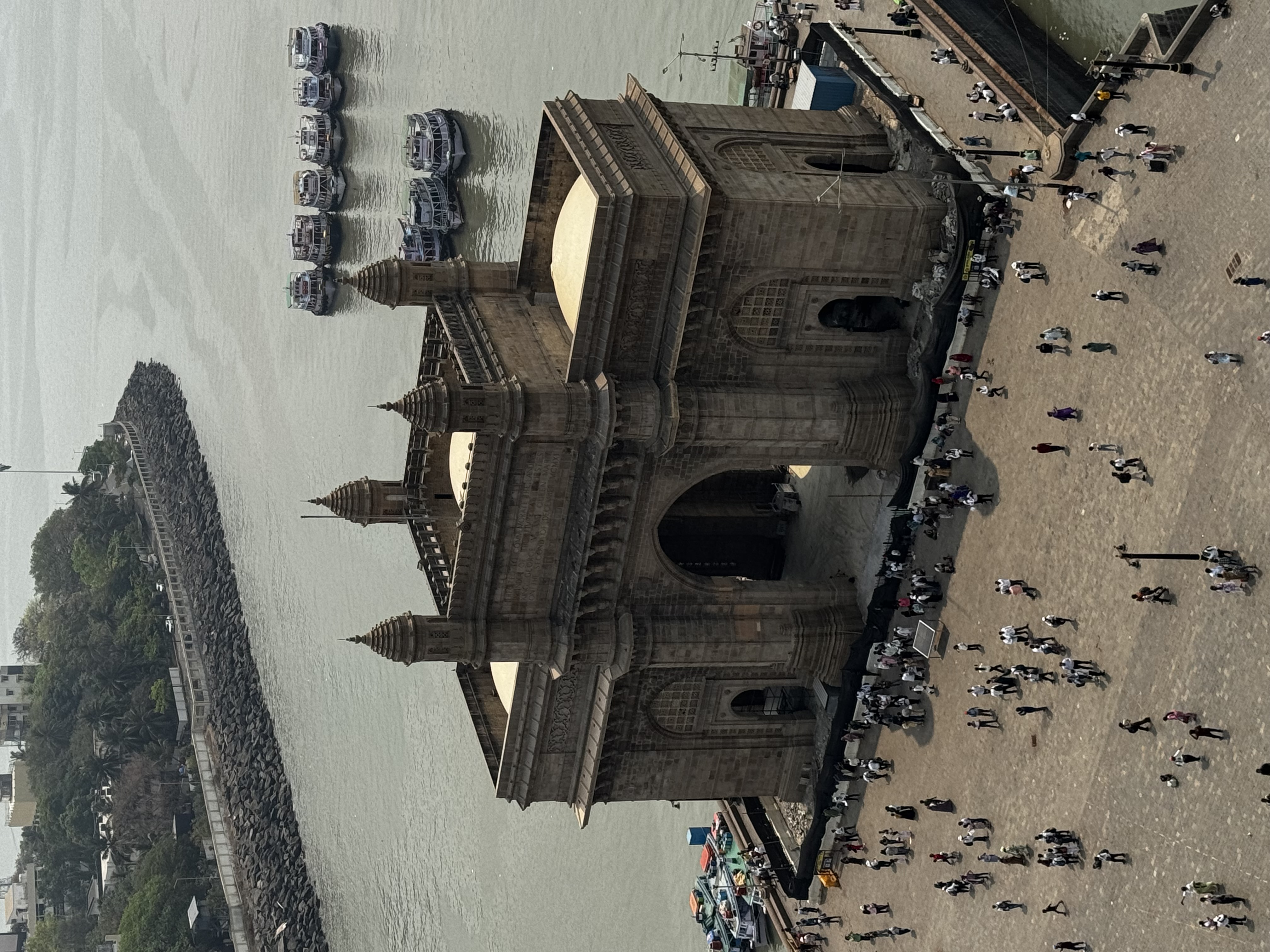
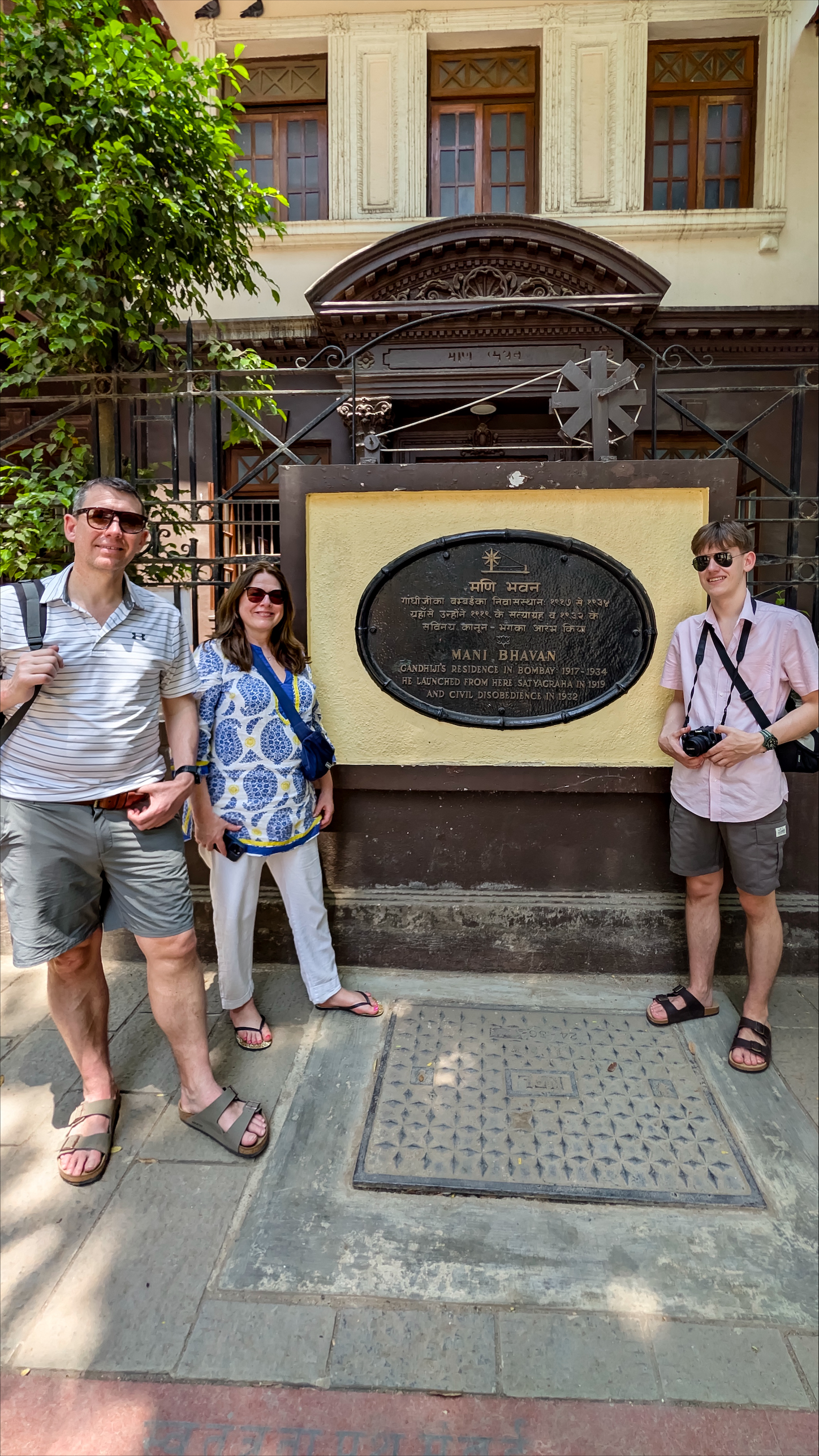
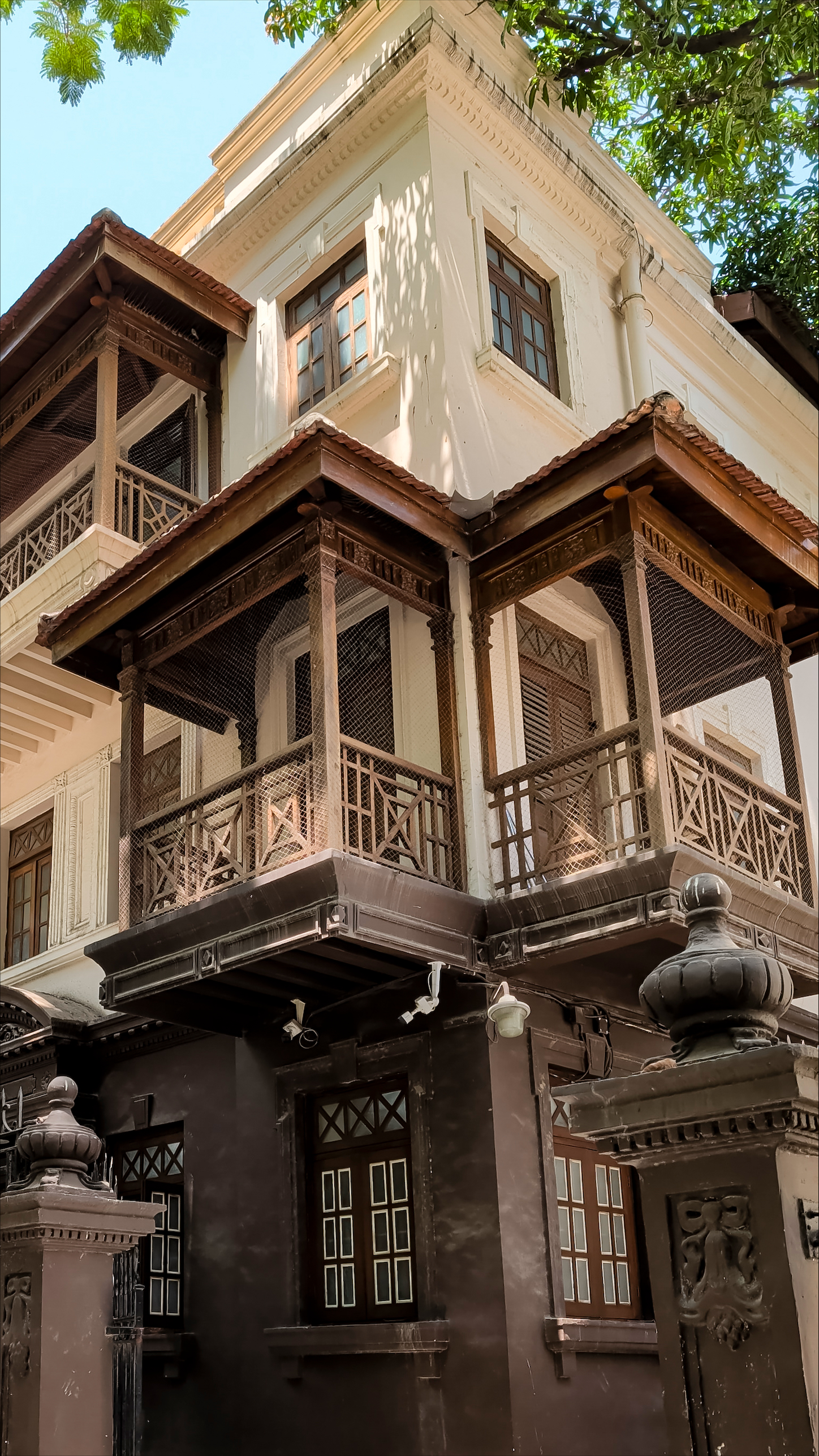
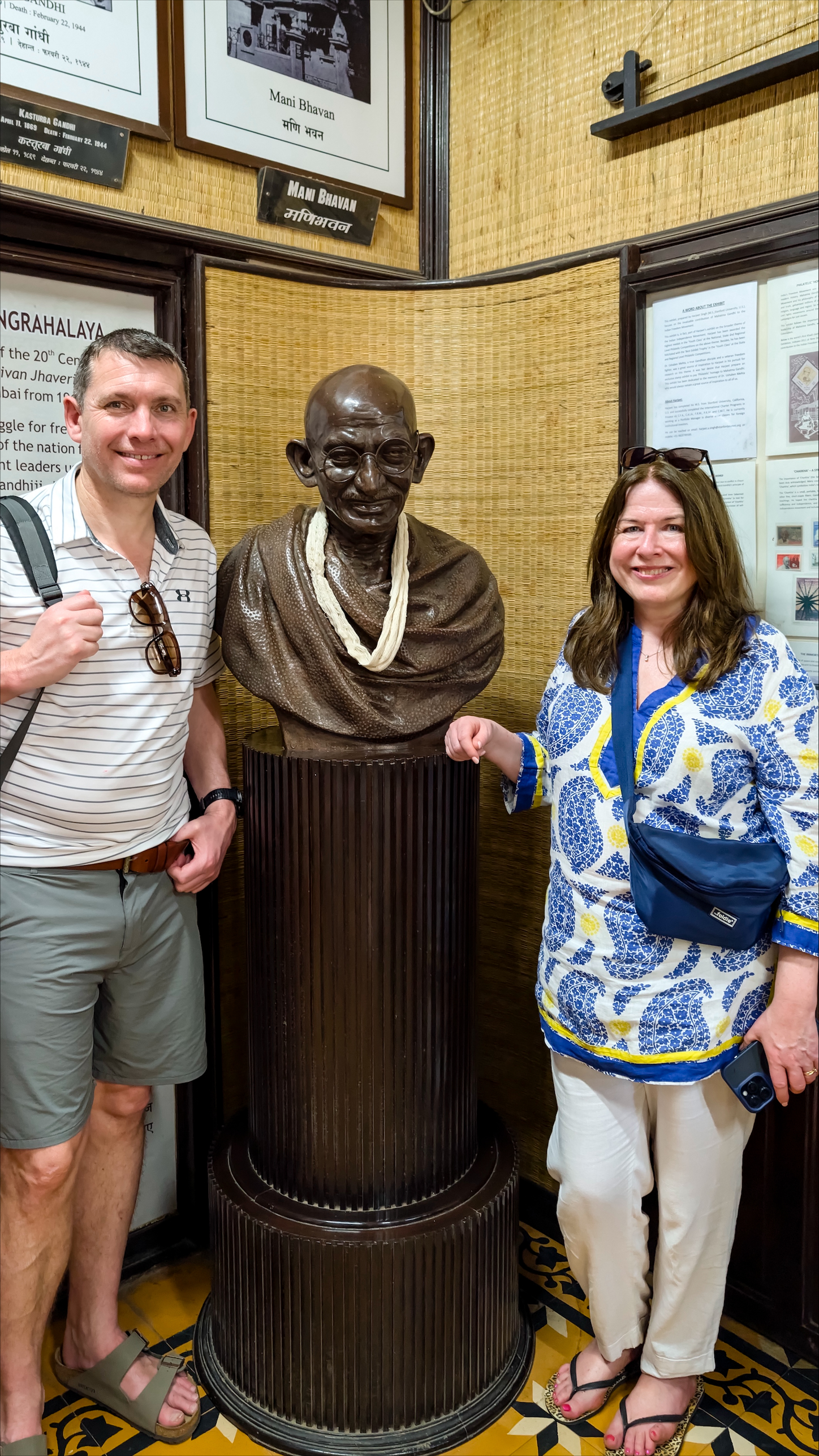
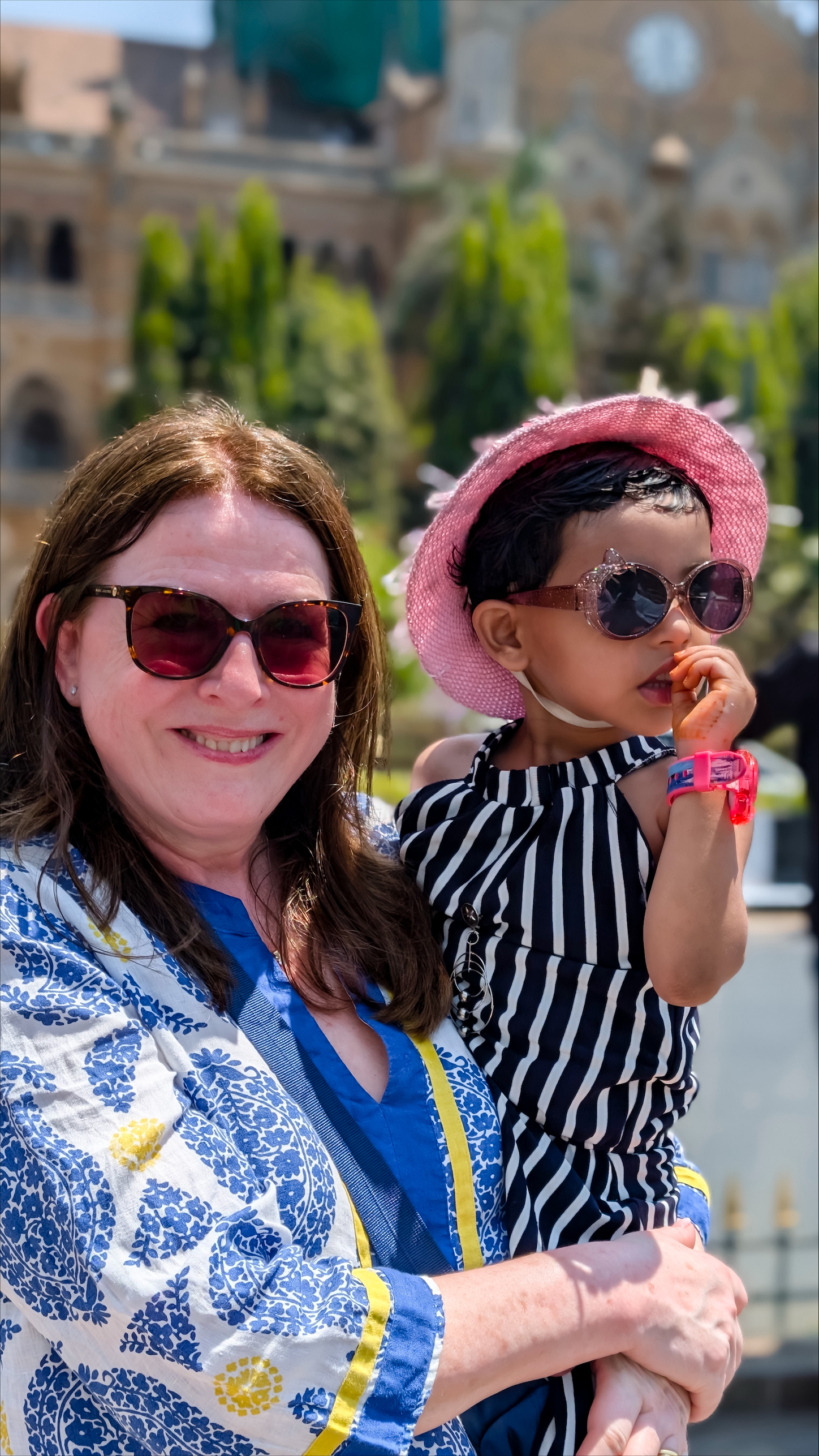
From our base at the Taj, we explored the city on a private guided tour, starting at the famous Gateway of India and then weaving our way through key sights and neighbourhoods. For first‑time visitors to India, this kind of private guided tour is invaluable: it is not just about ticking off landmarks, but really understanding the stories, politics and people that have shaped modern Mumbai.
Along the way we experienced some wonderful restaurants, from classic local spots to more contemporary places, and I now have a long list of favourites I can recommend depending on your tastes.
Private guided tour: Gateway of India, history and dabbawalas
Our Mumbai sightseeing tour began early at the Gateway of India, just a short stroll from the Taj. Standing on the promenade, watching the morning light hit the arch and the harbour, you start to appreciate why this city is such a powerful symbol of both colonial history and modern India.
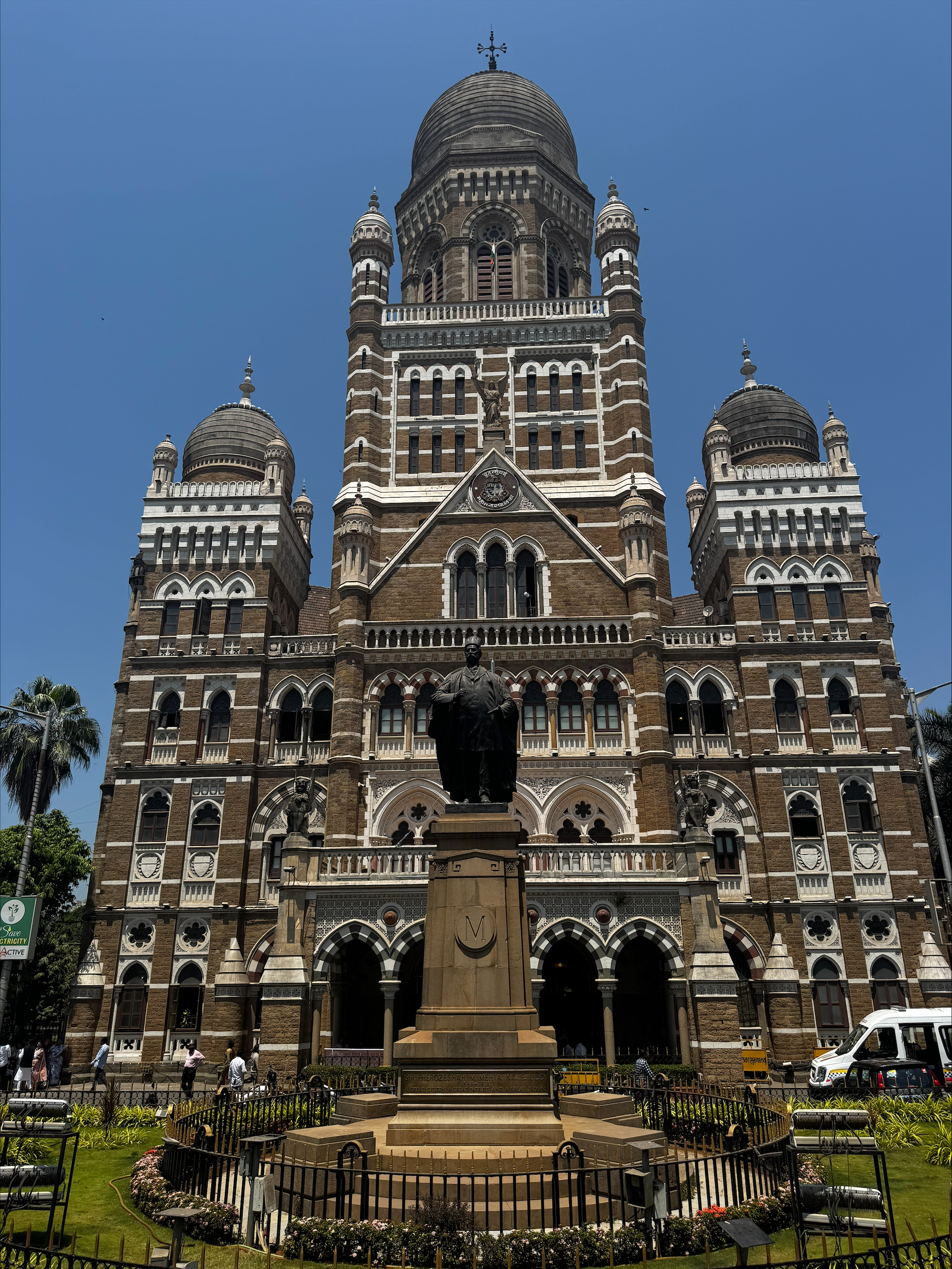
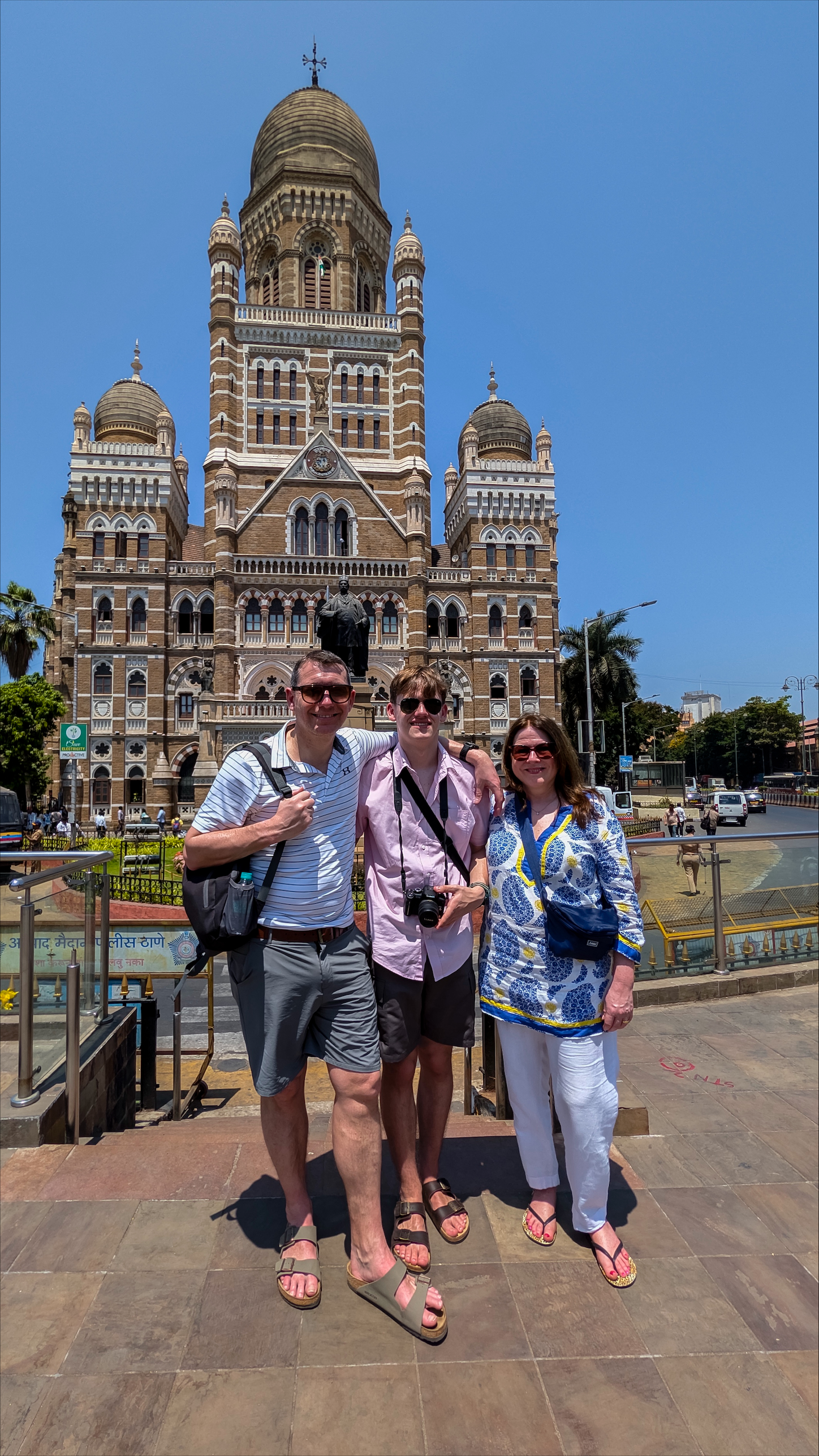
From there we moved through some of the city’s most important districts, learning about Mumbai’s role in trade, finance and culture. Our guide brought the history to life with anecdotes and personal perspectives that you simply do not get from a guidebook. If you have only visited north India before, the mix of grand colonial architecture, busy waterfront and glamorous hotels here feels very different to Delhi or Jaipur.
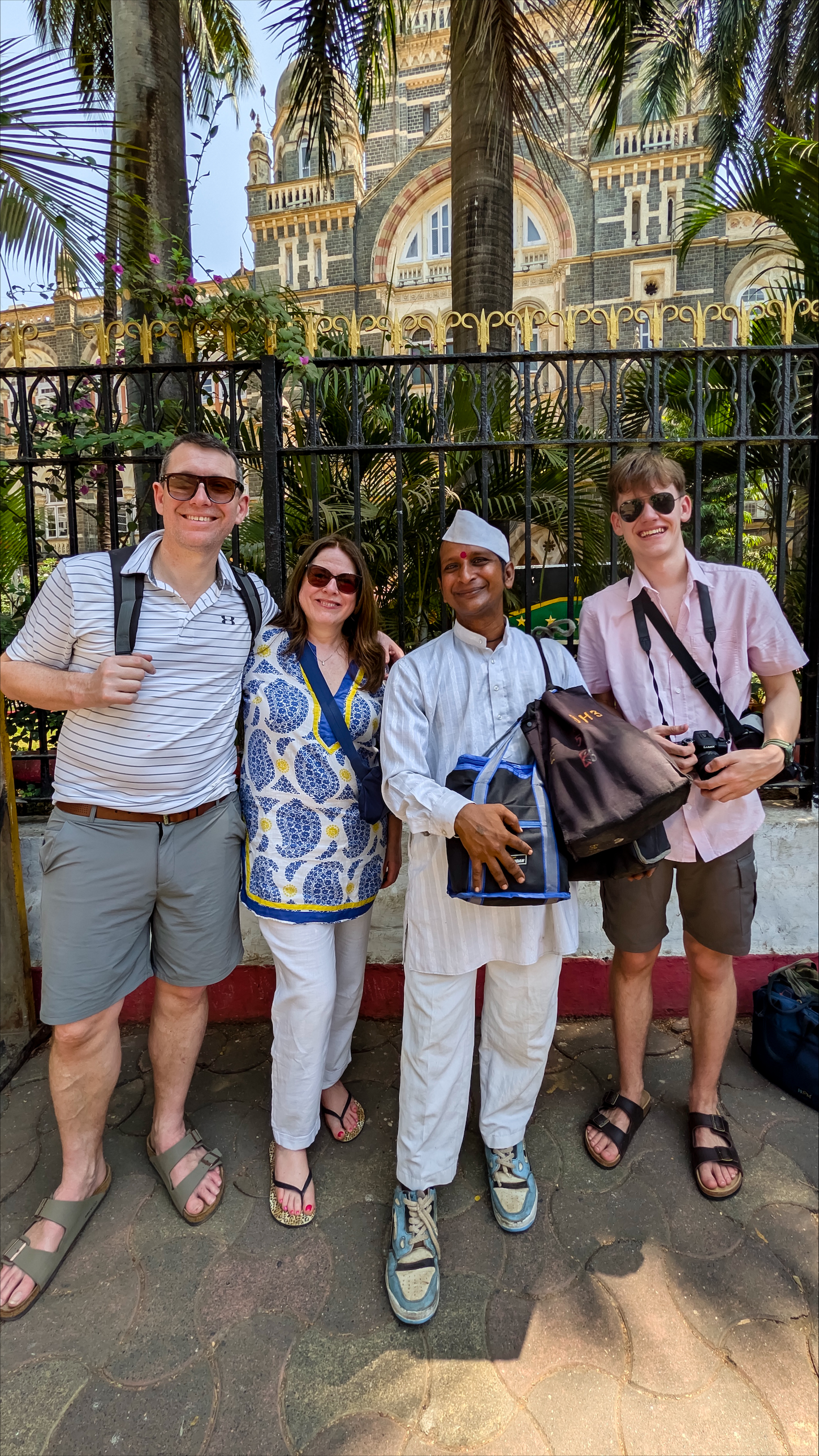
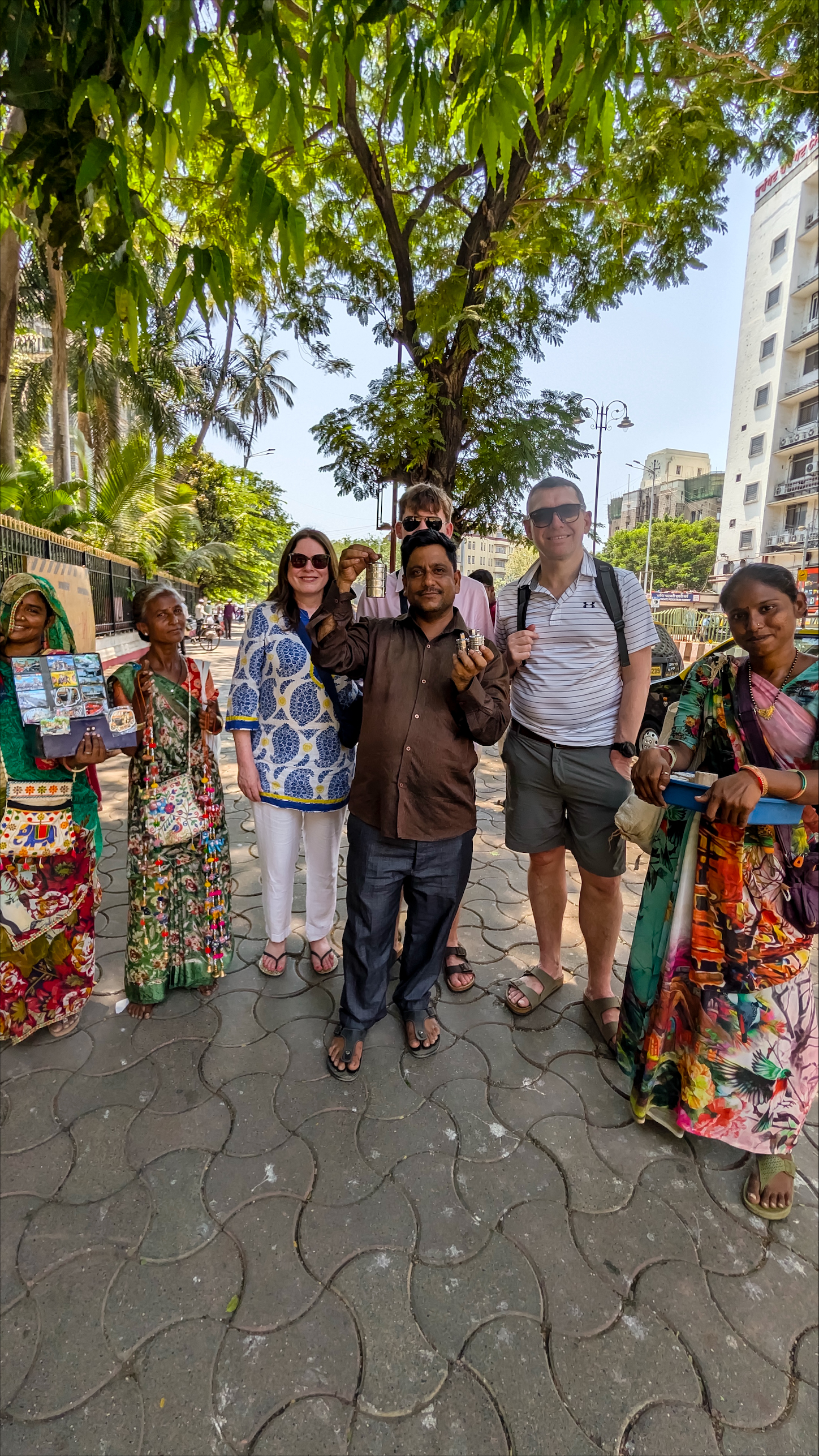
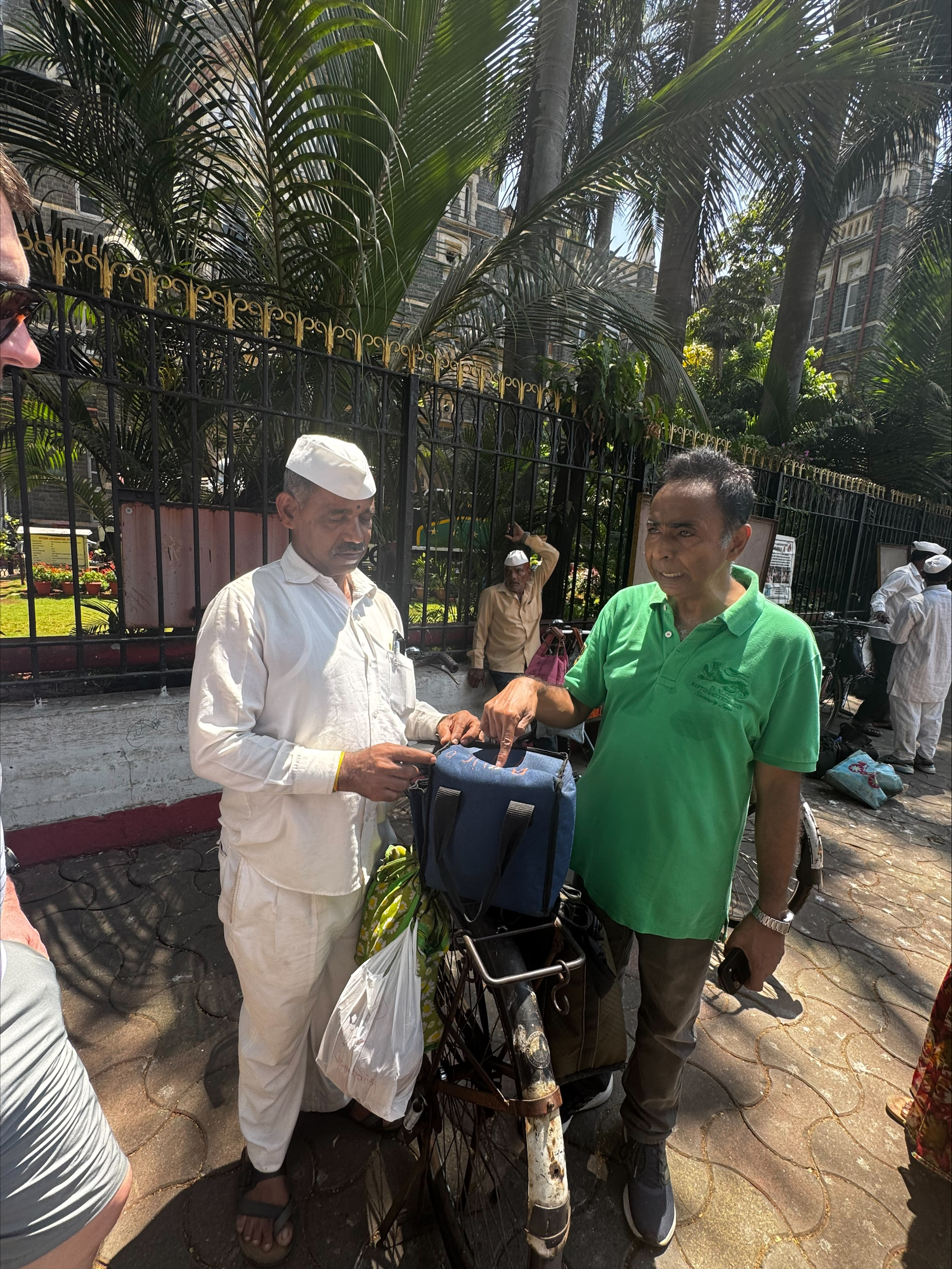
One of the most fascinating parts of our private guided tour of Mumbai was meeting the dabbawalas. These are the legendary lunchbox delivery men who collect home‑cooked meals from people’s houses and deliver them to offices all over the city with astonishing accuracy. Their system has been studied by business schools around the world, yet on the street it is still a very human, very local operation. Watching them work up close, and hearing from our guide how this tradition fits into daily life, was a real privilege and something many first‑time visitors have never even heard of.
Dawn in Mumbai: markets, flowers and the rhythm of the city
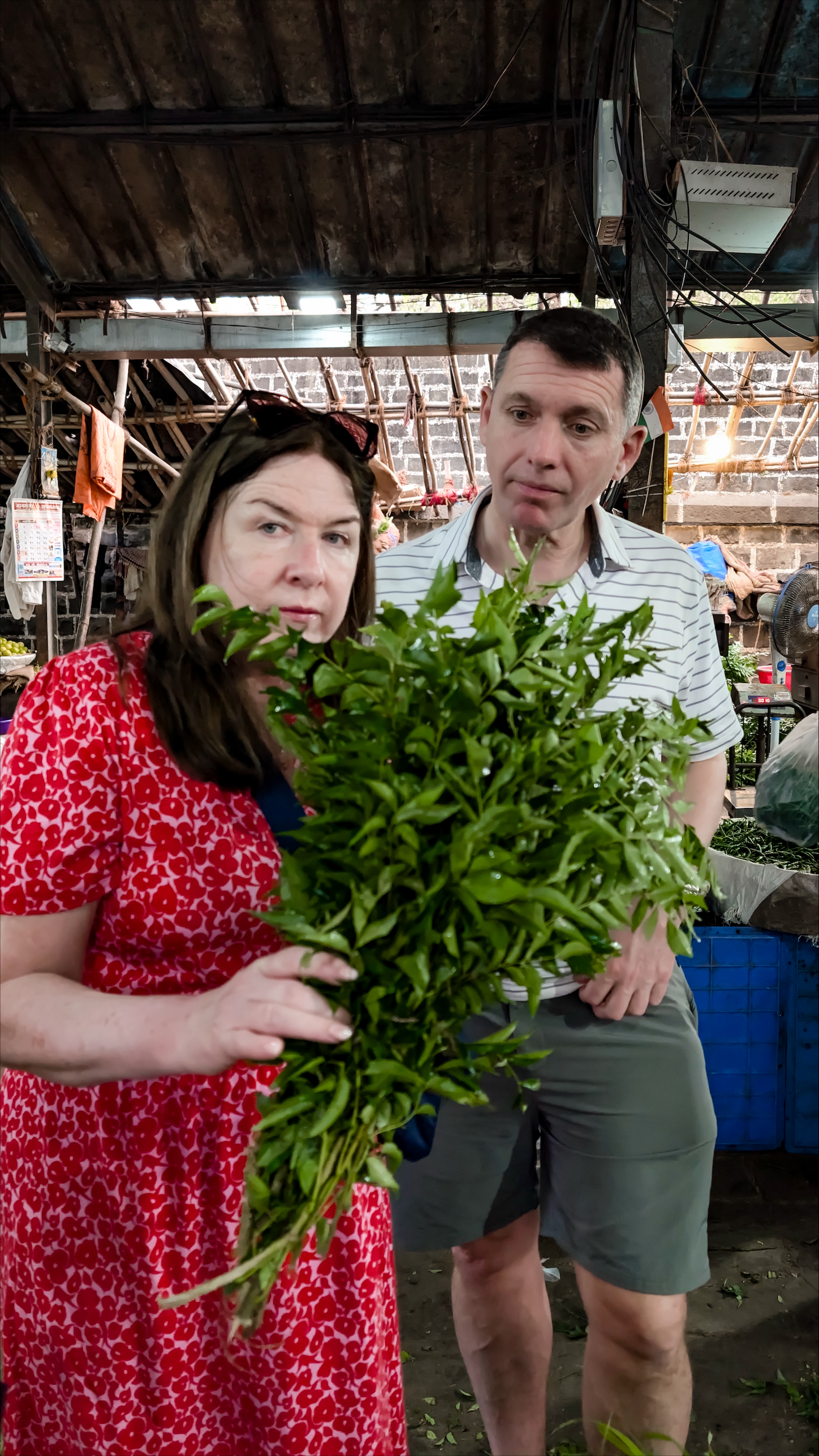
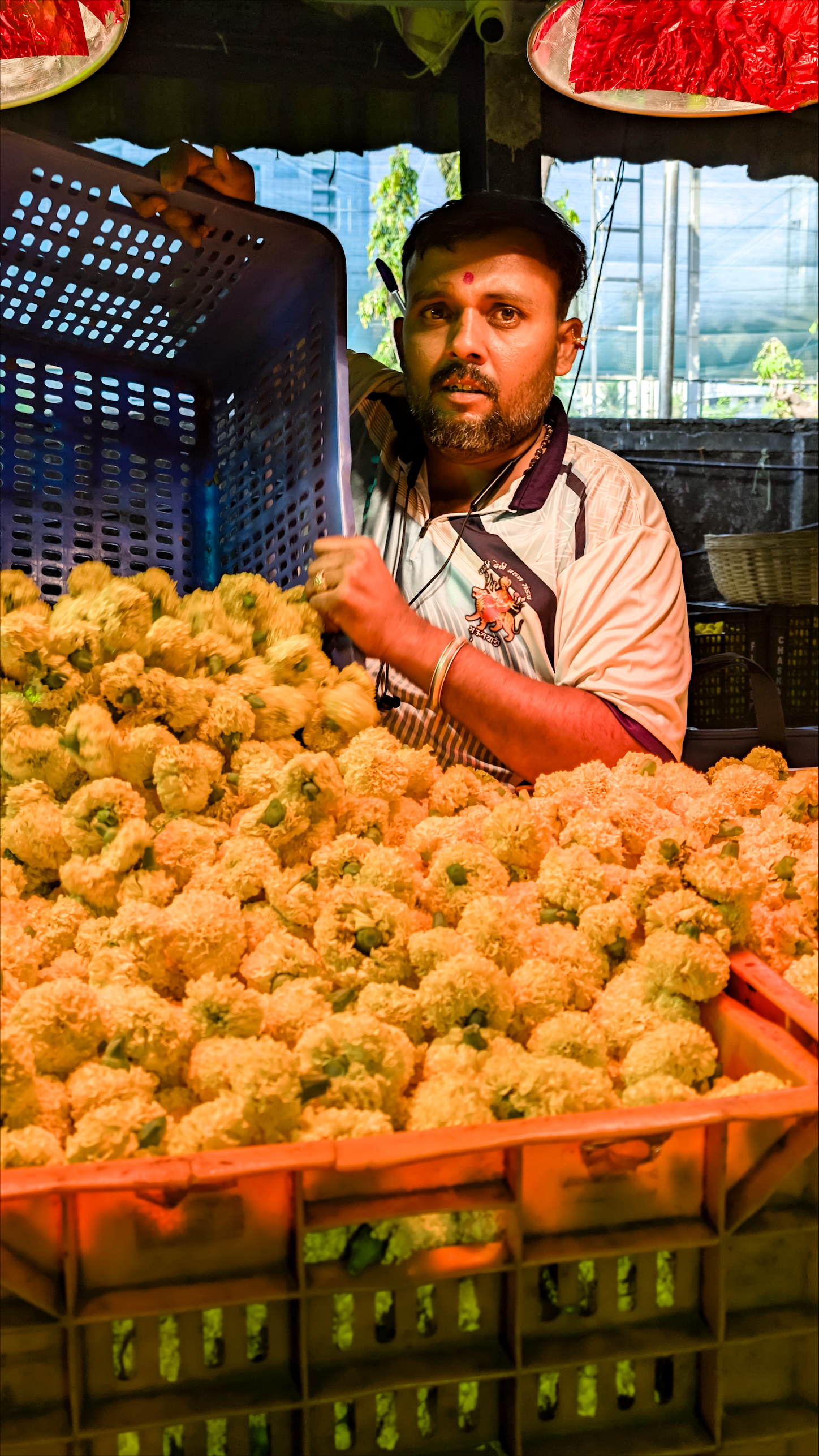
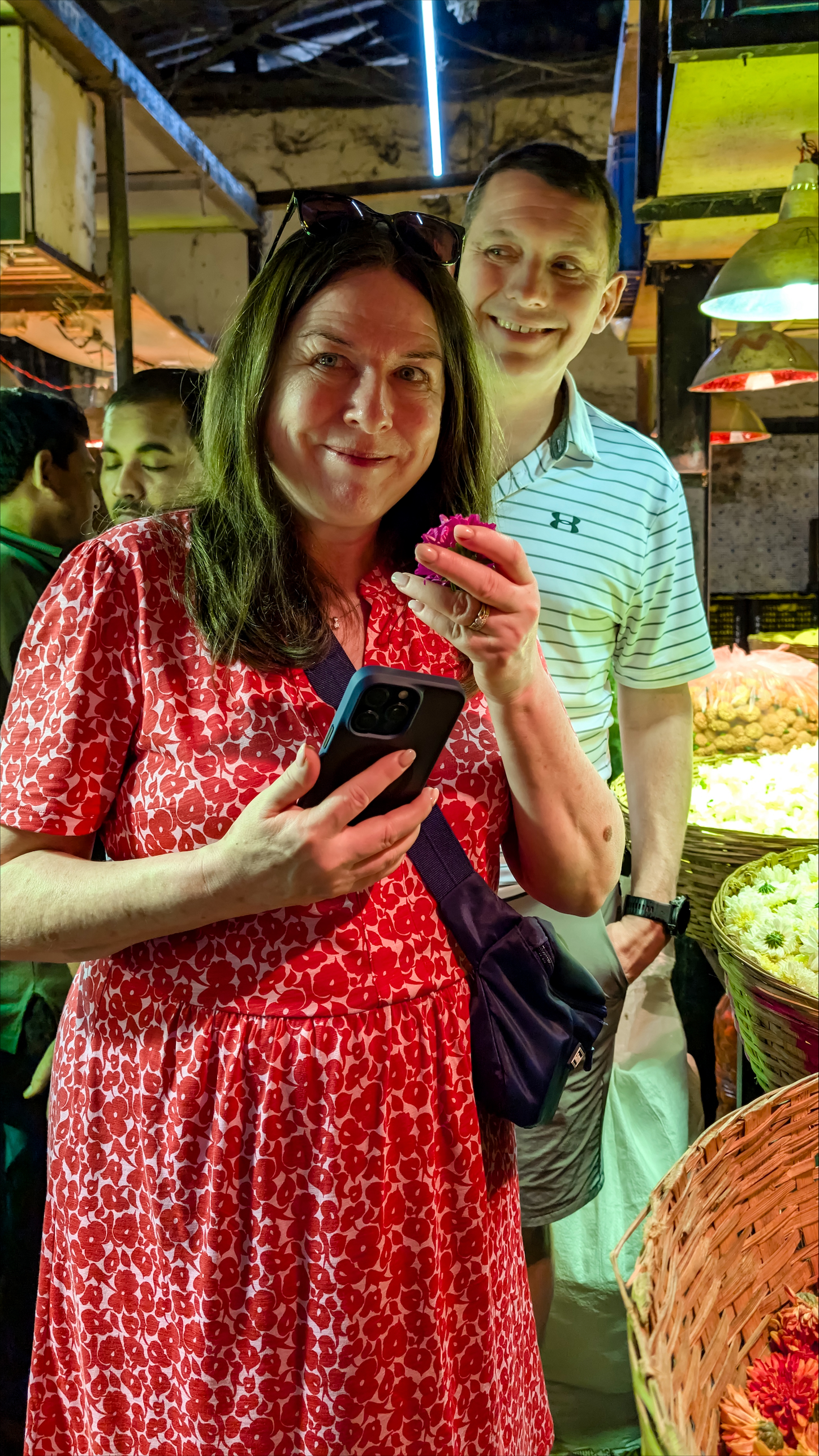
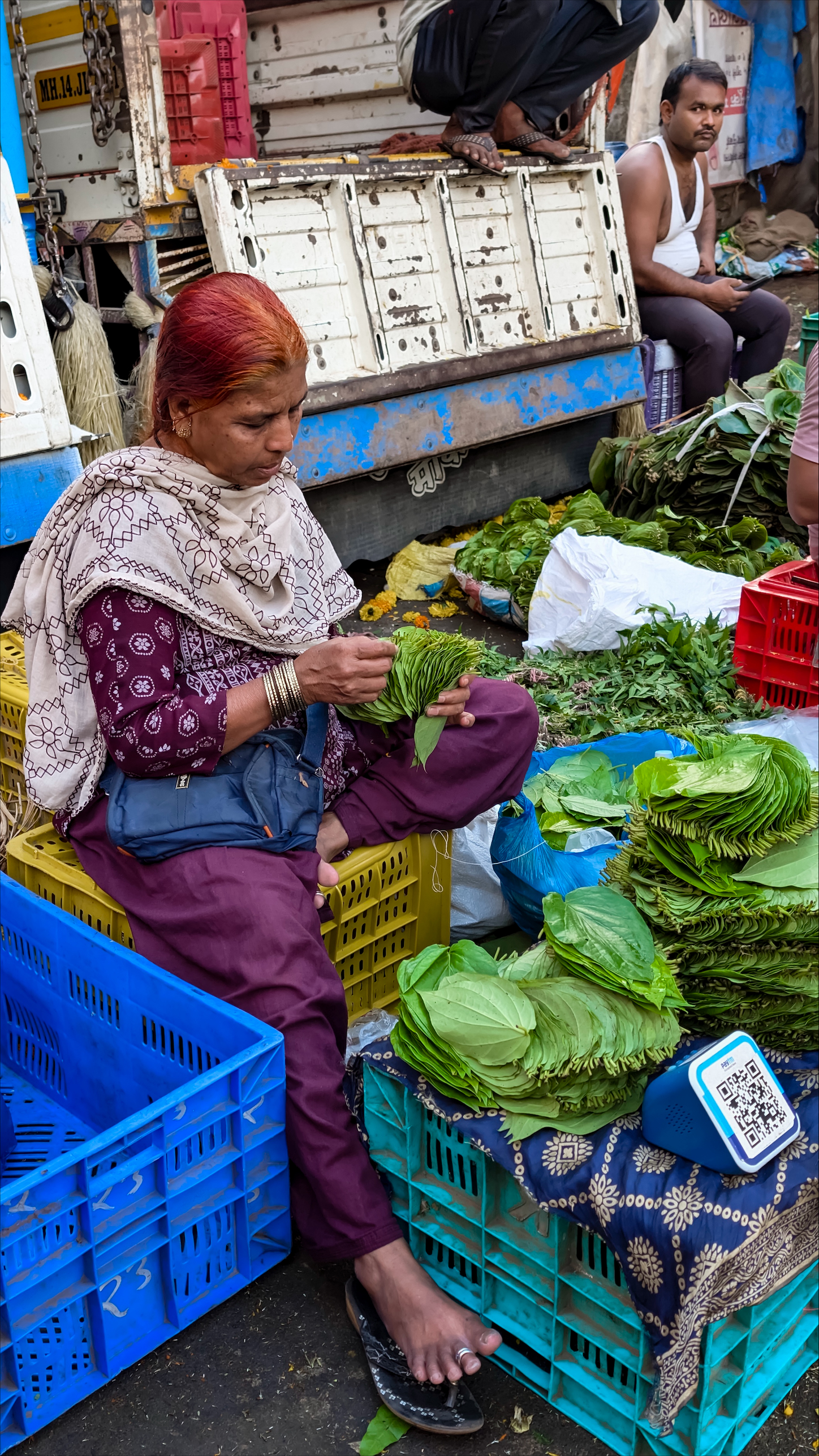
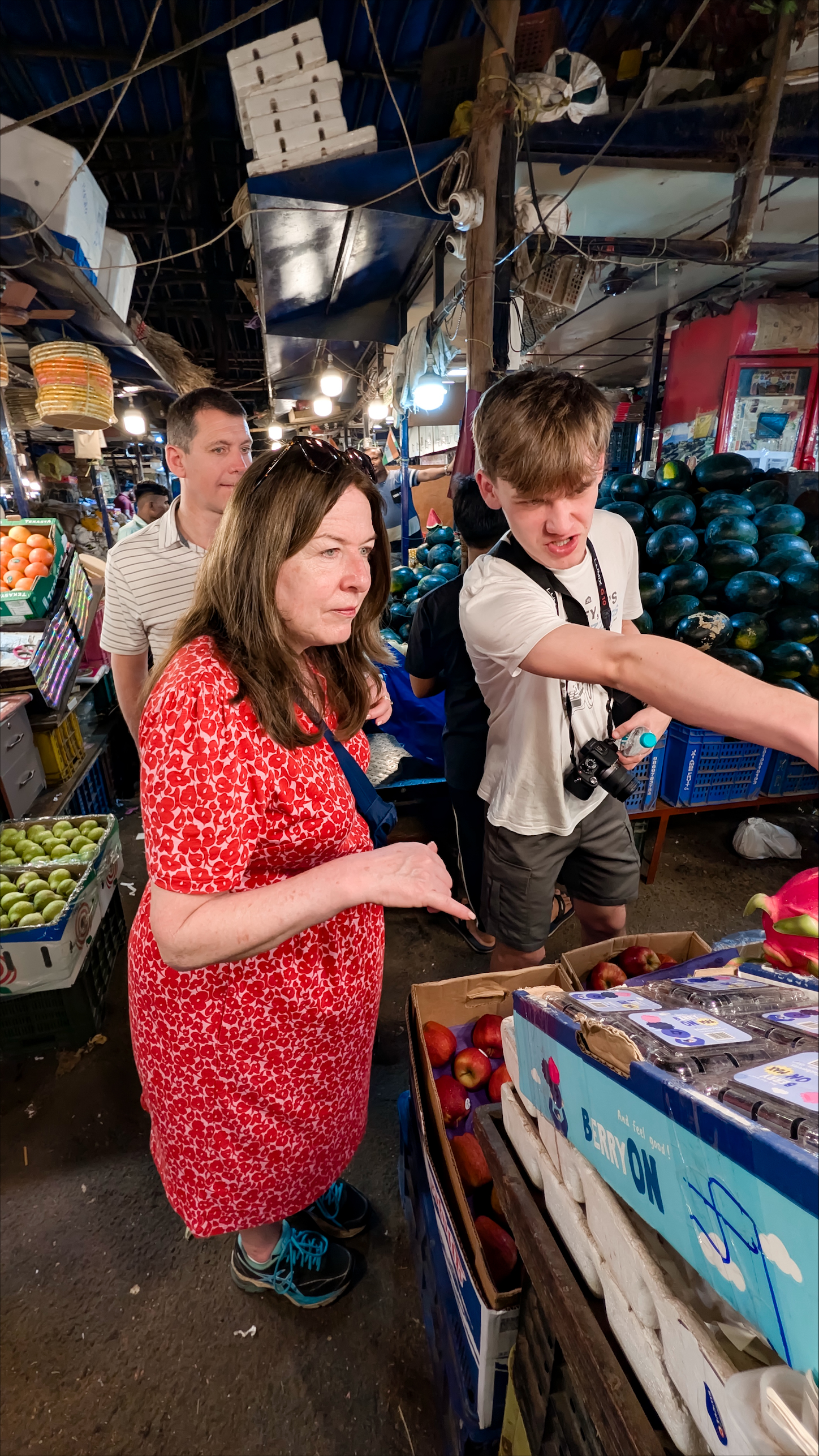
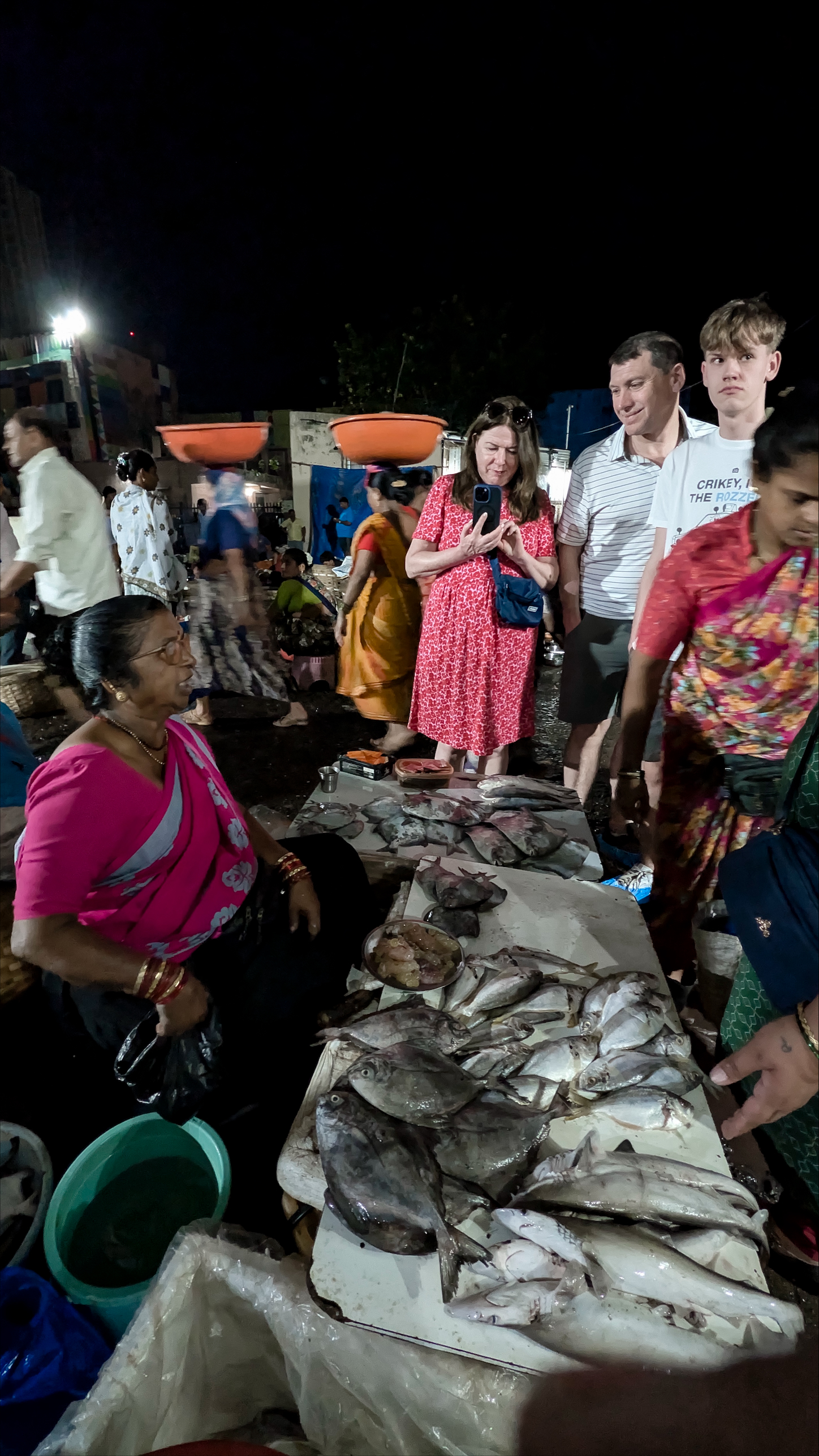
Another highlight, especially if you want to get beyond the usual tourist circuit, was a Mumbai dawn tour that took us behind the scenes of the city before most people are awake. We started at the fish market, where the day’s catch was being unloaded, bargained over and whisked away to restaurants and homes. The noise, the colours and the sheer energy at that hour were unforgettable.
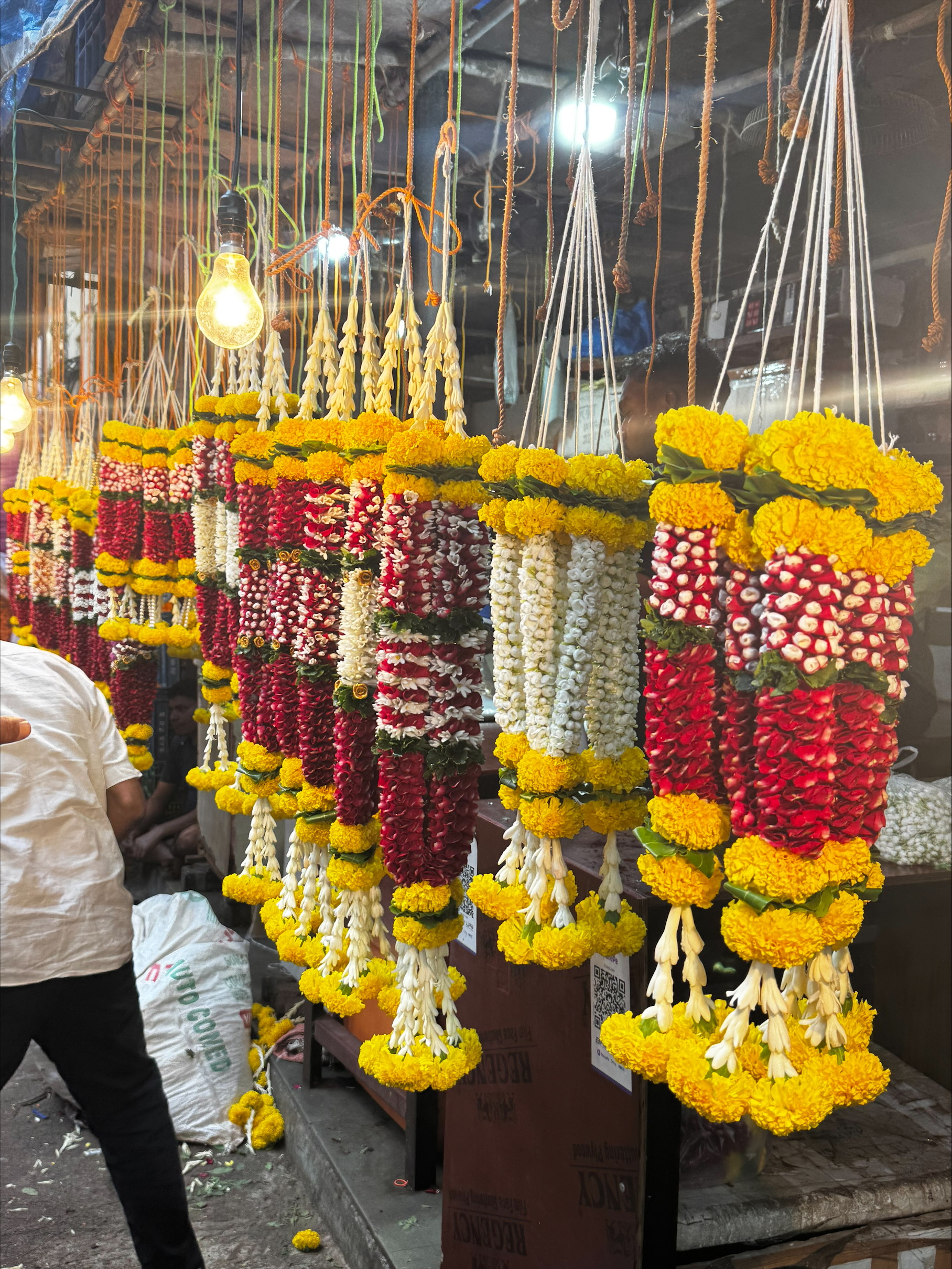
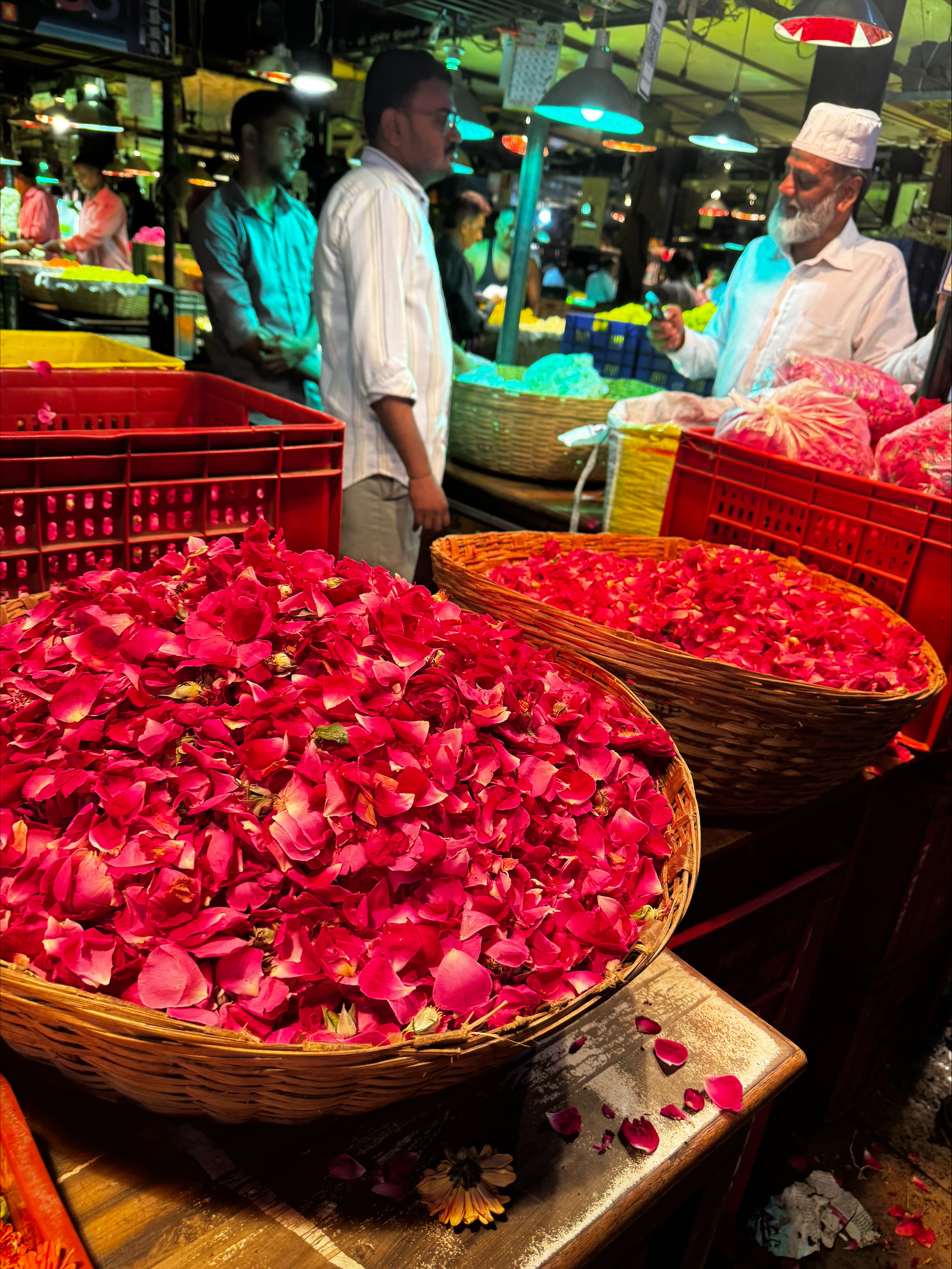
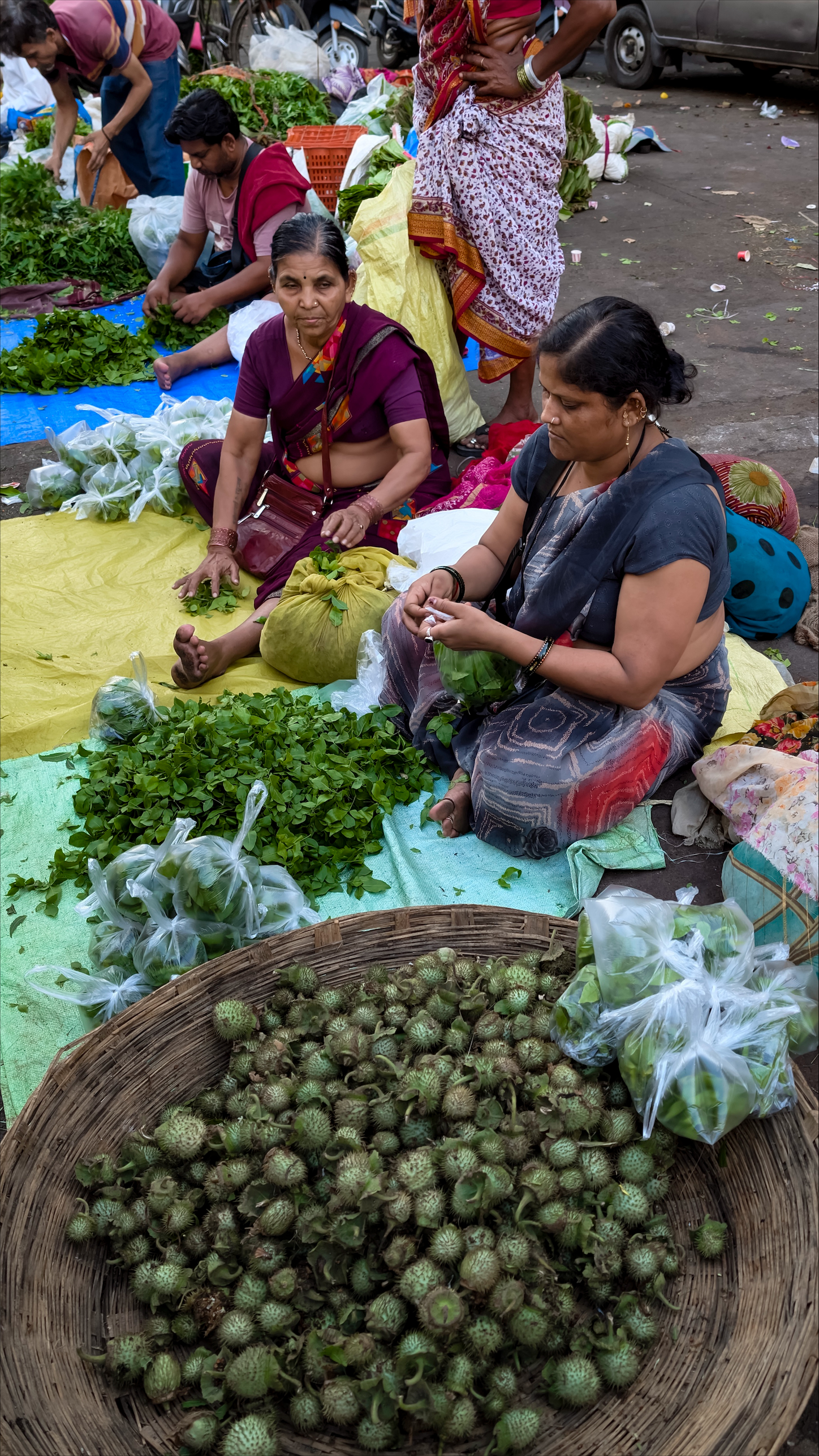
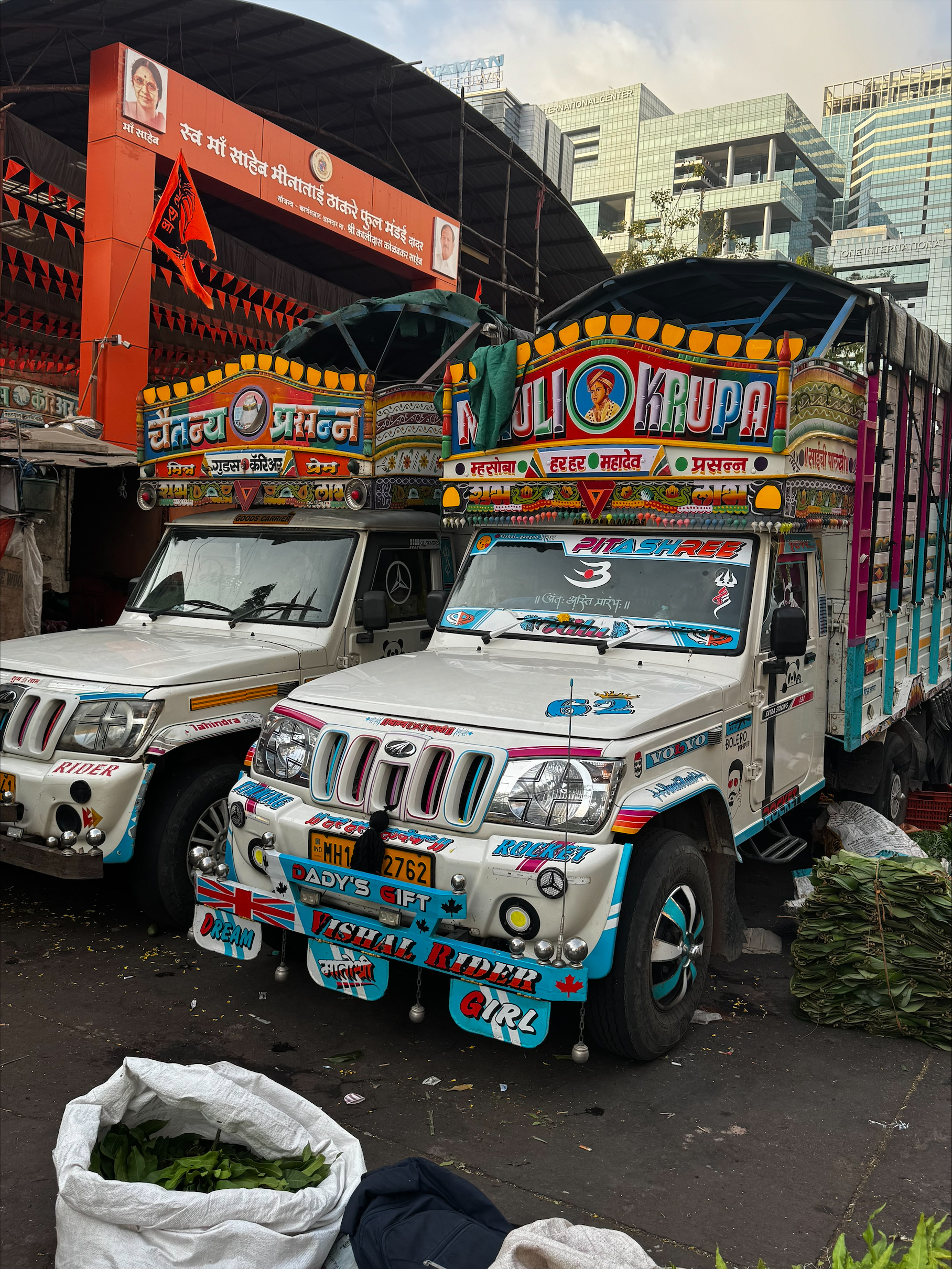
From there we moved to the flower market, walking through lanes filled with marigold garlands and armfuls of blooms destined for temples, weddings and celebrations. It is such a vivid, fragrant reminder of how central flowers are to everyday life and rituals in India.
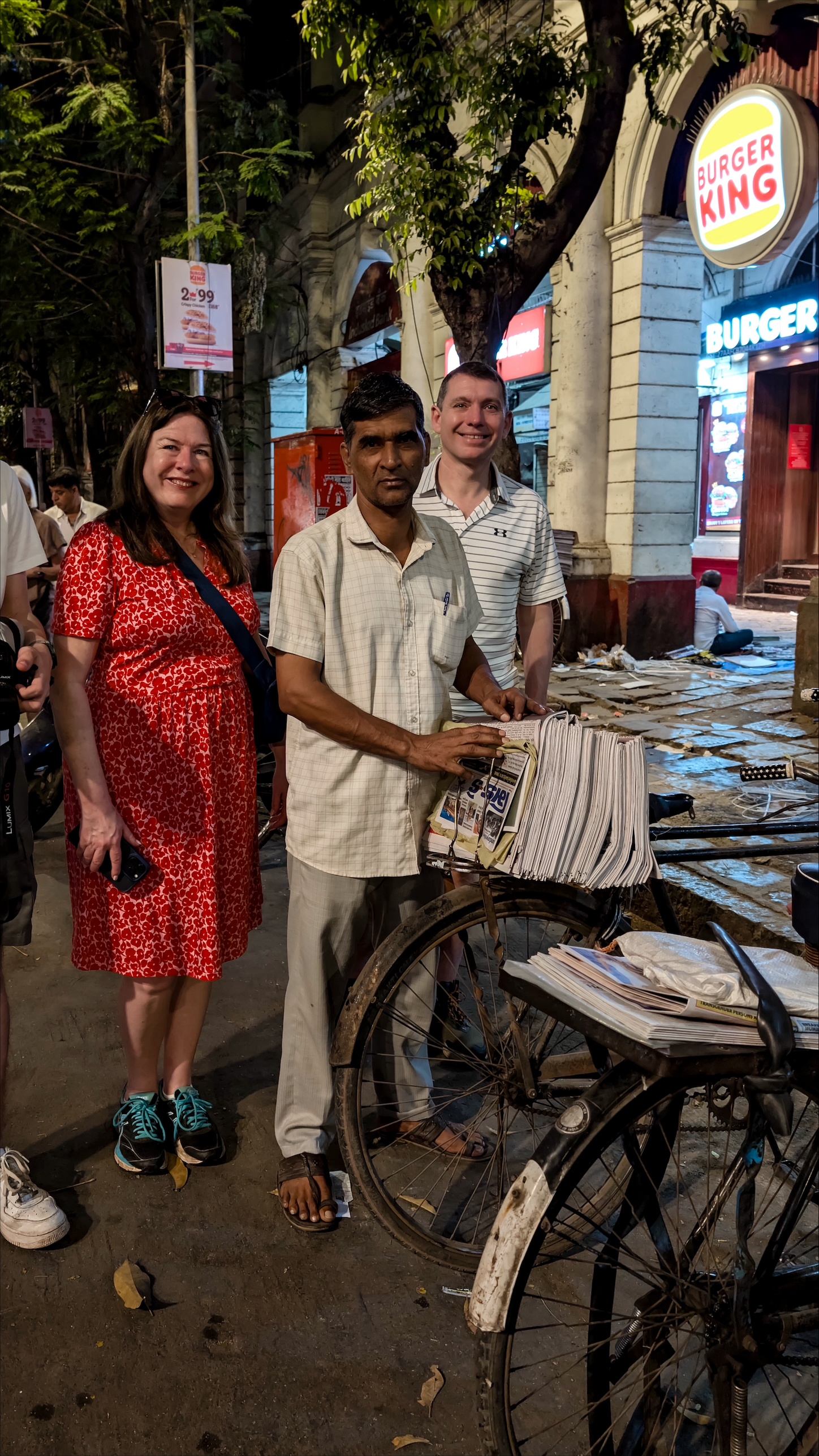
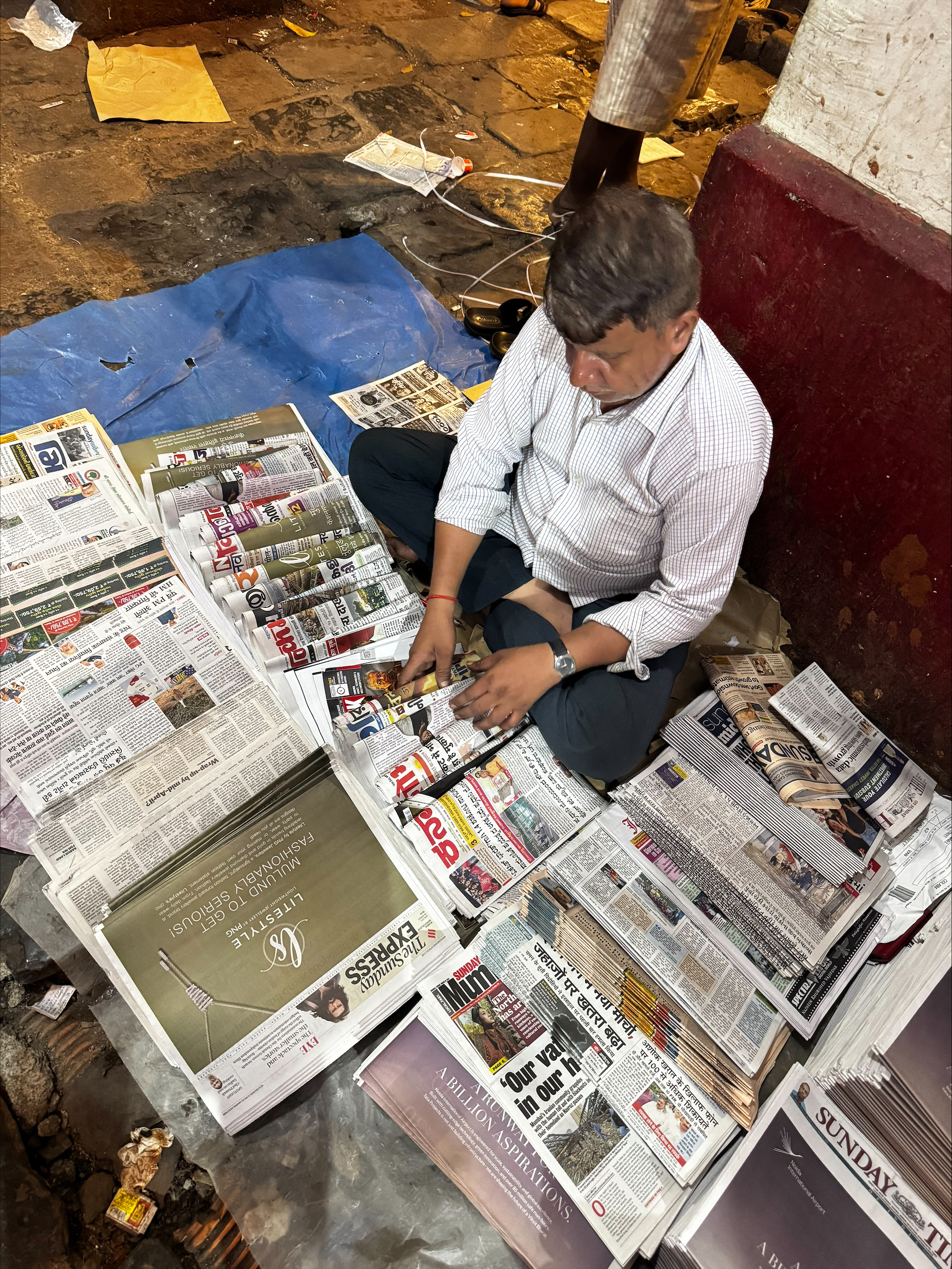
Our guide then took us to the wholesale fruit and vegetable market, where traders and buyers worked at impressive speed, and finally to the area where newspapers are sorted and bundled. Here we met the people who separate papers into up to seven different languages, ready for delivery across the city. One of the most surprising facts we learned was that newspaper readership is still growing in India, thanks to rising literacy levels. In a world where print is shrinking in so many places, Mumbai’s newspaper scene felt like a glimpse of a very different future. For anyone new to India, this sort of insight really brings the country’s growth story to life.
Dharavi: confronting realities with a local guide
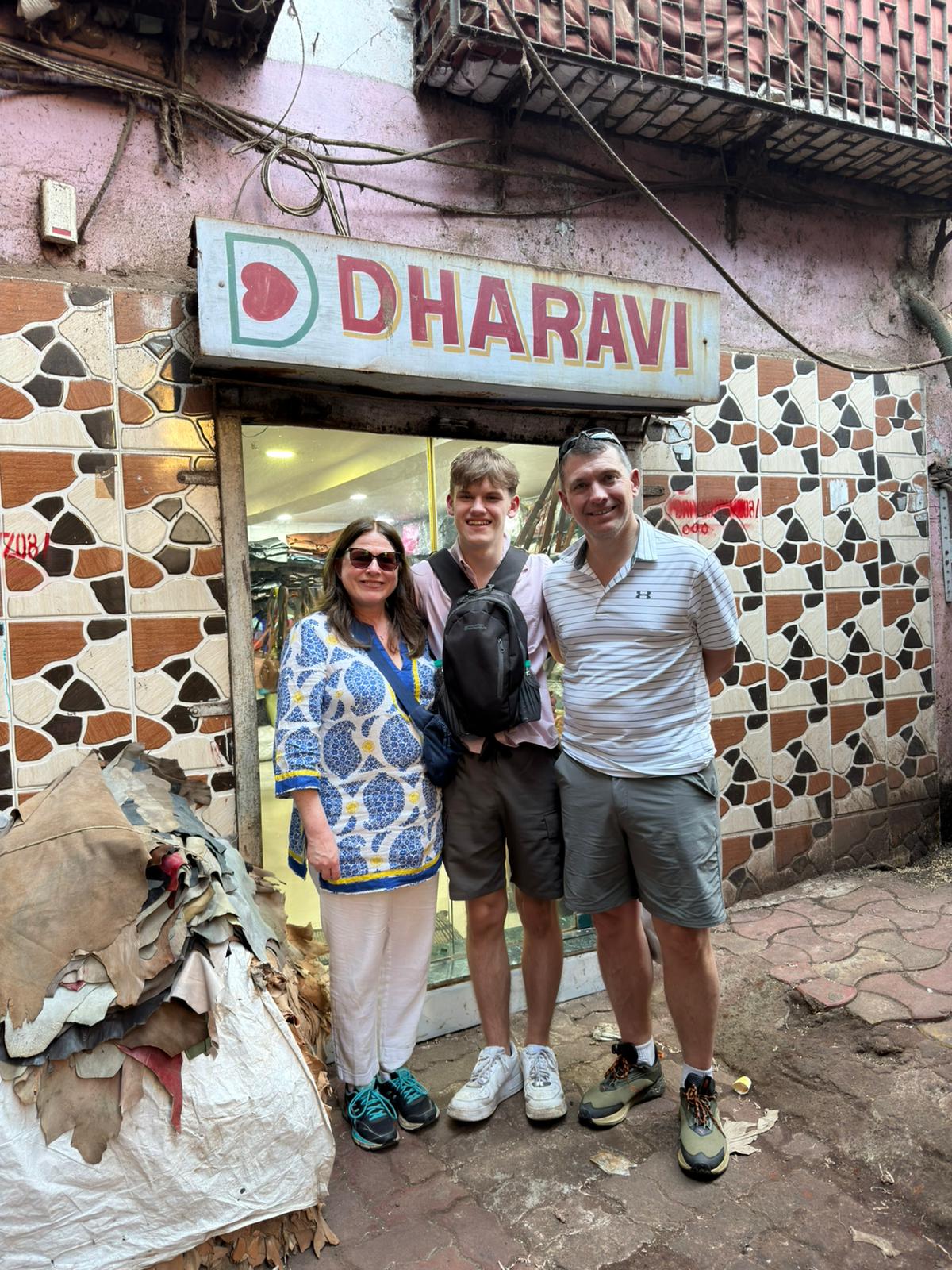
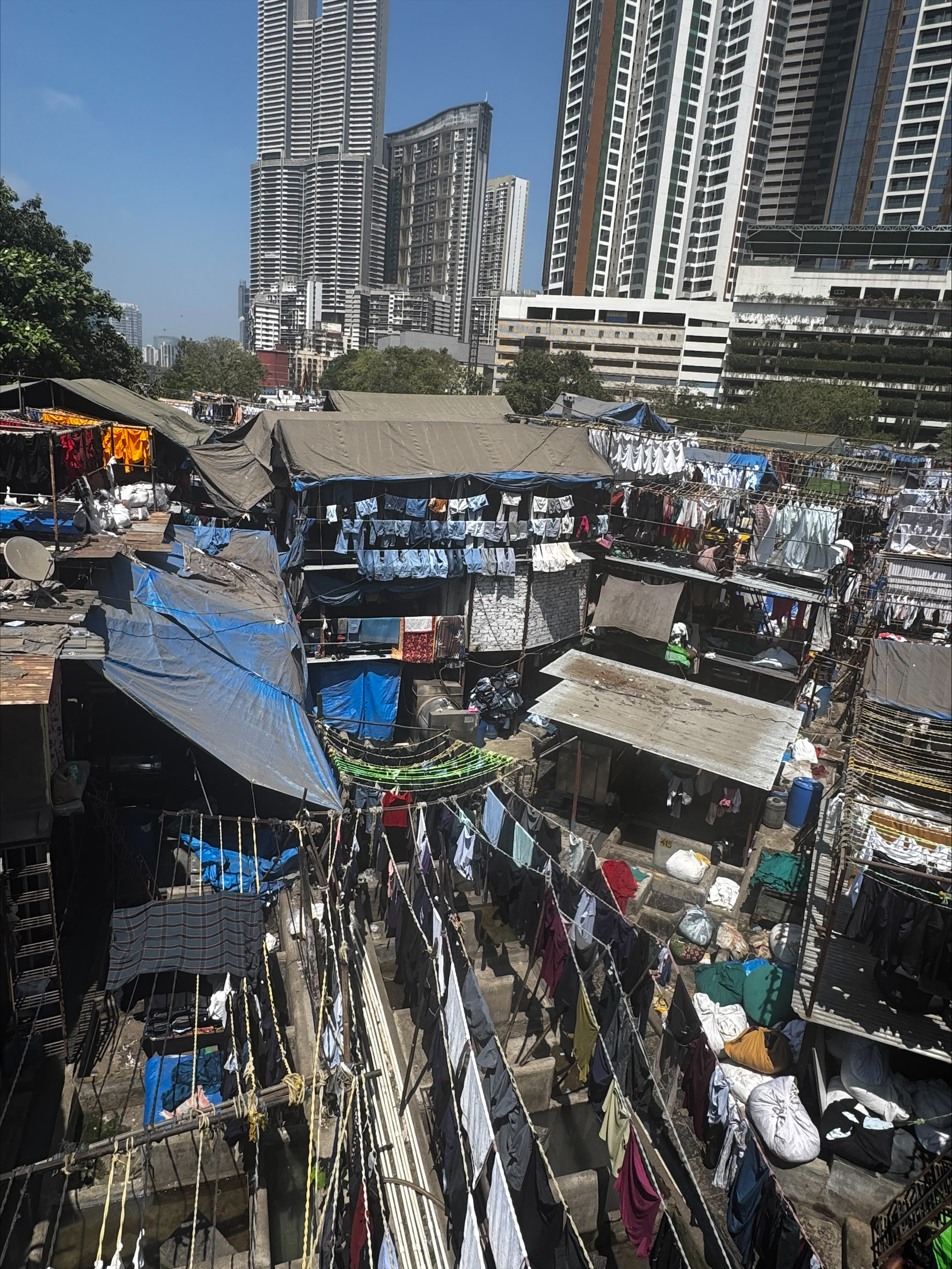
Perhaps the most thought‑provoking part of our time in Mumbai was a tour of Dharavi, the largest slum in India and one of the largest in the world. This is not a visit to be taken lightly, and it was very important to me that we did it respectfully and in the right way.
Our Dharavi slum tour was led by a guide who is a native of the community, which is essential. You cannot and should not walk into an area like this without a local who understands the people, the businesses and the history. With him, we were able to see past the headlines and clichés to understand Dharavi as a living, working neighbourhood, with families, schools, workshops and an extraordinary amount of small‑scale industry.
We saw how many residents run thriving businesses from incredibly compact spaces, recycling, manufacturing and creating products that are sold all over India and beyond. It was humbling to see how much ingenuity, pride and resilience exists in such challenging conditions.
Our guide also explained how uncertain the future of Dharavi is. The government is pushing plans to “clean up” the area and move people into high‑rise blocks. On paper, it sounds like an upgrade. In reality, many residents do not want to leave. Dharavi is their home, their social network and their place of work. Moving to towers on the outskirts would mean losing community ties and, often, their livelihoods.
For first‑time visitors to India, or for those who have only seen the forts and palaces of the north, Dharavi can be confronting, but it is also hugely important. Walking through with someone who calls it home was a powerful reminder that travel is not just about pretty views. It is about understanding how other people live, work and fight for their futures. I left feeling moved, unsettled and extremely grateful that we had chosen to do this through a responsible operator with a local guide who was clearly respected in the community.
Why a private guide in Mumbai is worth it, especially for first‑timers
Mumbai can feel overwhelming on a first visit: vast, busy and full of contrasts. If you have only explored Rajasthan or the Golden Triangle before, it will feel like a completely different India again. Having a private guided tour meant we could see a huge amount in a short time, without the stress of working it all out alone.
More importantly, it gave us depth: context for what we were seeing, honest answers to our questions, access to local restaurants we might never have found and encounters with people we would not have met otherwise. For first‑time visitors to India, or those keen to go beyond the north, this guidance makes all the difference between a trip that feels overwhelming and one that feels eye‑opening in the best way.<
If you are considering a first trip to India and want something more varied than the classic Golden Triangle, or if you have already fallen in love with north India and are ready to explore further, I would strongly recommend including Mumbai and Kerala together. In Mumbai, I suggest:
- A private guided tour of Mumbai, including the Gateway of India and key sights
- Time to enjoy some of the city’s fantastic restaurants that I can personally recommend
- A dawn market tour to see the city’s daily life up close
- A carefully selected Dharavi tour led by a local resident, booked through a responsible partner
In Part 2, I will share the Kerala section of this trip: backwaters, beaches and a very different pace of India that pairs beautifully with the buzz and evolution of Mumbai, and is ideal if you want to balance your first India adventure with some serious relaxation.