Why a GHIC Card Doesn't Replace Travel Insurance
Learn what the GHIC card covers, what it doesn't, and why UK travellers should always arrange travel insurance from the day they book.
Why a GHIC Card Doesn't Replace Travel Insurance
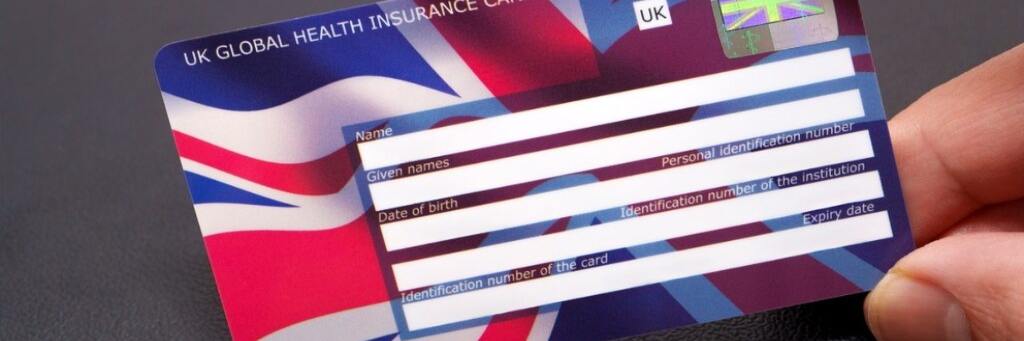
If you're planning a holiday abroad, one important item you should consider taking with you is a UK Global Health Insurance Card (GHIC).
The GHIC allows eligible UK residents to access medically necessary state healthcare in participating European countries and several other destinations. It can help you receive treatment on the same basis as local residents, which may mean reduced costs or access to free state healthcare depending on the country you're visiting.
However, one of the biggest misconceptions among travellers is believing that a GHIC replaces travel insurance.
It doesn't.
The NHS specifically advises travellers to have both a GHIC and travel insurance when travelling abroad.
A GHIC can help with medically necessary state healthcare, including emergency treatment, treatment for existing medical conditions and certain maternity care. It may also assist with pre-arranged treatments such as dialysis or chemotherapy where available.
What many travellers don't realise is what the card doesn't cover.
A GHIC will not pay for private medical treatment, medical repatriation back to the UK, mountain rescue services, cancelled holidays, missed departures, delayed flights, lost luggage, stolen belongings or personal liability claims.
This is where travel insurance becomes essential.
A comprehensive travel insurance policy can provide protection for a wide range of unforeseen circumstances, including:
- Holiday cancellation
- Medical emergencies
- Emergency repatriation
- Lost, stolen or delayed baggage
- Travel disruption
- Personal possessions
- Personal liability
- Legal expenses
Another important point is timing.
Many people wait until shortly before they travel to arrange insurance In reality, the best time to purchase travel insurance is as soon as you book your holiday.
Most travel insurance policies include cancellation cover from the date the policy starts. This means you could be protected if an insured event prevents you from travelling before your departure date.
For example, depending on your policy terms, you may be covered if you experience a serious illness, injury, bereavement, redundancy or another insured event before travelling.
Without insurance in place, you may lose non-refundable holiday costs if you need to cancel.
The ideal approach is simple: apply for a free GHIC through the official NHS website and arrange comprehensive travel insurance at the same time you book your trip.
Together, they provide a far greater level of protection than either could alone.
A GHIC can help with access to healthcare abroad, while travel insurance protects your finances and offers support before and during your holiday.
Before your next trip, make sure you have both.