When to Visit Thailand: It’s Not as Simple as You Think
A practical guide to understanding the seasons, regions, and how to plan the right trip
The question of when to visit Thailand comes up a lot, but it’s one of those destinations where the answer is rarely straightforward.
When Is the Best Time to Visit Thailand?
When people ask me the best time to visit Thailand, my answer is usually the same: “which part?”
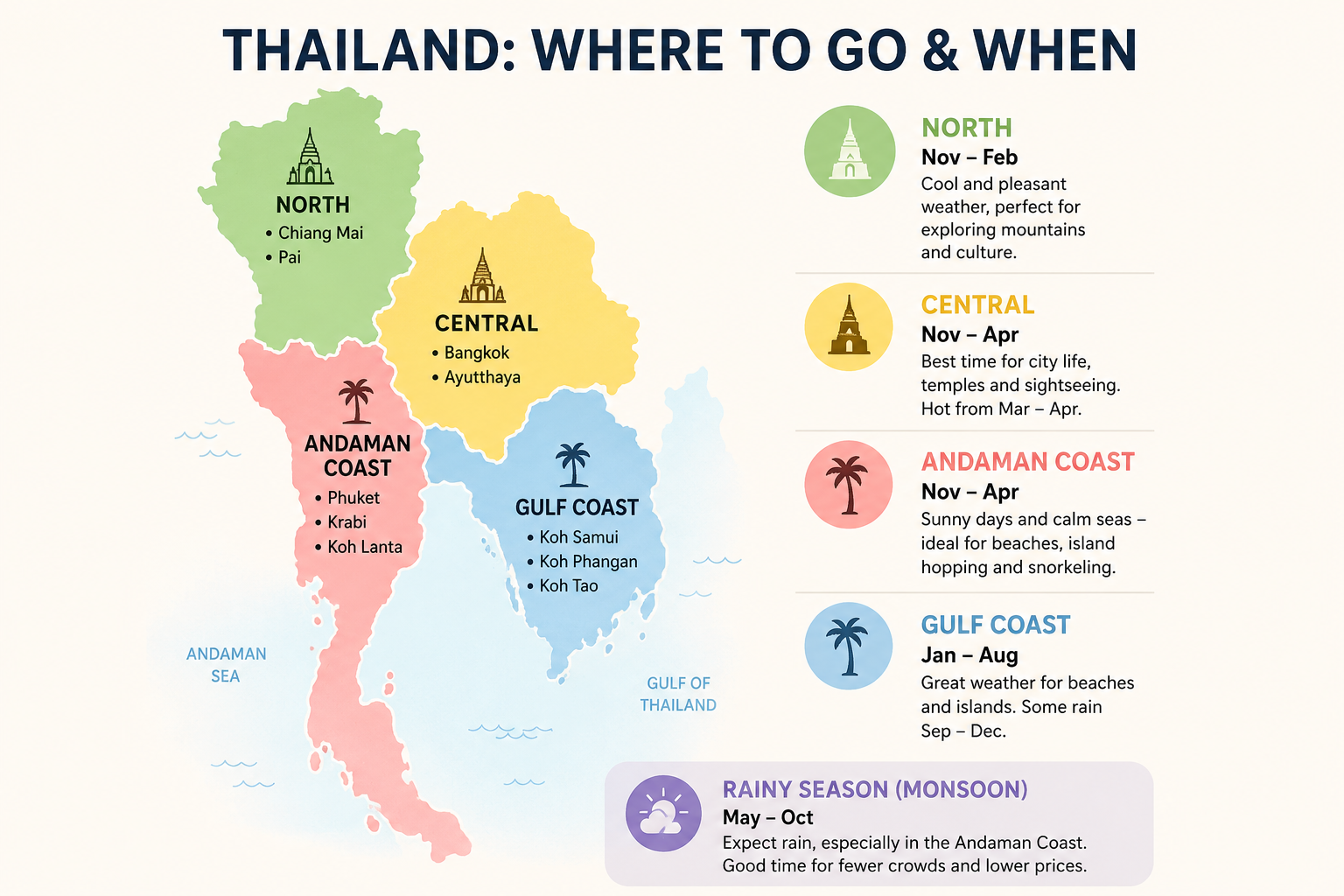
One of the biggest misconceptions about Thailand is that the weather is consistent across the country. In reality, conditions vary significantly between the north, the Gulf islands and the Andaman Coast — which is why Thailand can work well at almost any time of year, depending on where you go.
Having spent time living in Thailand and travelling extensively through different regions in all seasons, I’ve experienced everything from cool mornings in Chiang Mai to humid green season afternoons on the Andaman Coast, long sunny days on Koh Samui in August, and easy weekend escapes from Bangkok to places like Ayutthaya.
It’s why I tend to think less about a single “best time to visit Thailand” and more about matching the season to the type of trip you want.
Thailand’s Seasons (In Reality)
Broadly speaking, Thailand is often described as having three seasons — cool (November to February), hot (March to May) and green season (June to October).
But in practice, these seasons don’t affect the whole country in the same way.
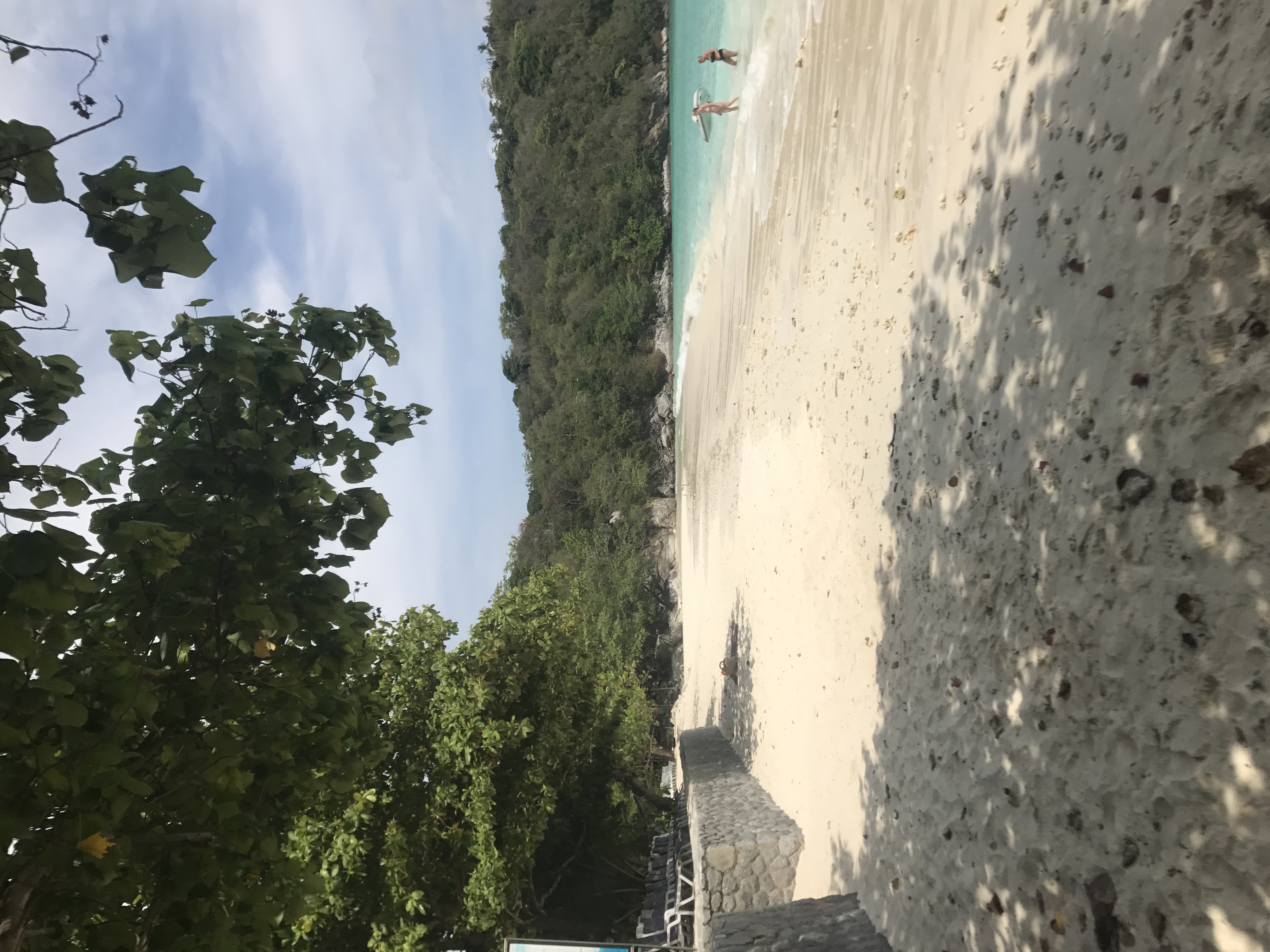
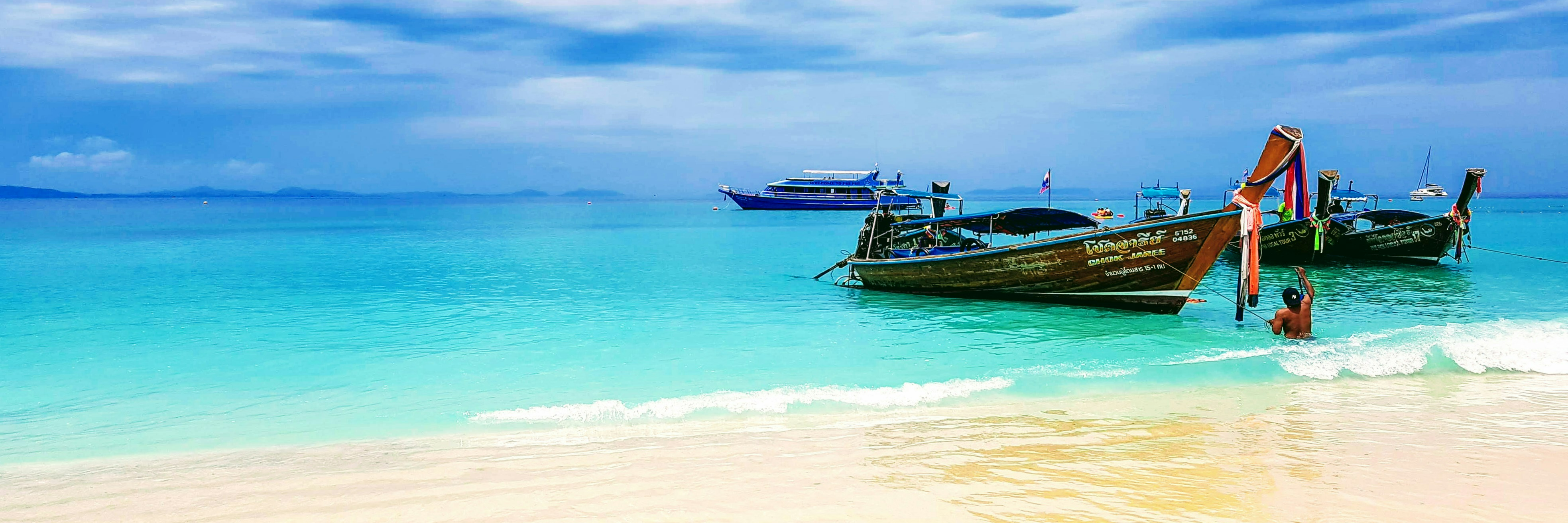
For example, the west coast — including Phuket, Krabi, Khao Lak and Koh Lanta — is generally at its best during the UK winter months. Meanwhile, the Gulf islands such as Koh Samui, Koh Phangan and Koh Tao can often offer very good conditions during July and August, which surprises many people who assume Thailand is mainly a winter destination.
Northern Thailand vs the Islands
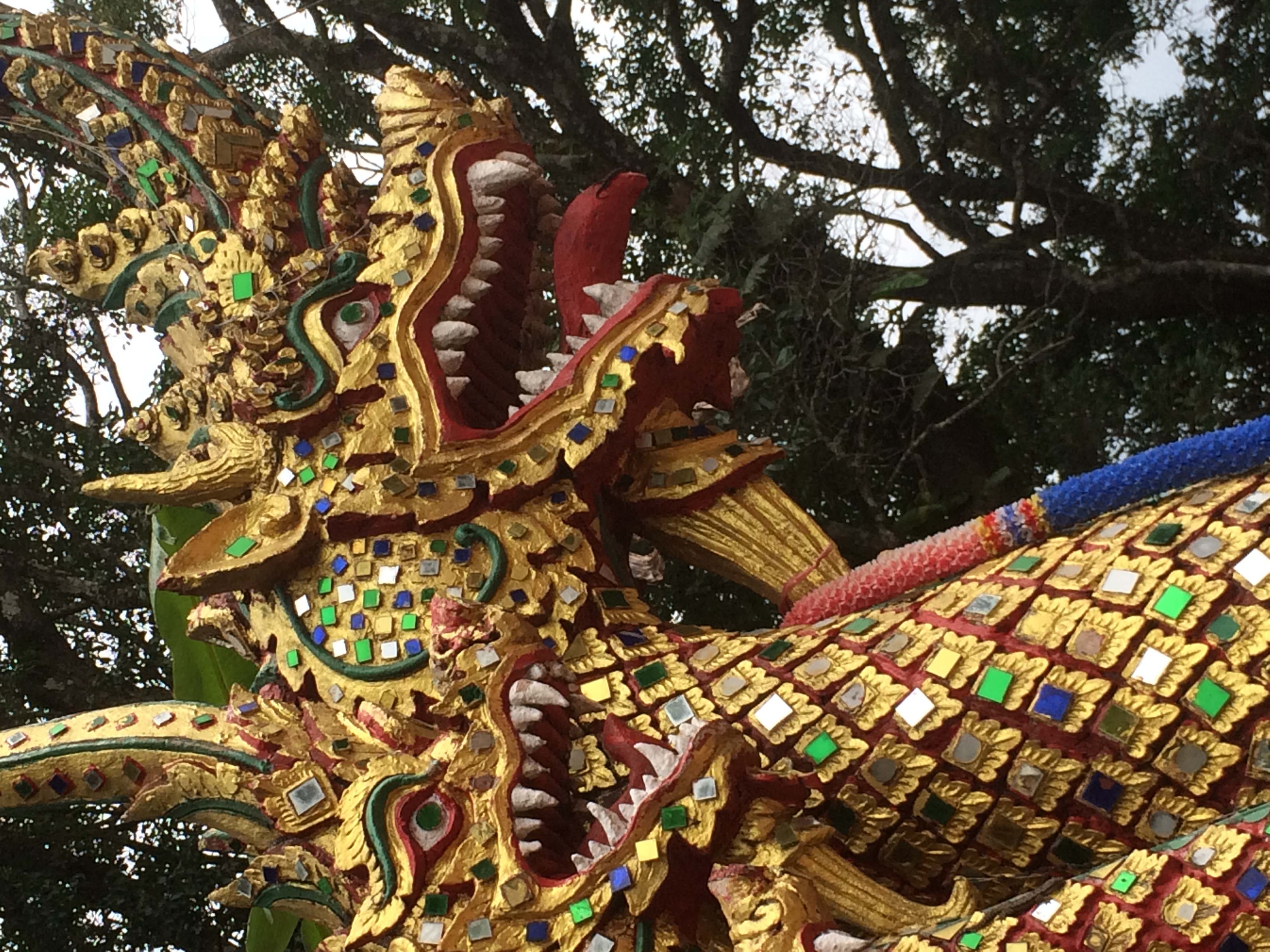
Northern Thailand feels like a completely different journey altogether. Around Chiang Mai and Chiang Rai, the atmosphere is more cultural and slow-paced, with temples, markets, cafés and mountains replacing beaches and island hopping.
It’s one of my favourite parts of Thailand, particularly between November and February when the weather is generally drier and more comfortable for exploring.
One thing worth being aware of is burning season, which typically affects parts of Northern Thailand between late February and April. This is when agricultural burning can lead to smoky conditions in and around Chiang Mai. It doesn’t mean the region should be avoided entirely, but it’s something I always factor in when shaping itineraries and advising on timing.
Beyond the Usual Beach Destinations
Some of the most rewarding parts of Thailand are actually outside the more well-known resorts.
Kanchanaburi, a few hours from Bangkok, offers river scenery, jungle landscapes and floating raft accommodation, along with historical sites such as the Bridge on the River Kwai. It works particularly well as part of a wider itinerary.
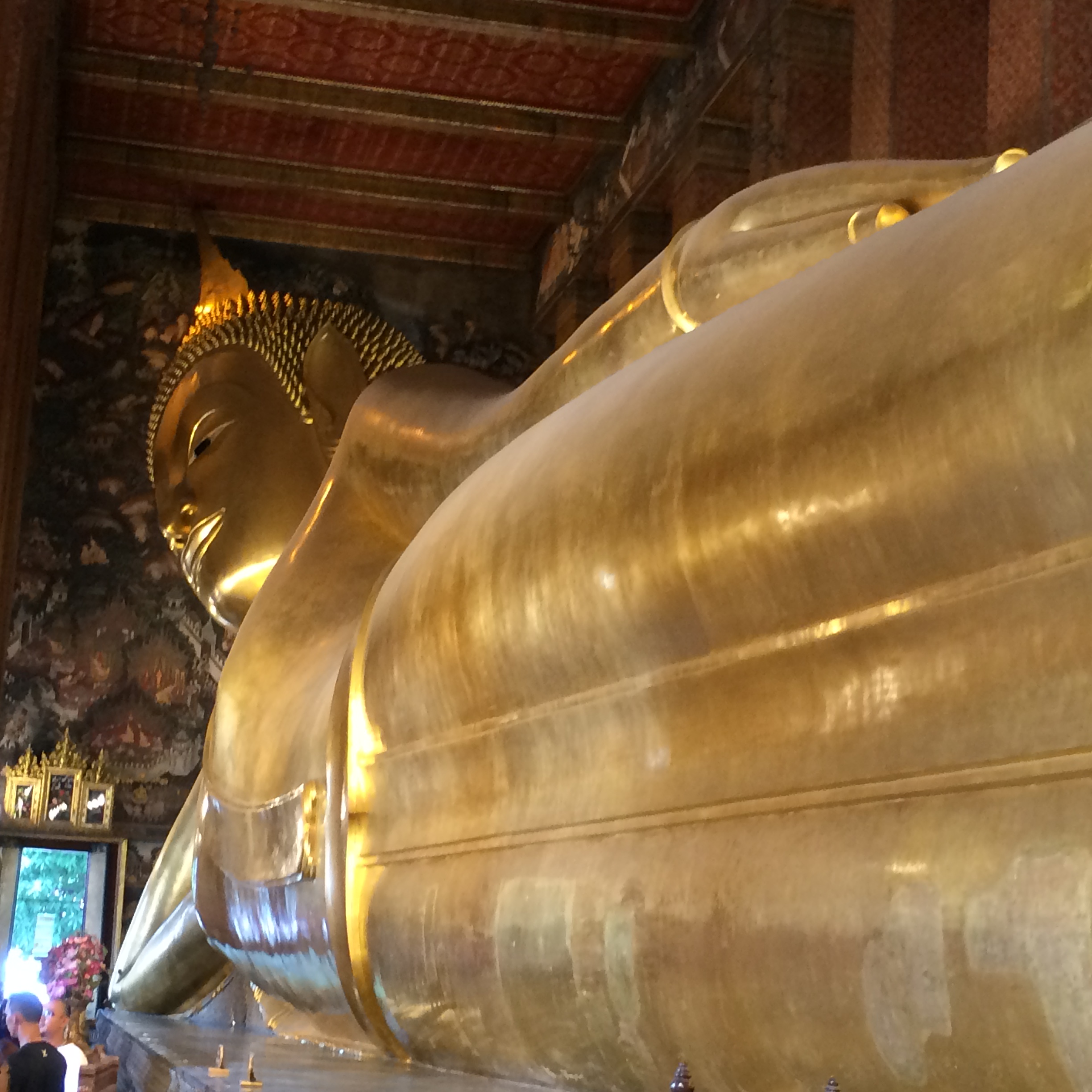
Ayutthaya is another very easy addition from Bangkok and a completely different experience again. The ancient temples and riverside setting make it one of the most atmospheric cultural stops in Thailand, and it works well for travellers who want something meaningful without a long transfer.
For something more remote and slow-paced, Koh Yao Noi and Khao Sok National Park offer a very different experience again — limestone scenery, rainforest, floating lake accommodation and a sense of space that feels a world away from the busier islands.
Is the Green Season Worth It?
This really depends on expectations and travel style.
The term “rainy season” can sound off-putting, but there are real advantages to travelling during these months — fewer crowds, lush scenery and often better value on accommodation.
That said, it’s important to be realistic, particularly on the Andaman Coast during the summer months. I’ve travelled in Phuket, Krabi and Koh Lanta during this period and while there can still be plenty of good weather, there is a higher chance of heavy rain and occasional disruption to boat trips and island excursions.
For longer, more flexible trips, that can be part of the experience. But for shorter holidays where people are hoping for reliable sunshine and daily island hopping, I would usually guide them towards the Gulf islands instead during the UK summer.
Choosing the Right Time and Place
Rather than focusing too much on specific months, I always find it more useful to start with the type of trip someone actually wants.
For classic winter sun and island hopping, the west coast is usually ideal between November and April.
For summer travel, the Gulf islands can work surprisingly well, particularly Koh Samui.
For culture, food, scenery and a slower pace, Northern Thailand is at its best in the cooler months.
And for something quieter and more immersive, places like Koh Lanta, Khao Sok and Koh Yao Noi offer a completely different side of Thailand.
Final Thoughts
Thailand is one of those destinations people return to again and again, largely because it can feel completely different depending on when and where you go.
One trip might focus on beaches and island life, another on food, culture and exploring quieter inland regions.
The key isn’t finding one perfect time to visit — it’s understanding how to match the season and region to the experience you actually want.
That’s always been the most important factor for me when planning time there, and something I come back to constantly when thinking about how varied the country really is.