Forget the Coolcation. This Is a Primeclimecation
Prime Clime Cations - not just coolcations
A primeclimecation, done well, is not simply an escape from the heat. It is a holiday with genuine range built into it, adventure when the mood strikes, and stillness when it doesn't. A morning spent kayaking gives way to a long, unhurried lunch. A mountain hike ends in an evening with nothing on the agenda beyond watching the light shift over water. That particular rhythm, of effort followed by ease, is rarely on offer at a beach resort, where the choice tends to begin and end with the pool or the pool bar.
Forget the Coolcation. This Is a Primeclimecation
Southern Europe has been getting hotter in peak summer season, a fact that needs no further evidence than delayed flights, a wildfire warning on the evening news, or an afternoon on holiday where the only sane option is staying put by the pool until the air stops shimmering. I'll be feeling it myself shortly, if I can get to my trip to the Basque region, normally considered a prime clime spot ! It's a genuine shift, not a passing headline, and it's fair to say the industry has a part to play in addressing it, not just reporting on it.
Some of those same hotspots are also creaking under a rather different pressure, too many visitors, in too short a season, on infrastructure never designed to take it. Overtourism is as much a part of this story as the heat, and a big part of the appeal of looking further afield is simply spreading the load, discovering places that want visitors rather than places that are quietly straining under them. As well as getting away from the masses. This is where the clever travellers are heading.
Which brings me to the word I'd rather use than coolcation. Call it a primeclimecation instead, a trip chosen for the climate that actually suits how you want to spend your days, not simply the coldest spot on the map. Neither cold nor roasting, but genuinely, properly pleasant. Warm enough for a lake swim before lunch. Cool enough that a hike, a long cycle or eighteen holes in the afternoon feels like the obvious thing to do rather than an act of endurance.
There is a detail most coverage of this trend seems to miss entirely. A primeclimecation, done well, is not simply an escape from the heat. It is a holiday with genuine range built into it, adventure when the mood strikes, and stillness when it doesn't. A morning spent kayaking gives way to a long, unhurried lunch. A mountain hike ends in an evening with nothing on the agenda beyond watching the light shift over water. That particular rhythm, of effort followed by ease, is rarely on offer at a beach resort, where the choice tends to begin and end with the pool or the pool bar.
The best of these trips also follow a shape worth borrowing: a couple of nights in a proper city, full of culture and good tables, followed by several days somewhere quieter, outdoors, healthy and a little more alive. Here is where I would start looking.
Norway: Oslo, Bergen and Stavanger, then the coast
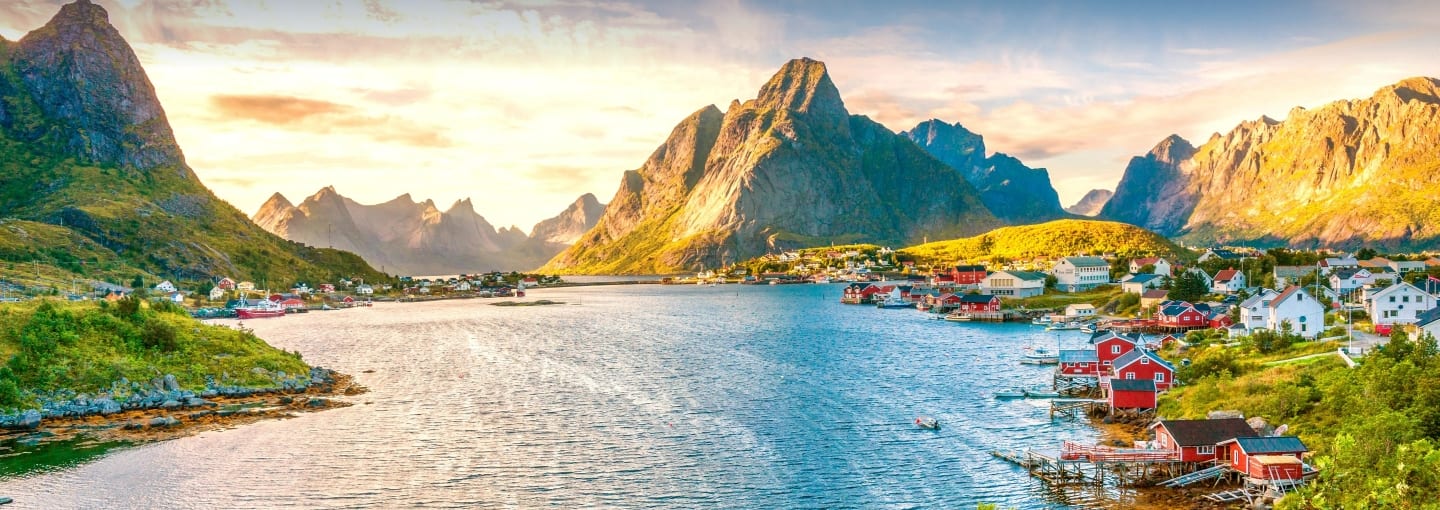
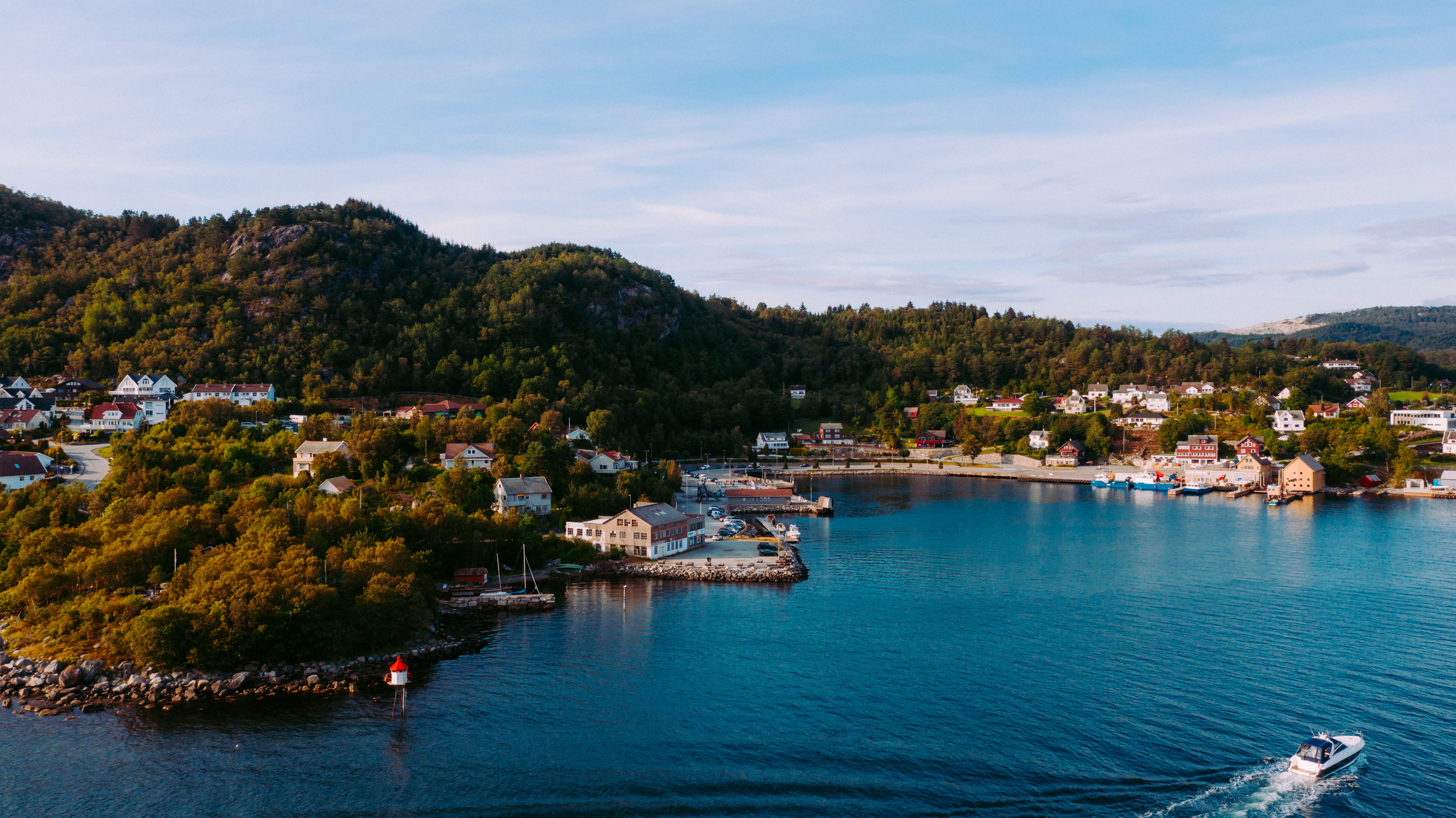
Oslo makes an elegant starting point, a city fluent in design, food and waterfront living, and worth two or three nights before heading further out. From there, the famous Bergen Railway crosses some of the most dramatic high altitude scenery in Europe, and the Flåm Railway, one of the steepest and most scenic train journeys anywhere, drops you almost directly into fjord country. Once there, a night or two aboard the Hurtigruten coastal ferry is one of the loveliest ways to see Norway properly, calling into small ports most travellers never reach. For something more private, the coast is dotted with beautifully simple wooden cabins, often right at the water's edge, ideal for a few days of kayaking, wild swimming and doing very little else. Bergen itself offers colourful harbourside charm, while Stavanger pairs a lively small city with Pulpit Rock and coastal walking of real drama. This is a trip that trades sunbeds for stories, without ever asking too much in return.
Switzerland: railways, lakes and resort towns
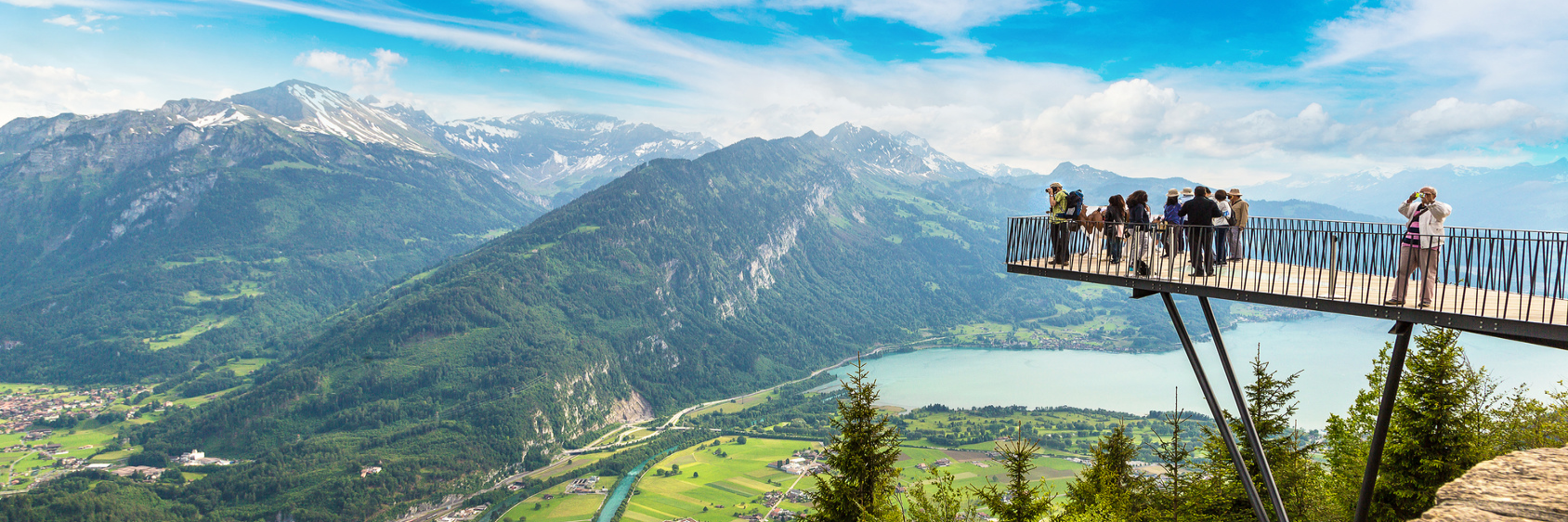
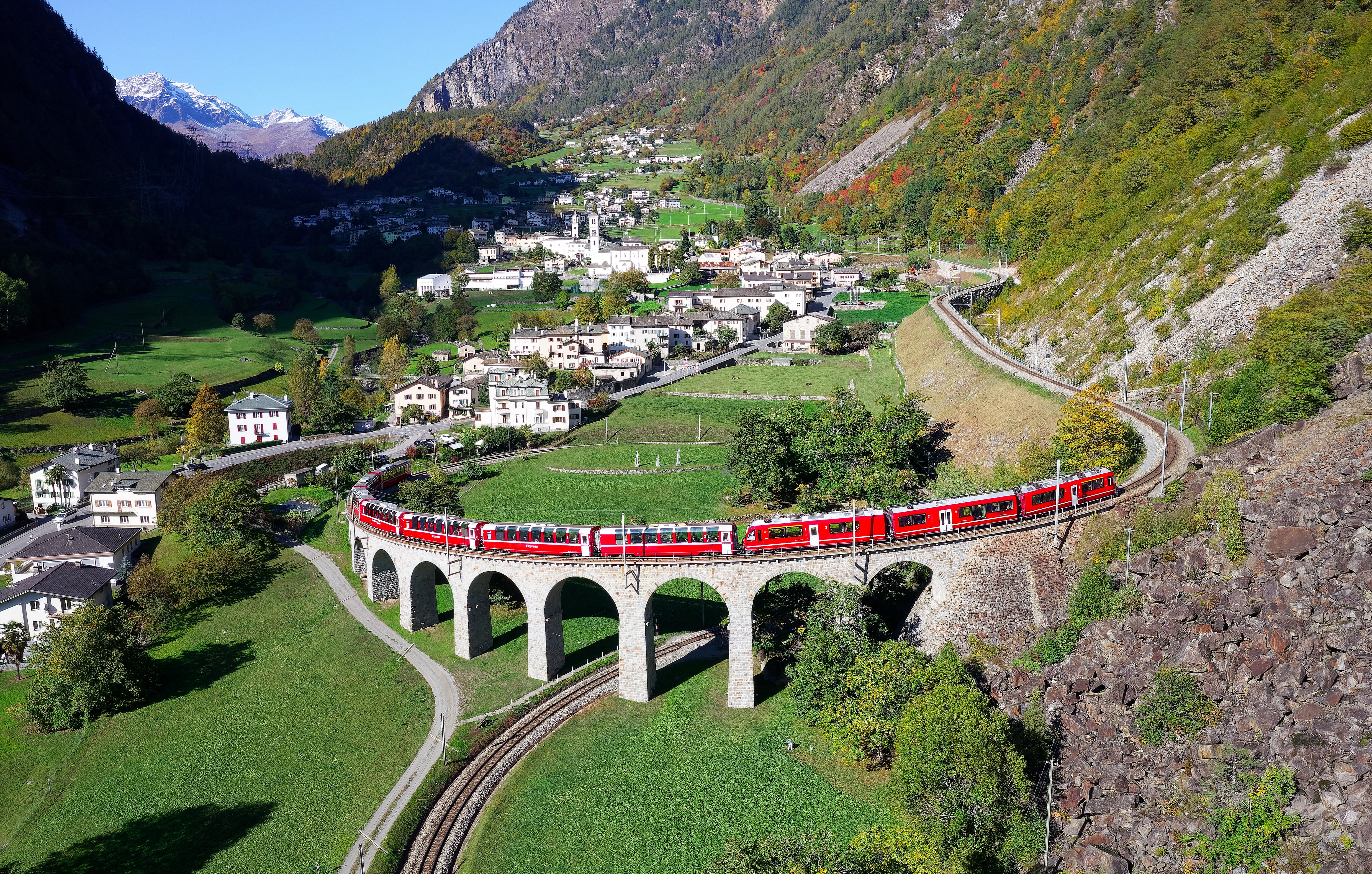
Switzerland has never needed the sun to feel exclusive, and its railways are as much a part of the experience as any destination they connect. The Glacier Express and Bernina Express are justly famous, but even an ordinary regional line here tends to run past a view worth photographing. Geneva and Lucerne make natural city stops, effortless days of shopping, fine dining and lakeside walks, before moving on to somewhere quieter. Interlaken sits between two lakes with the high Alps as a backdrop and does a rare thing well, offering genuine adventure, paragliding, hiking, canyoning, alongside a properly relaxed lakeside pace. Zermatt and Gstaad both bring golf, walking and spa culture set against some of the most photographed mountains in the world, while Lake Geneva's gentler resort towns suit those who would rather potter than climb. A few days in any of these, following a city stay, gives a trip real shape and range.
The French Alps in summer: Chamonix, Annecy and Morzine
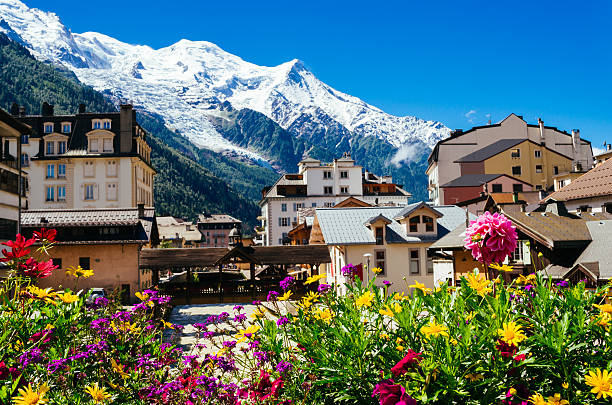
Most people know these mountains only in ski season, which makes summer here feel like something of a reveal. Chamonix, sitting beneath Mont Blanc, is the obvious choice for anyone wanting proper mountain drama, cable cars up to genuinely thrilling viewpoints, hiking trails for every ability, and a lively little town to come back down to in the evening. Annecy is regularly named among the prettiest towns in France, its canals, old town and turquoise lake made for a slow afternoon, a gentle paddle, or little more than people watching over a long lunch. Morzine, familiar to any ski client from a very different season, transforms into a hiking and mountain biking base once the snow has gone, its lift network repurposed for scenic rides rather than descents. A rather elegant way to introduce an existing ski client to an entirely new season with you.
Austria: lakes, mountains and a slower pace
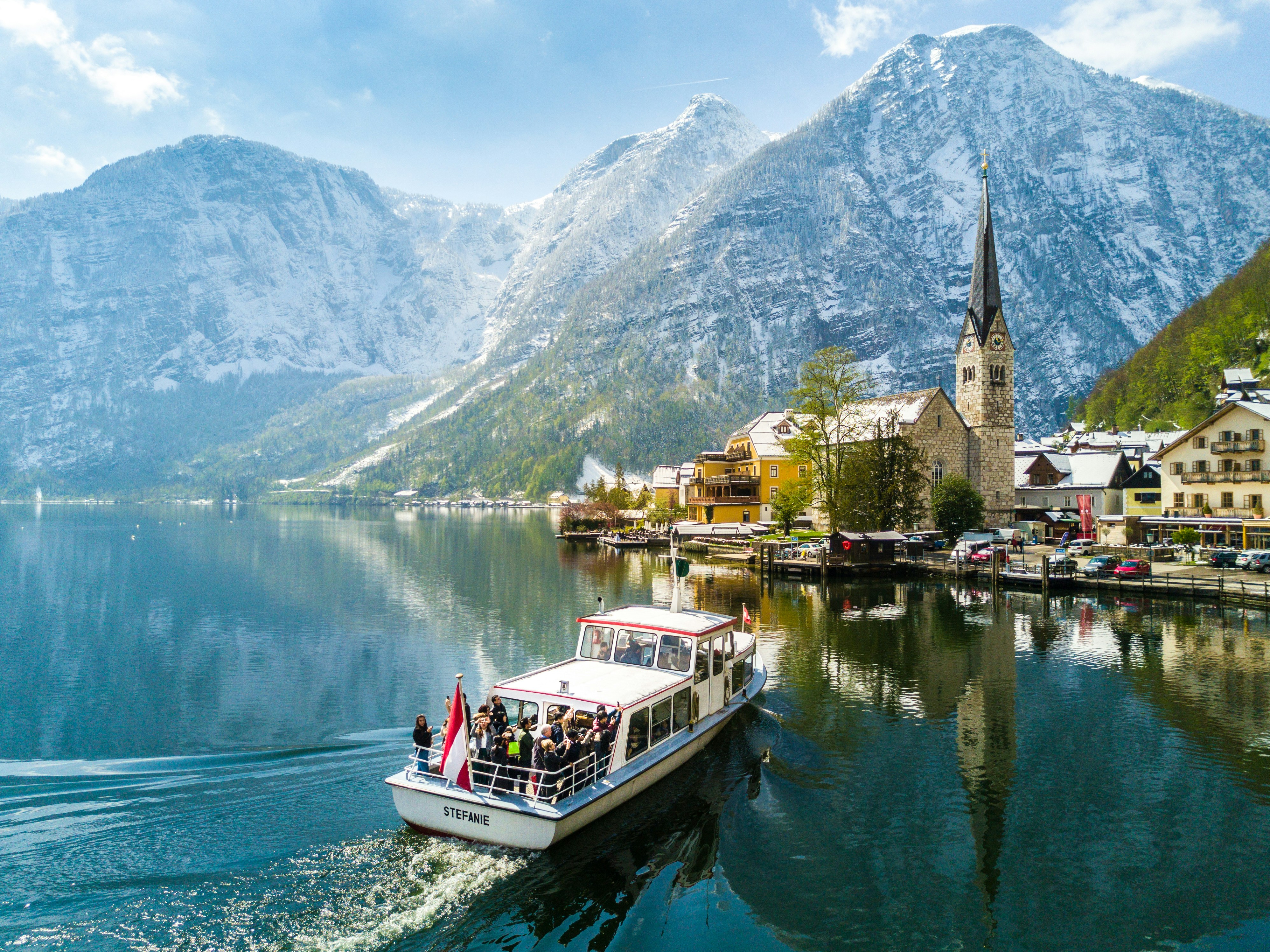
Austria tends to be overlooked in this conversation, which is something of an oversight. The Salzkammergut region, close to Salzburg, is a scattering of glassy lakes surrounded by mountains, Hallstatt chief among them, a village so pretty it feels almost staged. Innsbruck offers a compact, elegant city base with genuinely serious hiking and via ferrata on its doorstep, while the Wörthersee in the south has a gentler, more resort like feel, good swimming, good walking, and a noticeably slower pace of life. Salzburg itself makes an obvious two night city stop before heading into the lakes, culture and architecture first, water and mountains after.
The Italian Lakes and cities, northern Italy
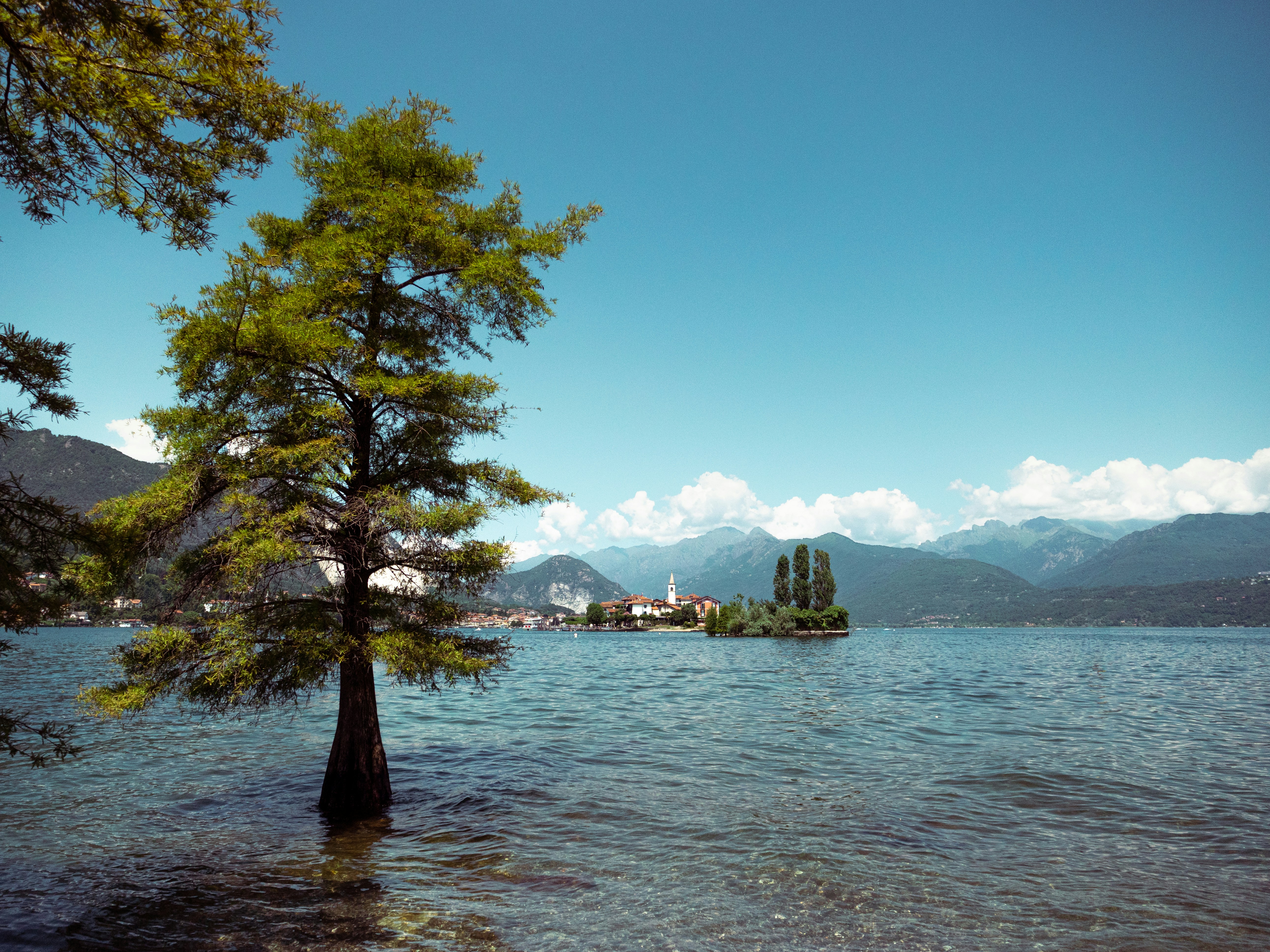
Como has never bothered with beach clubs. It deals instead in villas, boats and a view nobody tires of. A few days on Lake Como or Lake Garda, paired with a short stay in Milan for design, fashion and food, makes for a trip with genuine contrast built into its structure. Verona offers another elegant way in, a beautiful, walkable city of opera, romance and fine food, sitting close enough to Lake Garda that the two combine effortlessly, a couple of nights among Verona's piazzas and amphitheatre followed by several days on the water. Sailing, cycling the lakeside roads, or windsurfing on Garda suit those who want to keep moving, while long boat lunches, villa gardens and golden hour drinks on the water suit those who don't. Further north, Lake Orta offers a quieter, less discovered alternative with the same easy elegance. This is the effortlessly glamorous choice, ideal for a shorter luxury break that still feels like an occasion.
Sweden: cities, islands and archipelagos
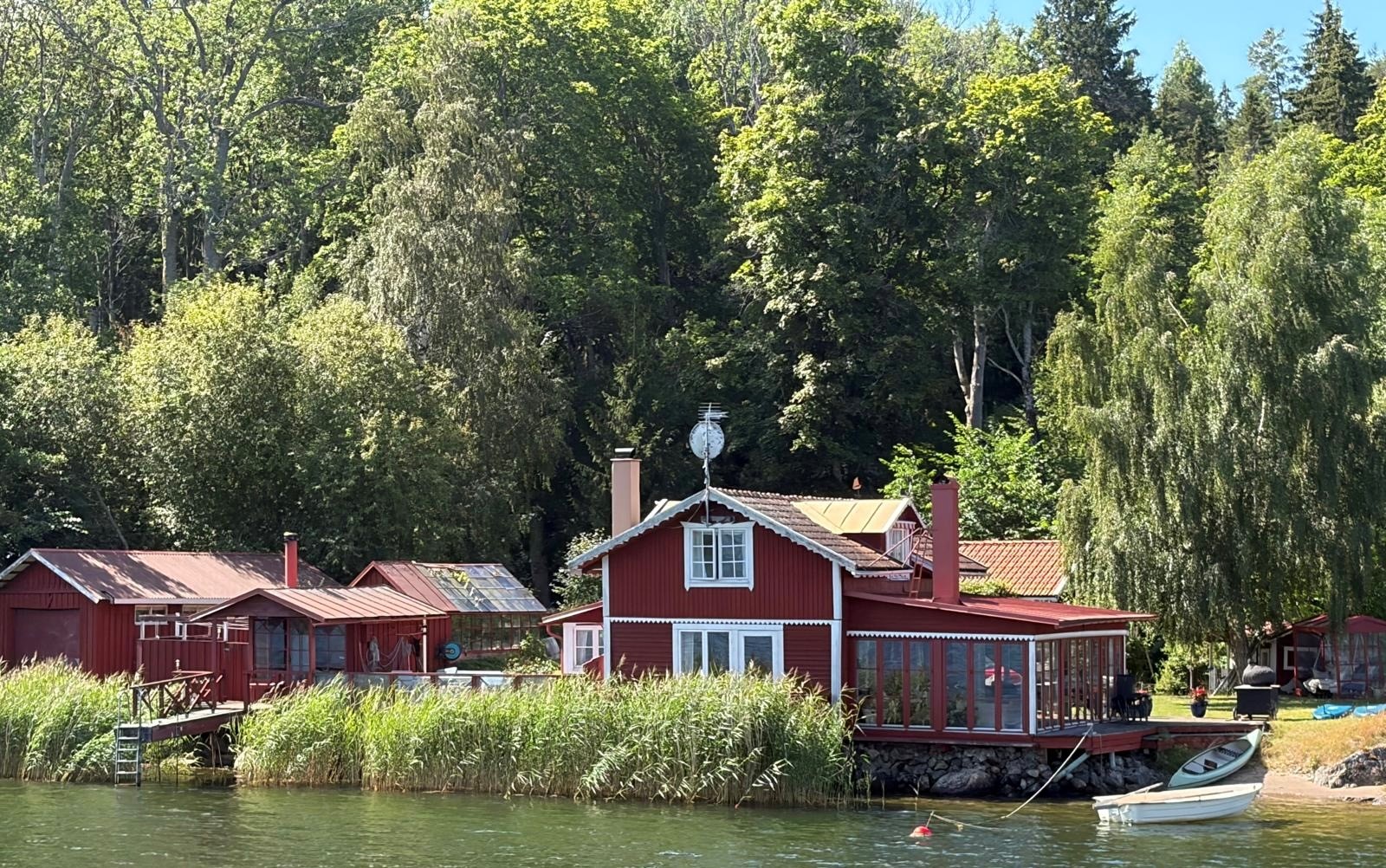
Stockholm is a city built almost entirely around water, which makes it pair naturally with time spent out in its archipelago, tens of thousands of islands within easy reach by boat. Gotland earns a special mention of its own. I recently sent a family there, and their itinerary remains the finest advertisement I could hope for: cycling between fishing villages, kayaking and wild swimming off limestone cliffs on the livelier days, and afternoons spent doing very little beyond reading by the water or wandering the medieval streets of Visby on the quieter ones. Long, light filled evenings turn an ordinary Tuesday into something worth remembering, whichever pace has been chosen that day.
Closer to home: Scotland and Ireland
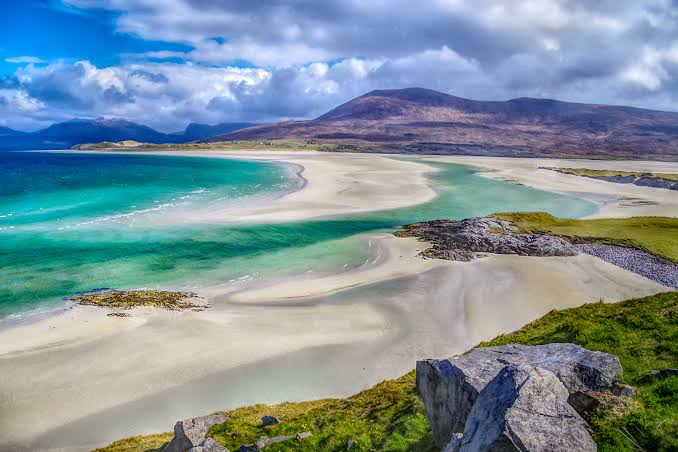
Copenhagen offers the same appetite for city and culture, some of the finest restaurants in Europe, and a harbour clean enough to swim in at the centre of town, best cycled hard by day and enjoyed slowly by night. But it's Scotland and Ireland I want to linger on a little longer, since both are genuinely close to my heart and places I know well, not just from research but from having actually lived and played there. Scotland's Outer Isles offer wild swimming, dramatic coastal walking, and links golf played the same way it has been for four hundred years, while Ireland's Wild Atlantic Way brings its own version of proper adventure, golf on courses that rank among the world's best, and a warmth of welcome that owes nothing at all to the weather. There's enough in both of these to fill a piece of their own, so look out for a dedicated blog on Scotland and Ireland coming soon.
Why this matters
These primeclimelocations are the smart move. They are the ones with uncrowded golf courses, restaurants that don't need booking three months in advance, and a climate genuinely suited to doing something, or nothing at all, rather than simply enduring it. With Southern Europe's peak season trending hotter by the year, these locations begin to look less like an alternative and rather more like the better choice.
If any of this has caught your imagination, I would love to help build the itinerary, city nights and quiet outdoor days in whatever balance suits you best. I can combine wellness and relaxation resorts with golf, hiking, cycling, adventure a bit of culture and of course when the snow comes ski. I work directly with destination management companies, specialist ski and golf agents, hotels, resorts and local tourist boards across all of these regions, which means every primeclimecation I put together is genuinely tailor made, not pulled from a brochure. Get in touch today and let's start planning yours properly.
More pieces are in the works, one on Scotland and Ireland, one on Canada and one on the Arctic and Antarctic for those ready for a proper expedition.