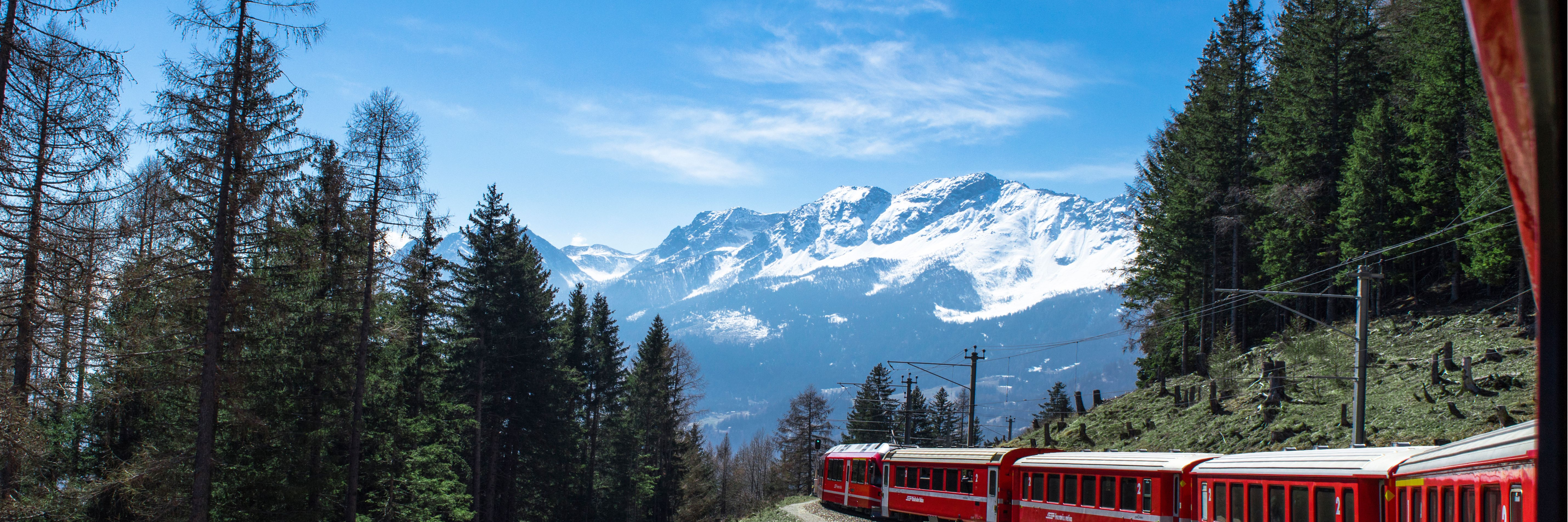
Avoid Long Airport Queues with a Rail Holiday
Over the past couple of years, there has been a real shift in the way people want to travel. It is less about racing through as many cities as possible, and more about taking time to savour the journey. That is exactly where rail holidays come into their own, and why I am recommending them more than ever. Instead of dashing through airports and squeezing into a tiny aircraft seat, rail journeys invite you to slow down. You settle into your seat with a coffee or a glass of wine, watch the scenery change outside your window, and step off the train right in the heart of your destination. It feels unhurried, atmospheric, and very special. From the snow-dusted peaks of Switzerland to the wild beauty of the Canadian Rockies and the dramatic fjords of Norway, some of the world’s most iconic rail journeys genuinely deserve their place on a wish list.
Why Rail Travel Feels So Different
What I love about rail travel, is that it makes the getting there part of the holiday, not just a means to an end.
On a train, the “in‑between” places suddenly matter. You see vineyards sliding past, little villages tucked into hillsides, rivers flashing in and out of view, forests, meadows and mountain passes. Rather than jumping from one airport to another, you actually get a sense of the landscape and how it changes from region to region.
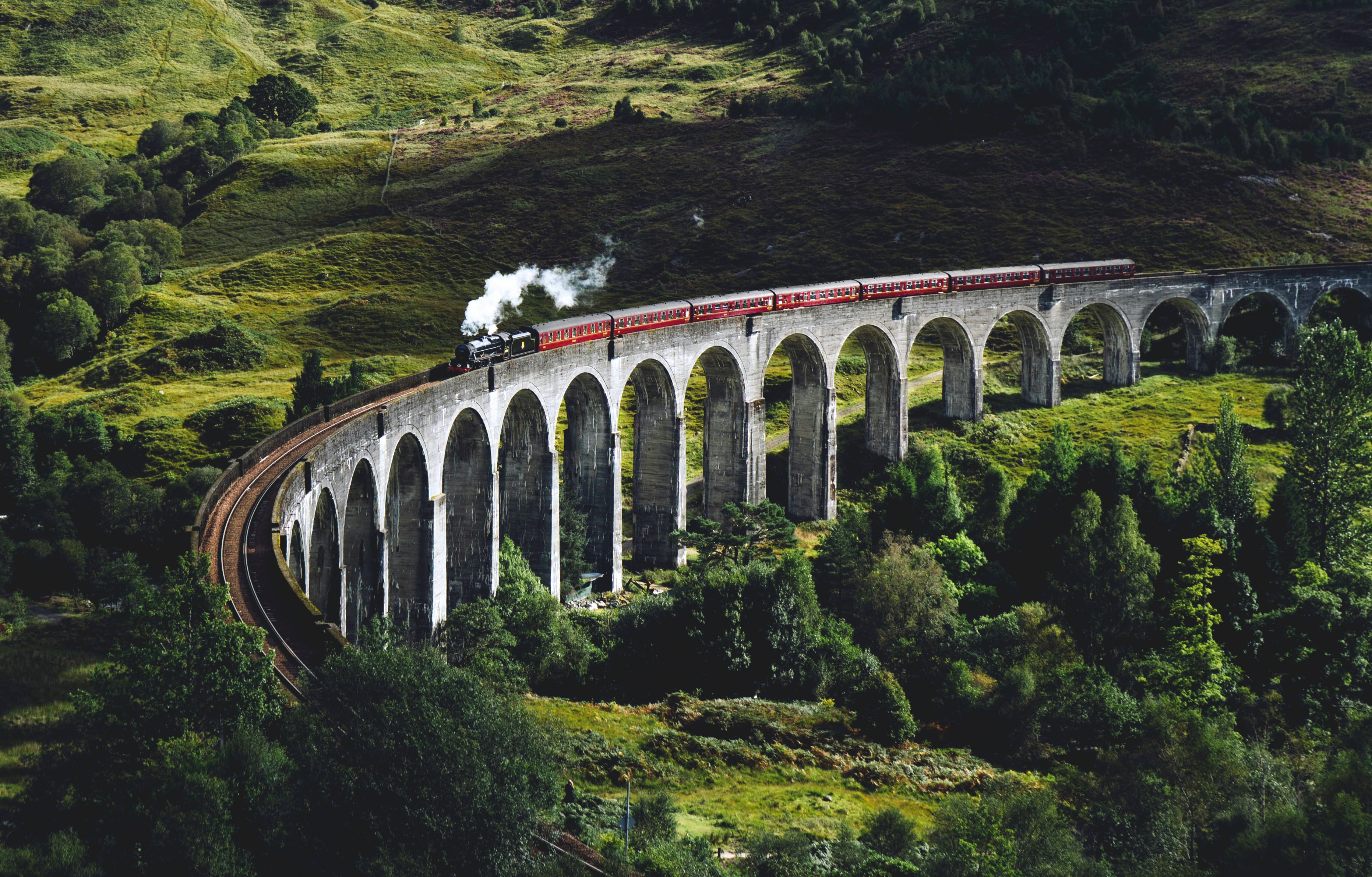
Modern scenic trains add an extra layer of comfort:
- Generous seats and space to move around.
- Panoramic or glass‑domed windows so you do not miss a thing.
- Lounge or dining cars where you can enjoy local food and drink as you travel.
Travel days stop feeling like an endurance test and start feeling like part of the treat. This really appeals to travellers who care more about experiences and memories than shaving an hour off their journey.
What Turns a Train Ride into a “Wow” Journey
Not every rail route is created equal. When I am choosing or suggesting a train journey, I am usually looking for a few key ingredients:
- Big,
dramatic scenery
Think soaring mountain ranges, deep valleys, national parks, fjords or rugged coastlines. The best routes feel wild and remote, with the view changing constantly so there is always something new to look at. - Designed-for-viewing
carriages
Many of the truly special trains have huge windows, sometimes even curved glass roofs, plus dedicated viewing or observation cars. You are not craning your neck for a glimpse, you are wrapped in the landscape. - Impressive
rail engineering
Part of the magic is how these lines were built in the first place. You might cross soaring viaducts, dive in and out of spiral tunnels, or climb gradients that feel impossible. It all adds a sense of drama and history. - Stops
with character and culture
My favourite itineraries combine the scenic journey with time in interesting places along the way: charming towns, lakeside resorts, fjord villages or cities with great food scenes and history. It turns a beautiful train ride into a richer holiday.
When all of these elements come together, the train becomes the “star attraction” rather than just transport.
Three Iconic Scenic Rail Journeys I Love to Recommend
There are dozens of brilliant routes worldwide, but these three are classics for very good reason
Glacier Express, Switzerland
The Glacier Express is regularly described as one of the most scenic trains in the world, and it lives up to the hype.
Running between Zermatt and St. Moritz, it glides right through the heart of the Swiss Alps, crossing hundreds of bridges and disappearing into almost as many tunnels. Along the way you have views of soaring peaks, dramatic gorges, storybook villages and sweeping alpine valleys.
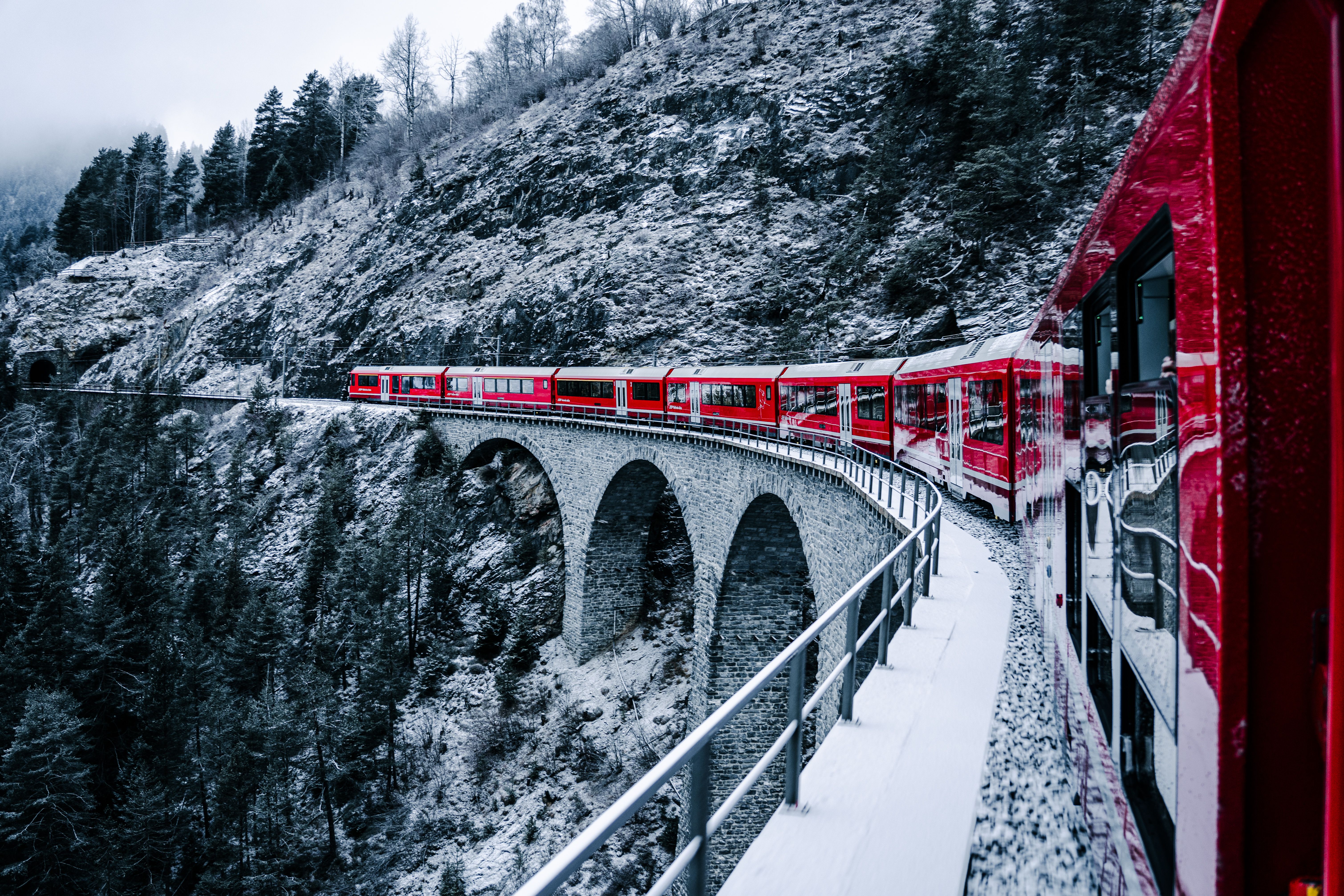
Panoramic carriages give you uninterrupted views, and you can enjoy Swiss specialities from your seat as the scenery keeps changing outside. It is a full‑day journey, but clients always tell me it feels like it passes in a series of “wow” moments rather than hours on a timetable.
Rocky Mountaineer, Canada
If you dream of wild landscapes and big skies, the Rocky Mountaineer through western Canada is a standout.
Travelling through British Columbia and Alberta, it traces rivers, skirts emerald lakes, and winds between jagged peaks and thick forests. There is a real feeling of wilderness, and it is not unusual for guests to spot wildlife such as bears or elk along the route.
The glass‑domed railcars are designed so you can see as much as possible, and the train only moves during daylight. Evenings are spent in comfortable hotels along the way, which gives the whole trip a relaxed, easy rhythm: incredible scenery by day, a proper bed and dinner each night.
Flåm Railway, Norway
For something shorter but incredibly dramatic, I often suggest the Flåm Railway in Norway.
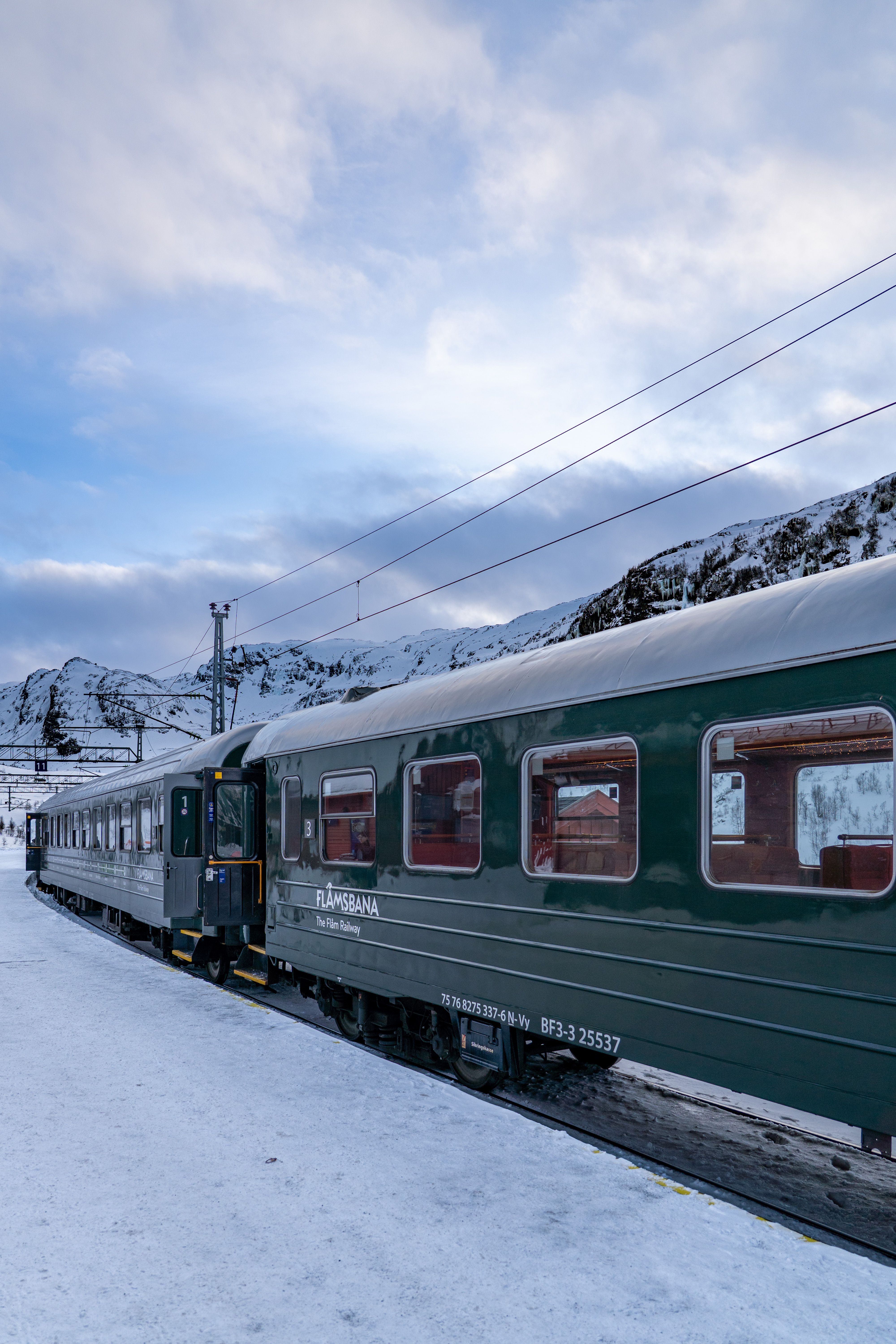
This is a compact yet unforgettable ride between the mountain station of Myrdal and the fjord village of Flåm. In a relatively short distance, the train descends almost 1,000 metres, threading its way through some of Norway’s most striking landscapes.
You pass thundering waterfalls, sheer cliffs, tiny farms clinging to hillsides and lush valleys that open up towards the famous Norwegian fjords. There is even a scenic stop at a waterfall where you can step off and feel the spray. It may be brief, but it leaves a deep impression.
Why Rail Holidays Are Back in Fashion
The growing interest in rail holidays is about more than nostalgia. It lines up with wider changes in how many of us want to travel:
- A
move towards slower, more meaningful trips
Instead of ticking off as many cities as possible, people are asking for itineraries with breathing space. Rail journeys naturally lend themselves to that slower pace. - Wanting
the journey to be part of the story
Rather than “dead time” between places, travellers increasingly want their travel days to be memorable too. Watching a new landscape unfold from your seat achieves exactly that. - Thinking
about sustainability
For those who are conscious of their footprint, rail can often be a more environmentally friendly option than flying or driving long distances. - Comfort
and convenience
No airport queues, no strict hand luggage checks, and you tend to arrive right in the city centre. Modern trains are generally very comfortable, with space to stretch, eat, chat and move around.
Put together, it is easy to see why rail holidays have moved from being a niche idea to something many clients now have firmly on their wish lists.
Is Planning a Rail Holiday Complicated?
It can look a bit daunting when you first start Googling train maps and timetables, especially if you are linking several routes together. That is often where I step in.
A well‑designed rail holiday can combine:
- Iconic train journeys
- Stays in carefully chosen hotels along the route
- Time in each destination to explore properly
- Optional guided tours, lake cruises, fjord excursions, mountain cable cars and more
Everything is joined up so connections make sense, tickets and reservations are in place, and you are not left worrying about logistics in another language.
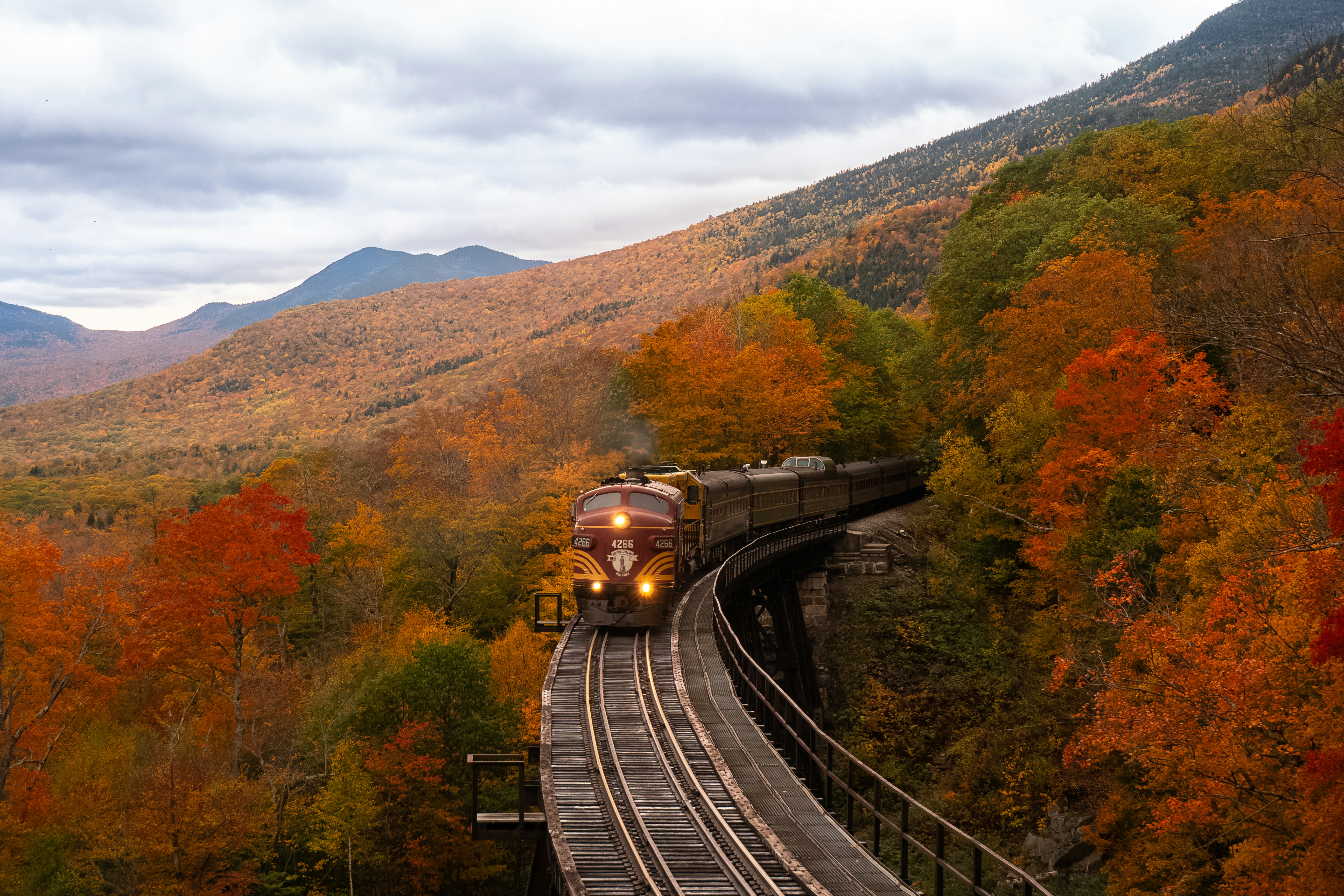
Why the Journey Itself Matters So Much
What keeps drawing people back to rail holidays is that they offer a rare blend: exciting and scenic, yet soothing and unhurried.
You move through landscapes rather than just flying over them. You roll into the heart of cities rather than arriving miles outside. You see the places in between your “big” stops instead of skipping over them.
Whether you are crossing the Swiss Alps, gliding alongside the Canadian Rockies or weaving your way down towards a Norwegian fjord, rail travel gives you a different perspective on the world: more intimate, more connected and often surprisingly emotional.
If you are craving something memorable, immersive and just a little bit magical for a next trip, this might be the moment to start thinking about a rail holiday.