Tuscan Road Trip: Castles, Hilltop Villages & Coastal Surprises
Tuscany is one of those places that manages to be every bit as magical as you imagine, yet still full of surprises when you see it first‑hand. On my recent trip I combined a family wedding, a few carefully chosen bases and some relaxed driving to explore castles, medieval hill towns, spa villages and even the Tuscan coast. This blog brings together both parts of that journey as a complete road‑trip idea, and should give you a feel for what a tailor‑made Tuscan itinerary can look like in real life.
A Castle Wedding in the Tuscan Hills
The trip began with something very special: a wedding just above Florence at Castello del Trebbio, a historic castle surrounded by vineyards and olive groves in the rolling hills of Chianti Rufina.
Set high above the countryside, the castle looks out across an almost 360‑degree panorama of vine‑covered slopes and silvery olive trees. Within the estate are villas and apartments that work perfectly for families or groups, including the one we used as a base: a 4–5 bedroom villa with its own private pool, outdoor dining area and even a wood‑fired pizza oven. It is exactly the kind of place where you can stock the fridge, cook together, sit out late into the evening and really settle into Tuscan life.
One of the highlights was a guided tour of the castle and its cellars. Hearing the story of how the property came into the family’s possession, and the history that came before, adds a completely different dimension to the stay. The evening finished with a wine tasting and a typical Tuscan buffet, which was every bit as good as it sounds.
Montecatini Terme: Classic Spa Town Start
Before heading to the castle, we spent time in Montecatini Terme, which made an excellent starting point.
Montecatini Terme is a classic Italian spa town roughly midway between Pisa and Florence, and within easy reach of Lucca. It is known for its grand thermal complexes, elegant Art Nouveau architecture and leafy parks. Being so well placed for several key Tuscan cities, it works very well as a base if you want to mix day trips with downtime.
We stayed at Hotel Da Vinci and kept our first afternoon and evening deliberately simple: a gentle wander through the thermal park, coffee stops and an early taste of spa‑town life.
Montecatini Alto by Funicular
From Montecatini Terme, a historic funicular railway runs up the hillside to Montecatini Alto, the original medieval village perched above the town.
The ride itself is part of the charm: wooden‑panelled carriages trundling slowly up the slope with the views opening out below. At the top you find a cluster of narrow streets, stone houses and a central square framed by restaurants and cafés.
We had a beautiful evening here with dinner at APOGEO, a restaurant that really highlights why it is worth straying from the obvious tourist choices:
- Local, seasonal dishes,
- Great value for money,
- And a genuinely warm welcome.
All of this came with long views back down over Montecatini Terme and the wider Tuscan landscape as the sun went down.
Hilltop Villages and Small‑Town Tuscany
The next morning, after breakfast, we hit the road. One of the great advantages of a Tuscan road trip is being able to link well‑known destinations with smaller, more authentic stops.
Our first pause was in the hilltop village of Tobbiana, about 40 minutes’ drive from Montecatini. It is exactly the kind of place that rarely makes it into guidebooks but feels wonderfully real: a small cluster of stone buildings, quiet lanes, a bar for coffee or refreshments, and wide‑ranging views across the hills.
Later we stopped in Sieci, a little town not far from Florence, to have lunch and stock up the fridge before reaching the villa near Castello del Trebbio. Away from the big sightseeing centres, the difference in price is striking: you still enjoy excellent food and generous hospitality, but at a fraction of the cost of the major hotspots.
These smaller villages and towns are what give a route its texture. They break up the driving, introduce you to everyday Tuscan life and offer exactly the sort of cafés, trattorias and viewpoints that independent travellers remember long after the famous monuments.
Casciana Terme Lari & Villa Borri Terme: Countryside Base
After the wedding celebrations at Castello del Trebbio, we were able to extend our time in Tuscany and move to a different area for the final few nights, this time basing ourselves in Casciana Terme Lari.
Casciana Terme Lari is a charming spa village set amidst rolling hills and vineyards. Think a small central square, local bars and gelaterias, traditional shops and that slow, unhurried rhythm that Tuscany does so well. It is less about sightseeing and more about soaking up the atmosphere between day trips.
We stayed at Villa Borri Terme, a complex of spacious apartments created around historic thermal buildings. This worked particularly well because:
- The apartments offered plenty of space to spread out.
- There was the flexibility to self‑cater, ideal when you want some easy evenings “at home”.
- The location put us just a few minutes’ walk from the village centre and its thermal facilities.
It is a very good model for clients who want to explore by car but return to a peaceful, comfortable base rather than a busy city hotel.
Florence: Classic Beauty
On the way to Casciana Terme Lari we spent time in Florence, and even when you know what to expect, it still takes your breath away.
The Duomo is simply extraordinary up close: the scale, the intricate detail of the façade and the dome dominating the skyline. You can easily spend hours just wandering the side streets around the cathedral, stumbling upon small churches, hidden piazzas and quieter corners.
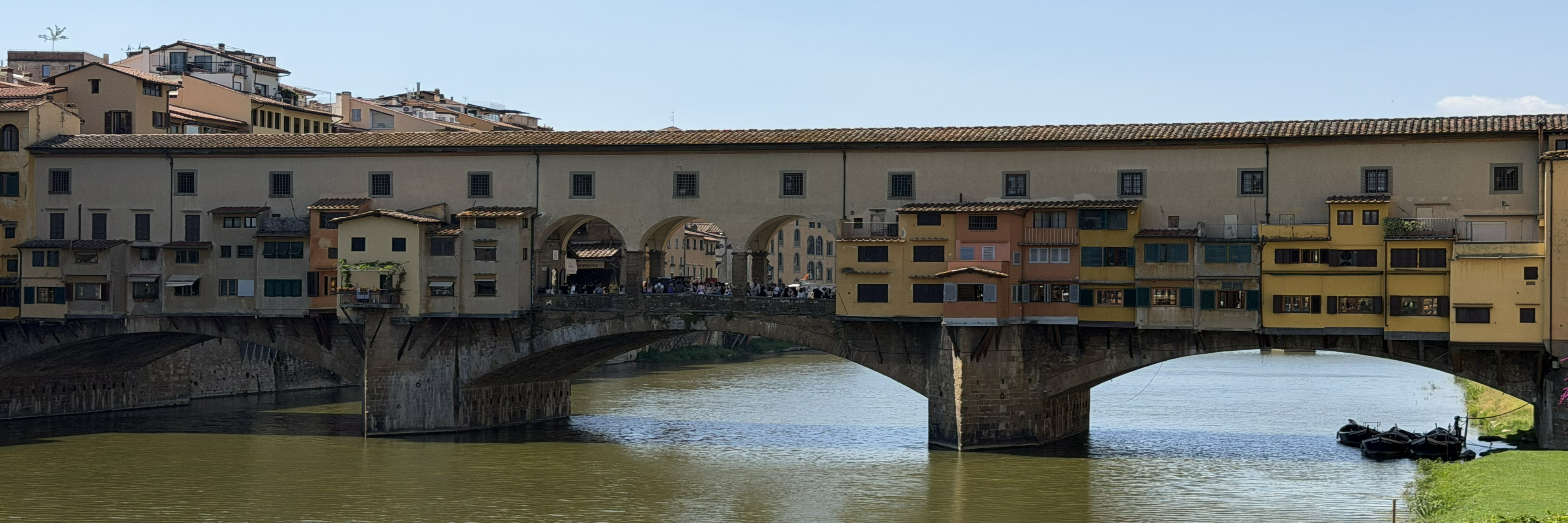
A walk across the Ponte Vecchio, Florence’s famous medieval bridge lined with jewellery shops, is a must. From certain angles you get that perfect combination of the river, old buildings and the city’s rooftops that have helped make Florence so iconic.
Pisa, Lucca & Marina di Pisa: A Perfect Day Loop
One of our most satisfying days combined several very different places into a single loop, made possible by having the car.
Pisa
We began in Pisa to see the Leaning Tower and the monuments of the Campo dei Miracoli. It is touristy, of course, but for good reason. The Tower, cathedral and baptistery together are an impressive sight, and the views when you step back and take it all in are fantastic.
Yes, the obligatory “holding up the tower” photos were taken, and they are great fun.
Lucca
From Pisa we drove on to Lucca, which has an entirely different feel. Lucca is a charming walled city where the broad Renaissance walls have become a continuous, tree‑lined path that circles the historic centre. People walk, cycle and jog along them, with views over the rooftops and gardens below.
Inside the walls you find narrow cobbled streets, elegant churches, atmospheric squares and plenty of cafés and gelaterias. A particular highlight is Piazza dell’Anfiteatro, an oval piazza built on the site of a Roman amphitheatre, now ringed with colourful buildings and restaurant terraces. Lucca feels lived‑in and relaxed, making it a pleasure just to wander.
Marina di Pisa
We ended the day at Marina di Pisa, a small coastal town where the River Arno finally meets the sea. Here the feel is very different again: a seafront promenade, rocky and small sandy beaches, bathing establishments, and views across the water to the distant islands on a clear day.
It was the perfect place for an evening walk by the sea and a drink as the sun went down, rounding off a day that had taken us from iconic monuments to quiet city streets and finally to the coast.
Driving vs Rail: Which Works Best?
One of the questions clients often ask is whether they should drive in Tuscany or rely on public transport.
On this trip, driving worked extremely well:
- The roads between the main towns and cities were straightforward to navigate.
- Having the car made it easy to link smaller villages and countryside bases with big‑name destinations.
- It gave us the freedom to stop spontaneously in places like Tobbiana and Sieci.
However, driving is not the only way to do it. The Italian rail network is excellent for connecting the major attractions: Florence, Pisa and Lucca can all be reached easily by train, and you can design a very comfortable itinerary that avoids driving altogether, especially if you prefer to stay in cities and make day trips by rail.
The best approach depends on your style: some people love the flexibility of the car and staying in villas or countryside apartments, while others prefer the simplicity of trains and central hotels.
Planning Your Own Tuscan Itinerary
What this trip really reinforced for me is how rewarding a tailor‑made approach can be in Tuscany. By mixing:
- A castle stay in the hills,
- Time in a spa town like Montecatini Terme,
- A countryside base such as Casciana Terme Lari,
- And day trips to Florence, Pisa, Lucca and the coast,
you can experience several very different sides of Tuscany in a single holiday, without ever feeling rushed.
If a Tuscan road trip (or rail‑based adventure) appeals to you, I would be delighted to help you plan it:
- Choosing bases that suit your pace and budget,
- Working out realistic driving times and routes,
- Suggesting wineries, villages and viewpoints to weave in along the way,
- And matching you with villas, apartments or hotels that fit the way you like to travel.
Whether you are thinking about a romantic escape, a small‑group celebration or a family holiday, Tuscany lends itself beautifully to a bespoke itinerary.
If you would like to start exploring ideas, please get in touch and I will be happy to design something personal to you.