20 Cities To Visit Before They Become Too Popular
Discover 20 emerging city break destinations to visit before everyone else: from Tbilisi, Kotor and Sarajevo to Bologna, Lecce, Gdańsk, Funchal and more. Find out why to go now, when to travel, and what to see, eat and experience.
20 cities to visit before they become too popular
If you love the feeling of discovering somewhere just before everyone else does, this guide is for you. These cities are full of character, history and fantastic food, yet still feel refreshingly real compared to the big‑name hotspots.
Expect cobbled old towns, cool street art, friendly locals, excellent value for money and the sense that you have arrived slightly ahead of the curve.
Cities featured:
Tbilisi, Kotor, Budva, Yerevan, Bucharest, Tirana, Gjirokastër, Berat, Rimini,
Bologna, Lecce, Plovdiv, Sarajevo, Mostar, Ljubljana, Gdańsk, Funchal, Ohrid,
Split, Zadar.
Perfect for:
Empty‑nest couples, 40–60 professional couples, solo travellers, families with
children aged 5+, and specialist interest groups (food & wine, history,
photography, walking and more).
Why and when to go: the big picture
Before we dive into the individual cities, here is how they tend to work best.
Weather: when these cities really shine
Most of these destinations are at their best in spring (April–June) and autumn (September–October), when you can enjoy comfortable temperatures, long days and fewer extremes.
- Warm
but not scorching:
Tbilisi, Yerevan, Ohrid, Plovdiv and Bucharest are lovely from April to June and again in September and October. Summer can be very hot inland, so shoulder seasons are ideal for sightseeing and café‑hopping. - Sea‑and‑city
weather:
Kotor, Budva, Split and Zadar work beautifully in May–June and September, plus early October if you would like milder sea swimming and beach time without peak‑season crowds. - Gentle
city strolling:
Ljubljana, Gdańsk, Rimini, Bologna and Lecce are great from April into June and again in autumn, with mild to warm days and cooler evenings. These are very comfortable times for walking tours and outdoor dining. - Year‑round
mildness:
Funchal (Madeira) enjoys a spring‑like climate for much of the year. March–June and September–November are especially nice, with lush greenery and good walking conditions.
For families with children aged 5+, late spring half‑term and early autumn often offer the best balance of weather, prices and atmosphere.
What there is to see and experience
These cities are ideal if you enjoy a mix of history, local life, relaxed exploring and easy day trips.
Culture, history & atmosphere
- Tbilisi,
Yerevan, Sarajevo, Mostar, Bucharest
Layers of history, striking architecture and a strong café culture. You will find atmospheric old quarters, orthodox churches and mosques, thought‑provoking museums and plenty of places to pause for coffee or a glass of local wine. - Gjirokastër,
Berat, Plovdiv, Ohrid
These are the storybook towns: cobbled streets, stone houses, hilltop castles and sweeping valley or lake views. They are perfect for slow wandering, photography and small group walking tours. - Ljubljana,
Gdańsk, Funchal
Compact, pretty and very walkable. Think riverside or harbour promenades, bridges, markets, museums and street cafés. Ideal for couples, solos and families who like an easy pace with lots of little discoveries. - Kotor,
Budva, Split, Zadar, Rimini
A lovely balance of urban character and coastal scenery. Wander old streets in the morning, then head to the seafront, take a boat trip or simply enjoy the sea air. Great for families and groups who want both culture and relaxation. - Bologna,
Lecce, Tirana
Big on local life and food. Expect markets, trattorias, wine bars, street art, colourful buildings and a young, creative feel in many neighbourhoods.
Great for specialist interests
- Food & wine: Bologna, Lecce, Rimini, Tbilisi, Plovdiv, Gjirokastër, Berat, Funchal, Split.
- History & politics: Sarajevo, Mostar, Bucharest, Tirana, Yerevan, Gdańsk.
- Photography & art: Kotor, Mostar, Ohrid, Ljubljana, Plovdiv, Gdańsk, Zadar.
- Walking & nature add‑ons: Funchal, Ohrid, Kotor/Budva (coast and mountains), Split/Zadar (islands and national parks).
For families, the stand‑out options are cities with car‑free centres, open spaces and simple day trips, such as Ljubljana, Gdańsk, Funchal, Split, Zadar and Bologna.
How busy is it really?
One of the biggest reasons to go now is the balance between atmosphere and crowd levels.
- On
the radar, but not overrun:
Ljubljana, Split, Kotor, Bologna and Funchal are increasingly popular, yet they still feel calm compared to Europe’s busiest cities. Choose spring or autumn and you will get plenty of buzz without feeling overwhelmed. - Genuinely
under the radar for many travellers:
Tirana, Gjirokastër, Berat, Plovdiv, Ohrid, Yerevan and often Gdańsk or Zadar still surprise visitors. You are far more likely to find yourself surrounded by locals in cafés and restaurants than by big tour groups. - Day‑trip
busy, evening calm:
Kotor, Mostar and parts of Split and Zadar can be lively when cruise ships or coach tours arrive. By staying in these cities, you are rewarded with quieter mornings and evenings, when the streets and waterfronts feel much more relaxed.
If you prefer somewhere lively but not packed to the point of stress, these cities hit a very nice middle ground.
Food, drink & seasonal flavours
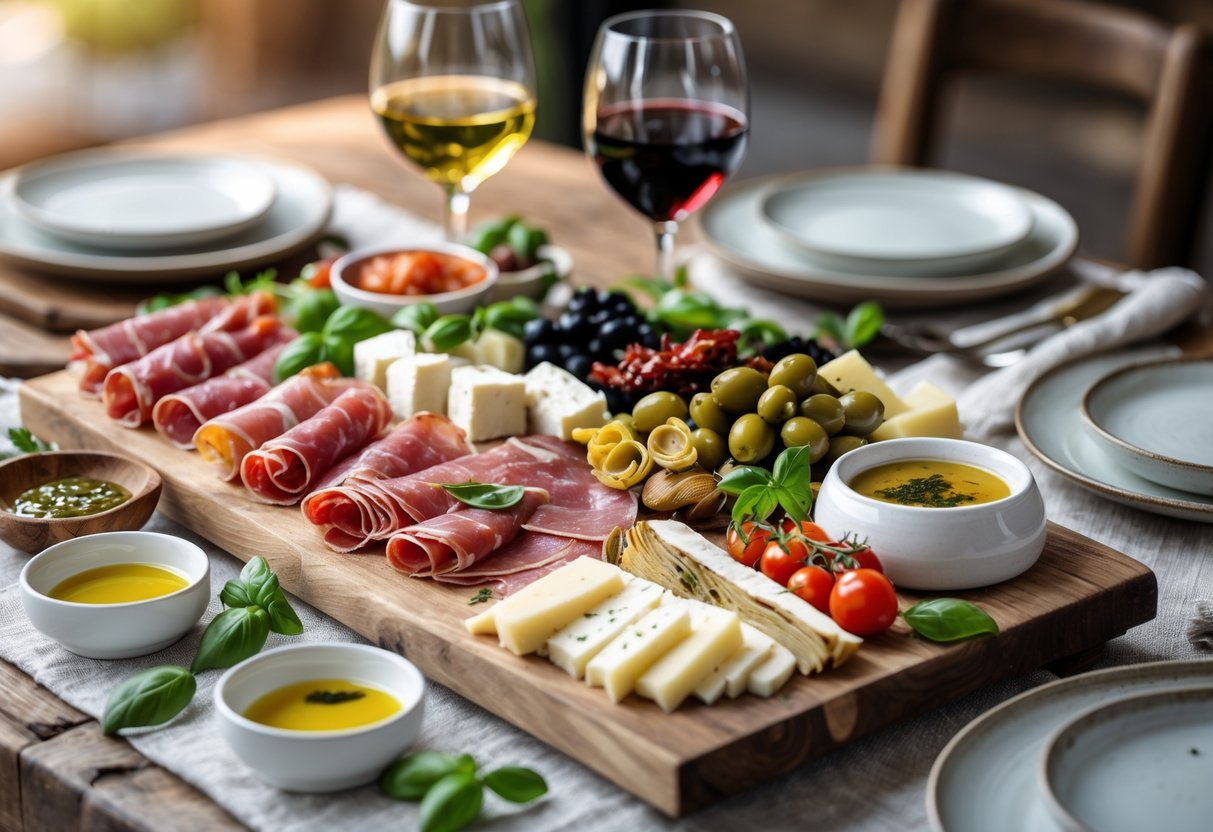
A huge part of the appeal is the distinct local food and drink that has not yet been completely reshaped for mass tourism.
- Italy with a twist: Rimini, Bologna, Lecce
- Bologna: famous for pasta, cured meats, ragù and proper trattoria cooking.
- Lecce: baroque beauty with southern Italian flavours, seafood and Puglian wines and olive oils.
- Rimini: combines Emilia‑Romagna’s food heritage with Adriatic seafood and a relaxed seaside feel.
- Balkans & Adriatic: Kotor, Budva, Split, Zadar, Sarajevo, Mostar, Tirana, Gjirokastër, Berat, Ohrid
- Expect grilled meats, fresh fish, local cheeses, baked pastries and big salads.
- Mixes mountain and coastal influences on the same menu.
- In Sarajevo and Mostar you will also find strong coffee, baklava‑style sweets and other Ottoman‑inspired flavours.
- Eastern flavours and wine: Tbilisi, Yerevan, Plovdiv, Bucharest
- Georgia and Armenia: renowned for ancient wine‑making traditions and generous shared dishes.
- Bulgaria and Romania: a mix of Balkan, Ottoman and European influences, with hearty stews, grilled dishes and local wines that often feel like very good value.
- Coastal and ocean‑fresh: Gdańsk, Funchal, Split, Zadar, Rimini
- Seafood is a highlight: grilled fish, octopus, shellfish and harbourside restaurants.
- Funchal adds tropical fruit, Madeira wine and dishes that make the most of volcanic soils and sea air.
Seasonal note:
- Spring and autumn often bring fresh greens, herbs and local produce, along with lighter dishes that suit warm days and cooler nights.
- Late summer and early autumn are excellent for harvests and wine festivals, richer comfort food and cosy evening meals.
Why visit soon?
These destinations are at a “sweet spot” in their evolution:
- Becoming easier to reach with more direct UK flights and better connections.
- Offering a growing choice of stylish small hotels and guesthouses.
- Still feeling authentic, good value and largely shaped by locals, not mass tourism.
Reasons to consider going in the next few years:
- Tourism
is growing each season
You will see names like Ljubljana, Split, Kotor, Bologna, Funchal and Tbilisi appearing more often in travel magazines and online. As awareness grows, so do crowd levels and peak‑season prices. - The
best small hotels get booked first
Charming guesthouses, boutique hotels and characterful apartments are limited. Booking earlier gives you the best choice of location, style and budget. - You
can still enjoy a local feel
Visiting now means more places where you can sit in a café or bar and be surrounded by locals, not just other visitors. It is easier to strike up conversations and get a feel for everyday life. - You
support positive, sustainable growth
Choosing local guides, family‑run accommodation and independent restaurants helps these cities grow in a more balanced, community‑friendly way. - The timing suits your travel style
- Empty‑nest and 40–60 professional couples can travel in quieter shoulder seasons.
- Families with children aged 5+ can combine castles, boats and ice‑cream with manageable walking.
- Solo travellers and specialist groups benefit from a growing range of tours and experiences without the crush of the most famous city‑break destinations.
City snapshots: a quick taste of each
A short flavour of what you can expect in each city:
- Tbilisi, Georgia: Sulphur baths, crooked balconies, wine bars and a creative food scene.
- Kotor, Montenegro: Dramatic bay, medieval walls, mountain views and romantic evenings once the day‑trippers leave.
- Budva, Montenegro: Stone old town, beaches and a lively but manageable nightlife.
- Yerevan, Armenia: Pink‑stone architecture, squares, art, museums and a backdrop of Mount Ararat on clear days.
- Bucharest, Romania: Belle Époque buildings, leafy parks, cool cafés and a bit of gritty charm.
- Tirana, Albania: Colourful buildings, buzzy cafés, mountains on the horizon and a sense of a city reinventing itself.
- Gjirokastër, Albania: Steep cobbled streets, stone houses, a fortress and big valley views.
- Berat, Albania: Whitewashed houses stacked above the river, vineyards nearby and a very romantic feel.
- Rimini, Italy: Roman remains, charming streets and easy access to the beach.
- Bologna, Italy: Porticoes, piazzas and some of Italy’s very best food.
- Lecce, Italy: Southern baroque beauty, golden stone and laid‑back piazza life.
- Plovdiv, Bulgaria: Roman amphitheatre, colourful houses, cool districts and plenty of vantage points.
- Sarajevo, Bosnia & Herzegovina: Ottoman bazaars, Austro‑Hungarian streets and living history everywhere you look.
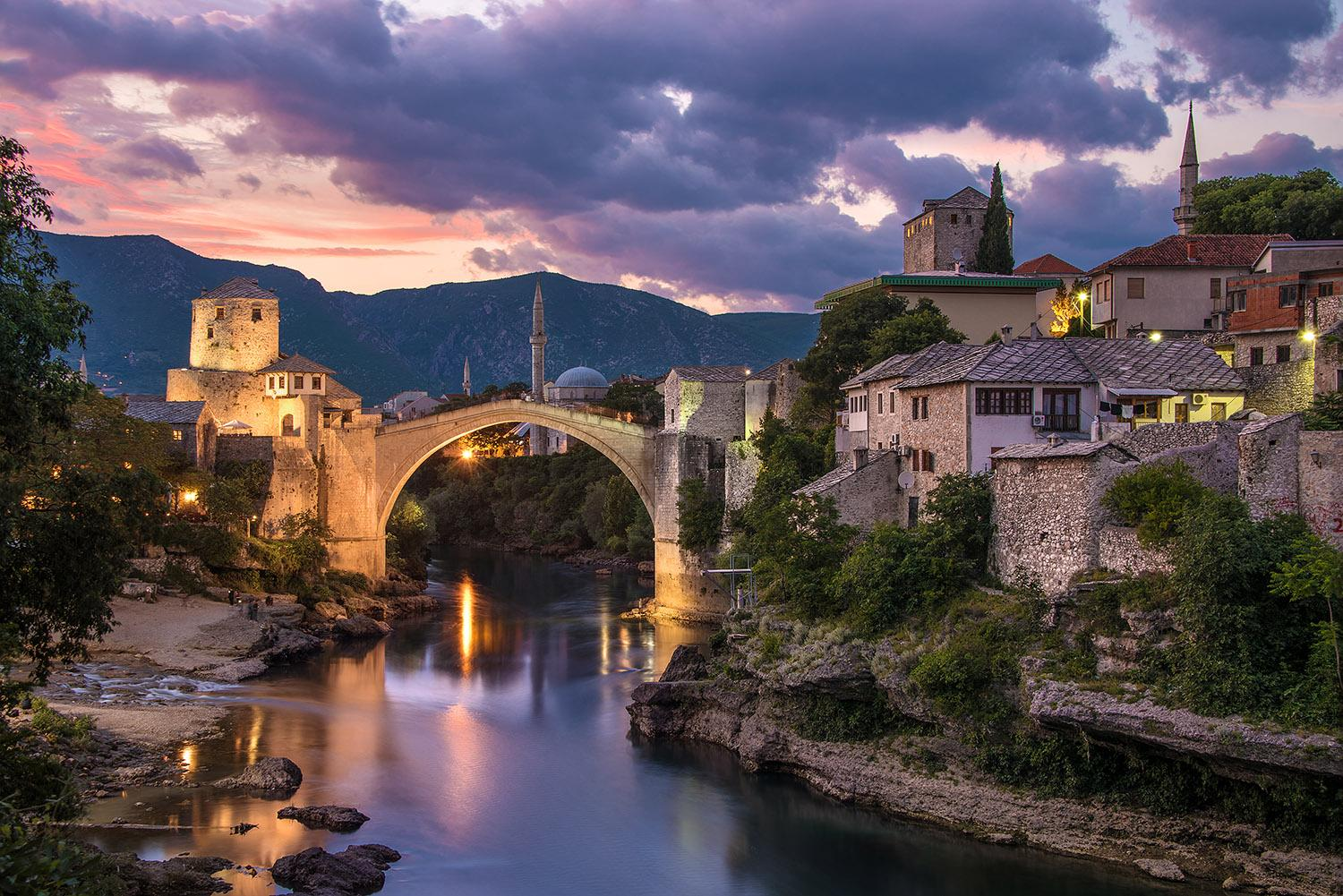
- Mostar, Bosnia & Herzegovina: Iconic bridge, turquoise river and a magical atmosphere in the early morning and evening.
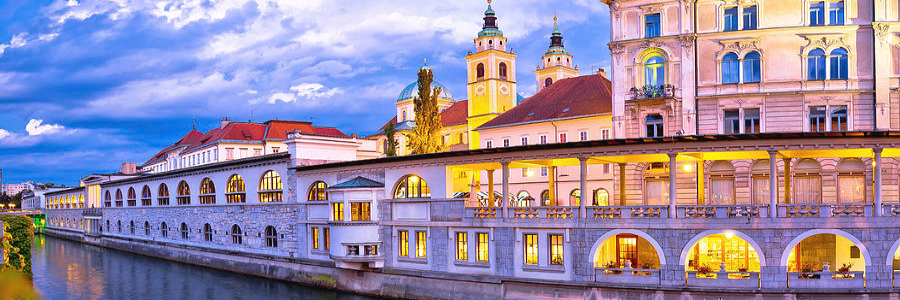
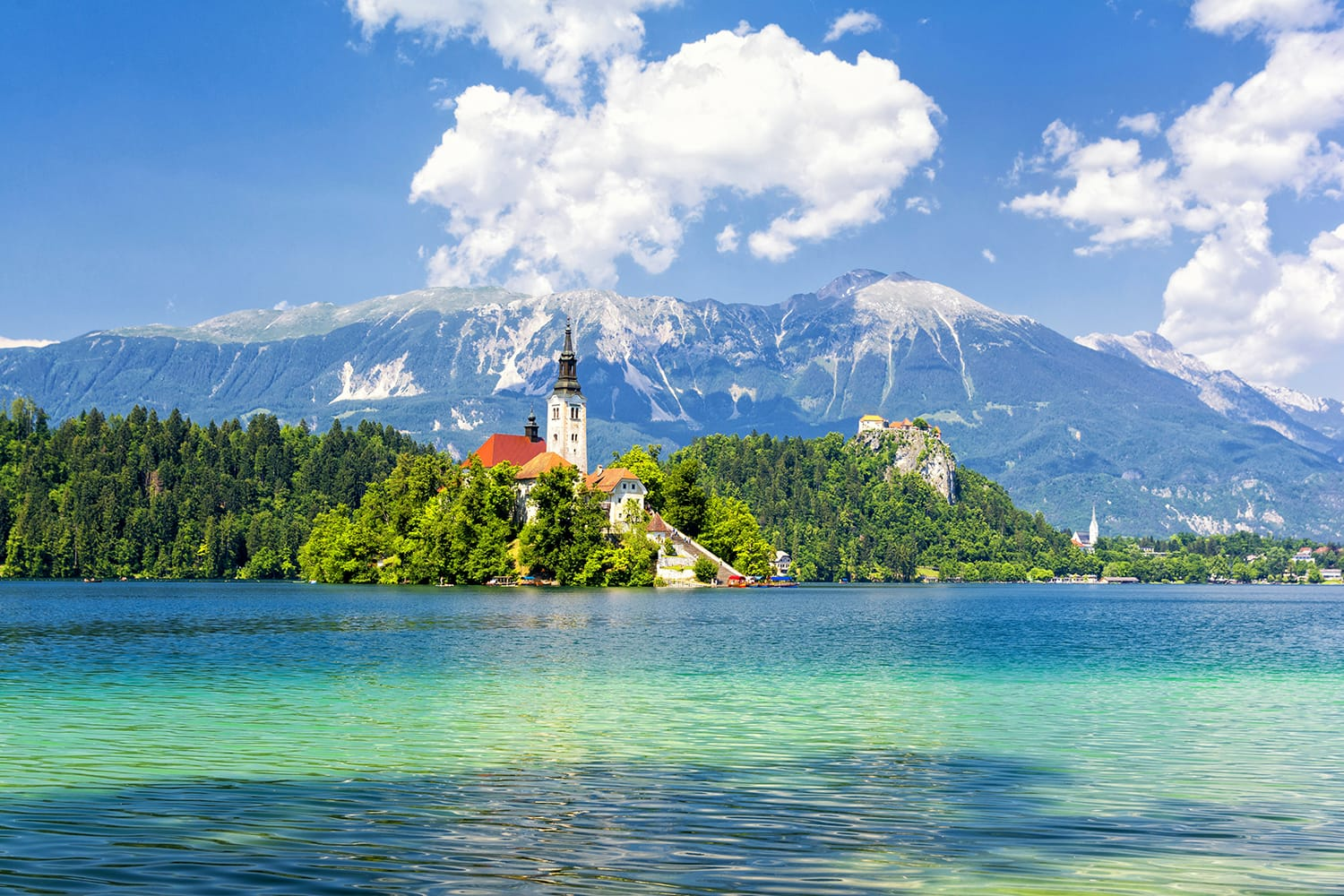
- Ljubljana, Slovenia: Riverfront cafés, a castle on a hill and a wonderfully green, relaxed capital.
- Gdańsk, Poland: Colourful façades, harbourfront walks and important 20th‑century history.
- Funchal, Madeira, Portugal: Ocean views, cable cars, gardens, wine and easy access to island walks.
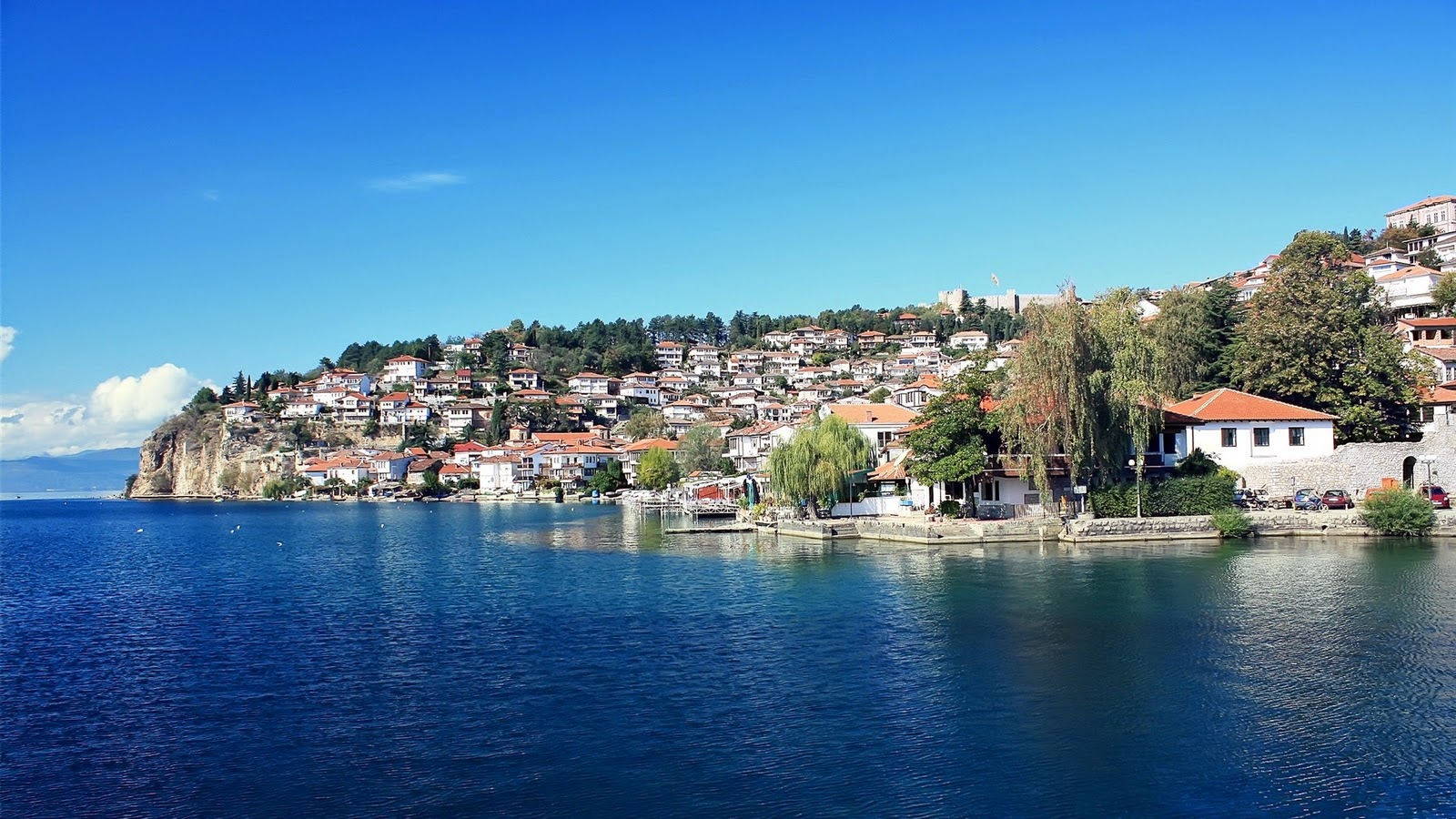
- Ohrid, North Macedonia: Lakeside promenades, clifftop churches and a very relaxed, romantic vibe.
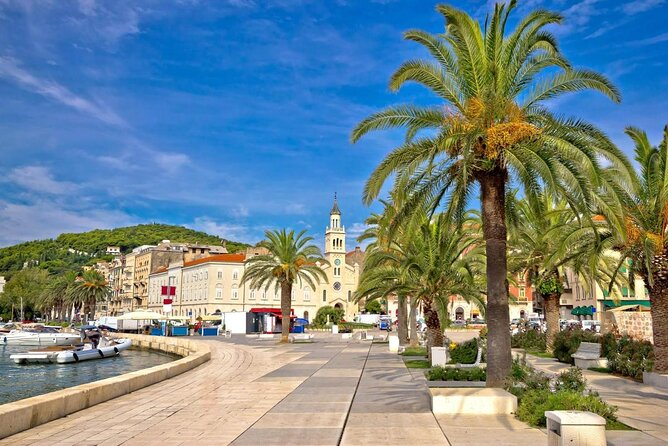
- Split, Croatia: Roman palace at its heart, waterfront Riva, islands and national parks within easy reach.
- Zadar, Croatia: Roman and Venetian ruins, stunning sunsets and quirky installations like the Sea Organ.
When is the right time for you?
- Couples (empty nesters and 40–60s):
- Aim for April–June or September–October for comfortable weather and a relaxed feel.
- Consider wine‑focused or food‑themed trips in Bologna, Lecce, Funchal, Tbilisi or Plovdiv.
- Solo travellers:
- Ljubljana, Bologna, Gdańsk, Funchal, Split and Zadar are great for walkability, café culture and group tours.
- Tbilisi, Sarajevo, Tirana and Yerevan suit more confident solos who enjoy “off‑piste” destinations.
- Families with children 5+:
- Look for cities with car‑free centres, castles, viewpoints and boat trips: Ljubljana, Gdańsk, Funchal, Split, Zadar and Kotor are especially good.
- Late spring and early autumn can be kinder on little legs than high‑summer heat.
- Specialist interest groups:
- Food & wine: Bologna, Lecce, Funchal, Tbilisi, Plovdiv, Berat and Split.
- History & culture: Sarajevo, Mostar, Bucharest, Tirana, Yerevan, Gdańsk.
- Photography & landscapes: Kotor, Mostar, Ohrid, Ljubljana, Funchal, Split and Zadar.
Ready to discover somewhere before everyone else?
The secret is slowly getting out about these cities, and with each passing year they become a little busier and more talked‑about. If one (or several) has caught your eye, this is a great time to start planning.
Book early and you will have the pick of the most characterful small hotels, the best flight times and the right season for the kind of trip you want: whether it is a food‑focused weekend, a family adventure, a solo escape or a special‑interest group trip.
When you are ready, get in touch and I will help you choose the right city or combination, the best time of year for you, and put together a tailor‑made itinerary so all you have to do is turn up and enjoy exploring somewhere special before it becomes the next big thing.