Kerala: From Plant to Cup, Farm to Fork
Kerala
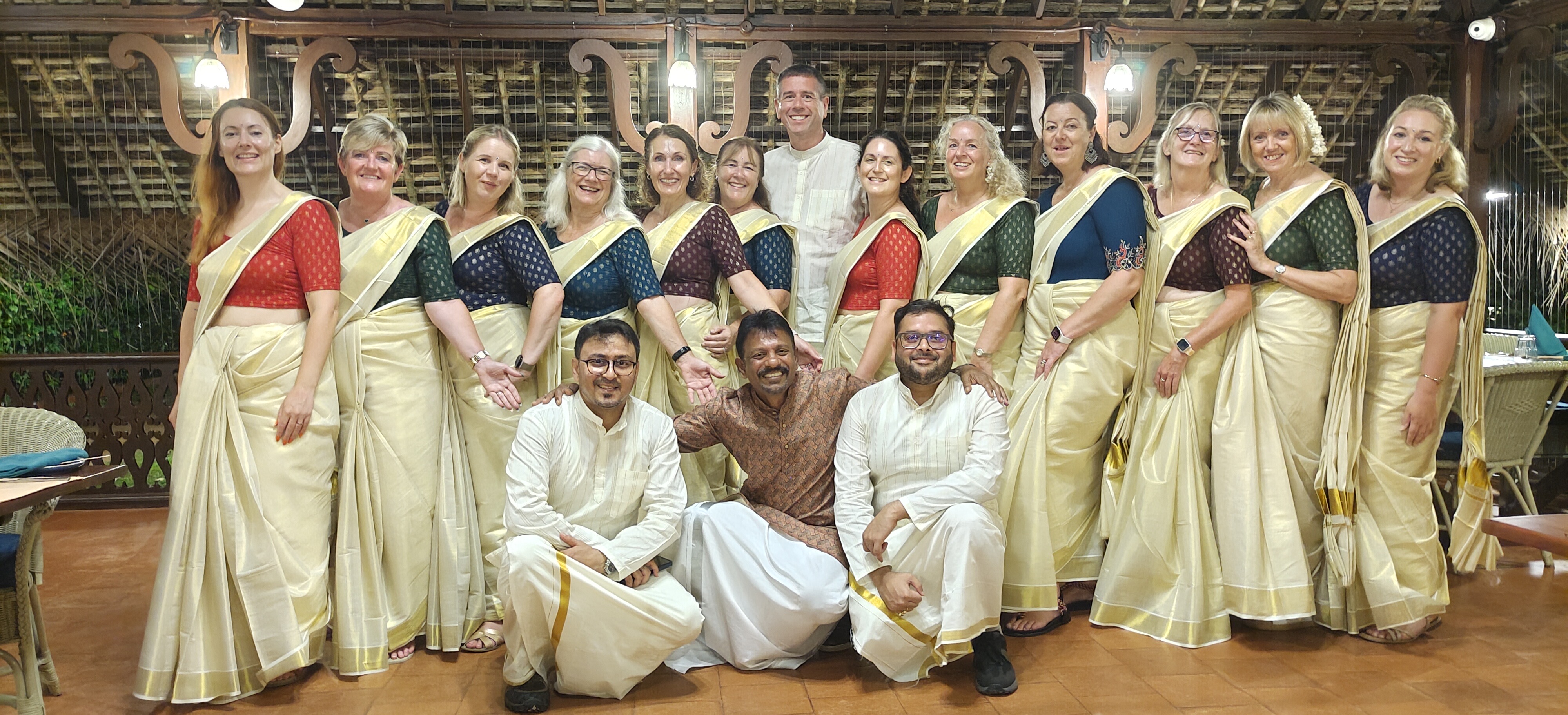
Kerala had been on my wish list for years: a place of emerald hillsides, tranquil backwaters and spice‑scented air. When I finally travelled there this sunny September with my fellow Travel Counsellors, it was on a multi‑centre journey that stitched together some of the state’s most atmospheric stays: boutique heritage in Kochi, tea‑clad mountains in Munnar, spice country in Kumily, the serene backwaters of Kumarakom, and the soft sands of Marari Beach. Each stop wove a different thread into the tapestry, but one theme ran through it all: a deep respect for nature and community, brought to life through the sustainability ethos of CGH Earth hotels.
Kochi: Stories by the Water at Brunton Boatyard
My journey began in Kochi, where the Arabian Sea meets centuries of maritime history. I stayed at Brunton Boatyard, Cochin, a beautifully restored harbourfront hotel that feels as if it has grown out of the quay itself. High ceilings, whirring fans and antique furniture set the scene, while the scent of the sea drifts in on the breeze.
Exploring Old Kochi was like walking through a living museum of traders and travellers. I wandered past Dutch and Portuguese buildings, spice warehouses and the famous Chinese fishing nets, pausing for strong South Indian coffee in shady courtyards. Yet even in the middle of the city, there was a sense of calm that set the tone for the rest of the trip.
Back at Brunton Boatyard, conversations with the in‑house naturalists introduced me to CGH’s philosophy: low‑impact construction, rainwater harvesting, local sourcing and a genuine commitment to employing and empowering local communities. It was the first hint that this would be more than a product learning trip, it would be an immersion in a way of life.
Munnar: Among the Tea Gardens at Windermere Estate
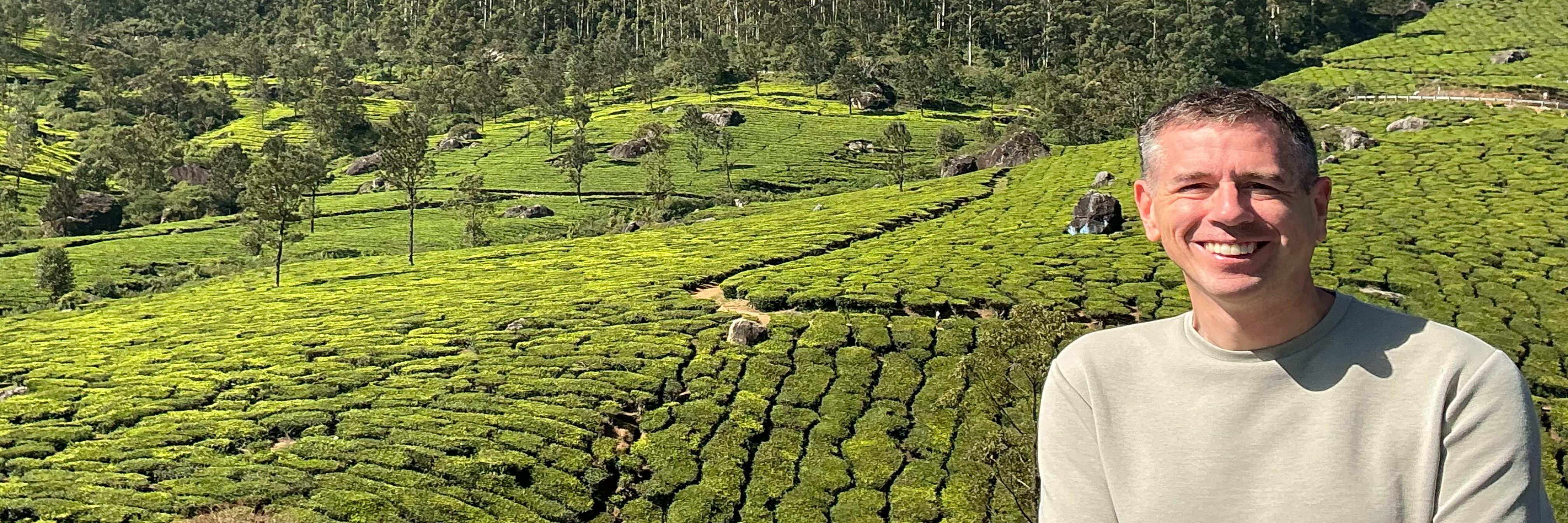
From the coast, we climbed into the Western Ghats, watching the scenery transform from palms and backwaters to misty hillsides and terraced slopes. In Munnar I stayed at The Windermere Estate, Munnar, a tranquil hideaway nestled among the tea plantations. Morning began with birdsong and a cool mountain breeze, and the view from my veranda was a patchwork of lush, manicured tea bushes rolling away to the horizon.
One highlight was visiting the Lockhart Tea Factory, where I watched the journey from leaf to cup unfold. Hearing about withering, rolling, fermenting and drying, then tasting the finished tea, gave me a new appreciation for what sits so casually in our mugs at home. In Munnar, tea is not just a drink. It is landscape, livelihood and heritage combined.
I joined guided birdwatching walks, scanning the treetops for flashes of colour and bursts of song. The naturalists turned every stroll into a masterclass, pointing out endemic species and explaining how the plantations and surrounding forests support intricate ecosystems. By the time I left, I was looking at every shrub and tree with new eyes.
Kumily and Periyar: Spice Trails and Tigers
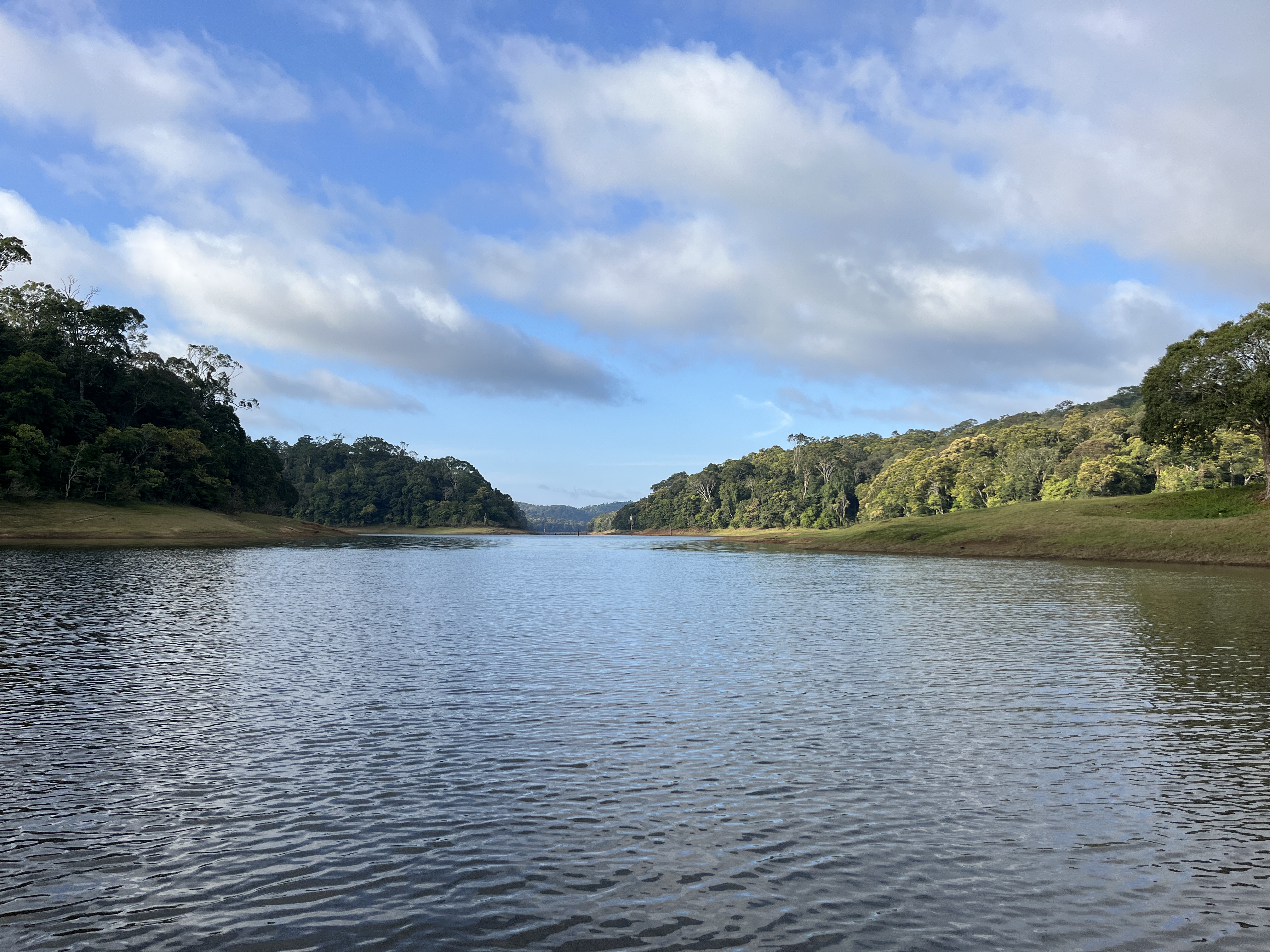
Next we travelled to Kumily, on the fringe of the Periyar Wildlife Sanctuary, to stay at Spice Village, Thekkady. Modelled on a traditional tribal village, the resort blends into its forest surroundings with thatched cottages, winding paths and gardens bursting with herbs and spices. Here, the air itself seemed infused with cardamom, pepper, cinnamon and clove.
Walking through the spice plantations was a sensory adventure. I crushed leaves between my fingers, inhaling their aroma, and learnt how cardamom pods are harvested and dried, how pepper vines snake up living trees, and how complex the journey is from farm to fork. Seeing coffee bushes alongside spices joined up another part of Kerala’s story: from plant to cup, whether that cup holds tea or coffee.
The nature trail in Periyar was an early‑morning immersion into the forest. We set out quietly with a guide, treading gently along leaf‑strewn paths, on the lookout for signs of elephants and the elusive tiger. While the big cats stayed hidden, the thrill was in knowing they were there, somewhere beyond the trees. We spotted fresh tracks, birdlife, and the ripple of smaller animals moving through the undergrowth. There was a real sense that we were the guests, and that the forest was allowing us a brief glimpse into its world.
Back at Spice Village, evening talks with naturalists deepened the connection. They spoke openly about conservation challenges, the importance of responsible tourism and the role that hotels like theirs can play in protecting habitats and supporting local farmers. It was powerful, engaging and unexpectedly moving.
Kumarakom: Drifting Through the Backwaters
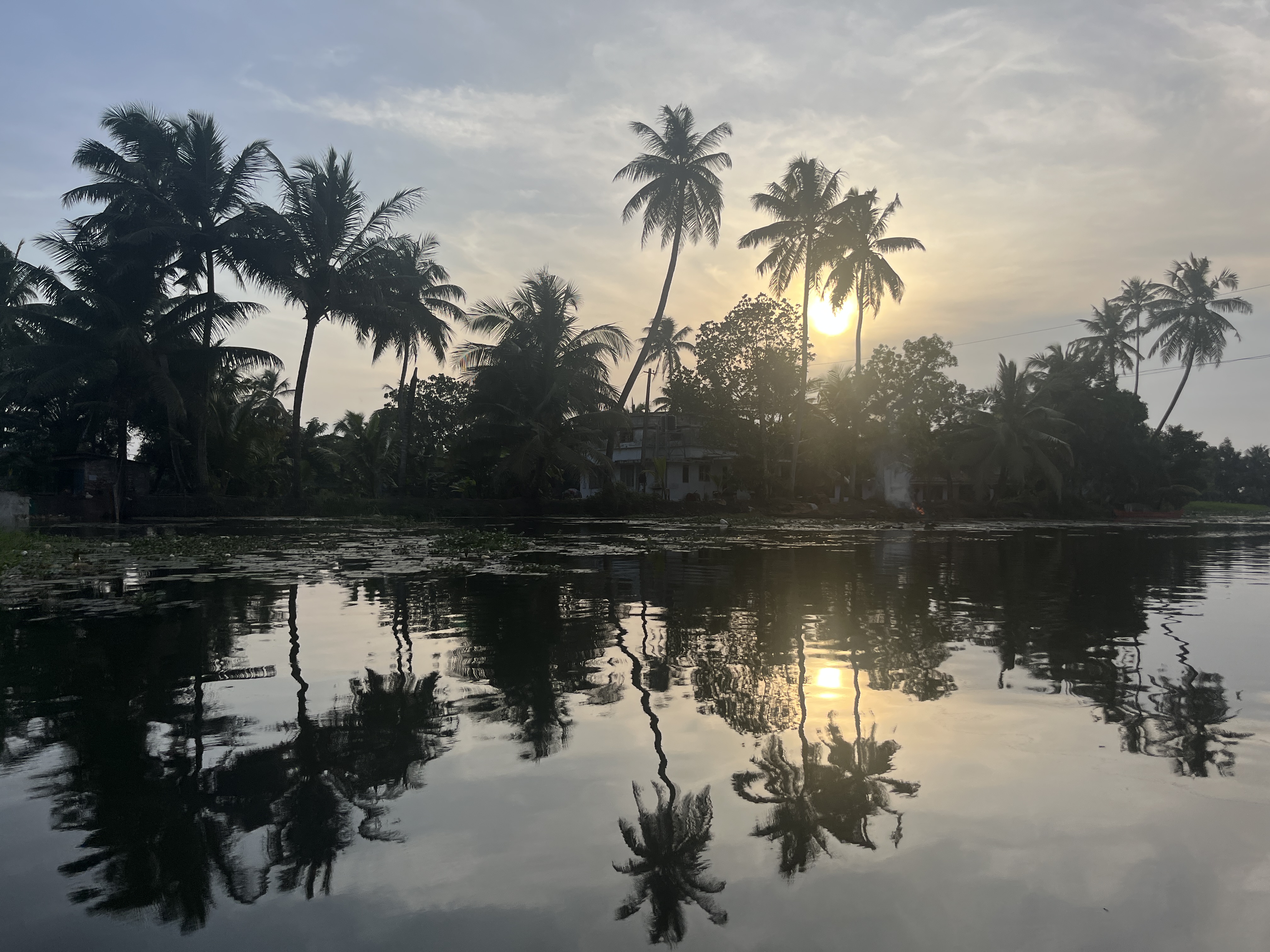
From the hills we descended to the iconic Keralan backwaters, staying at Coconut Lagoon, Kumarakom, poised on the eastern banks of Vembanad Lake at Kavanattinkara. Reachable only by boat, it felt like entering a secret world of canals, lagoons and bird‑rich wetlands.
Days here slowed to the rhythm of the water. I took a houseboat cruise through the backwaters, gliding past rice paddies, coconut groves and waterside villages where life unfolds at an unhurried pace. Fishermen cast their nets, children waved from the banks and women washed clothes in the shallows. It was a peaceful, almost meditative experience, with the gentle slap of water against the hull as a constant soundtrack.
Coconut Lagoon’s own sustainability initiatives were everywhere once you started to notice: waste management, protection of the fragile wetlands, traditional architecture using local materials, and menus built around seasonal, locally sourced ingredients. The food was a celebration of Keralan cuisine: fragrant fish curries, crisp dosas, coconut‑rich vegetables and an array of pickles and chutneys that brought the spice lessons to life.
Marari Beach: Sand, Sea and Slow Time
The final stop was Marari Beach Resort, Mararikulam, where the journey came full circle on the shores of the Arabian Sea. Here, simple pleasures took centre stage: barefoot walks along the soft sand, hammocks beneath swaying palms, and sunsets that painted the sky apricot and rose.
Even at the beach there was plenty to learn. Kitchen gardens showcased the ingredients that would appear on my plate later that day, while staff were always happy to explain the thought behind each sustainability initiative, from water conservation to community engagement. “From farm to fork” was not just a slogan. It was visible in every meal, every interaction and every carefully considered detail.
A Journey Shaped by People and Purpose
What made this trip so special was not only the scenery, the wildlife or the delicious food, though all were outstanding. It was the warmth and hospitality of the people I met along the way: the guides who shared stories of their forests and fields, the hotel teams who took pride in their environmental efforts, the farmers and factory workers who welcomed us into their world.
Their passion turned a classic Kerala itinerary into something deeper, a journey with purpose. I left with sun on my skin from bright September days, the scent of spices lingering in my memory, and a renewed appreciation for how travel can support, rather than strain, the places we visit.
Kerala is often called ‘God’s Own Country’. After tracing its paths from plantation to teacup, from backwater farm to dinner table, and from forest trail to ocean shore, I understand why. It is a place where nature, culture and community are intricately intertwined, and where a thoughtfully designed multi‑centre itinerary lets you experience it all.
If you are drawn to green landscapes, gentle adventures, meaningful encounters and food that sings with spice and freshness, Kerala may well capture your heart just as it did mine.