Flying long haul with little ones: how to survive
(and still like each other at the other end)
If you are staring down the barrel of a long journey to somewhere like Australia or the west coast of the USA with young children, it can feel… a lot. The good news: it is absolutely doable.
Speaking both as a parent and as a travel professional, I can promise you that with a bit of planning, some clever distractions and a healthy dose of “good enough is good enough”, you can arrive with happy(ish) kids and your sanity mostly intact.
Here are some tried-and-tested tips to help you:
1. Pack a “magic backpack” for each child
Instead of one huge family bag, give each child their own small backpack that lives under the seat in front of them.
Inside:
- A couple of favourite small toys
- A new surprise toy they have never seen before
- Sticker books and colouring pads
- Twistable crayons or pencils (no rolling off the tray!)
- A simple fidget toy
A few special snacks and treats. The trick is not to reveal everything at once.
Why not stagger the surprises:
- One “gift” for after take-off
- One during a tough middle stretch (for example leaving Asia on the way to Australia, or mid-Atlantic to the US west coast)
- One for a transfer or during a delay
It keeps the novelty going and gives them something to look forward to throughout the journey.
2. Bring a special travel buddy or mascot
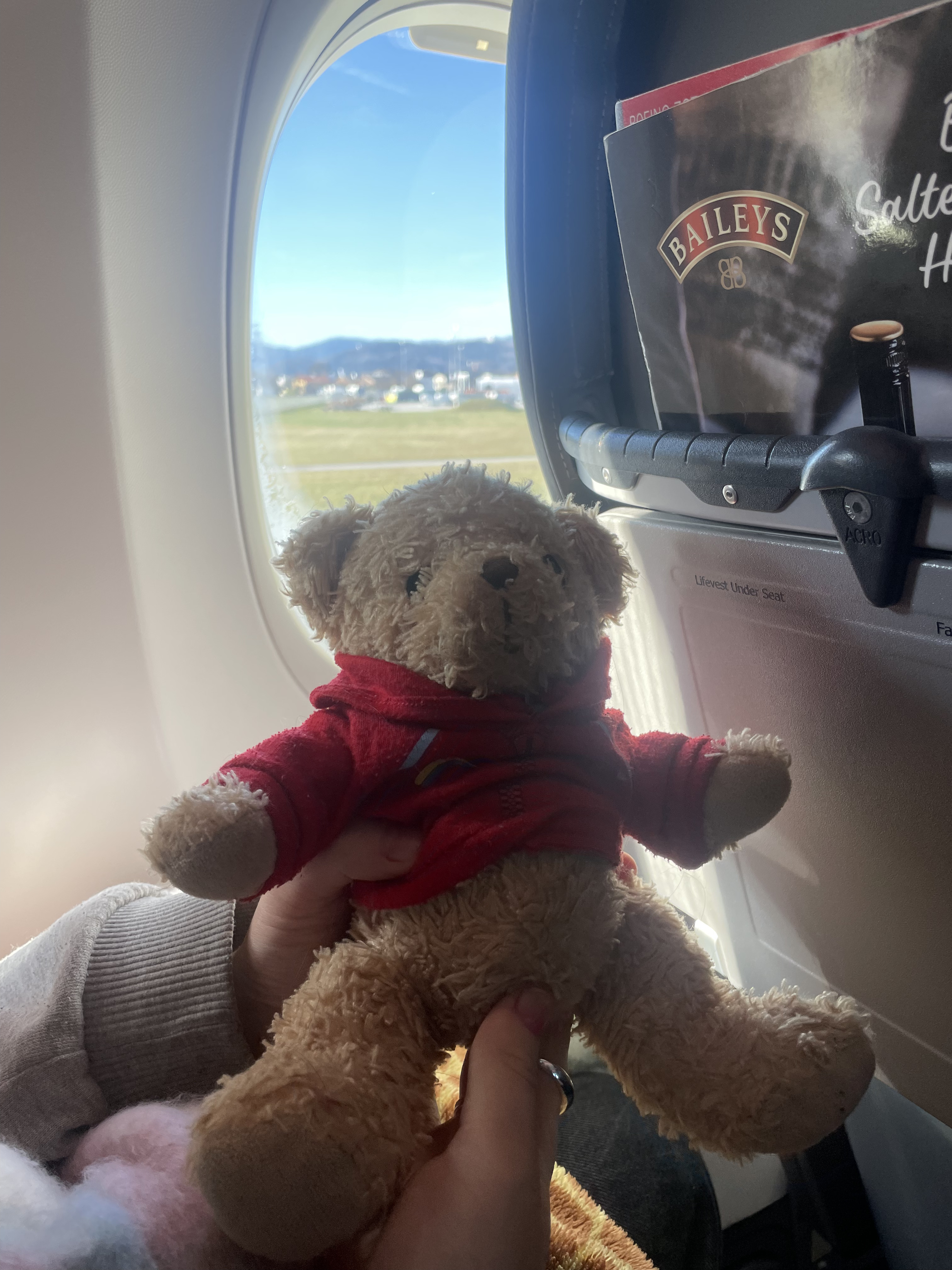
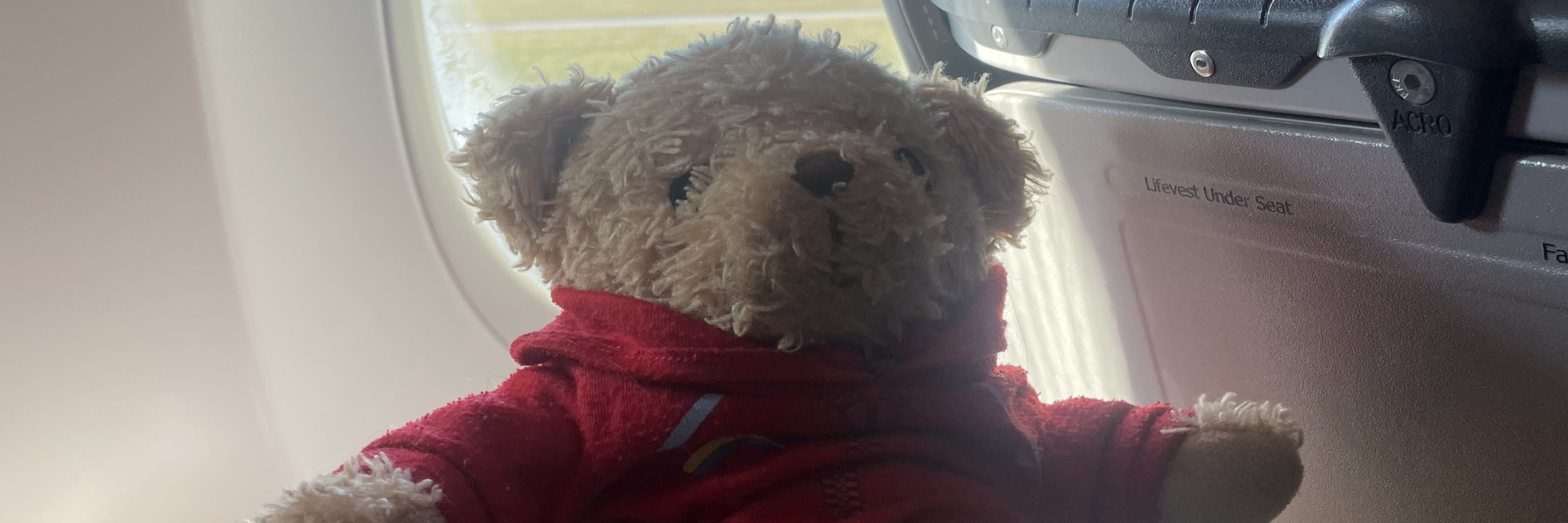
If your child has a class or group mascot, this can be gold on a long journey. Think: school bear, Beavers/Scouts cuddly mascot, a dance-school toy. Ask the teacher or leader if it can join the adventure. Be honest with yourself about whether you can cope if it goes missing. If losing it would cause chaos, choose a “home version” or a similar cuddly toy instead..
Make the mascot part of the story:
- Take photos of it: Watching planes at the airport, buckled into the seat, “Helping” with snacks, Seeing iconic sights such as the Sydney Harbour Bridge or the Hollywood sign
Add the photos to a little scrapbook or share them with the class when you return. It gives kids a sense of pride and purpose and is a brilliant distraction during long waits.
3. Turn them into “Journey Captains”
Children love responsibility. Giving them simple “jobs” makes the time feel more purposeful and less like endless sitting still.
Ideas:
- Snack Captain: in charge of choosing which healthy snack comes out next.
- Time Keeper: helps check the inflight map and the clock.
- Mascot Manager: responsible for the class/group teddy’s adventures and photos.
You can set small missions:“When the plane picture on the map reaches [X], Time Keeper gets to open the next surprise.”“Snack Captain, choose something from the snack box for everybody.”
It frames the journey as teamwork and helps them feel in control.
4. Map the adventure together
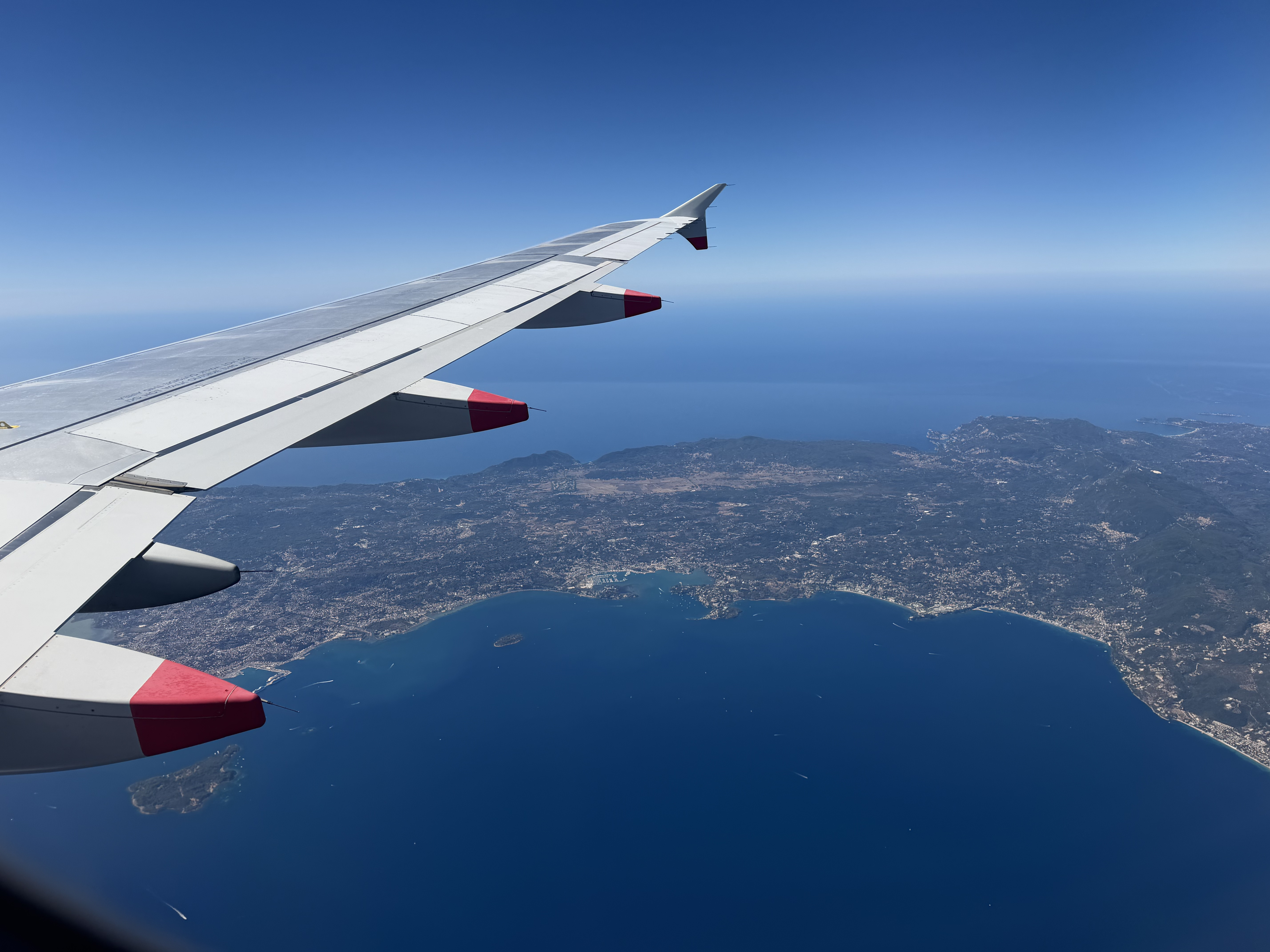
Little ones often cope better when they can see progress
Encourage them to use the airline’s map tools:
- Show them the route from home to, say, Los Angeles, San Francisco or Sydney.
- Point out the countries and oceans you are flying over.
- Ask questions:“Where are we now?”
- “What’s the next country or ocean we will fly over?”
- “How many more hours until we land?”
For epic trips to Australia, you can make a game of “How far around the world are we now?”
For the US west coast, spot when you leave Europe, cross Greenland or Canada, then finally reach the Pacific coast.
It turns “Are we nearly there yet?” into “Where are we on the map now?”
5. Create a simple travel scrapbook or comic
Before you travel, why not make a tiny booklet titled “My Big Adventure”.
Include a few page prompts:
At the airport
· Taking off
· In the clouds
· Sleeping on the plane
· Landing in [Sydney / Los Angeles / San Francisco / …]
· First day on holiday
Pack crayons, pencils and stickers.
During the journey, the children can:
· Draw what they see
· Stick in airport receipts or boarding pass stubs
· Add mascot photos when they land
It passes time during layovers or delays and becomes a lovely keepsake once they are home.
6. Healthy snacks = happy kids
Airline meals do not always line up with children’s hunger (or pickiness), especially over long flights and onward travel. A small, well-stocked snack kit can be a sanity saver.
Stock up on:
· Oat or cereal bars
· Rice cakes and mini crackers
· Simple sandwiches or wraps
· Squeezy fruit purées (check liquid rules for the airport stage)
· Dried fruit and mini breadsticks
You can turn this into a game:
· Create a mini “carry-on café”
· One child “takes the order”, the other “serves” from the snack box
· Rotate roles every couple of hours
For routes to the USA or Australia, where body-clocks get very confused, having familiar snacks to hand makes those random 3 am “I’m starving” moments much easier to handle.
7. Build a cosy “den in the sky”
For young children, sleep on a plane is all about recreating a sense of bedtime.
Why not pack:
· A lightweight cuddly blanket or big scarf
· Comfy PJs or soft joggers and socks
· Their favourite soft toy (or the mascot, if it has made the carry on)
· A small travel pillow or inflatable neck pillow
When it is time to wind down:
· Help them change into their “aeroplane PJs”
· Tuck them in and call it their “den in the sky”
· Dim their screen or switch to an audiobook or lullaby playlist
Familiar textures and routines can really help little ones drift off, especially on overnight sectors to places like Singapore or Dubai on the way to Australia, or on the return red-eye from the US west coast.
8. Movement breaks: “Stretch & wiggle” challenges
For a long journey with long layovers, building in movement is key.
Turn airport time into a game:
· “Find 5 things that are red.”
· “Walk only on every third floor tile.”
· “Let’s do 10 star jumps together in this quiet corner.”
· “Spot as many different airline logos as you can in 5 minutes.”
On board: Use aisle walks as “wiggle time” when the seatbelt signs are off.
Simple stretches in their seat: rolling shoulders, wiggling toes, reaching to the sky.
For example, during a stopover in Dubai or Singapore en route to Australia, a 20–30 minute “wiggle mission” can make the next long sector much easier.
9. Simple audio magic
Screens are brilliant, but sometimes little eyes and brains need a break.
Suggest parents download: Audiobooks suitable for their ages
- Children’s story podcasts
- Calm music or sleep stories
These work perfectly when:
- The cabin lights are down
- One child is too tired to watch but not quite ready to sleep
- You are in that awkward “we need to be quiet now” time
- Soft, comfortable headphones or a child-friendly headband headset can make all the difference.
10. Feelings check-in cards
Big journeys can feel overwhelming for small people. A simple, visual way to “check in” can prevent meltdowns.
Before travelling, parents can draw a few cards with faces: Happy, Tired, Worried, Excited, Bored. Every few hours, ask them to pick a card to show how they feel.
Then respond:
- Worried: extra cuddle and reassurance, choose a story or mascot photo moment.
- Bored: new activity from the backpack or a walk to the loo and back.
- Tired: set up the “den in the sky” and switch to calm audio.
It gives them a voice when they cannot always express what is going on verbally.
11. Plan a “You did it!” moment at the other end
Having something special to look forward to at arrival can keep kids going when they are exhausted.
Ideas:
- First dip in the pool when you reach your hotel
- Choosing the first ice cream on the beach
- Picking a small souvenir on the first day
- A photo with a landmark they have seen in books (Sydney Opera House, Golden Gate Bridge, Hollywood sign)
You can frame it as: “When we are plane superstars and complete our big journey, we’ll celebrate by…”
That focus on the destination helps them push through the last few hours.
12. Destination-specific hooks for very long journeys
A few ways to personalise the journey for those especially long routes:
Flying to Australia with kids
Talk about “chasing the sun” all the way to the other side of the world.
Use the map to show how far from home they are and how you cross so many different countries.
· Choose a simple “Australia bingo” card in the scrapbook:
· A kangaroo picture
· A beach
· A swimming pool
· A new friend
For stopovers (for example in Singapore, Dubai or Doha), treat them as mini-adventures: A special airport treat like a smoothie or a toy under a set budget.
· A “count the planes” challenge out of the window.
Flying to the west coast USA with kids.
· Explain time zones in a fun way: “When it is bedtime at home, people in California are just having lunch!”
· On the inflight map, spot Greenland, Canada and the huge stretch of the USA as you cross.
Create a “California or not?” game in the scrapbook:
Draw or stick simple pictures of palm trees, beaches, rollercoasters and mountains that you might see.
If they are Disney or movie fans, build excitement:
“This is the flight that takes us closer to the land of [Disney / movies / superheroes].”
Just be mindful to keep expectations realistic: long-haul days are about survival and simple joys, not ticking off everything in one go.
13. Parent sanity savers: permission to drop the rules
Perhaps the most important message to share with parents:
Long haul with children is a survival day, not a typical day.
It is completely OK if:
- Screen time limits vanish for 24–30 hours.
- Meals are a patchwork of snacks and half-eaten trays.
- They sleep at weird times or not much at all.
- There are wobbles, tears and overtired grumps from everyone (adults included).
They are not “failing” if it is messy. If everyone arrives safely, with most of their belongings and at least a few smiles left, they have done brilliantly.
14. Reassurance: you really can do this
For many families, that first big long-haul to Australia or the west coast USA feels like a huge leap. With the right preparation, a few fun ideas and realistic expectations, it can actually become part of the adventure: Kids feel proud that they managed such a big journey. Parents realise they are far more capable than they thought.
The scrapbook, mascot photos and in-jokes from the flights become part of the holiday memories.
If you have a family thinking about a big trip and feeling anxious about the flights, I can help them choose: Sensible routings and stopover options. Flight times that work as well as possible with their children’s routines. Family-friendly airlines and connections.
Get in touch
As a Travel Counsellor, I can help you shape your family holiday that suits your family’s personality: contact me at julia.oconnor@travelcounsellors.com or call 01423 651080.