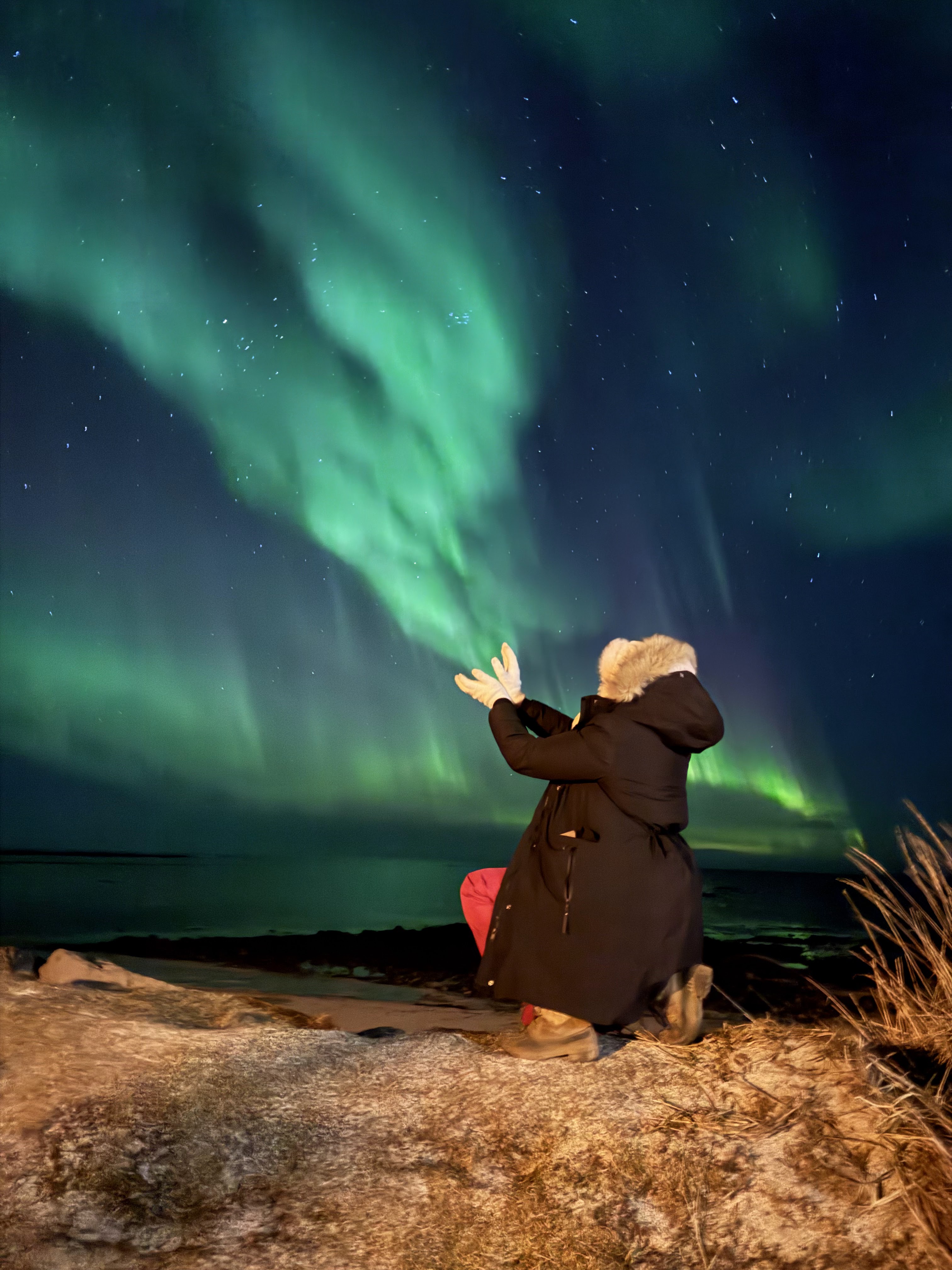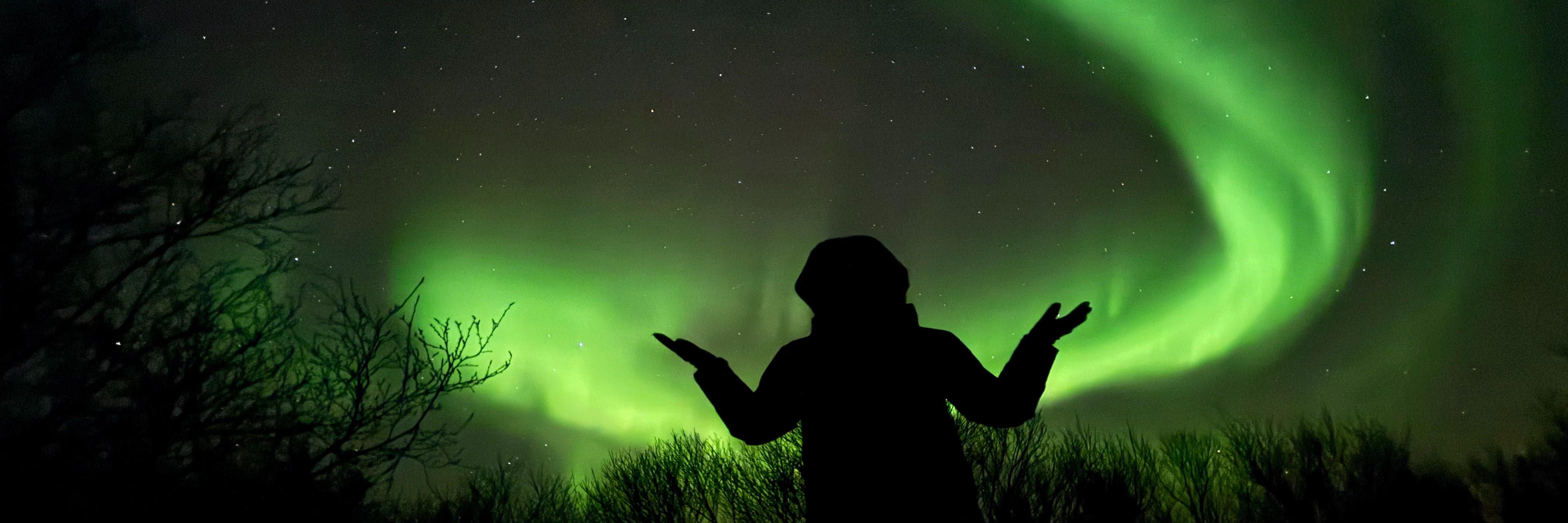
Iceland in February: My Winter Road Trip Chasing Northern Lights
Visiting Iceland in February had been on my wish list for years. Snowy landscapes, steaming hot springs, the chance to see the Northern Lights and quiet winter roads all sounded like a dream. So this year I finally did it: a self drive road trip around south west Iceland, staying in Gardur, Borgarnes and Laugarvatn, with a hire car for the whole trip. If you are thinking about visiting Iceland in winter, especially in February, I hope my experience – from chasing auroras to soaking in the Blue Lagoon – will help you plan your own adventure.
Why visit Iceland in February?
February in Iceland is a magical time if you do not mind cold temperatures and a bit of unpredictability. The days are already starting to get longer after the darkest months, but the nights are still long enough for excellent Northern Lights viewing.
You can expect:
- Snow‑covered landscapes and dramatic winter scenery
- Fewer crowds than the peak summer months
- Great chances to see the Aurora Borealis on clear nights
- The classic Golden Circle sights with a beautiful dusting of snow
We decided to hire a car for the whole trip, which gave us the freedom to explore at our own pace and stop whenever a waterfall, mountain or sunset caught our eye.
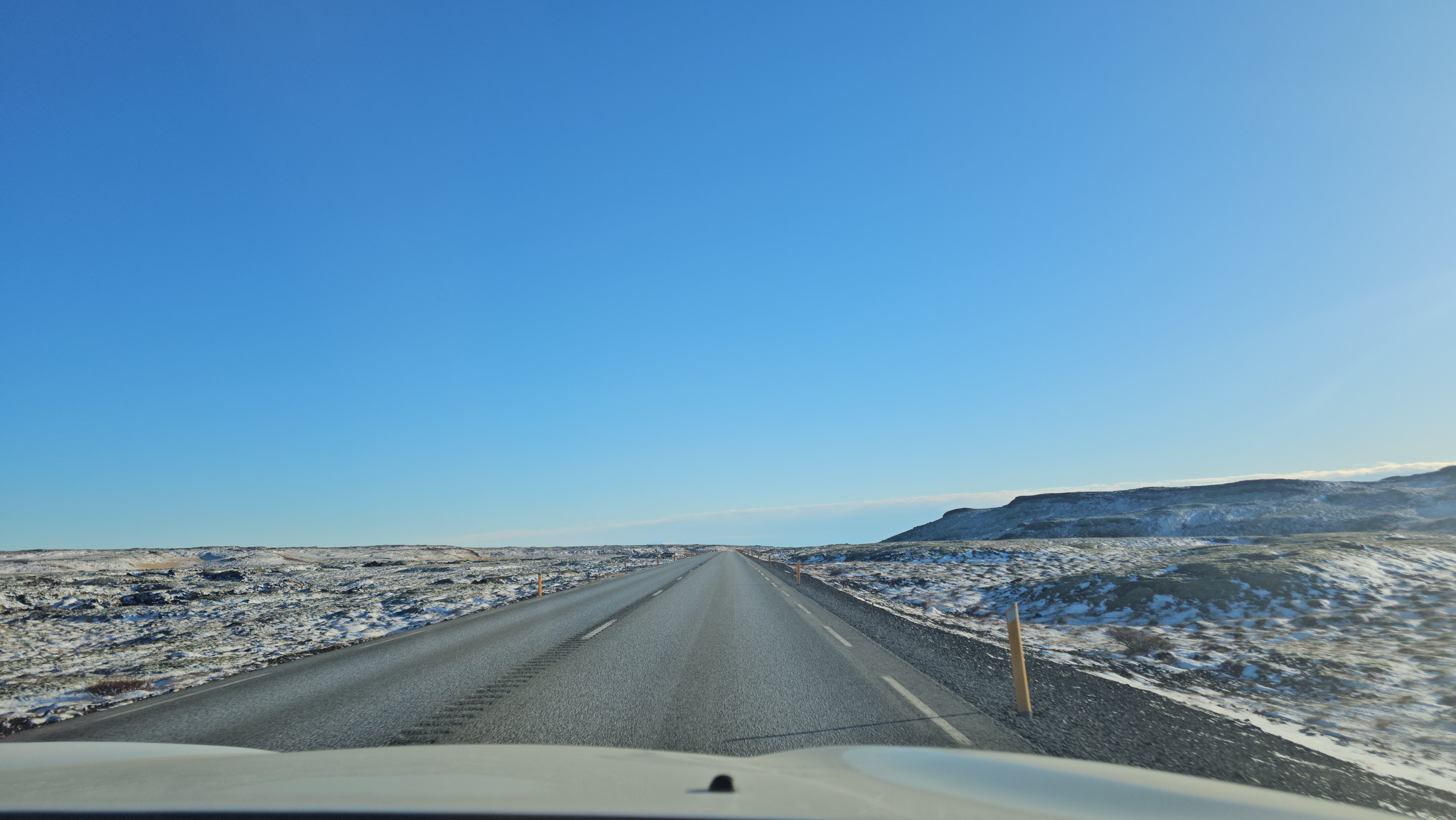
Our Iceland winter road trip route
Gardur: First nights by the sea
We started our trip in Gardur, a quiet coastal area not far from Keflavik Airport. It was the perfect gentle introduction to Iceland after landing, without the busyness of the city.
What I loved about staying in Gardur:
- Easy, short drive from the airport after an evening arrival
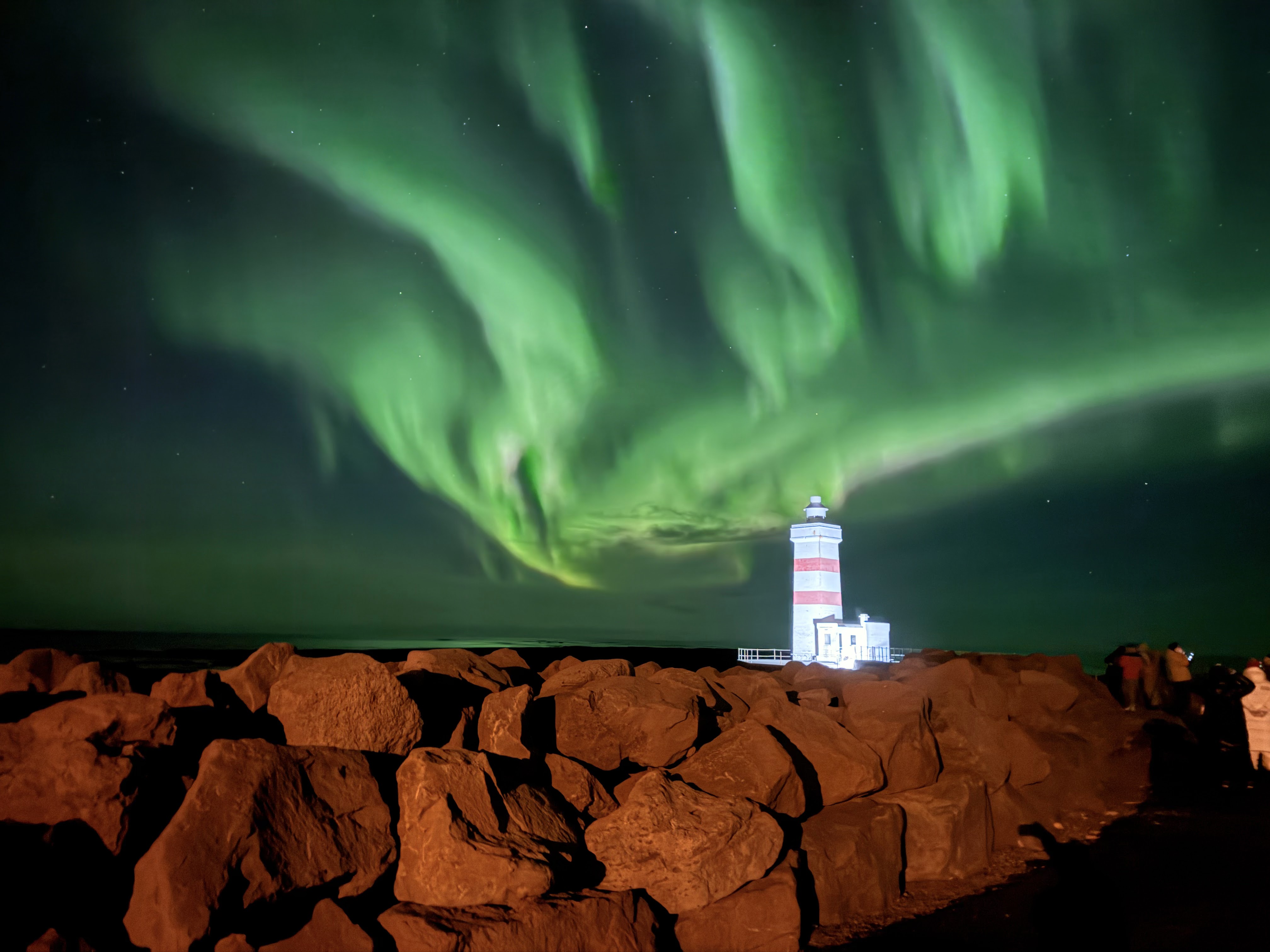
- Beautiful coastal views and lighthouses
- Dark skies at night, ideal for Northern Lights spotting
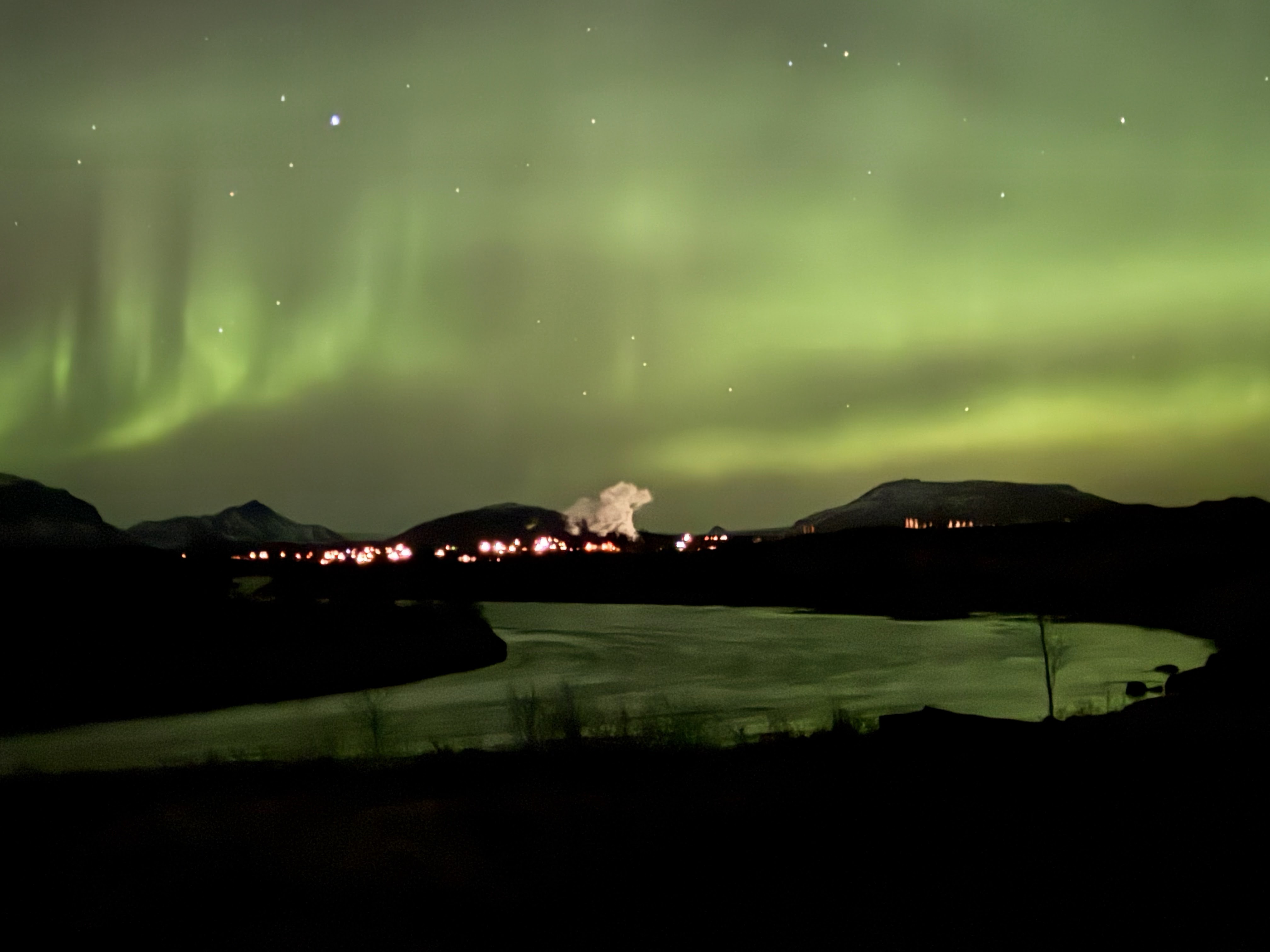
On our first nights we were treated to the most incredible Aurora displays. Standing outside in the crisp cold air watching green ribbons of light dance over the sea was simply unforgettable. In fact, we were lucky enough to see the Northern Lights pretty much every night of our trip.
Borgarnes: Gateway to wild landscapes
Next we drove to Borgarnes, which feels wonderfully wild and rugged. Nestled by the fjord, Borgarnes is a great base for exploring the surrounding countryside and some less visited areas away from Reykjavik.
From Borgarnes we enjoyed:
- Scenic drives with mountains, lava fields and ocean views
- Peaceful small‑town atmosphere, ideal for unwinding
- Easy access to some stunning natural sites in West Iceland
Driving in February meant some roads were snowy and icy, but with a suitable hire car, winter tyres and sensible speeds, it felt very manageable.
Laugarvatn: Hot springs and the heart of the Golden Circle
Our final base was Laugarvatn, in the Golden Circle area, perfectly placed for many of Iceland’s most famous sights. It is a geothermal area, so you are never far from steam, hot springs and that classic Icelandic mix of ice and warmth.
From Laugarvatn we explored:
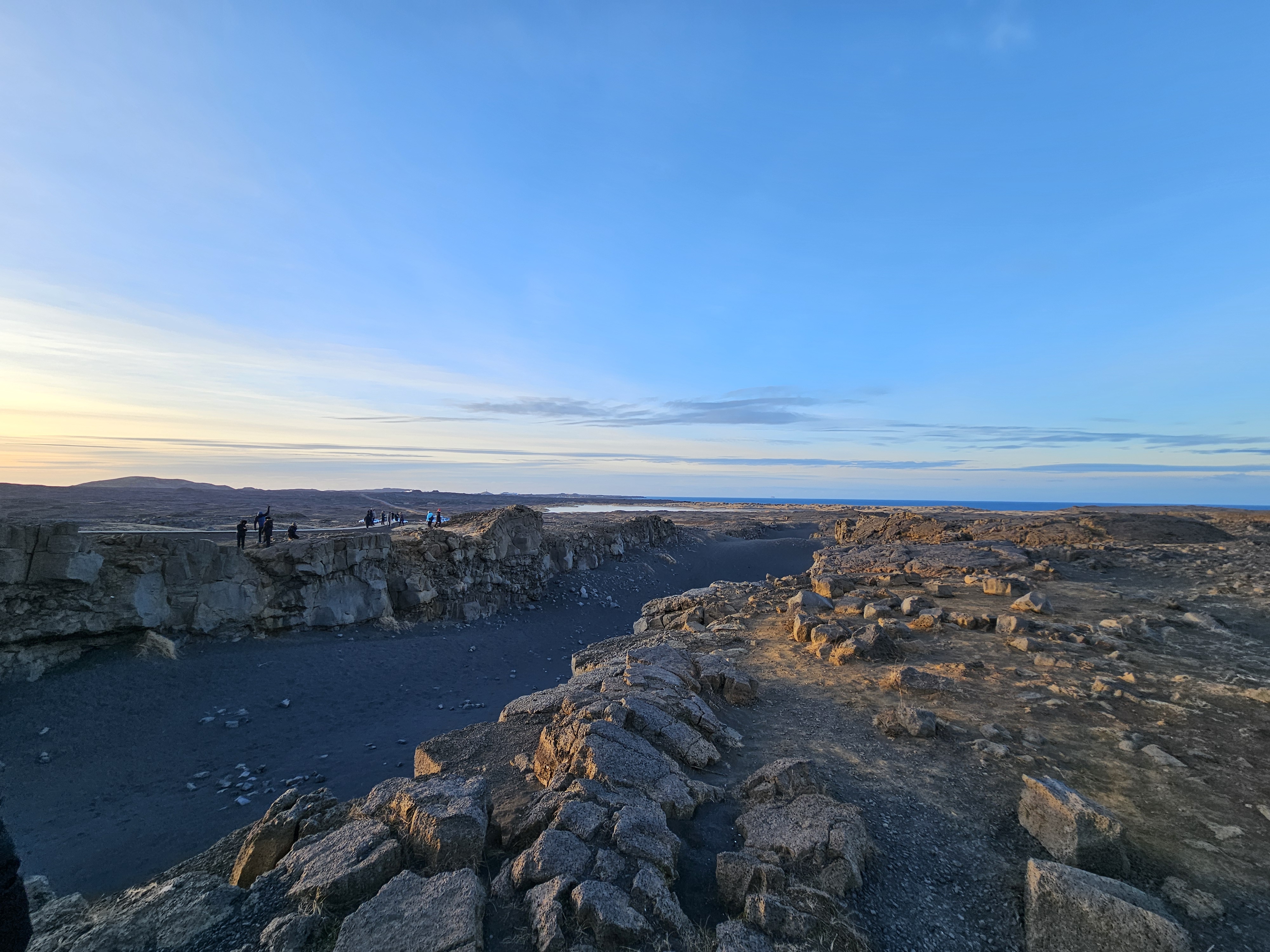
- Thingvellir National Park, where the Eurasian and North American tectonic plates meet
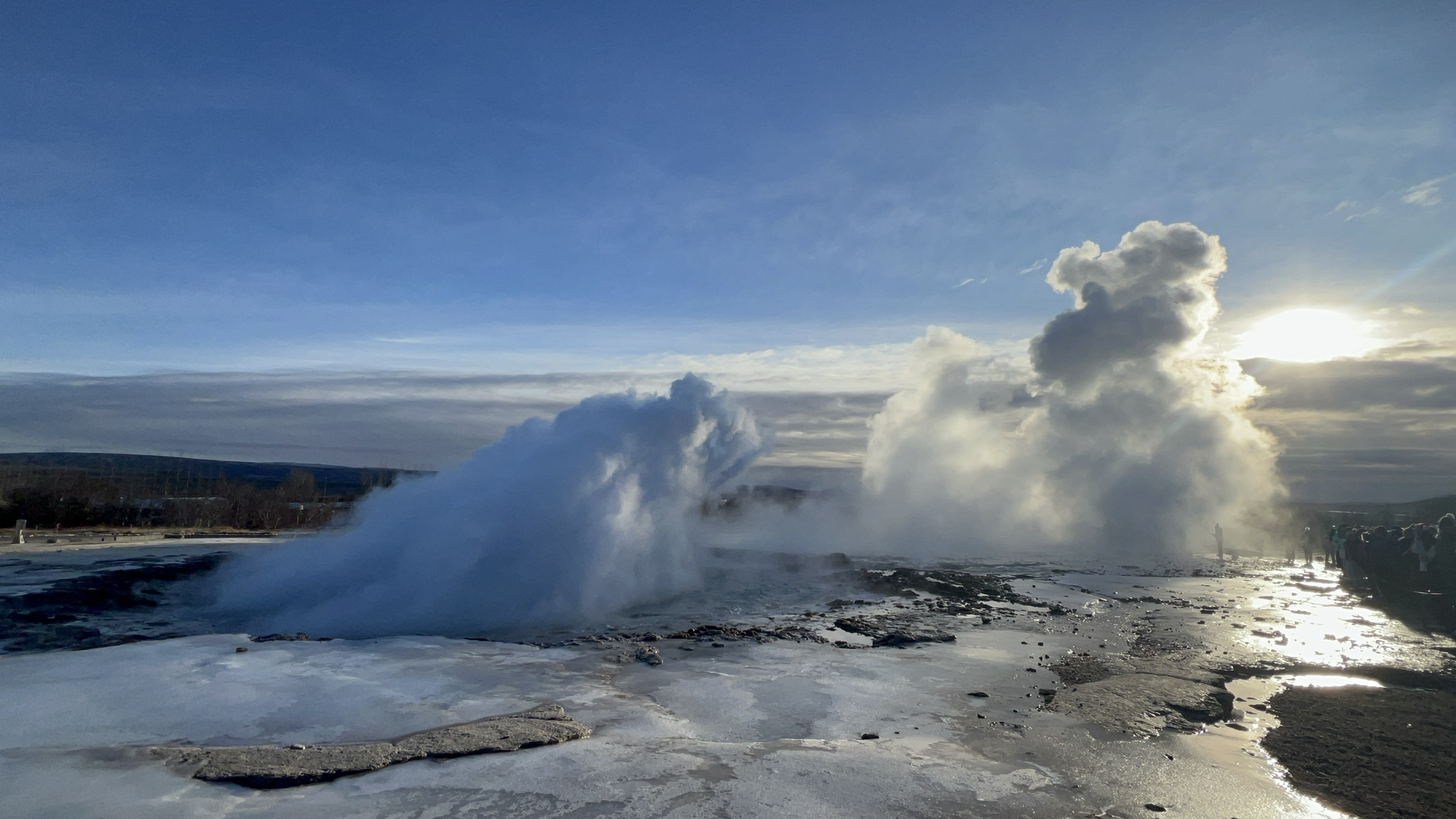
- Geysers, including the famous Strokkur geyser that erupts every few minutes
- Iconic waterfalls as part of the Golden Circle route
Standing at the rift in Thingvellir, where the Eurasian plate borders meet, really brings Iceland’s geology to life. You can literally see how the earth is pulling apart.
Highlights of my Iceland February trip
Seeing the Northern Lights almost every night
The Northern Lights were the star of the show. Clear winter nights, dark skies and a bit of patience rewarded us with multiple Aurora displays during our stay.
My tips for seeing the Northern Lights in Iceland:
- Travel between late September and April for the best chance
- Stay outside of big cities where there is less light pollution
- Be prepared to stay up late and be flexible with your plans
- Dress very warmly so you can comfortably wait outside
Seeing the sky come alive in shades of green and sometimes pink is one of those experiences that will stay with me forever.
Experiencing tectonic plates, lava tunnels and geysers
At Thingvellir, we visited the area where the Eurasian plate meets the North American plate. Walking through the rift valley felt like stepping into a geography textbook, with dramatic cliffs and cracks in the earth all around.
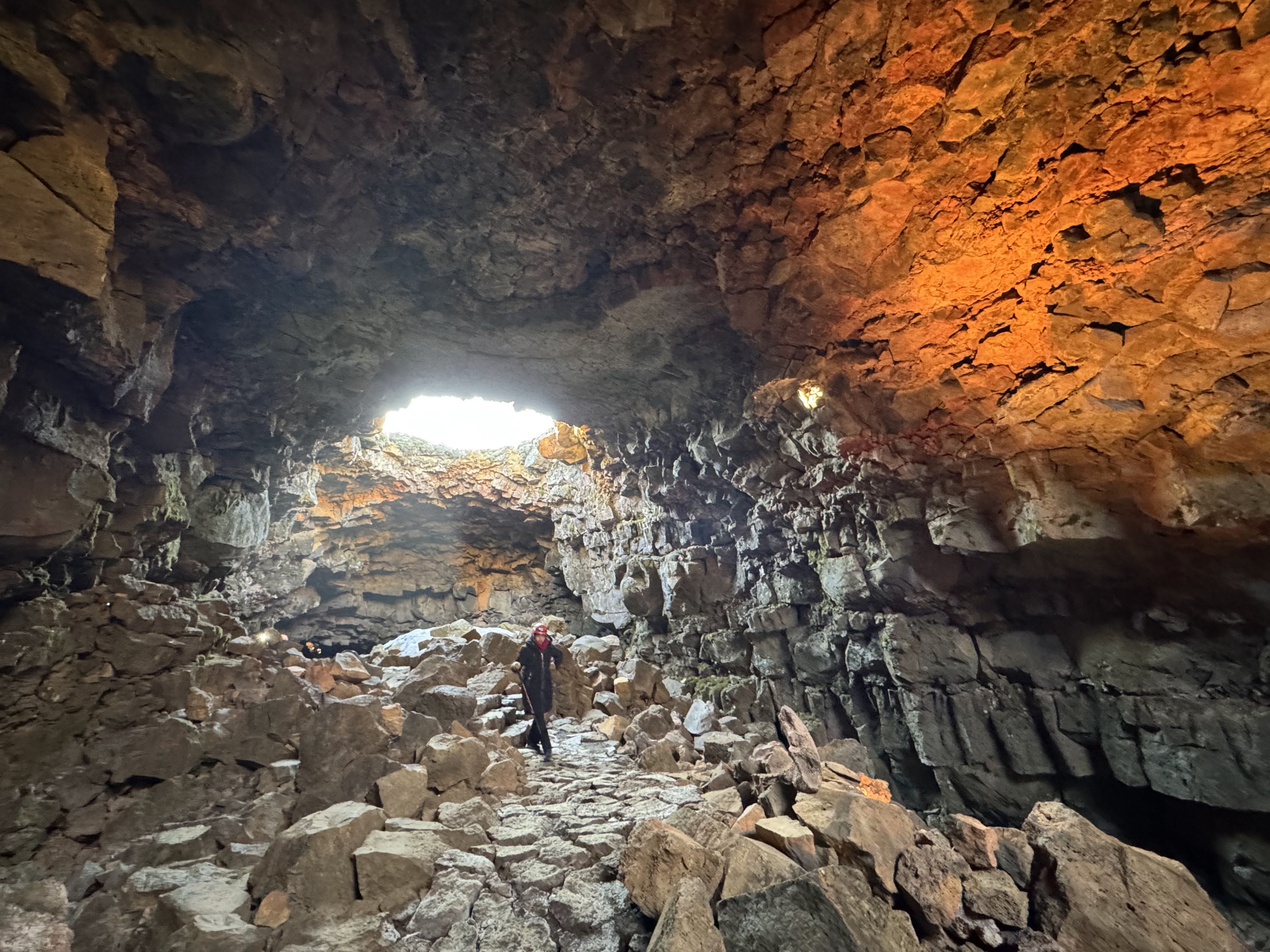
We also went through a lava tunnel, carved by ancient volcanic activity. Heading underground into the tunnel was surreal: strange rock formations, frozen drips and a real sense of how Iceland’s landscape has been created by fire and ice.
Of course, no trip is complete without seeing the geysers. Watching Strokkur bubble, swell and then shoot into the air every few minutes, surrounded by snow and steam, is a sight I will never forget.
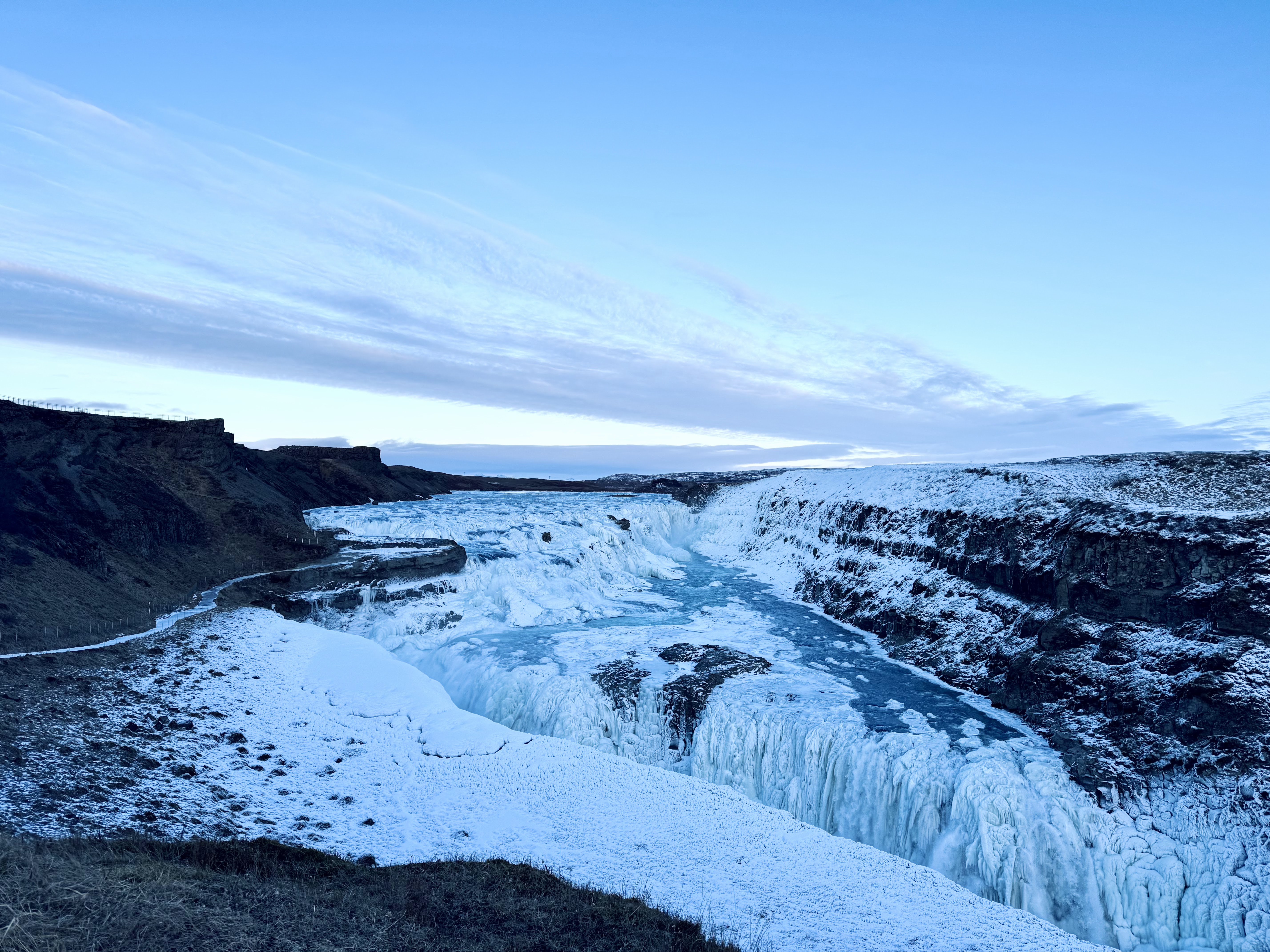
Frozen waterfalls and lakes
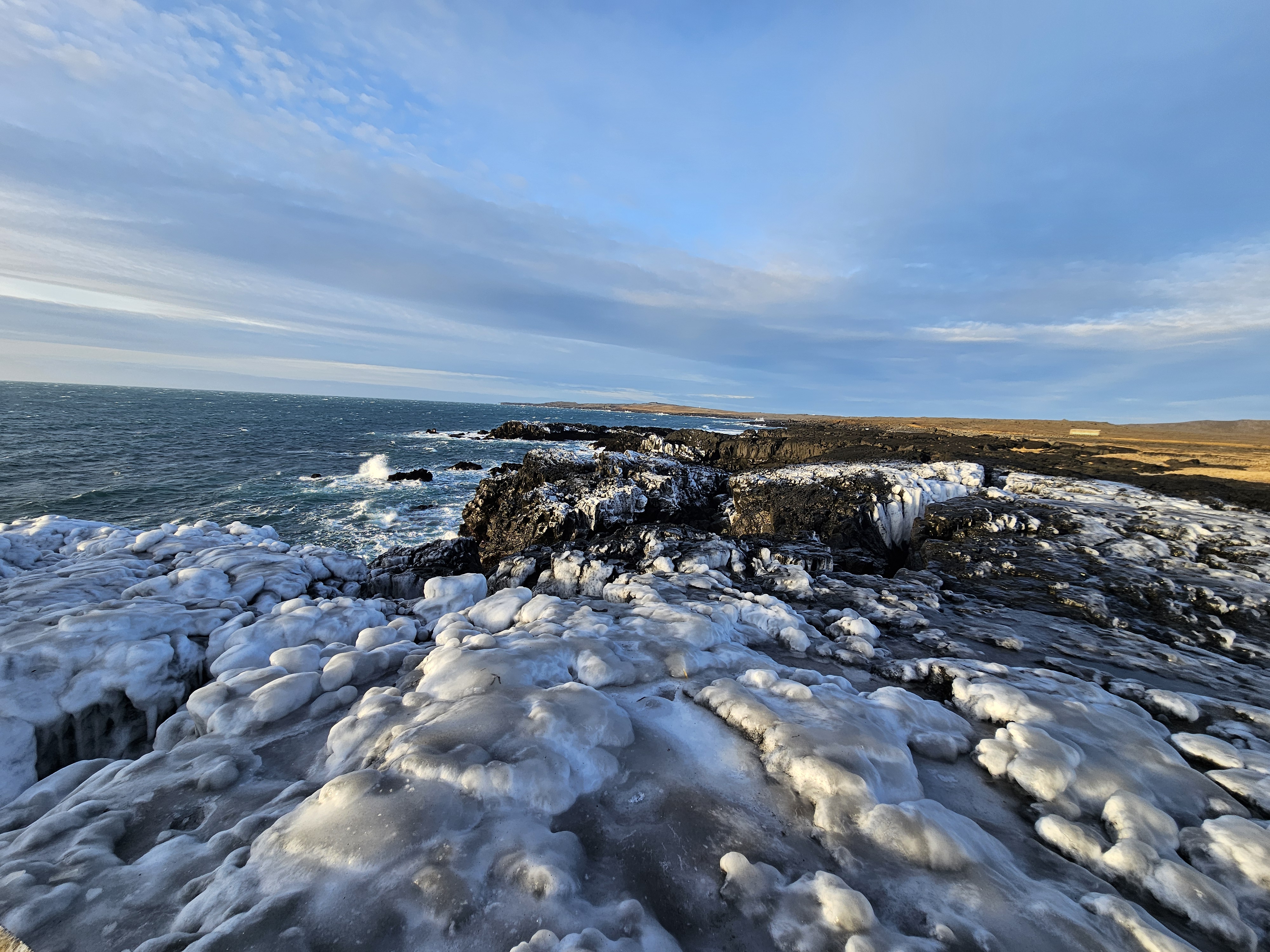
One of the things that surprised me most about visiting Iceland in February was how many waterfalls and lakes were frozen or partly frozen. The shapes the ice made were almost sculptural: frozen cascades, icy edges and still, glassy surfaces.
It was beautiful, but it has also made me determined to go back in summer. I would love to return when the waterfalls are fully free‑flowing and the lakes are liquid again, just to see how completely different the landscape looks in another season. Iceland is one of those places you can visit again and again, and each time it will feel new.
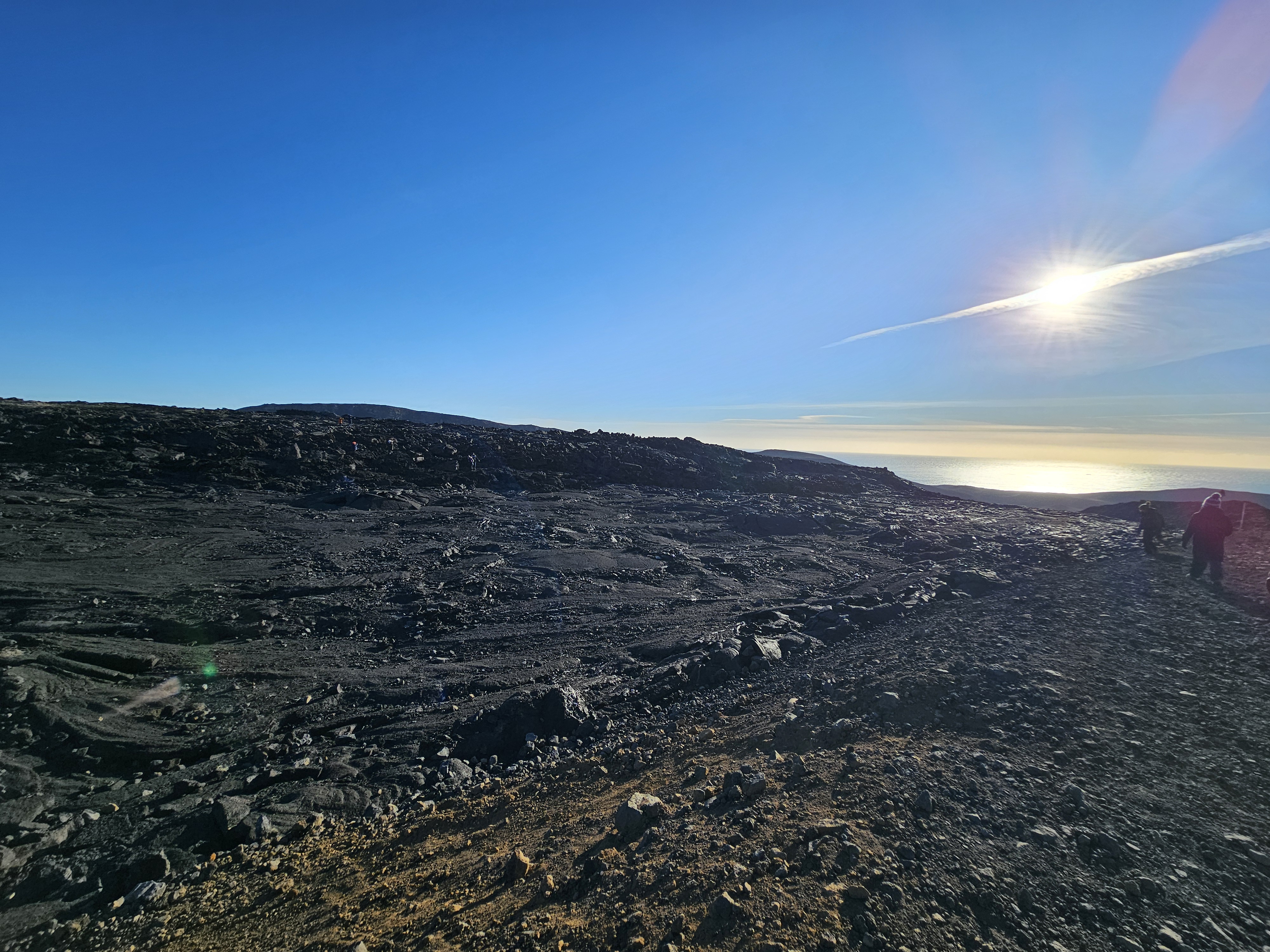
Hiking Fagradalsfjall to the lava field
One of the most spectacular experiences of the trip was hiking up Fagradalsfjall to see the lava field. The climb itself was steady but so rewarding, and standing at the top looking out over the black, other‑worldly lava against the snow was absolutely breathtaking. The scenery all around us felt like another planet and it really brought home just how powerful and recent Iceland’s volcanic activity is.
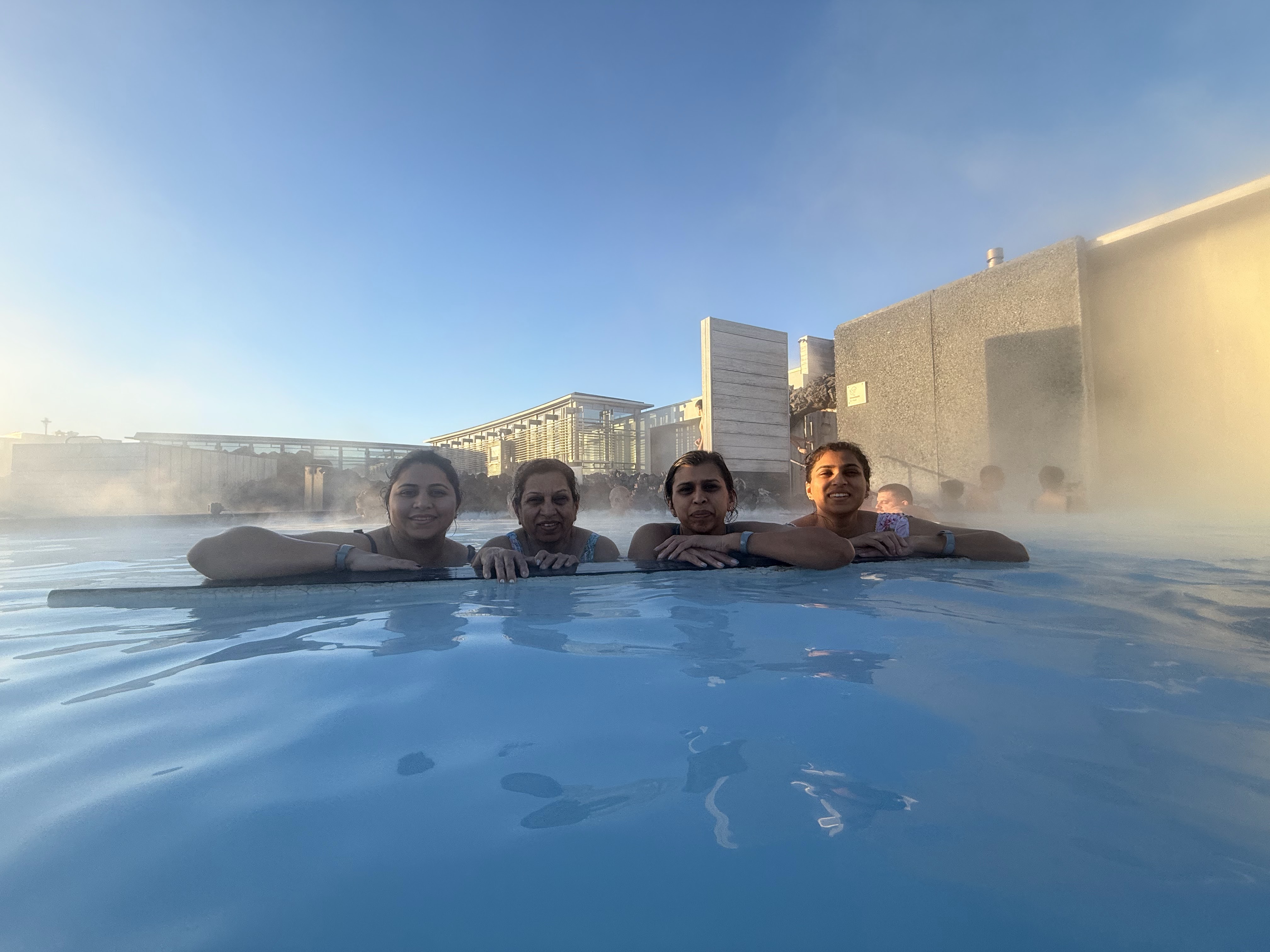
Relaxing at the Blue Lagoon
One of the most famous experiences in Iceland is the Blue Lagoon, and it did not disappoint. Floating in milky‑blue geothermal water surrounded by black lava rocks and winter light is incredibly calming.
A personal tip from my visit:
- Do not put your hair under the water. The minerals can make it very dry and matted, so I recommend tying your hair up and keeping it out of the lagoon.
With the cold February air on your face and hot water all around you, it is the perfect way to end a day of exploring.
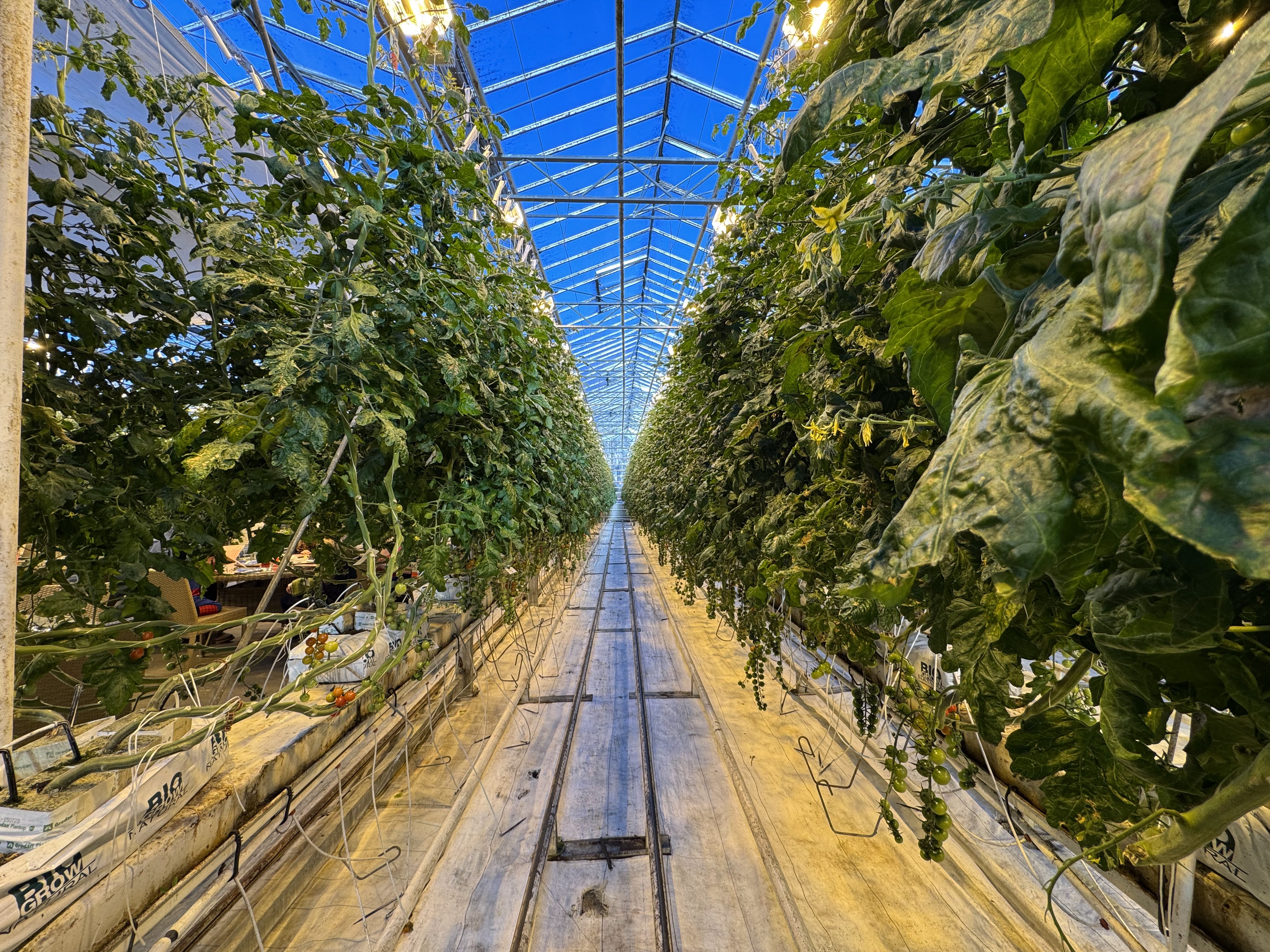
A unique tomato greenhouse lunch at Friðheimar
One of the most memorable and unique stops of the trip was Friðheimar, a tomato greenhouse and restaurant set inside a working tomato farm.
You sit surrounded by rows of tomato plants heavy with fruit, with the warm glow of the greenhouse lights above you. I had the famous tomato soup served in a bread bowl, and the best part was that the soup and bread were unlimited. It felt cosy, comforting and utterly indulgent after being out in the cold.
Why I loved Friðheimar:
- Warm, welcoming atmosphere in the middle of winter
- Delicious tomato soup in a bread bowl with unlimited refills
- A fascinating look at how Iceland grows fresh produce in greenhouses despite its harsh climate
If you enjoy foodie experiences and want something truly Icelandic and a bit different, I would definitely recommend adding Friðheimar to your Iceland itinerary.
I was scared of driving in Iceland in winter – and it was absolutely fine
Before I went, I was honestly terrified about driving in Iceland in winter. In my head I pictured icy, slippery roads, white‑out conditions and really stressful journeys. I nearly talked myself out of hiring a car at all.
The reality was very different.
Most of the main roads we used were surprisingly open and clear, and with winter tyres and sensible speeds it actually felt quite easy and comfortable to drive. The landscape was absolutely stunning: wide open views, snowy mountains and long stretches of almost empty road.
One of my favourite memories is from the start of our trip. There were 16 of us travelling together and at one point we reached a stretch of road where everything around us was covered in deep snow. We all pulled over, piled out of the cars and had an impromptu snowball fight in the middle of nowhere, surrounded by this incredible white landscape. It is one of those moments that really captures the fun of a winter road trip.
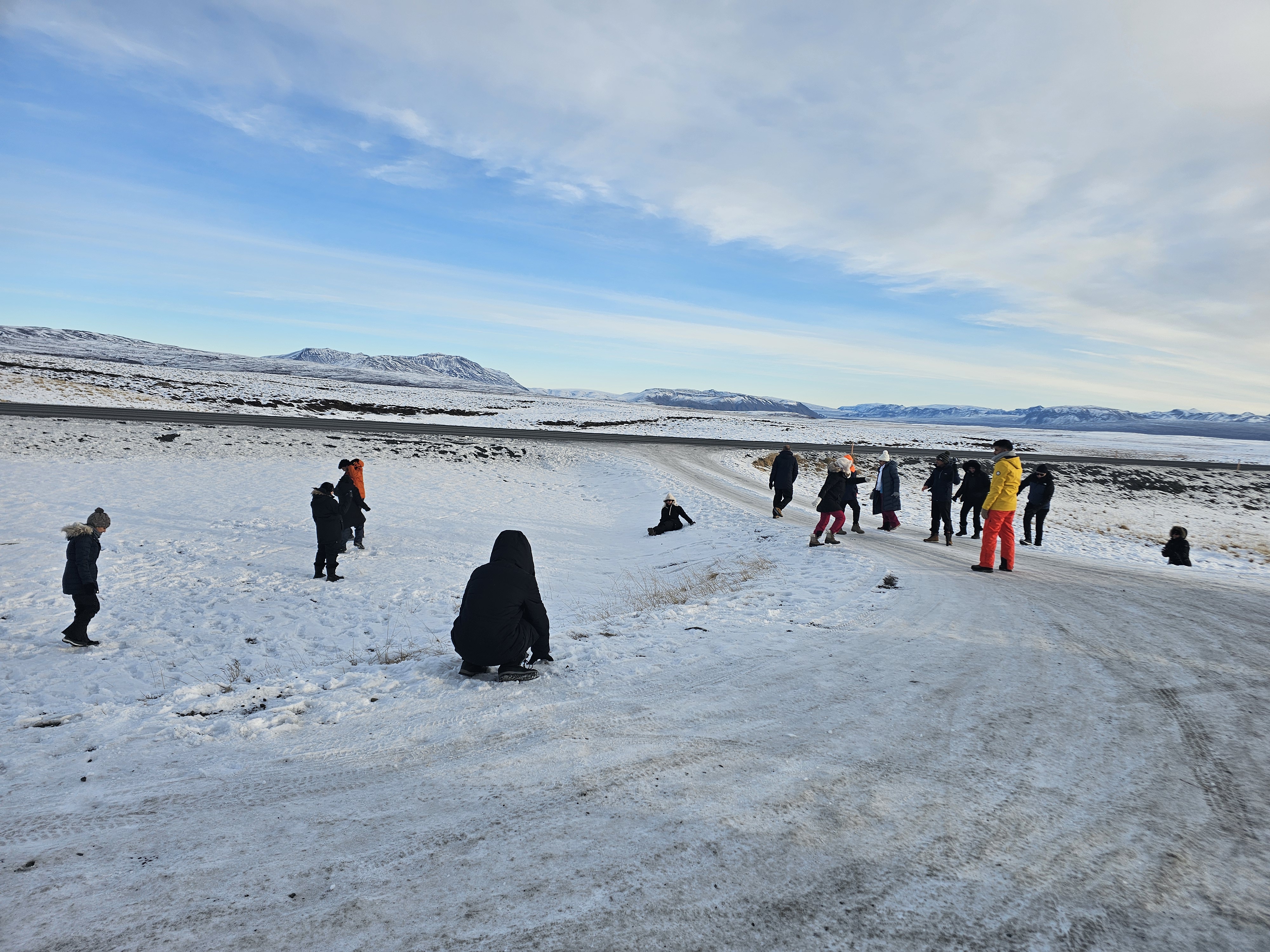
If you are nervous about driving in Iceland in winter, I completely understand, because I felt the same. But with the right car, the right advice and a bit of common sense, it is absolutely doable and it adds so much freedom and flexibility to your trip.
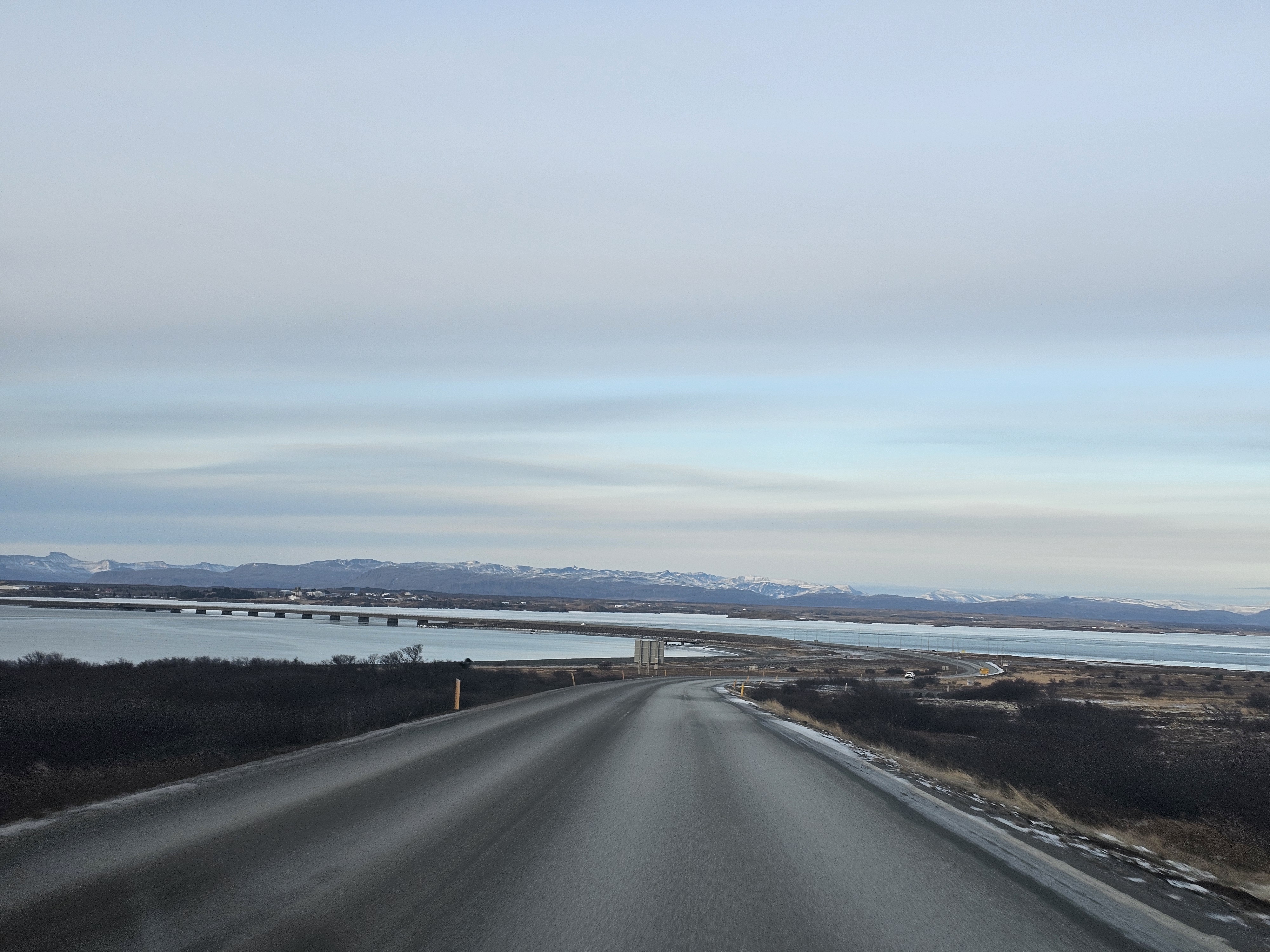
Practical tips for driving in Iceland in February
Hiring a car for the whole trip was absolutely the right decision for us. It meant we could set our own pace, stop for photos whenever we wanted and reach quieter, more remote spots.
Here are some practical tips based on my own experience:
- Choose a suitable car for winter conditions, ideally with 4x4 and proper winter tyres
- Check the weather and road conditions daily before you set out
- Allow extra time for journeys in case of snow or ice
- Stick to main roads in poor conditions and avoid anything that looks too challenging
- Pack warm layers, boots, hats and gloves so you can comfortably hop out for photos and short walks
Iceland’s weather has a reputation for changing quickly, but that is all part of the adventure. With good planning and support, winter self drive in Iceland can feel exciting rather than intimidating.
Iceland is not just for winter
Although I visited Iceland in February and absolutely loved the winter magic, it is worth saying that Iceland is not only a winter destination. Summer brings almost endless daylight, greener landscapes and very different driving conditions.
Because I saw so many frozen waterfalls and lakes, I am already planning to go back in summer to see:
- Waterfalls in full, powerful flow
- Lakes and rivers free of ice
- A greener, softer landscape in place of snow and ice
If winter is all about Northern Lights, frozen scenery and cosy hot springs, then summer in Iceland promises dramatic green valleys, midnight sun adventures and a completely different atmosphere. Both seasons have their own charm, and together they show how much Iceland can change through the year.
Is Iceland in February worth it?
For me, the answer is absolutely yes. February in Iceland gave me:
- Magical snowy scenery and dramatic winter light
- Frequent Northern Lights sightings
- Iconic sights like geysers, waterfalls and tectonic plates with fewer crowds
- Soothing hot springs and the incredible Blue Lagoon
- A unique foodie experience at Friðheimar tomato greenhouse
- The confidence boost of driving winter roads I had been scared of
- A long list of reasons to go back in summer to see it all again in a different season
If you are happy to embrace winter, wrap up warm and stay flexible, Iceland in February offers some of the most rewarding and unforgettable travel experiences you can have.
If you would like help tailoring an Iceland winter (or
summer) road trip, including where to stay, suggested routes and trusted local
experiences, I would be delighted to help you plan it.