My Unexpected Introduction to Catalonia
Why Catalonia Belongs in the Same Conversation as Tuscany and Bordeaux
Before I arrived in Catalonia, I had a very simple picture in mind. Like many travellers, I saw the Costa Brava as a stereotypical Mediterranean beach break: featuring beaches strewn with sun loungers, high‑rise hotels and rows of souvenir shops selling magnets and tea towels. What I found instead felt far closer to the kind of trip you might expect in Tuscany or Bordeaux: medieval towns, serious gastronomy, characterful vineyards, wellness retreats and a landscape that invites you to slow down.
Over just a few days in Girona and along the Costa Brava, I discovered a region with a strong identity, deep‑rooted traditions and a quiet confidence. This was not a mass‑market “sun and sand” escape, but a place where culture, food, wine and the land itself take centre stage.
A Sense of Place: Architecture, Scenery and Living History
Like Tuscany and Bordeaux, Catalonia rewards travellers who enjoy simply being in a place: walking, looking, pausing and noticing details.
Girona is the perfect introduction. Its walled old town, narrow streets and layered architecture feel as rich and textured as any Italian hill town or French wine village. You are never far from a church tower, a hidden square or a viewpoint that suddenly opens over terracotta roofs and the river below.
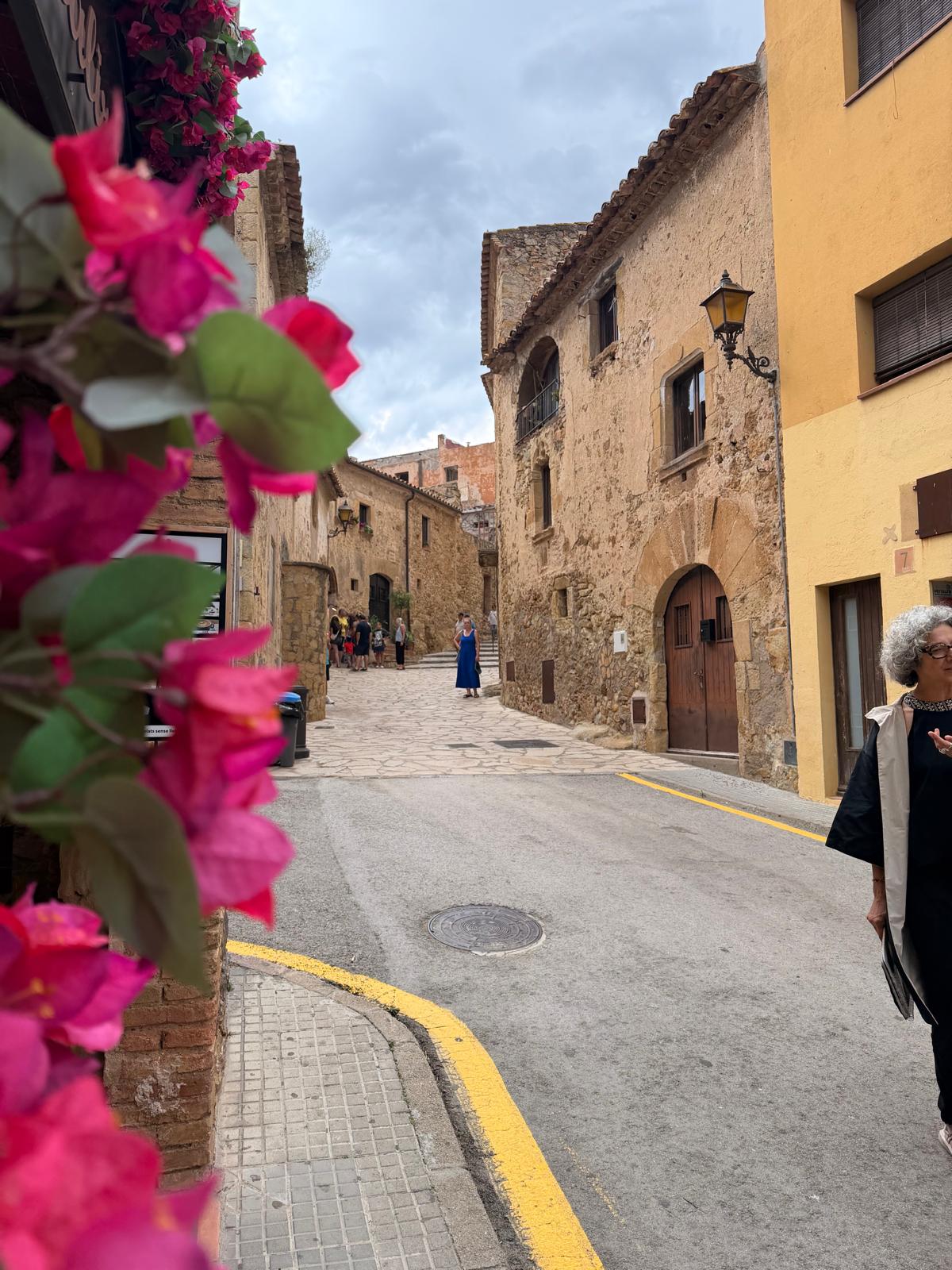
Out in the countryside, vineyards and olive groves roll between medieval villages such as Pals, where cobbled lanes, stone houses and year‑round local life give the same sense of lived‑in authenticity you might associate with a Chianti borgo or a village in the Médoc.
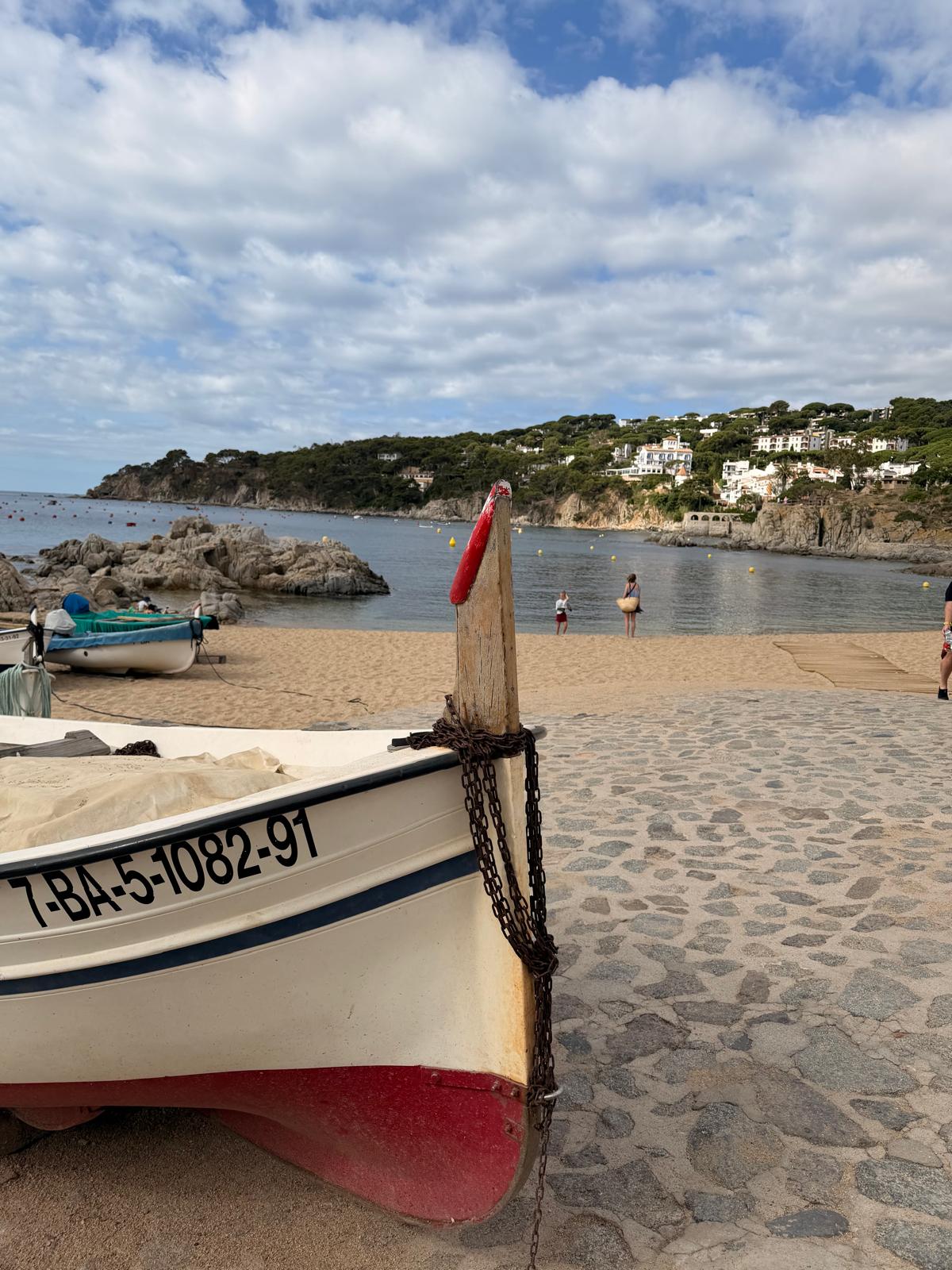
The coastline adds another dimension. Instead of a single long strip of sand, the Costa Brava is a series of small coves, fishing villages and rocky headlands. Around Calella de Palafrugell and along the Camí de Ronda coastal paths, the scenery is dramatic yet intimate, with pine trees, clear water and white‑washed houses that feel a world away from the “tower block” image many people hold.
Even beyond the Costa Brava, Catalonia’s architectural story continues. A visit to Colònia Güell and its Gaudí crypt offers the same kind of cultural depth you might seek out in Florence or Bordeaux city: creativity, history and a strong sense of place, all in one stop.
Gastronomy on a Par with Europe’s Food Capitals
If Tuscany and Bordeaux are shorthand for serious food and wine, Catalonia deserves a place on the same list.
The province of Girona is home to an impressive constellation of Michelin‑starred restaurants, but the real strength of the region lies in how coherent its food culture feels. Vineyards, olive groves, orchards, forests and the Mediterranean Sea all feed directly into the plate and the glass.
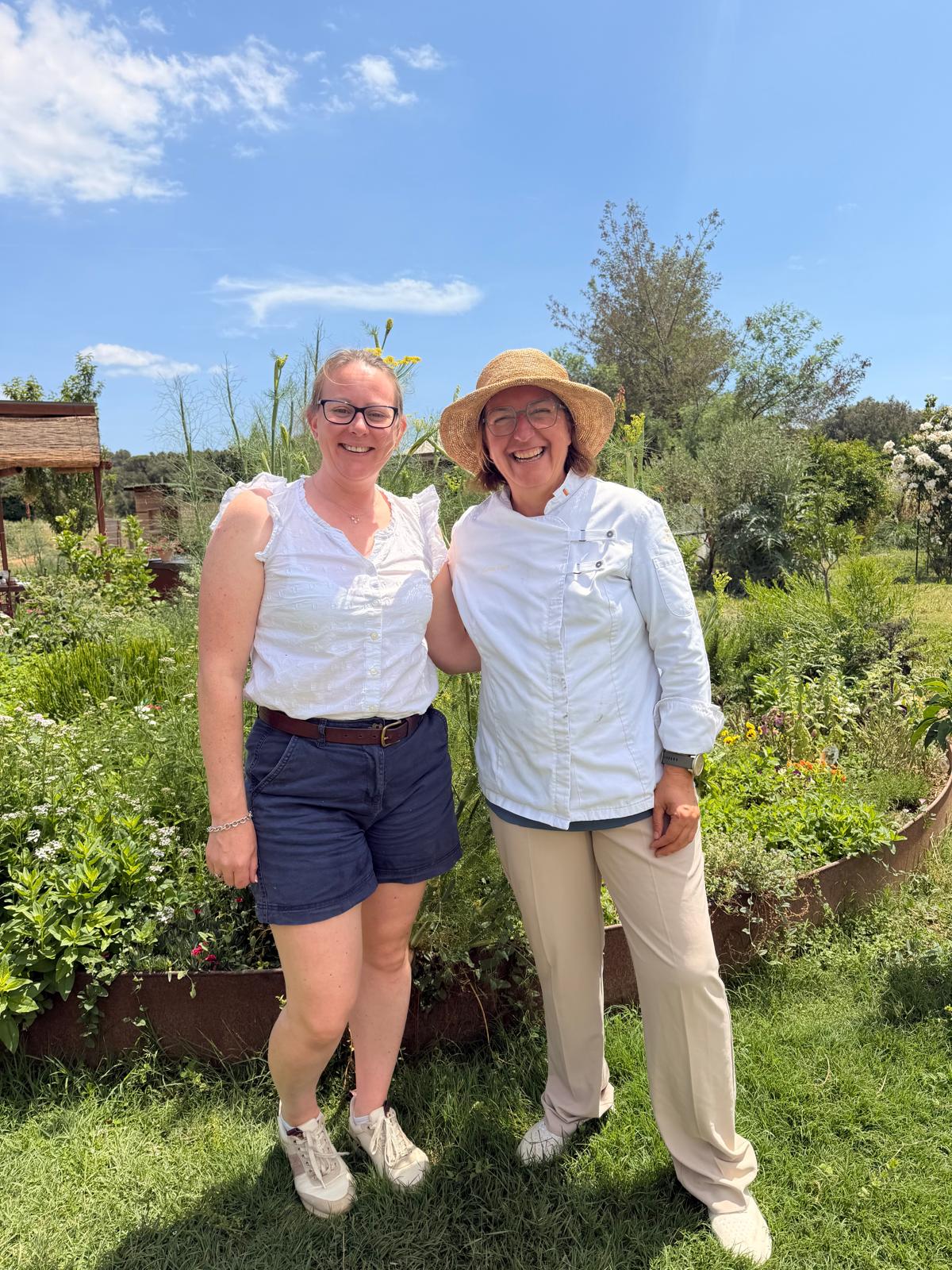
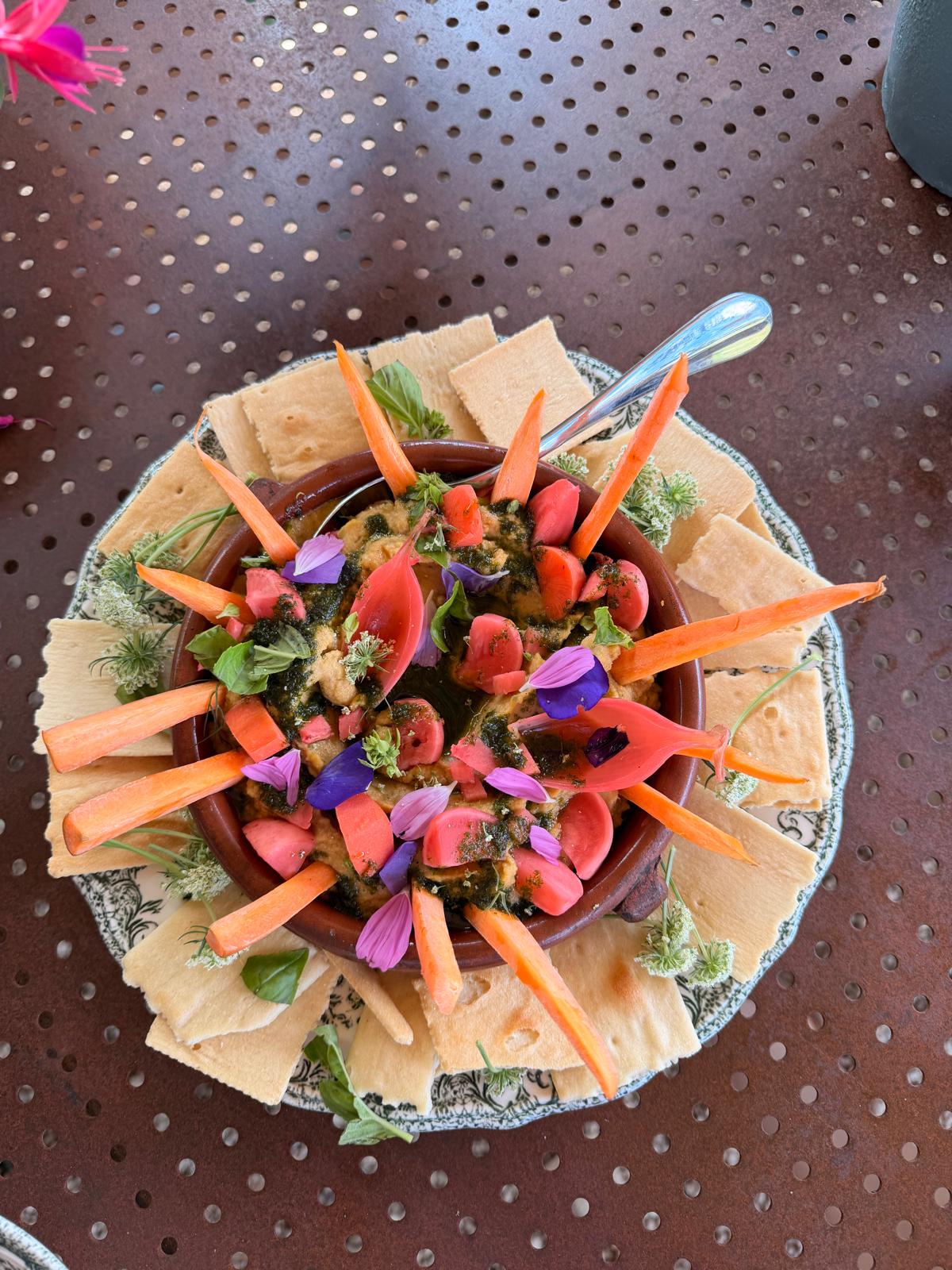
A garden‑to‑table experience with foraging chef IolandaBustos, “The Flower Chef”, brought this to life. Like the best farmhouse kitchens in Italy or chef‑led bistros in rural France, her cooking starts outside: walking the land, gathering wild herbs, edible flowers and native plants, then transforming them into delicate, expressive dishes. It is haute cuisine with its feet firmly in the soil.
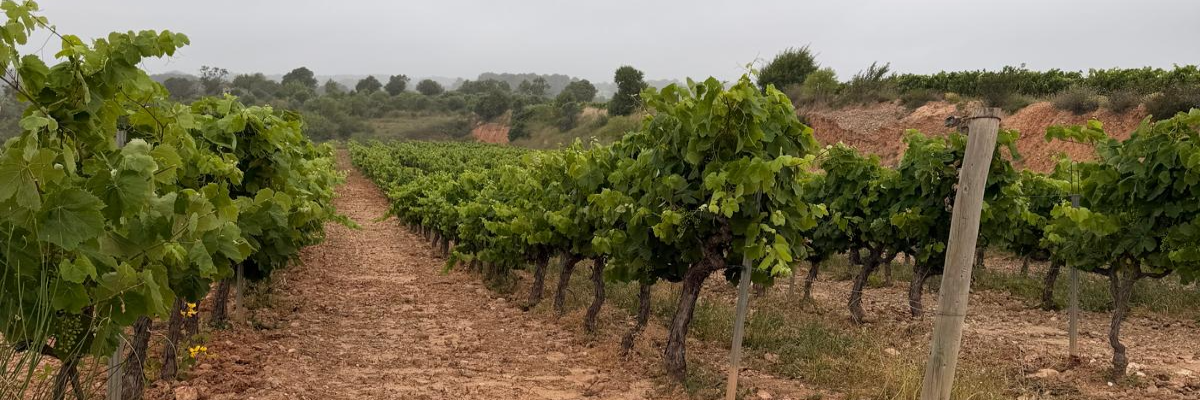
At Gramona, one of the founding producers of Corpinnat, Catalonia’s premium sparkling wine movement, I found the same mix of craftsmanship and respect for tradition that defines great wine regions like Champagne or Bordeaux. Vineyard walks, a working farm and atmospheric ageing cellars tell a story of patience and precision.
We ended with an al fresco vineyard lunch: estate wines, olive oil from their own groves and ingredients from the surrounding farm. Animals grazed nearby, vineyard rows stretched into the distance, and everything on the table tasted as if it belonged exactly where it was. It felt every bit as special and “sense of place” driven as a long lunch in a Tuscan agriturismo or a chateau in the Médoc.
From Michelin‑starred tasting menus and vineyard lunches to markets and small family producers, Catalonia offers a food and wine scene that easily stands alongside Europe’s most celebrated regions.
Golf and Wellness: A Refined Lifestyle, Not Just a Holiday
Where Tuscany might be known for cycling between hill towns and Bordeaux for leisurely drives between chateaux, Catalonia has its own way of blending lifestyle and landscape.
Golf is a big part of that story. The Costa Brava will host the Ryder Cup in 2031, putting it firmly on the map as a serious golfing destination. Camiral Golf & Wellness, the future host, feels much more like a contemporary country estate than a simple golf resort: championship courses, thoughtful design, spa facilities and excellent dining, all framed by views of the Catalan countryside.
Peralada Resort takes the same integrated approach, combining golf, wine, gastronomy, wellness and stylish accommodation in one place. It is the kind of setting where you could just as happily spend the day on the course, in the spa or at a wine tasting, much like the multi‑layered experiences you find in the best Italian or French estates.
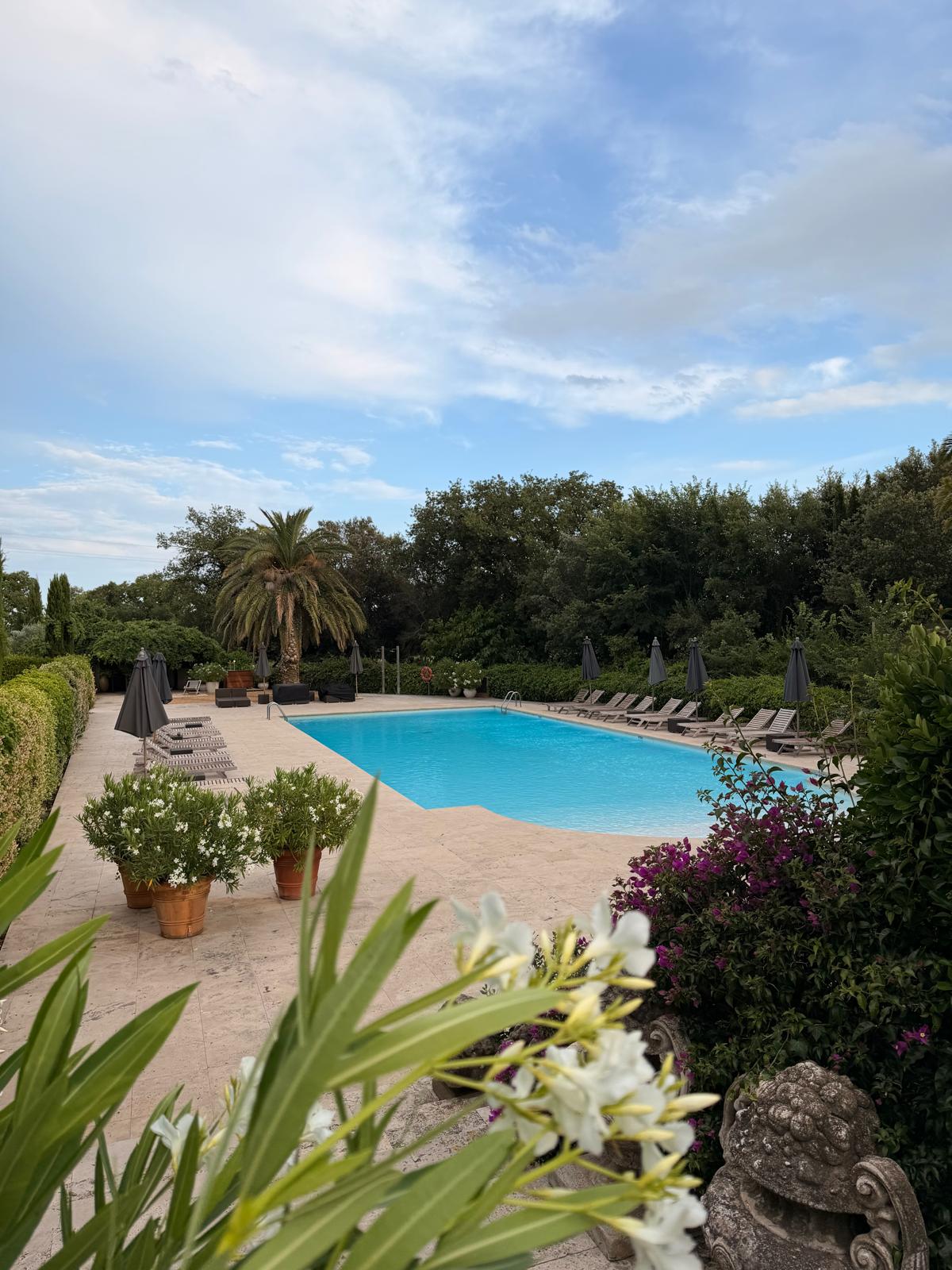
Wellness weaves through the region in quieter ways too.Mas de Torrent Hotel & Spa offers a countryside retreat with understated luxury, more focused on space, light and tranquillity than on trends. MasSalagros Eco Resort & Spa shows how sustainability and comfort can work together, with thermal waters, organic cuisine and an eco‑conscious philosophy that feels genuine rather than performative.
As in Tuscany or Bordeaux, the wellness element does not stop at the hotel door. Walking the Camí de Ronda, sailing along the Costa Brava, cycling through fields and villages, or simply slowing down over a long lunch in a shady square all feel like natural extensions of the same lifestyle.
Experiences That Go Beyond Sightseeing
What truly aligns Catalonia with regions like Tuscany and Bordeaux is the style of experiences on offer.
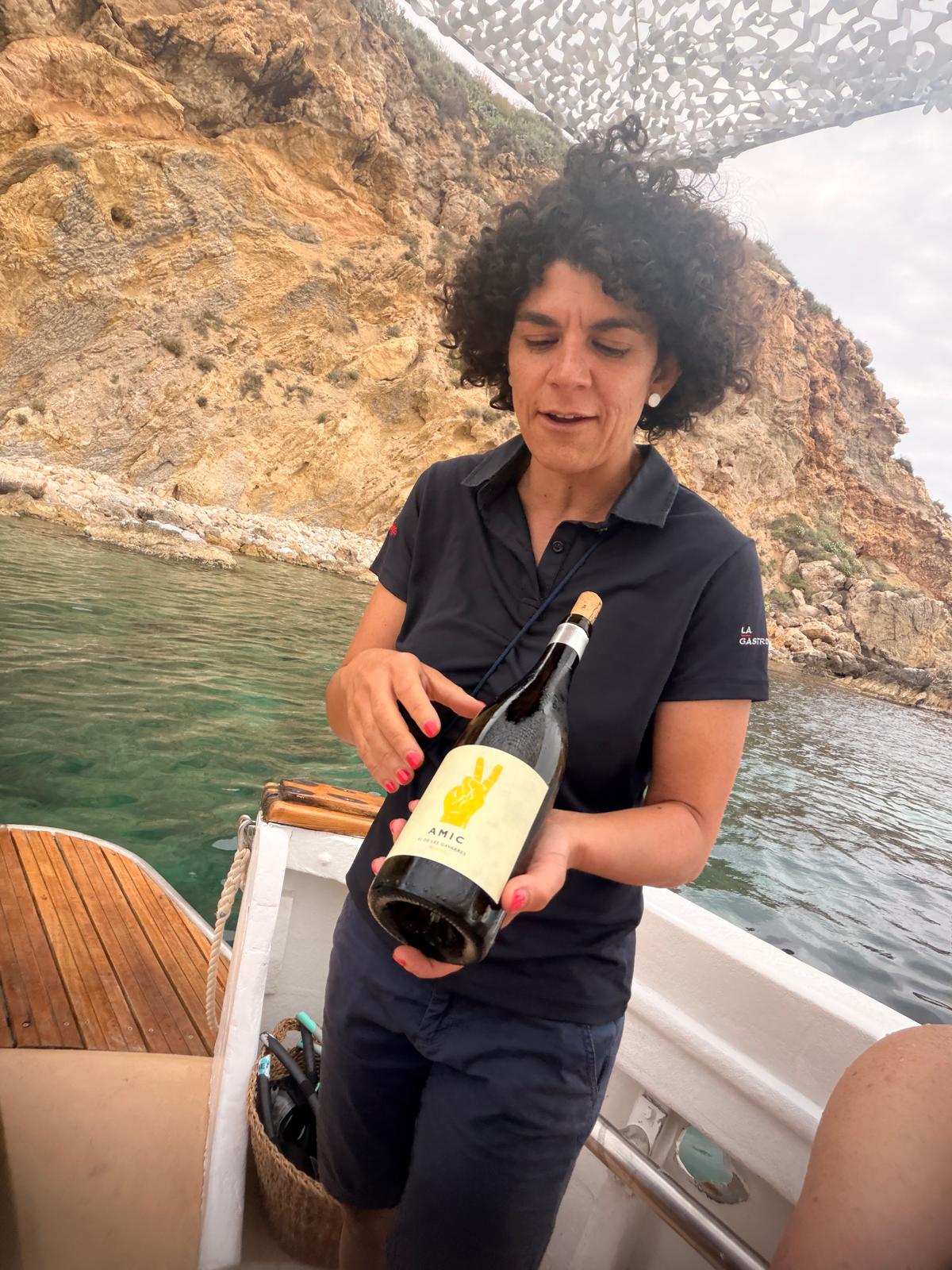
You can explore Girona through a guided food walk that blends history, architecture and tastings in markets and local bars. You can join coastal boat trips that combine fresh sea air, coastal swimming and gastronomical delight. Tailored food and wine itineraries introduce you to vineyards, olive mills and hidden restaurants that you would be unlikely to find alone.
None of this feels manufactured. Like the best wine tours in Bordeaux or truffle hunts in Italy, these are experiences built around people who live and work in the region, sharing what they know and love.
Final Thoughts: Catalonia in the Company of Greats
In the end, what surprised me most about Catalonia was not any single view, hotel or restaurant, but how consistently it delivered that sense of place.
Whether I was walking medieval streets, meeting artisans, tasting wines, following coastal paths, sailing between coves or dining in vineyards, one thing was always present: a strong, genuine connection to the land, the sea and the culture.
Catalonia does not shout for attention. It does not rely on spectacle. Instead it offers authenticity, craftsmanship, deep food and wine traditions and a lifestyle that invites you to slow down and savour.
The Costa Brava might still be sold as a beach destination, but for me, this trip proved something different.
I did not just find a coastline.
I found a region that deserves to sit comfortably alongside Europe’s most beloved culture and wine destinations.