The Ultimate Guide To Japan
Japan
The Ultimate Guide to Japan...
The Ultimate Guide to Japan
When to go, where to stay and how to plan your perfect trip
Japan is a country of captivating contrasts: thousand-year-old temples sitting quietly in the shadow of glass towers, steaming hot springs hidden in forested hills, and tiny noodle bars tucked beneath ultra-modern train stations.
It is also a place that runs with impressive precision. The average delay of a bullet train is measured in seconds rather than minutes. When a train departs even slightly off schedule, staff may issue a formal apology.
Whether you dream of wandering under clouds of cherry blossom, riding the legendary shinkansen or savouring sushi at a tiny counter only locals seem to know about, Japan has a way of turning a “bucket list” holiday into something much more memorable.
When Is the Best Time to Visit Japan?
Japan is a true year-round destination. Each season has its own character, so the “best time” really depends on what you want to see and feel.
Spring (March to May)
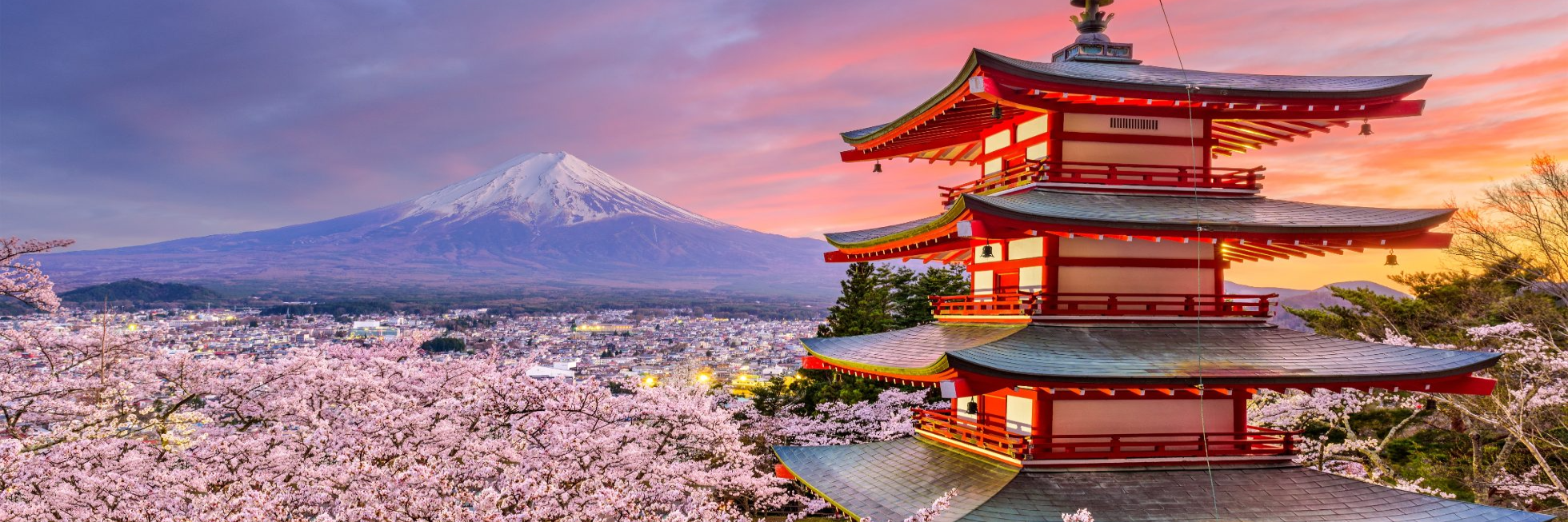
This is cherry blossom season, or sakura, when parks and riversides
are dusted in pink and locals gather for picnics under the trees. It is
beautiful, very popular and needs early planning because hotels and trains book
up quickly.
Summer (June to August)
Lush, green and full of energy, with festivals, fireworks and steamy evenings.
There is a rainy period and it can be hot and humid, but head into the Japanese
Alps or Hokkaido and you will find cooler air, hiking and mountain scenery.
Autumn (September to November)
A favourite for many Japan-lovers: clear blue skies, comfortable temperatures
and spectacular red and gold foliage, particularly in Kyoto, Nikko and the
mountain regions. It is perfect for sightseeing and photography.
Winter (December to February)
Crisp, bright days in the cities and world-class powder snow in the mountains.
Ideal if you want to combine Tokyo and Kyoto with skiing, snowboarding or
simply soaking in an outdoor hot spring as snowflakes fall around you.
Getting Around Japan: Trains, Passes & Luggage
Japan’s transport is part of the experience, especially if you love efficient systems and clean, well-organised stations.
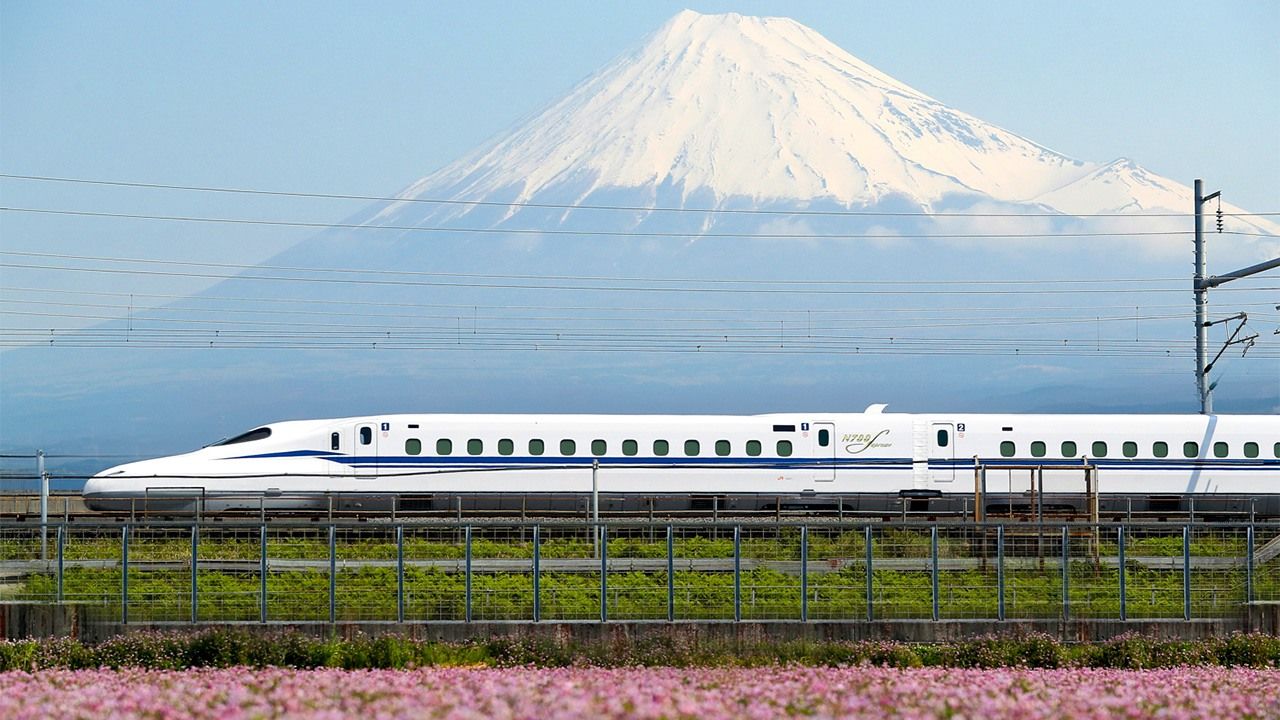
Bullet trains (shinkansen): Fast, smooth and remarkably punctual, linking major cities like Tokyo, Kyoto, Osaka and Hiroshima. Reserved seats are worth having, especially in busy seasons.
Local trains & metros: Easy to navigate in the big cities, with clear signage and announcements often in English as well as Japanese.
IC cards & tickets: In many regions you can tap in and out using rechargeable IC cards on metros, buses and some trains. For longer distances, timed train tickets work well.
Luggage forwarding: A brilliant service that allows you to send large suitcases ahead to your next hotel, so you can travel between cities with just a small bag.
Taxis: Clean and professional, often used for shorter hops, especially with luggage or in the evenings.
With the right mix of passes, tickets and transfers planned in advance, journeys become a pleasure rather than a puzzle.
Money & Connectivity: Cash, Cards & Staying Online
Japan feels incredibly modern, but money habits can still surprise first-time visitors.
Cash vs card: Card acceptance is growing quickly, especially in cities, but you will still find smaller, cash-only restaurants and shops. Keeping some yen in your wallet is very useful.
ATMs: Many convenience stores have ATMs that accept foreign cards, which makes topping up straightforward.
Tipping: Tipping is not part of everyday culture and can sometimes cause confusion. Excellent service is already built into the price.
Wi‑Fi & eSIMs: Renting a pocket Wi‑Fi device or using an eSIM is a simple way to stay connected. It makes navigation, translation apps and checking train times much easier.
Convenience stores: Open long hours, often 24/7, they are perfect for grabbing snacks, drinks, quick breakfasts and top-ups for your travel card.
A little planning here goes a long way to keeping everything smooth and stress-free.
Accommodation Styles: From Sky-high Suites to Traditional Ryokan
Japan does luxury and comfort in a very particular way: it is less about show, and more about detail and quiet perfection.
You might stay in:
Modern city hotels: Tower hotels with skyline views, rooftop bars and easy access to main stations and districts. Ideal for Tokyo and Osaka.
Boutique and design hotels: Smaller properties with a strong sense of style, often in interesting neighbourhoods that feel more local than touristy.
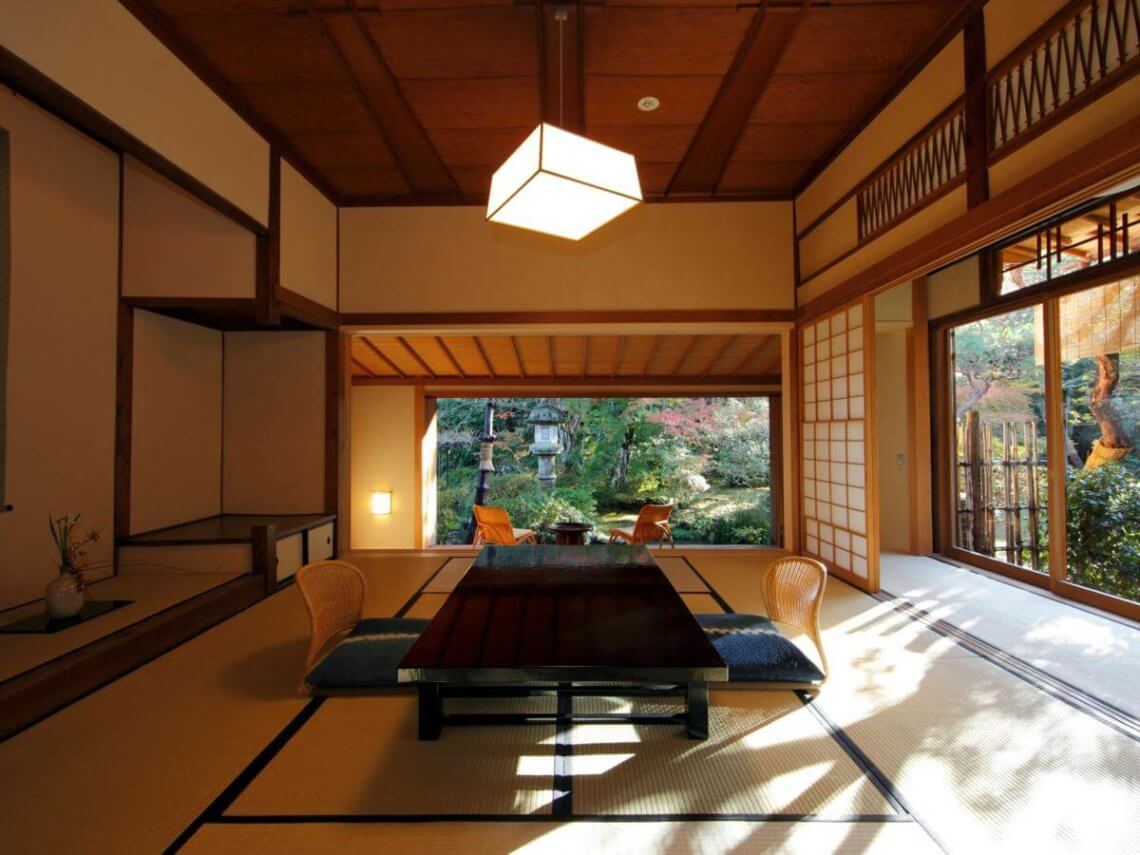
Ryokan: Traditional inns, often with tatami mat rooms, sliding doors and futon bedding. Many include exquisite multi-course kaiseki dinners and access to onsen baths.
Resorts & coastal stays: Beachfront or countryside retreats with spa facilities, larger rooms and a more resort-like feel.
A great Japan itinerary usually mixes at least two of these styles, so you can enjoy both contemporary comfort and the full “only in Japan” ryokan experience, matched carefully to your comfort level.
Etiquette & Little Things That Help
You do not need to know every rule to enjoy Japan, and people are usually very understanding of visitors, but a few basics help you feel more confident:
Escalators & queues: People queue calmly and stand on one side of the escalator (which side can vary by city). When in doubt, copy the locals.
Rubbish bins: Public bins can be surprisingly scarce. It is normal to carry your rubbish until you find the right place to dispose of it, often back at your hotel or a station.
Language: English is not spoken everywhere, but signage is good in major hubs. Simple phrases like “konnichiwa” (hello), “arigatou gozaimasu” (thank you) and “sumimasen” (excuse me/sorry) are very much appreciated.
Onsen etiquette: At hot springs you wash thoroughly before entering the shared baths, and swimsuits are usually not worn. Many places have clear pictorial guides to help.
Respectful behaviour: Speaking quietly on public transport, being punctual and handling money or cards with care all align with local expectations.
You are not expected to be perfect. A little effort, curiosity and willingness to follow local lead goes a long way.
A Few Fun Facts & Cultural Quirks
Part of Japan’s charm lies in its little details and unwritten rules. A few to smile at (and remember) include:
Bullet trains and punctuality: Shinkansen delays are measured in seconds. If a train departs even slightly early or late, staff may apologise for the inconvenience.
Walking and eating: In many places it is considered bad manners to walk and eat at the same time. The more polite option is to stop, eat, bin your rubbish, then move on.
Quiet trains: Public transport is generally very quiet. Loud phone calls are frowned upon, and many people switch their phones to silent mode.
Shoes off: You will often be asked to remove shoes in homes, traditional inns and some restaurants or temples. Slip-on shoes or trainers can make life easier.
Vending machine heaven: Japan has an astonishing number of vending machines. You can buy everything from hot coffee in a can to ice cream and, in some areas, even fresh flowers.
These small differences are part of what makes travelling around Japan so fascinating, and having someone to guide you through them makes it much easier to relax and enjoy.
Essential First-Time Route: Tokyo, Kyoto & Osaka
For many first-time visitors, the classic “golden route” focuses on three key cities connected by the bullet train.
Tokyo: Skyline Views, Backstreets & Neon Nights
Tokyo is a collection of distinctive neighbourhoods, each with its own personality:
Shibuya & Shinjuku for neon lights, busy crossings, rooftop viewpoints and nightlife.
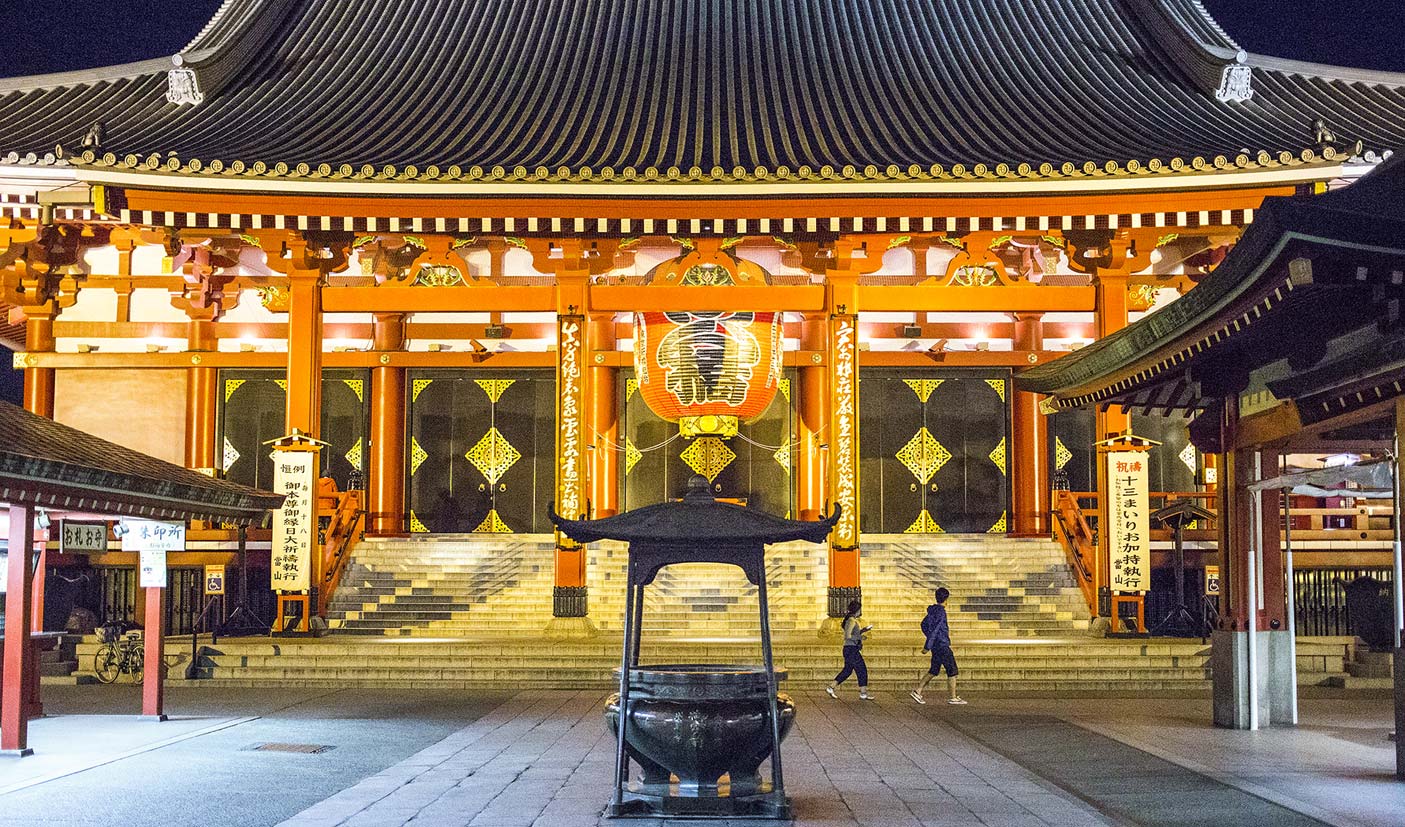
Asakusa for Senso-ji Temple, lantern-lit streets and traditional crafts.
Ginza for sleek boutiques, department stores and refined dining.
Odaiba for futuristic architecture, waterfront strolls and family-friendly attractions.
A thoughtfully planned stay might include a private food tour, a visit to a sky-high observation deck at sunset and time in a tranquil garden or shrine to balance the buzz.
Kyoto: Temples, Tea Houses & Timeless Streets
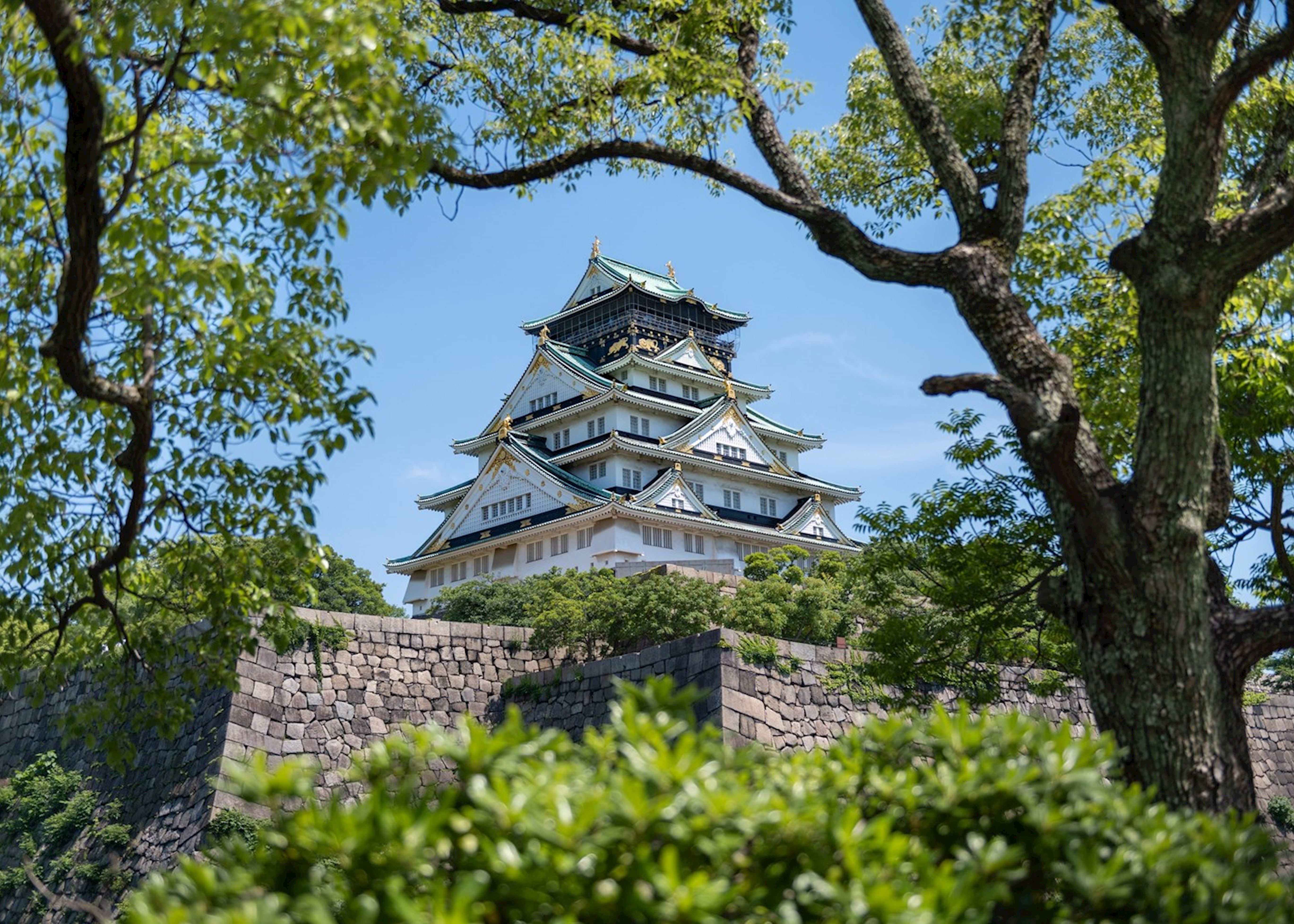
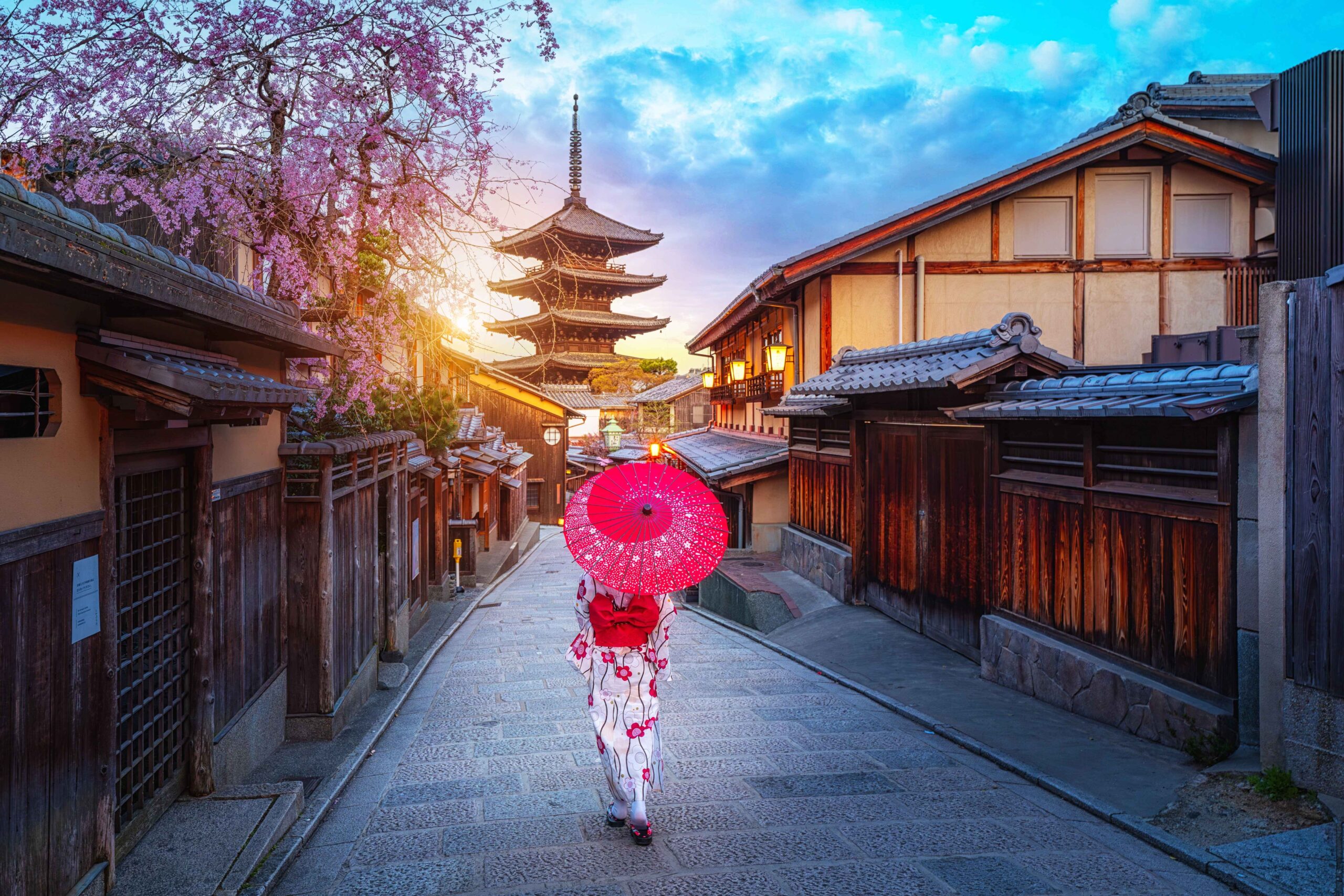
If Tokyo shows Japan’s future, Kyoto reveals its heart. As the former imperial capital, it is home to hundreds of temples and shrines, beautifully preserved districts and atmospheric markets.
You could:
Wander the wooden streets of Gion at dawn or dusk.
Visit the famous red torii gates of Fushimi Inari and the bamboo groves of Arashiyama.
Join a tea ceremony, calligraphy lesson or kimono experience.
Explore Nishiki Market with a guide to uncover local specialties.
From Kyoto it is easy to day-trip to Nara, where historical temples and gentle deer create a surprisingly peaceful escape from city life.
Osaka: Food, Fun & Night-time Energy
Osaka is often described as Japan’s kitchen. It is lively, welcoming and all about good food and good times.
Stroll through Dotonbori after dark, with its neon signs and endless dining options.
Try local favourites like okonomiyaki (savoury pancakes) and takoyaki (octopus balls).
Spend time in entertainment districts, quirky shops and bustling arcades.
Add a day at Universal Studios Japan if you are travelling with families or theme-park fans.
Together, Tokyo, Kyoto and Osaka create a well-balanced first visit: big-city buzz, traditional culture and seriously good food, all connected easily by rail.
Beyond the Classics: Japan’s Diverse Regions
Once you have ticked off Tokyo and Kyoto, or if you are looking for something a little more adventurous, Japan’s regions open up a world of choice.
Hokkaido: Wild Landscapes & Winter Magic
In the far north, Hokkaido feels spacious and untamed.
Why go: world-class powder snow, national parks, volcanic landscapes and fresh seafood.
Best for: skiers and snowboarders, hikers, photographers and nature lovers.
Think: elegant ski resorts, flower meadows in summer and steaming outdoor baths in the snow.
Hiroshima & Miyajima: Reflection & Island Charm
On the coast of western Honshu, Hiroshima is a place of powerful history and gentle everyday life, often paired with nearby Miyajima Island.
Why go: to understand a key chapter of world history in a thoughtful, respectful way, then relax in beautiful natural surroundings.
Best for: culturally curious travellers, couples and older families.
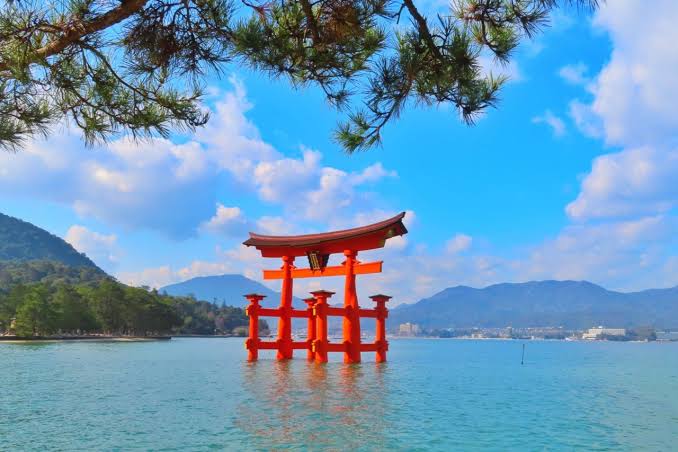
Think: the Peace Memorial Park and Museum, the “floating” torii gate of Miyajima, hikes, scenic viewpoints and local okonomiyaki cooked on hotplates in front of you.
Shikoku: Pilgrimages & Slow Travel
Shikoku, the smallest of the four main islands, has a gentle, unhurried feel.
Why go: a sense of being away from the usual tourist trail without losing comfort.
Best for: repeat visitors, walkers, and those drawn to spiritual or cultural journeys.
Think: sections of the 88-temple pilgrimage, river gorges, rural inns, hot-spring towns and hands-on experiences such as traditional paper-making.
Kyushu: Hot Springs, Volcanoes & Warm Hospitality
To the southwest, Kyushu blends dramatic scenery with a relaxed, inviting atmosphere.
Why go: steamy hot springs, volcanic landscapes and coastal towns with character.
Best for: spa lovers, photographers, foodies and anyone who enjoys scenic drives.
Think: ryokan with onsen baths, viewpoints over caldera lakes and regional dishes that showcase local produce.
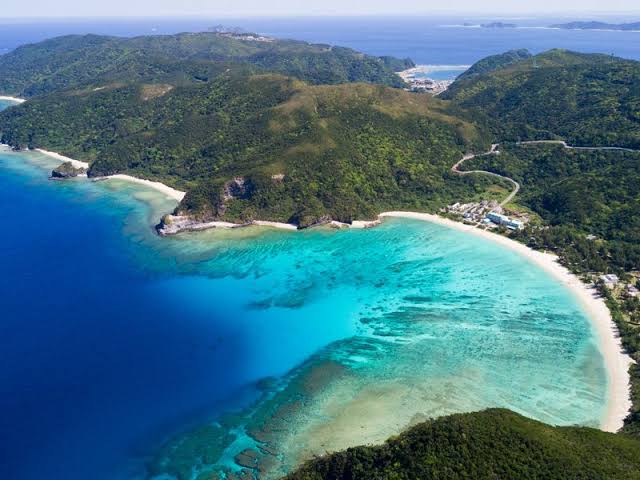
Okinawa: Japan’s Tropical Side
In the far south, Okinawa feels like a different world altogether.
Why go: white-sand beaches, turquoise seas and a distinctly laid-back island culture.
Best for: couples and families wanting to unwind after a busy sightseeing itinerary.
Think: beach time, gentle water-based activities, subtropical gardens and a slower pace.
Three Inspiring Japan Itineraries
To help you imagine how a trip might flow, here are three sample routes: a classic introduction, a scenic journey and an extended “ultimate” adventure. All of them can be tailor-made and adjusted around your interests, pace and preferred travel dates.
1. Classic First-Time Japan
Tokyo, Kyoto & Osaka | Around 10–12 nights
Days 1–4: Tokyo
Arrive into Tokyo and give yourself time to adjust and explore.
Take in Shibuya Crossing and the views from a city observation deck.
Visit Asakusa’s Senso-ji Temple and browse its surrounding streets.
Enjoy a guided food tour to discover tiny local spots you might not find alone.
Days 5–8: Kyoto
Ride the bullet train to Kyoto and slow the pace.
Visit Fushimi Inari, Arashiyama and a selection of quieter temples and gardens.
Stroll through Gion’s wooden streets in softer morning or evening light.
Try a cultural experience such as tea ceremony or kimono for a deeper connection.
Days 9–11/12: Osaka
Finish in Osaka for a fun, food-filled finale.
Dive into Dotonbori at night for street food and canal-side walks.
Sample Osaka’s specialities and soak up the easygoing atmosphere.
Add a day trip to Nara or Universal Studios Japan if it suits your style.
2. Scenic Japan With Onsen & Island Beauty
Tokyo, Hakone, Kyoto & Hiroshima/Miyajima | Around 12–14 nights
Days 1–3: Tokyo
Begin with a few days in Tokyo, blending highlights with time in local
neighbourhoods.
Meet a private guide for half a day to ease you gently into the city.
Enjoy rooftop drinks, shrines hidden behind shopping streets and time in a peaceful garden.
Days 4–5: Hakone
Travel into the hills of Hakone.
Stay in a traditional ryokan with tatami floors, yukata robes and onsen baths.
Cruise on Lake Ashi and ride the ropeway over volcanic valleys.
Hope for clear skies and glimpses of Mount Fuji.
Days 6–9: Kyoto
Move on to Kyoto for four nights.
Mix big-name sights with quieter corners and atmospheric side streets.
Explore Nishiki Market and try seasonal delicacies.
Add a craft, cooking or cultural workshop to personalise your stay.
Days 10–12/13: Hiroshima & Miyajima
Take the shinkansen to Hiroshima.
Spend time at the Peace Memorial Park and Museum at a comfortable pace.
Continue to Miyajima for a night or two on the island.
Enjoy shrines, forested walks and calm evenings by the water.
Optional final night
Stay in Osaka or near your departure airport for a smooth journey home.
3. Ultimate Japan Journey
Tokyo, Hakone, Kyoto, Hiroshima/Miyajima, Shikoku or Kyushu, plus Okinawa or Hokkaido | Around 18–21 nights
Days 1–4: Tokyo
Begin in Tokyo with four nights to really get under the skin of the city.
Mix iconic sights with lesser-known neighbourhoods.
Include a chef’s counter dinner, cocktail bar with skyline views or a private evening tour.
Days 5–6: Hakone
Transfer to Hakone for a luxurious ryokan stay.
Indulge in beautifully presented multi-course dinners and restorative onsen baths.
Spend your days exploring at a gentle pace, then retreat to your room to unwind.
Days 7–10: Kyoto
Spend four nights in Kyoto, perhaps splitting your stay between two contrasting
properties.
Arrange curated experiences: tea ceremonies, artisan visits, or a photography walk.
Take a day trip to Nara or Uji for temples, gardens and riverside scenery.
Days 11–13: Hiroshima & Miyajima
Travel west by bullet train.
Explore Hiroshima’s historical sites and peaceful riverside.
Stay on Miyajima Island in a ryokan or boutique inn, enjoying walks, viewpoints and local cuisine.
Days 14–17: Regional focus: Shikoku or Kyushu
Choose one region that best matches your interests:
Shikoku: walk selected sections of the 88-temple pilgrimage, explore river gorges and stay in small inns or spa towns.
Kyushu: soak in hot springs, visit volcanic viewpoints and discover characterful towns and ports.
Days 18–20/21: Coastal or mountain finale
End with complete contrast:
Okinawa: fly south for tropical beaches, gentle snorkelling and a few days of pure relaxation.
Hokkaido (especially in winter or summer): head north for mountain scenery, skiing or hiking, and memorable farm-to-table dining.
This extended journey is ideal for travellers who want to “do Japan properly”: seeing the famous highlights, then going further to experience quieter, more local corners of the country.
Food & Drink: A Journey in Every Meal
Japan is one of the world’s great food destinations and it caters to all kinds of travellers, from adventurous gourmets to families and those with dietary needs.
Expect:
Sushi and sashimi prepared in front of you at tiny counters.
Bowls of ramen or udon in modest-looking shops that locals queue for.
Tempura, yakitori, okonomiyaki and endless small plates in lively izakaya.
Beautifully presented sweets, matcha treats and seasonal specialities.
With the right planning and local insight, it is increasingly possible to travel comfortably with vegetarian, vegan or gluten-conscious requirements, especially in the main cities.
Why Plan Japan With a Personal Travel Counsellor?
Japan rewards careful planning. Popular seasons and the most characterful ryokan can book up months ahead, and many of the best experiences are not obvious online or may only be available in Japanese.
Working with a dedicated Travel Counsellor means:
Your itinerary is shaped around your interests, pace and budget, not a one-size-fits-all tour.
Stays, transfers and train journeys are stitched together into one seamless holiday.
You have one dedicated point of contact from your first chat to your return home, with full financial protection for complete peace of mind.
If Japan is on your wish list, or you are ready to return and see a different side of it, I would love to help you design a journey that feels completely your own.
Ready to start planning your Japan adventure? Get in touch and let’s create a tailor-made itinerary that is as unique as you are.