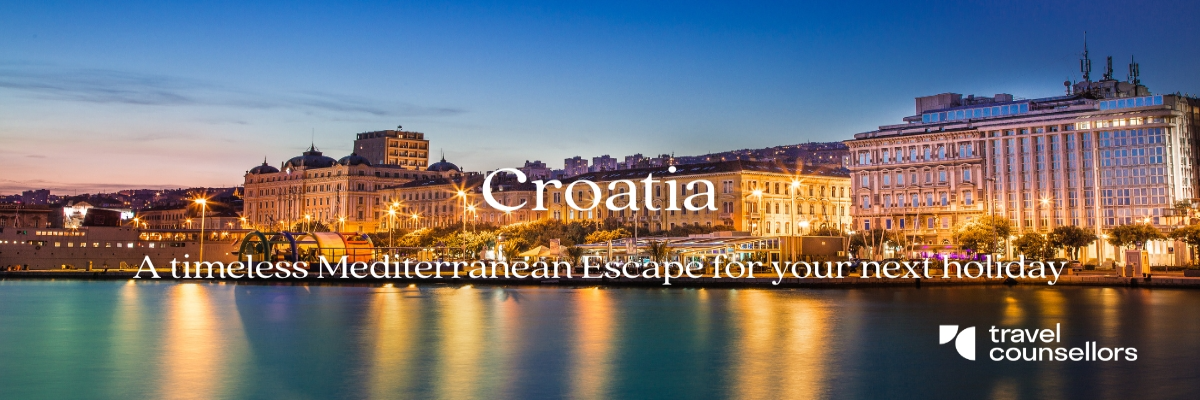
Croatia, a timeless Mediterranean Escape.
Sun-kissed coastlines with storybook towns and rich cultural heritage, Croatia deserves a place at the top of your shortlist.
If you’re looking for a destination that blends sun-kissed coastlines with storybook towns and rich cultural heritage, Croatia belongs at the top of your shortlist. It offers turquoise Adriatic waters, UNESCO-listed old towns, excellent local cuisine, and easy connections from the UK, all wrapped in a warm, relaxed Mediterranean atmosphere.
A crossroads of history and culture
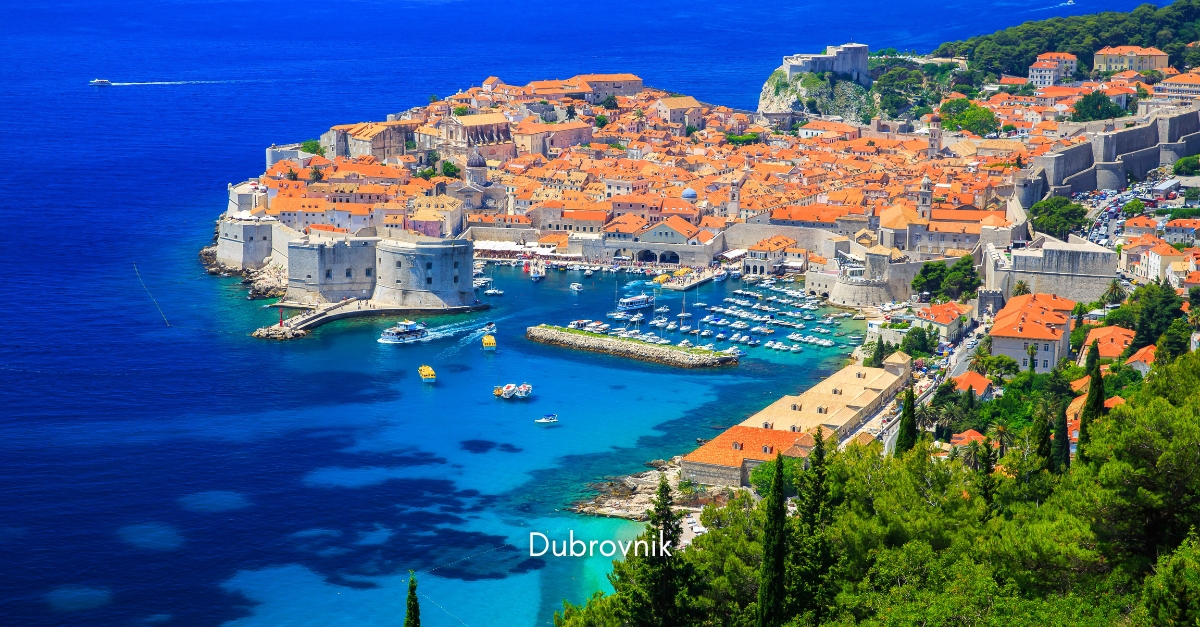
Croatia sits at the meeting point of Central Europe, the Balkans and the Mediterranean, and its history is written into every cobbled alleyway and city wall.
From the ancient Greeks and Romans to Venetian traders and Austro-Hungarian nobility, many powers have shaped this coastline. Split grew around the vast Roman palace of Emperor Diocletian, while Dubrovnik flourished as the independent Republic of Ragusa, a maritime rival to Venice. In the north, cities like Zagreb and coastal Istria reflect a more Central European feel, with elegant Austro-Hungarian architecture and café culture.
That layered history means endlessly varied experiences: Roman ruins by the sea, medieval ramparts with sweeping views, baroque churches and Renaissance squares, often within a short walk of modern boutiques and stylish wine bars. It is a destination where you can stroll through 1,700 years of history in an afternoon, then watch the sun set over the Adriatic with a glass of local wine in hand.
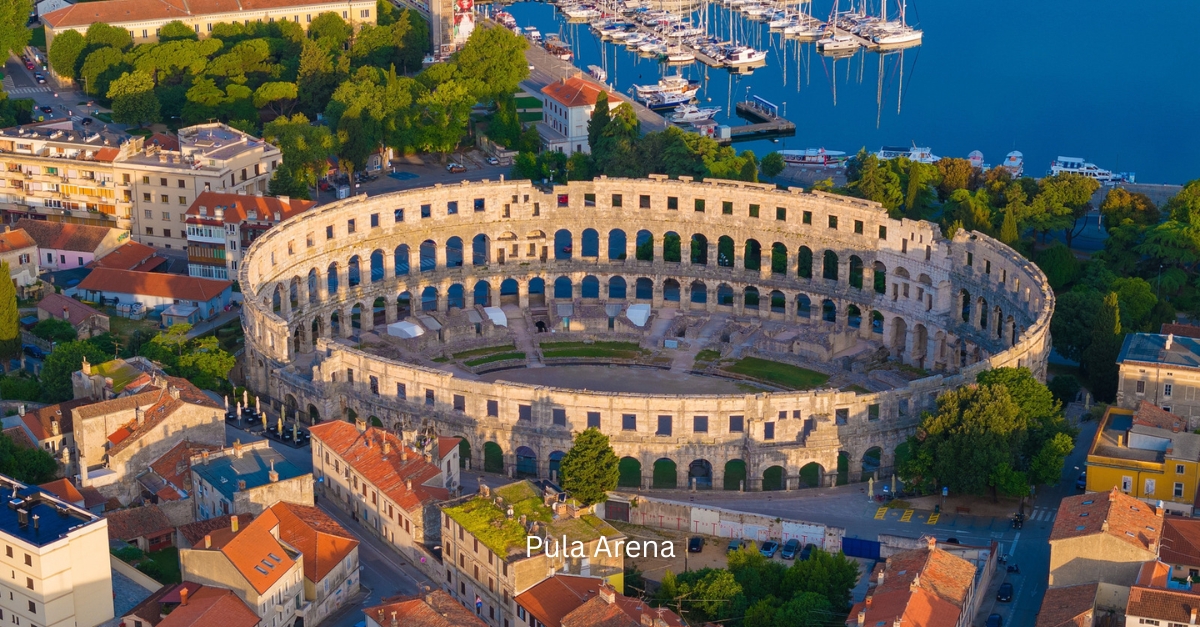
Built in the 1st century AD, Pula Arena once hosted gladiator fights for over 20,000 spectators.
A feast of flavours: Croatian food and wine
Croatia’s culinary scene is excellent, especially for food-loving travellers who enjoy authentic, local experiences.
On the coast, the cuisine is very Mediterranean in style:
- Fresh seafood: Expect grilled fish, octopus, scampi and calamari, often simply prepared with olive oil, garlic and lemon.
- Dalmatian classics: Dishes such as pašticada (slow-cooked beef in a rich wine and prune sauce) and black risotto made with cuttlefish ink are superb for those wanting regional specialities.
- Olive oil and herbs: High-quality oils, rosemary, bay leaves and sage feature in many dishes, giving a fragrant, sun-drenched character.
Inland, the food becomes heartier and more Central European:
- Meat and game: Grilled meats, stews and game dishes are common, often accompanied by potatoes and seasonal vegetables.
- Cheeses and cured meats: Pag cheese, smoked hams and sausages give clients a chance to taste Croatia’s artisanal heritage.
And if that's not enough to tempt you, Croatia’s wines are increasingly recognised, particularly the crisp whites of Istria and Dalmatia and the rich reds from the Pelješac Peninsula and the islands.
Vineyard visits or relaxed tastings in local wine bars are a lovely way to sample Croatia’s vineyard produce.
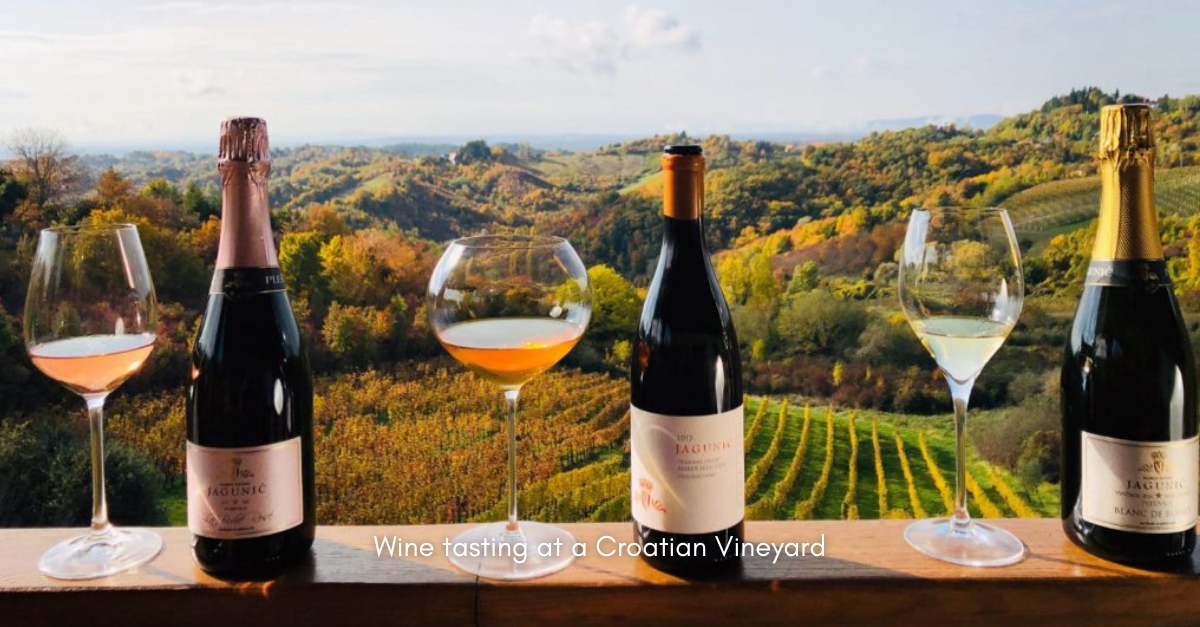
Plesivica - A Famous Croatian Wine Region, 30 km southwest of Zagreb
Croatia is incredibly photogenic, making it ideal for those who value scenic beauty and time in nature.
The Dalmatian Coast & Islands: The Dalmatian coast is the image many people have of Croatia: limestone cliffs, pine-fringed bays and jewel‑coloured sea. Island‑hopping works brilliantly here, whether by scheduled ferries or private boat charter for a more luxurious feel.
- Split: A lively coastal city wrapped around Diocletian’s Palace, one of the most impressive Roman sites in Europe. Clients can wander through its narrow streets, stay in boutique hotels tucked into ancient walls and dine in atmospheric courtyards.
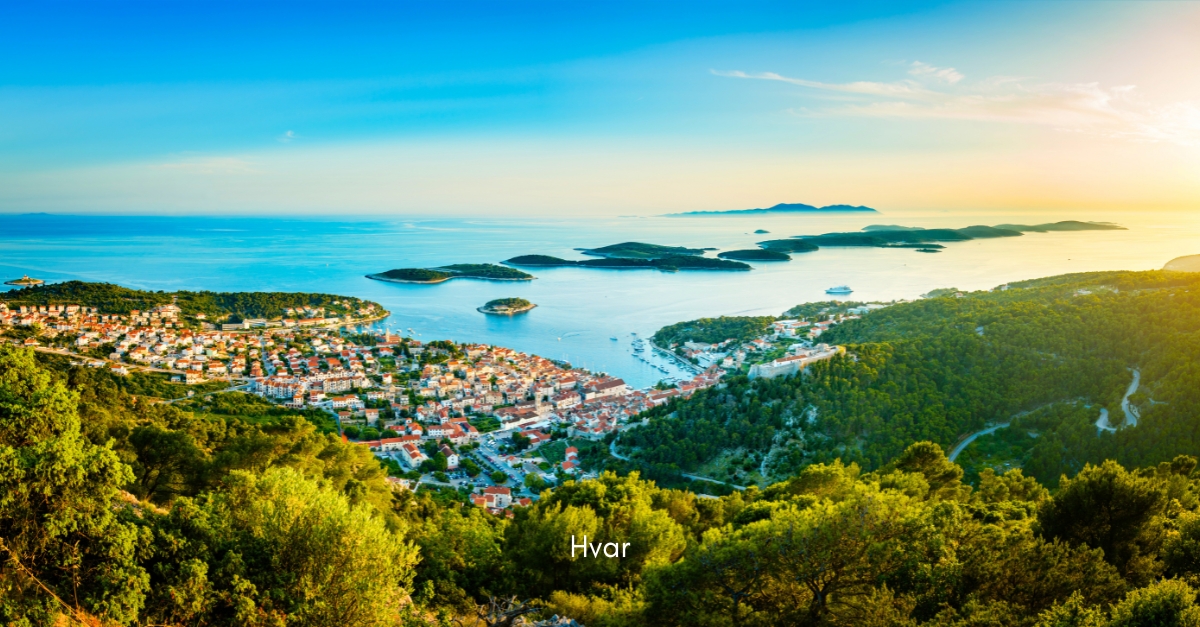
- Hvar: Known for its elegant harbour, lavender fields and excellent restaurants and bars. Ideal for couples and groups of friends who like a stylish, buzzy setting with the option of boat trips to hidden coves.
- Korčula: A more laid-back island with vineyards, olive groves and a charming walled old town. Perfect for those seeking a quieter, more romantic escape.
Dubrovnik: The Pearl of the Adriatic. Dubrovnik is arguably Croatia’s star attraction. Its perfectly preserved old town is encircled by massive stone walls, with terracotta roofs tumbling down to the sea.
You can:
- Walk the city walls for spectacular panoramic views.
- Explore baroque churches, monasteries and palaces.
- Take a cable car to Mount Srđ for sunset views over the islands.
Dubrovnik works beautifully as a short city break, or as the finale to a longer coastal itinerary. A boat trip to the nearby Elaphiti Islands is a must.
The Elaphiti Islands are a small, beautiful archipelago northwest of Dubrovnik, Croatia, known for their tranquil, car-free atmosphere and stunning Adriatic scenery, with the three main inhabited islands being Šipan, Lopud, and Koločep. Popular for day trips from Dubrovnik, they offer sandy beaches (like Šunj on Lopud), hiking trails, olive groves, and historic villages, and are easily reached by public ferries for a peaceful escape with swimming, kayaking, and exploring unique island life.
Plitvice Lakes & Croatia’s national parks: Away from the coast, Croatia’s national parks are a major draw.
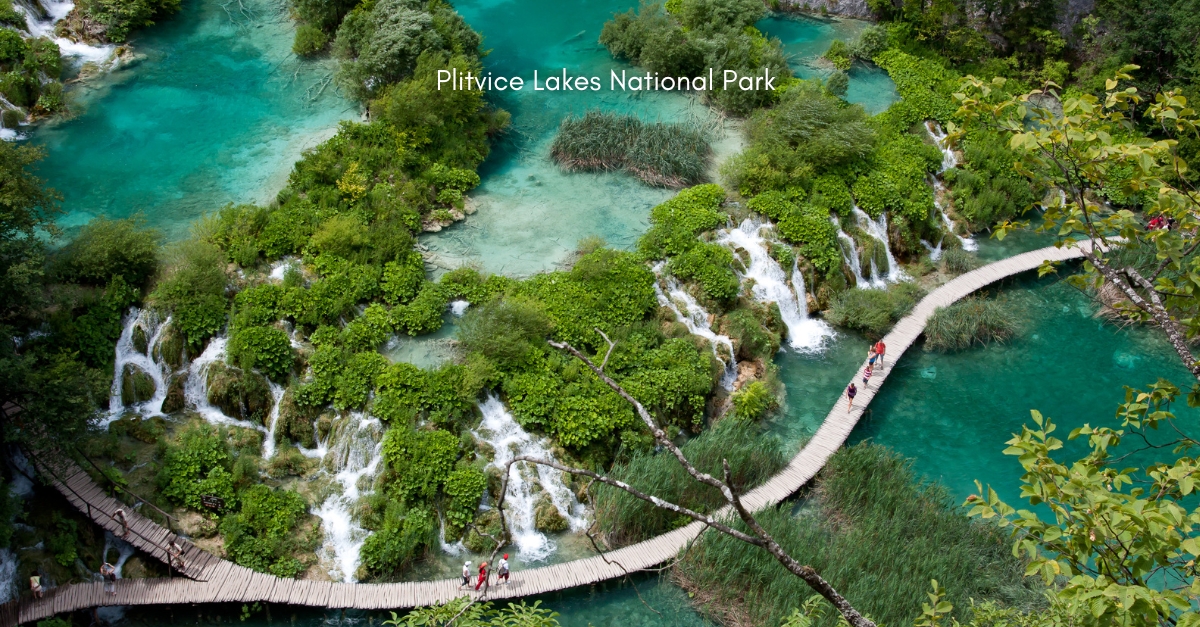
- Plitvice Lakes National Park: A network of cascading lakes and waterfalls in vivid shades of turquoise and emerald, linked by wooden walkways through lush forest. One of Croatia’s most iconic natural sites, it's ideal as a day trip between Zagreb and the coast, or as a two-night stop for keen walkers and photographers.
- Krka National Park: Closer to the coast, near Šibenik, Krka offers another set of beautiful waterfalls and scenic walking trails, easily reached on a day trip from many Dalmatian resorts.
Cities and culture beyond the coast
While the seaside tends to steal the limelight, visiting Croatia’s cities adds real depth to a holiday.
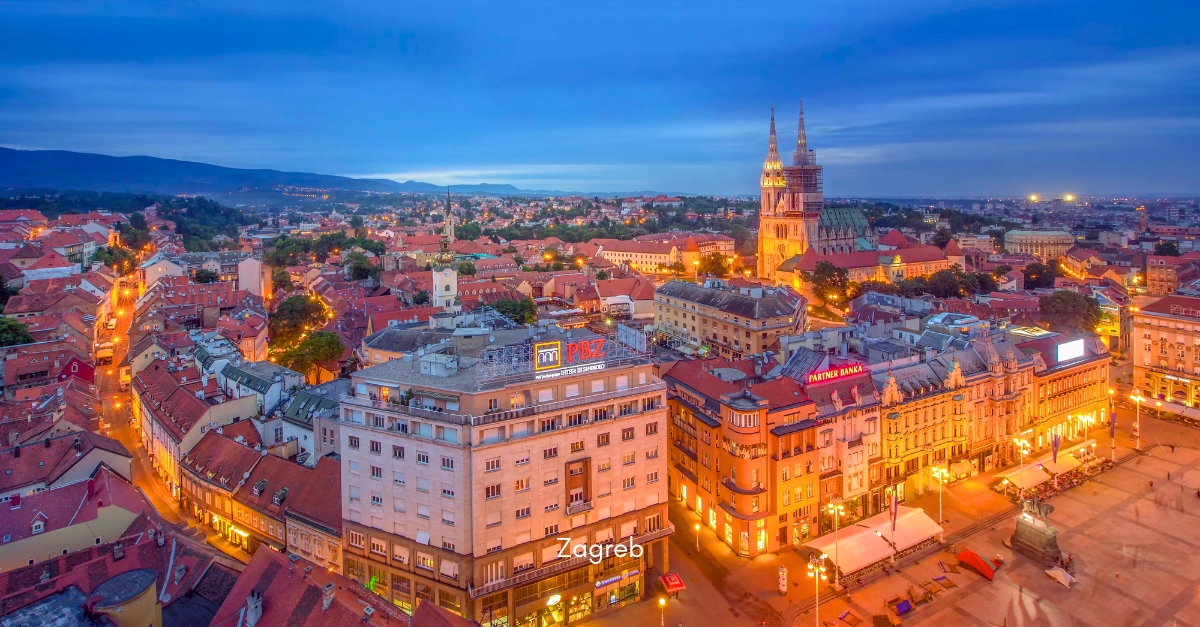
Zagreb: The capital is a charming city of Austro-Hungarian facades, leafy parks and pavement cafés. The upper town has cobbled streets and pretty squares, while the lower town offers museums, galleries and shopping. Zagreb pairs well with a road trip south towards the coast, taking in Plitvice Lakes en route.
Istria: This heart-shaped peninsula in the north blends Italian and Croatian influences. Hilltop towns such as Motovun and Grožnjan overlook vineyards and olive groves, while coastal towns like Rovinj offer romantic harbours, excellent seafood and boutique hotels. It is a wonderful region for self-drive trips, gourmet experiences and quieter coastal stays.
Why Croatia really should be on your bucket list this summer?
Croatia works beautifully for couples, families and small groups who want:
- Reliable summer sunshine and warm seas.
- A mix of culture, history and coastal relaxation.
- Flexible itineraries, from short breaks to extended island‑hopping.
- Authentic food and wine, with a strong sense of place.
I can tailor itineraries to suit almost any style: from boutique heritage hotels inside ancient town walls, to chic island retreats and villas, to self-drive tours linking national parks and historic cities. I can add private transfers, guided tours, wine tastings or yacht charters, and you have a truly premium, highly personalised experience.
Thinking of Croatia next summer? Give me a call or drop me an e-mail.