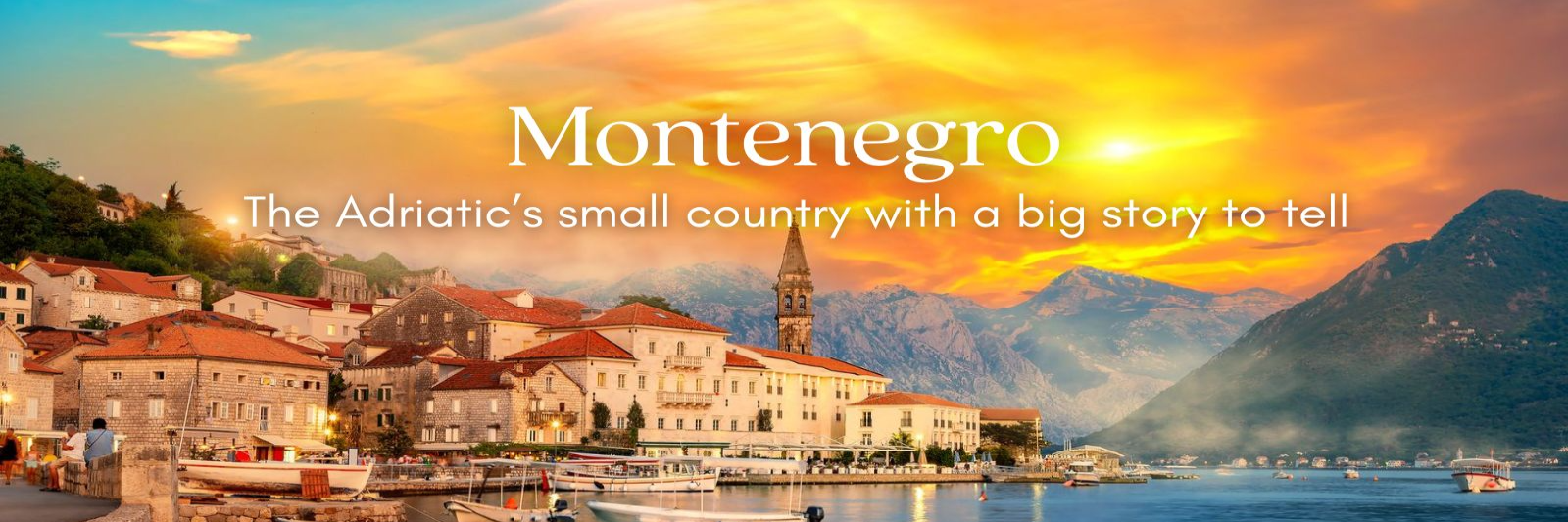
Montenegro, the Adriatic's small country with a big story to tell.
For travellers who crave variety in a single trip, Montenegro is an unforgettable discovery.
Wedged between rugged mountains and a shimmering coastline, it offers a rare blend of Venetian charm, Balkan warmth and pristine wilderness, all within a country you can cross in just a few hours.
A tapestry of history and culture
Although Montenegro only became an independent nation again in 2006, its history stretches back centuries. This is a land that resisted empires, traded with powerful maritime republics and developed a strong sense of identity shaped by Orthodox, Catholic and Ottoman influences. You see it in the church spires and stone fortifications, hear it in the bells and call to prayer that sometimes mingle on the breeze, and taste it in the food that combines Mediterranean lightness with hearty Balkan comfort.
Culturally, Montenegrins are renowned for their hospitality. Time moves more slowly here: long coffee breaks are a way of life, and there is always room for one more guest at the table. Folk music, religious festivals and family gatherings are central to everyday life, yet modern Montenegro is also looking forward, with stylish marinas, boutique hotels and chic beach clubs appearing alongside ancient towns. For many visitors, that contrast between old and new is part of the fascination.
The magic of the Bay of Kotor and Perast
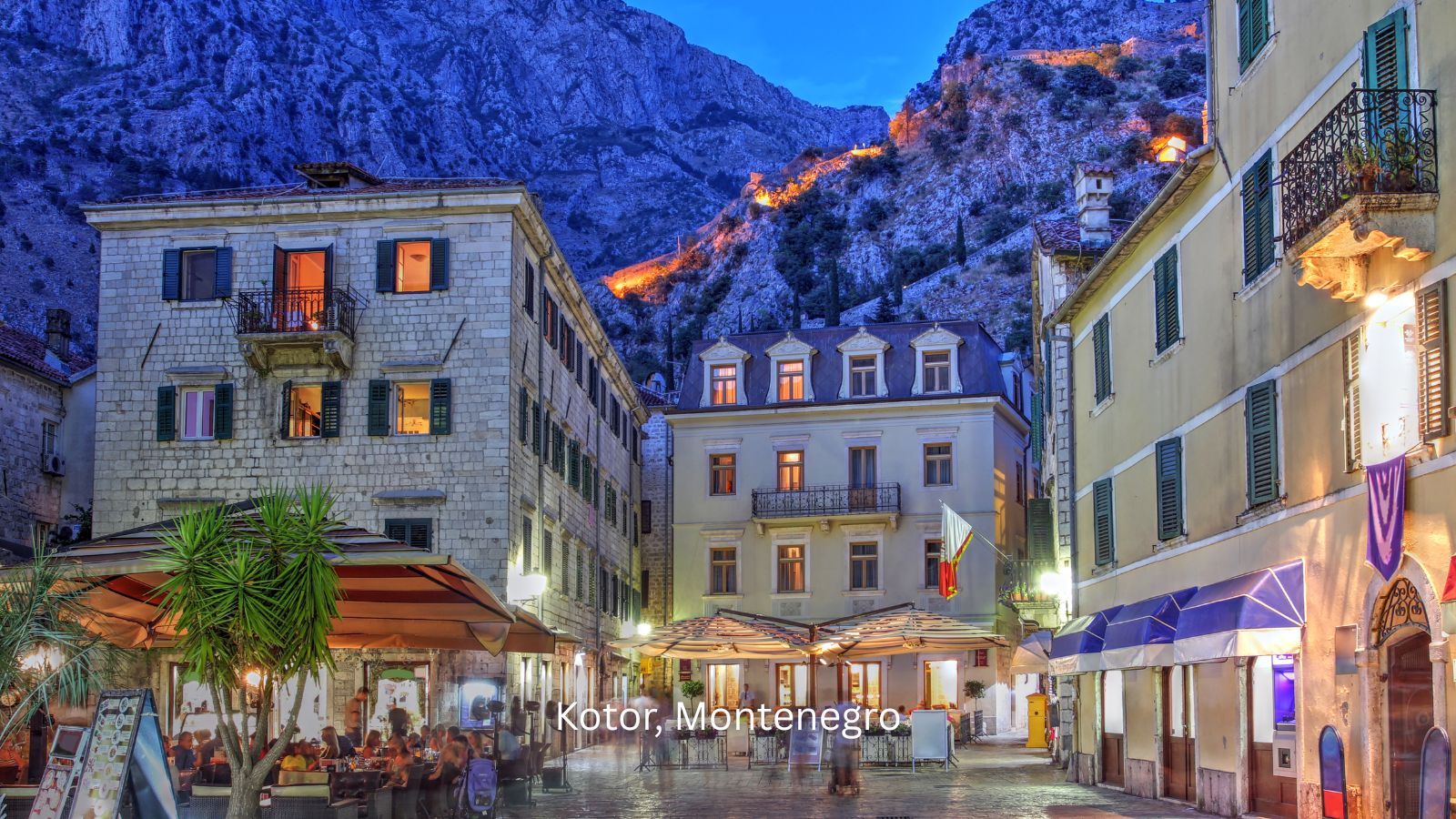
The heart-stealer for many visitors is the Bay of Kotor, often mistaken for a fjord thanks to its steep mountains and deep, sheltered waters. Kotor’s walled Old Town is a maze of narrow alleys and hidden squares, where cats stretch in patches of sunlight and laundry hangs from pastel-shuttered windows. Climb the old city walls to the hilltop fortress, and you are rewarded with one of the most iconic views in the Adriatic: terracotta roofs tumbling down to the bay, framed by dramatic peaks and mirrored in the still water below.
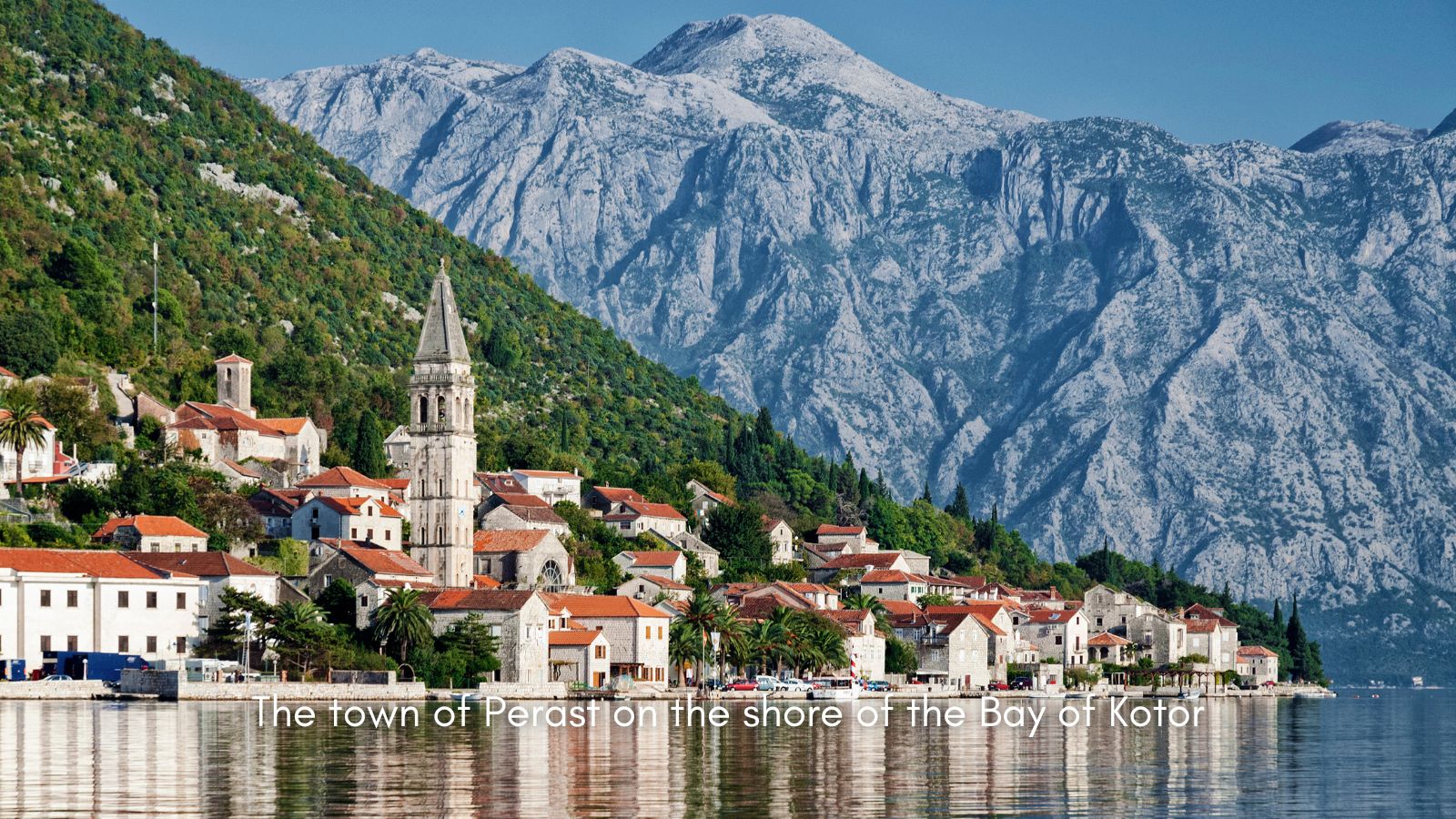
A short drive or boat ride away lies Perast, a tiny baroque jewel on the bay’s edge. Once a wealthy seafaring town, it is now a serene promenade of elegant palaces and stone houses. From here, boats whisk you to the islets of Our Lady of the Rocks and St George, floating like mirages on the water. It is a place made for slow strolls, lingering seafood lunches, sunset aperitifs and long-exposure photographs.
Budva & Sveti Stefan: the glamorous coast
Further along the coast, Budva offers a different kind of energy. Its atmospheric Old Town, perched on a rocky peninsula, contrasts with a lively waterfront lined with cafés, bars and sandy beaches. In summer, Budva becomes one of the Adriatic’s liveliest seaside resorts, ideal for clients who want culture by day and a buzzier scene by night. Concerts, open-air performances and beach clubs create a festive atmosphere that lasts well into the small hours.
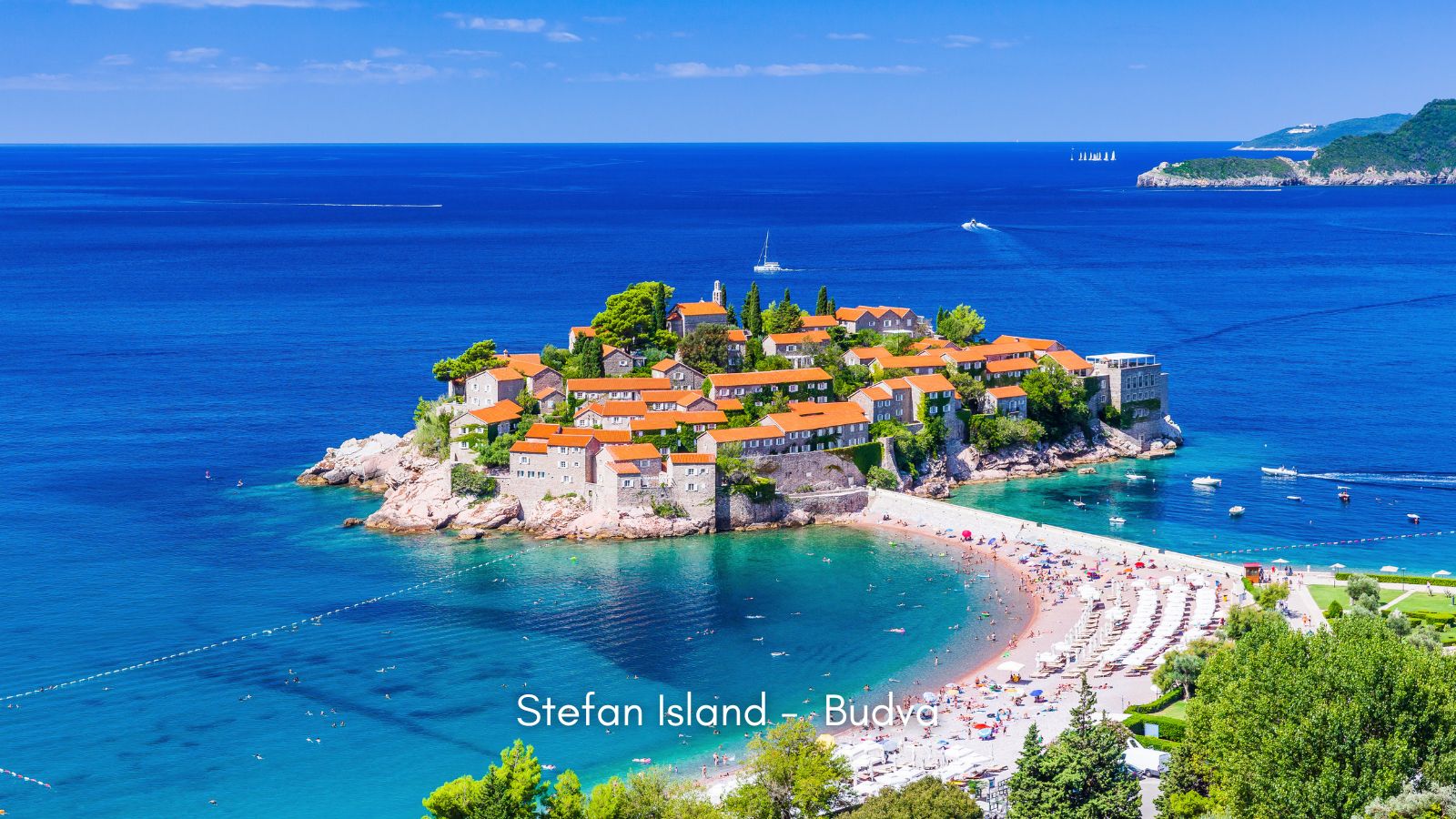
Just down the coast sits one of Montenegro’s most iconic images: Sveti Stefan. This tiny islet, crowned with stone cottages and red-tiled roofs, connected to the mainland by a narrow causeway, has long been synonymous with exclusivity and glamour. Today, the area around Sveti Stefan is a coveted spot for luxury stays, romantic escapes and special celebrations, with turquoise waters and pine-fringed coves completing the postcard-perfect setting. Even for those not staying on the island, simply admiring it from the adjoining beaches or a clifftop terrace is an experience.
Nature at its purest: Lake Skadar & Lovćen National Park
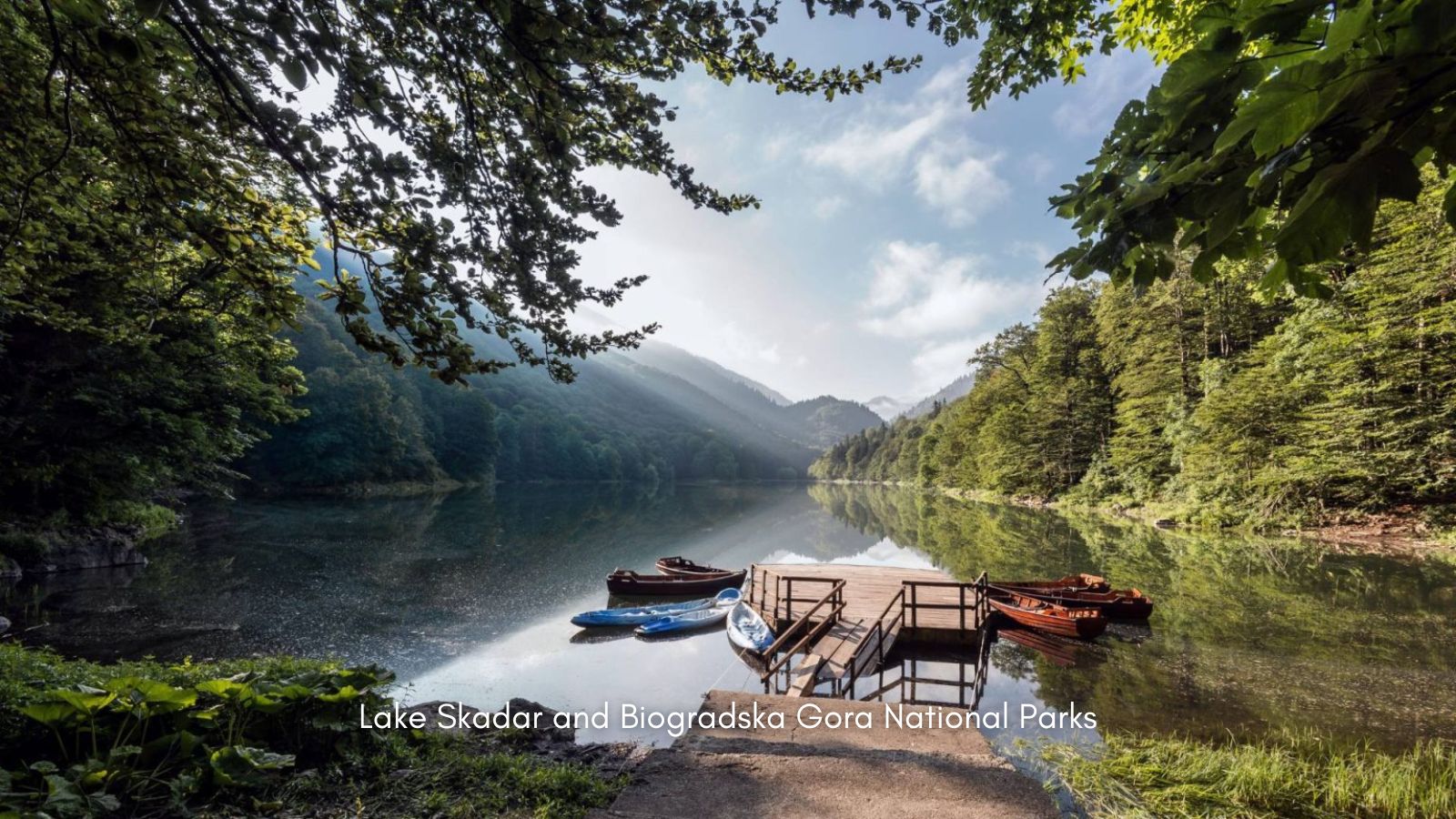
Away from the bustle of the coast, Montenegro’s interior reveals a quieter, more traditional side of the country. Lake Skadar, shared with neighbouring Albania, is the largest lake in the Balkans and a paradise for birdlife. Floating waterlilies, tiny island monasteries and reed-fringed channels create a dreamlike landscape best explored by small boat. Villages around the lake still produce their own wine, brandy and cheese, making it a wonderful place to introduce clients to authentic local flavours and slow, rural life.
High above the Bay of Kotor, Lovćen National Park combines history with dramatic landscapes. Winding mountain roads lead to sweeping viewpoints where the entire coastline seems to unfold beneath you. At the summit of Mount Lovćen sits the mausoleum of Petar II Petrović-Njegoš, Montenegro’s revered poet-prince. Climb the final steps through a tunnel of stone, and you are rewarded with a 360-degree panorama that captures both the mountains and the sea in a single, breath-taking glance. It is a powerful place to appreciate just how compact yet varied this country really is.
Spiritual heritage: Ostrog Monastery
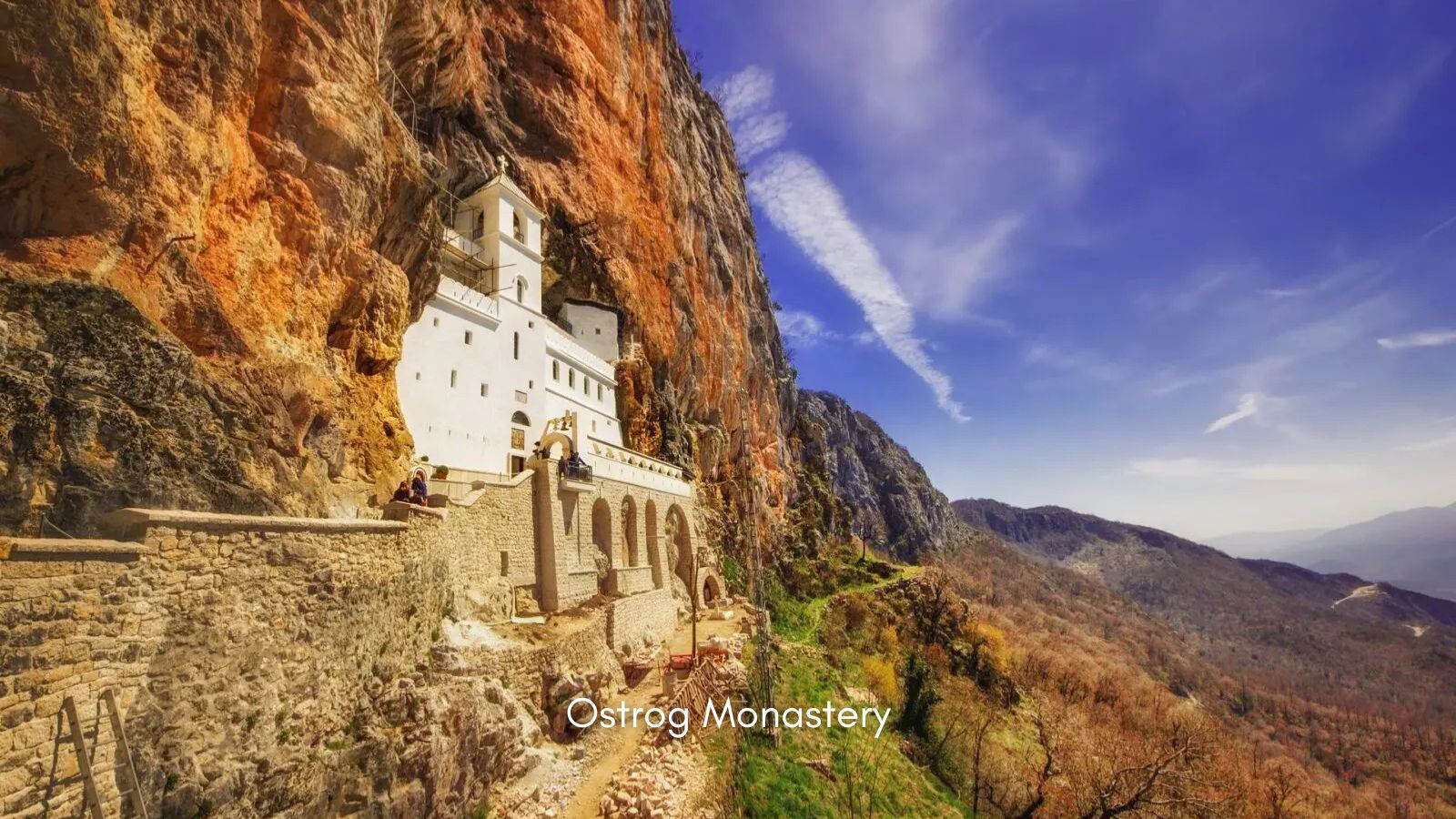
Perhaps Montenegro’s most extraordinary religious site is Ostrog Monastery. Carved into a sheer cliff face high above the Bjelopavlići plain, it is one of the Balkans’ most important pilgrimage destinations. White walls appear to grow from the rock itself, and the approach road twists and turns through dramatic scenery. Visitors, regardless of faith, are often struck by the serenity of the setting: flickering candles, the scent of incense, and wide views over the valley combine to create a deeply atmospheric experience. For your clients, it can be a memorable cultural and spiritual highlight, often combined with a day exploring the inland countryside.
Durmitor & Biogradska Gora: wild mountain escapes
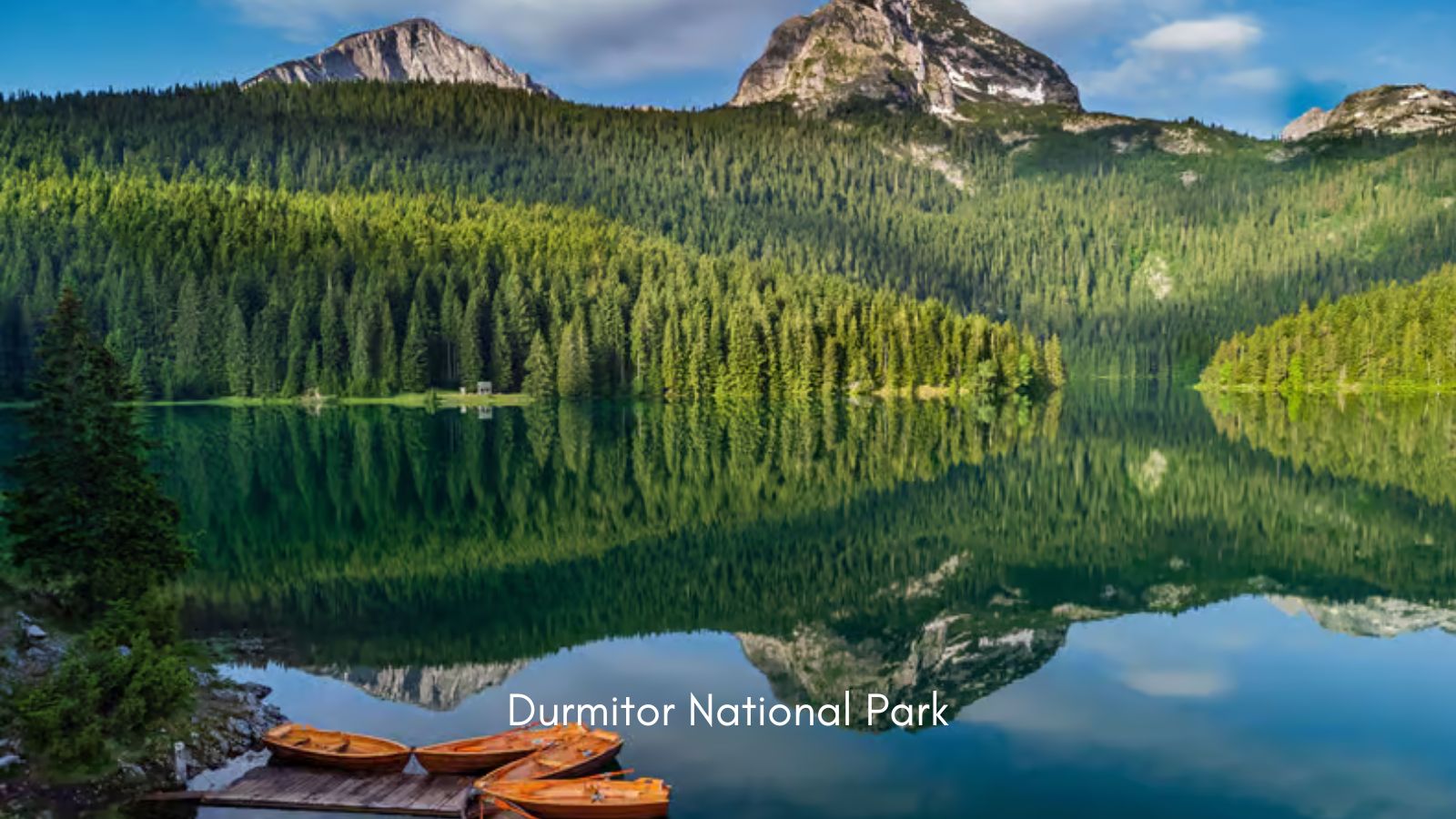
For lovers of the great outdoors, Montenegro truly excels in its northern mountains. Durmitor National Park, a UNESCO World Heritage Site, is a playground of glacial lakes, pine forests and jagged peaks. In winter, the area around Žabljak turns into a small but characterful ski resort. At the same time, summer brings hiking, mountain biking and white-water rafting on the Tara River, which slices through Europe’s deepest canyon. Here, clients can swap the coast’s beach clubs for fresh mountain air, wooden chalets and star-filled skies.
Nearby, Biogradska Gora National Park is one of Europe’s last primeval forests. Trails wind among ancient trees, moss-covered trunks and clear mountain streams, centred around a tranquil lake that often lies glass-still in the early morning. It is an ideal escape for clients who want to disconnect completely and immerse themselves in untouched nature, perhaps as part of a wider self-drive exploring Montenegro’s wild north.
Flavours of Montenegro
Montenegrin cuisine reflects its crossroads location and is a real highlight of any visit. Along the coast, menus lean towards the Mediterranean. Grilled fish, calamari and octopus salad are staples, often served simply with olive oil, lemon and herbs. Black risotto made with cuttlefish ink, bowls of mussels in white wine and plates of fritto misto appear on many seafront menus, best enjoyed with a glass of crisp local white wine and views over the bay.
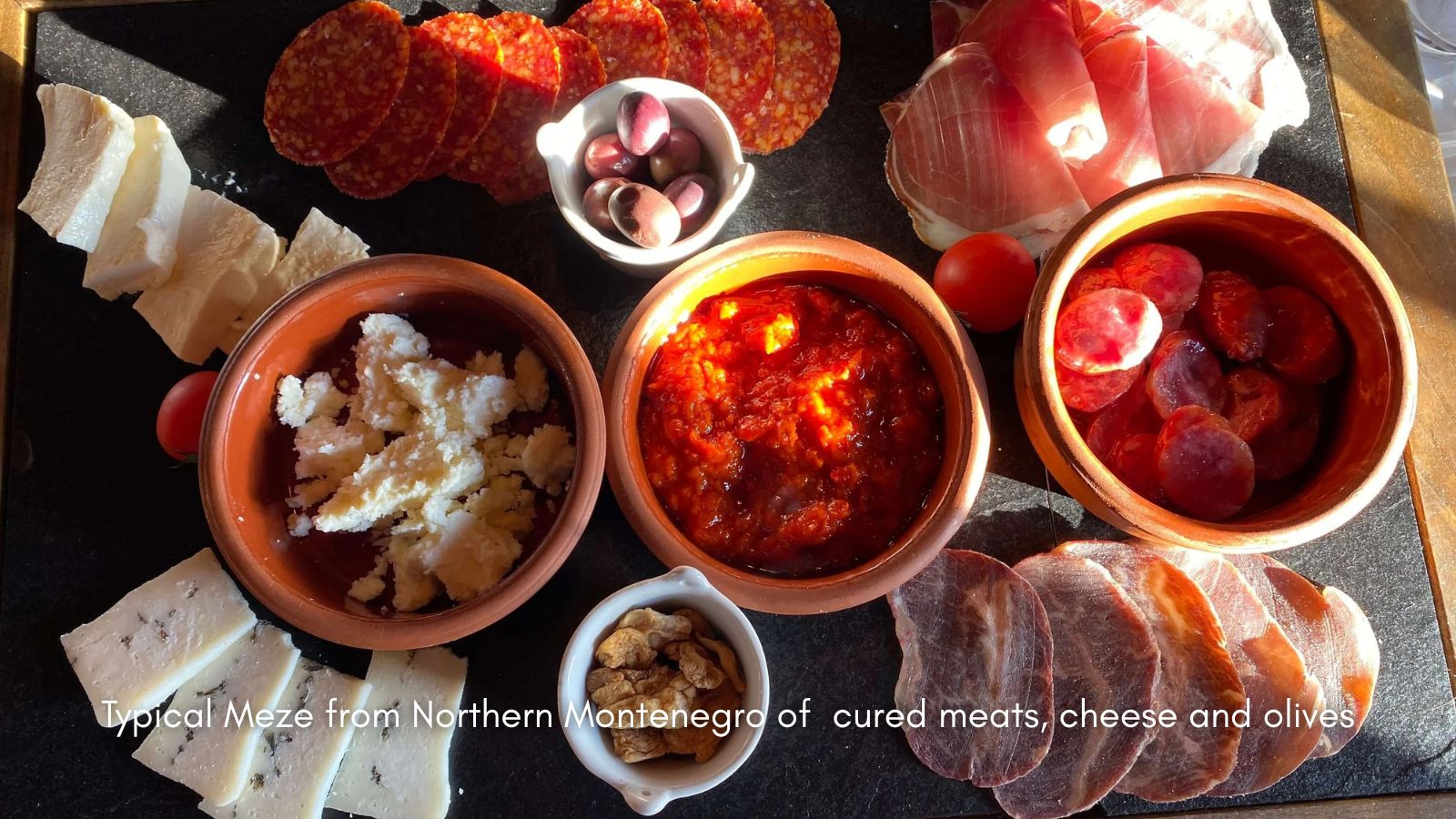
Inland, dishes become heartier and more typically Balkan. Slow-cooked meats, rich stews and homemade breads dominate. A classic is “ispod sača”: meat or fish baked for hours under a metal dome covered with hot coals, resulting in melt-in-your-mouth tenderness. Smoked hams from the mountain village of Njeguši are renowned and often paired with local cheeses, olives and crusty bread as a starter or light lunch.
Vegetarian travellers are well catered for too, especially in traditional “konoba” taverns where grilled vegetables, bean stews, stuffed peppers and cheese-filled pastries are common. Salads are generous and colourful, usually built around ripe tomatoes, cucumber, peppers and onion, lightly dressed and often topped with grated local cheese.
Wine is an increasingly important part of Montenegro’s gastronomic story. Red wines from the indigenous Vranac grape tend to be full-bodied and fruity, while whites from Krstač and other local varieties are fresh and aromatic, perfect for warm evenings on the coast. Around Lake Skadar and in some coastal regions, visitors can tour family-run wineries, sampling wines and homemade rakija (fruit brandy) accompanied by home-produced cheeses and cured meats.
Meals in Montenegro are unhurried affairs. Coffee is strong and often enjoyed in several rounds, especially in the morning or late afternoon when locals gather to chat. For dessert, expect everything from honey-soaked pastries to simple plates of seasonal fruit. Food is not just sustenance here; it is a lens through which to understand the country’s history, climate and traditions.
Looking for a slightly different European break? Give me a call or drop me an email.