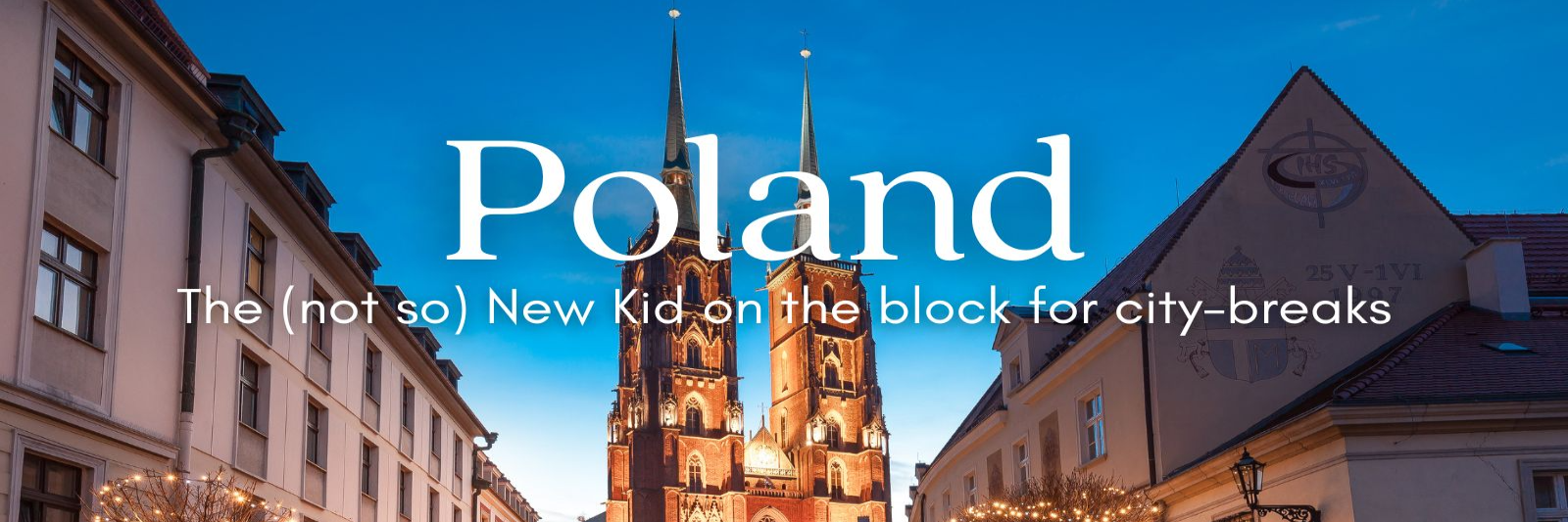
Poland: The (not so) New Kid on the block for a city-break
Out from behind the 'Iron Curtain'
Poland might not be the first place you think of for a city break, but once you’ve been, you’ll wonder why you waited so long. From colourful market squares and riverside castles to cosy cafés, street art and pierogi that should come with a warning label, Poland is full of surprises. Whether you fancy the big‑city buzz of Warsaw, the storybook charm of Kraków, the Baltic breezes of Gdańsk or the bridges and quirky dwarfs of Wrocław, there is so much to pack into a 3–4 night escape.
Poland – Coming out from the ‘Iron Curtain.’
Winston Churchill made his famous Iron Curtain speech (formally titled "The Sinews of Peace") at Westminster College in Fulton, Missouri, with U.S. President Harry S. Truman seated beside him, in 1946. It was a warning about Soviet expansion into Eastern Europe. And whilst Poland never became officially part of the USSR, it fell under Soviet domination.
Poland had made a critical contribution to the UK's survival and the Allied victory in WW2. Polish forces provided the UK with crucial military intelligence, highly skilled fighter pilots during the Battle of Britain, and key technological breakthroughs, such as cracking the Enigma code and inventing the mine detector.
Ironically, Britain went to war to ‘save Poland’. But from 1945 until 1989, Poland remained hidden behind that curtain.
However, to say it has since moved on is an understatement. Poland’s economy is projected to overtake the UK's in terms of GDP per capita (Purchasing Power Parity) by the end of the decade.
It’s no wonder that so many Poles, having arrived in the UK in the 90’s and early 2000’s, are returning to their homeland.
What to expect as a welcome
What usually surprises visitors first is how friendly and down‑to‑earth people are. Poles have been through a huge amount historically, yet there is a sense of quiet pride and resilience. Family remains important, Sundays are still quite traditional, and you will often find three generations together in restaurants at the weekends.
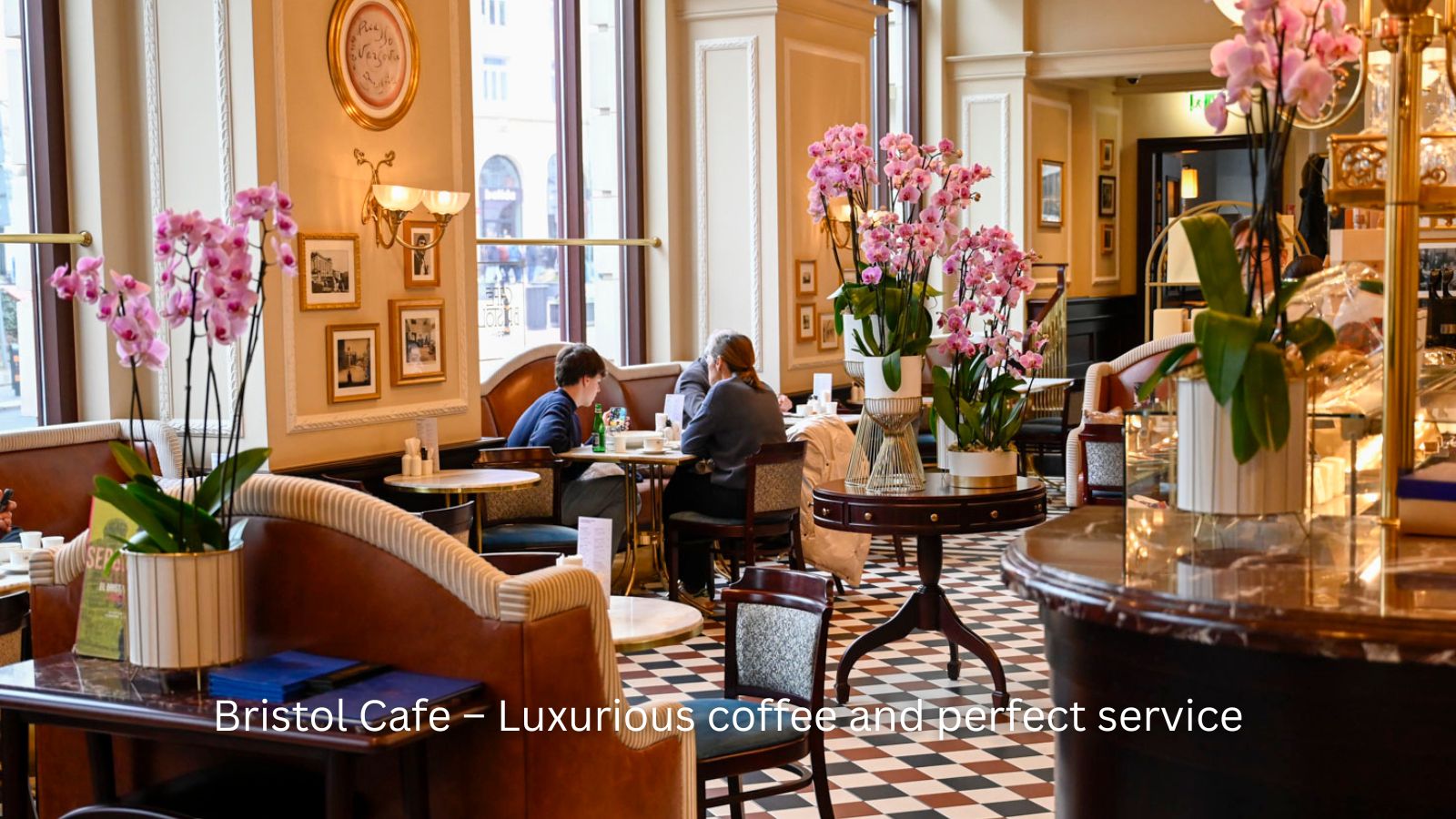
Food is a big part of that warmth. Expect lots of soups, stews and oven‑baked dishes, especially in colder months. Pierogi dumplings are surprisingly addictive, and it is easy to find vegetarian versions filled with cheese and potato or mushrooms and cabbage. In winter, there’ll be steaming bowls of barszcz (beetroot soup), in summer lighter dishes with fresh cucumbers, dill and seasonal berries. Coffee culture is strong too: independent cafés are everywhere, many doubling as workspaces or art venues.
Poles love their parks and open spaces, and you will see that in all four cities below. Even in the middle of town, there is usually somewhere to stroll among trees or sit with an ice cream. Festivals and public holidays are often marked by fairs, concerts or markets in the main squares, so if your clients enjoy a bit of local atmosphere, timing a trip around Easter, Christmas markets or midsummer can be a great idea.

Warsaw: where past and present sit side by side
Warsaw is the capital and, in many ways, Poland’s story in miniature. It was heavily destroyed in the Second World War, then rebuilt, and today you see glass towers rising behind carefully reconstructed historic streets.
For visitors, there is plenty to do and see:
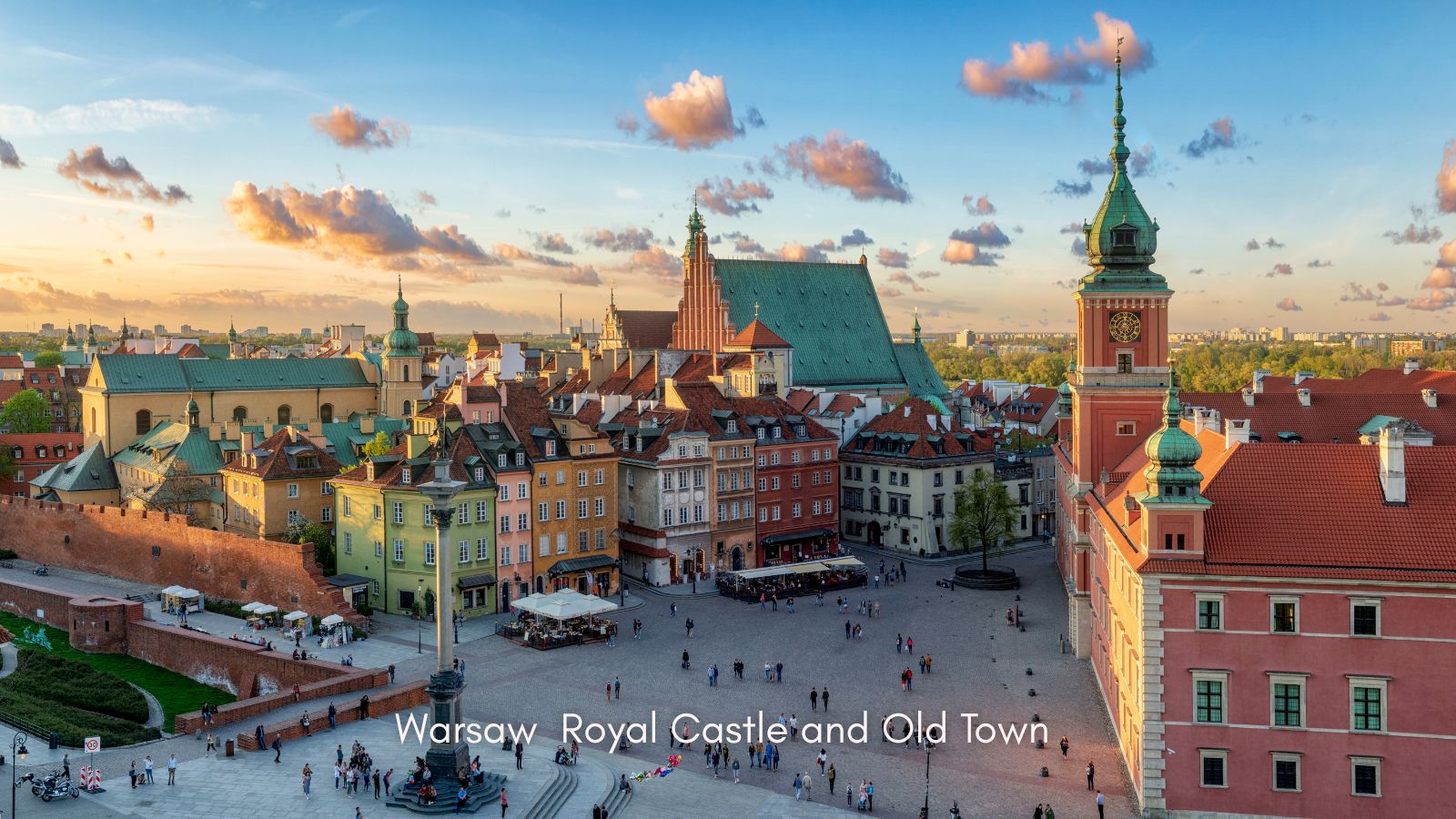
The Old Town Square, with its colourful townhouses, is lovely for a first wander, especially in the evening when the lights come on. From there, the “Royal Route” leads past smart townhouses and churches down to Łazienki Park and Wilanów Palace
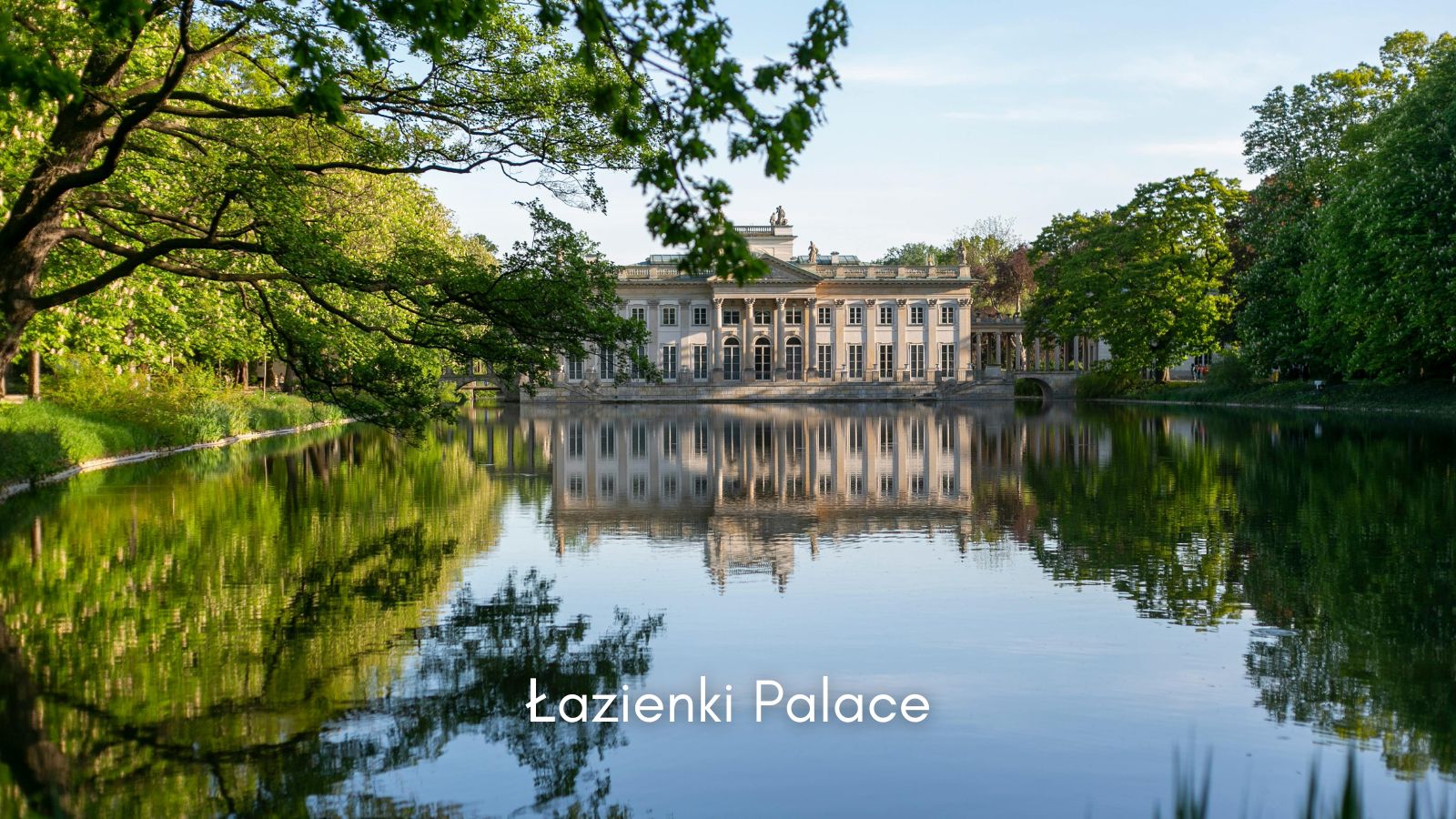
Łazienki Park is A real gem. This is a huge park with palaces, lakes and, in summer, outdoor Chopin concerts. It’s a very local place: joggers, families, students and the odd peacock all share the paths.
Then there are the Museums. The Warsaw Uprising Museum is gripping and emotional, explaining the 1944 uprising in a very accessible way. The POLIN Museum of the History of Polish Jews is another powerful stop, beautifully designed and thought‑provoking.
Food‑wise, Warsaw is where you can mix traditional pierogi and bigos with modern bistros, vegan restaurants and great cocktail bars. It is also good for shopping, whether clients are after Polish design brands or small, independent boutiques.
Kraków: cobbled streets, legends and café hopping
Kraków is often the first Polish city people fall in love with. Its Old Town is compact and atmospheric, built around a huge main square that buzzes from breakfast until late at night.
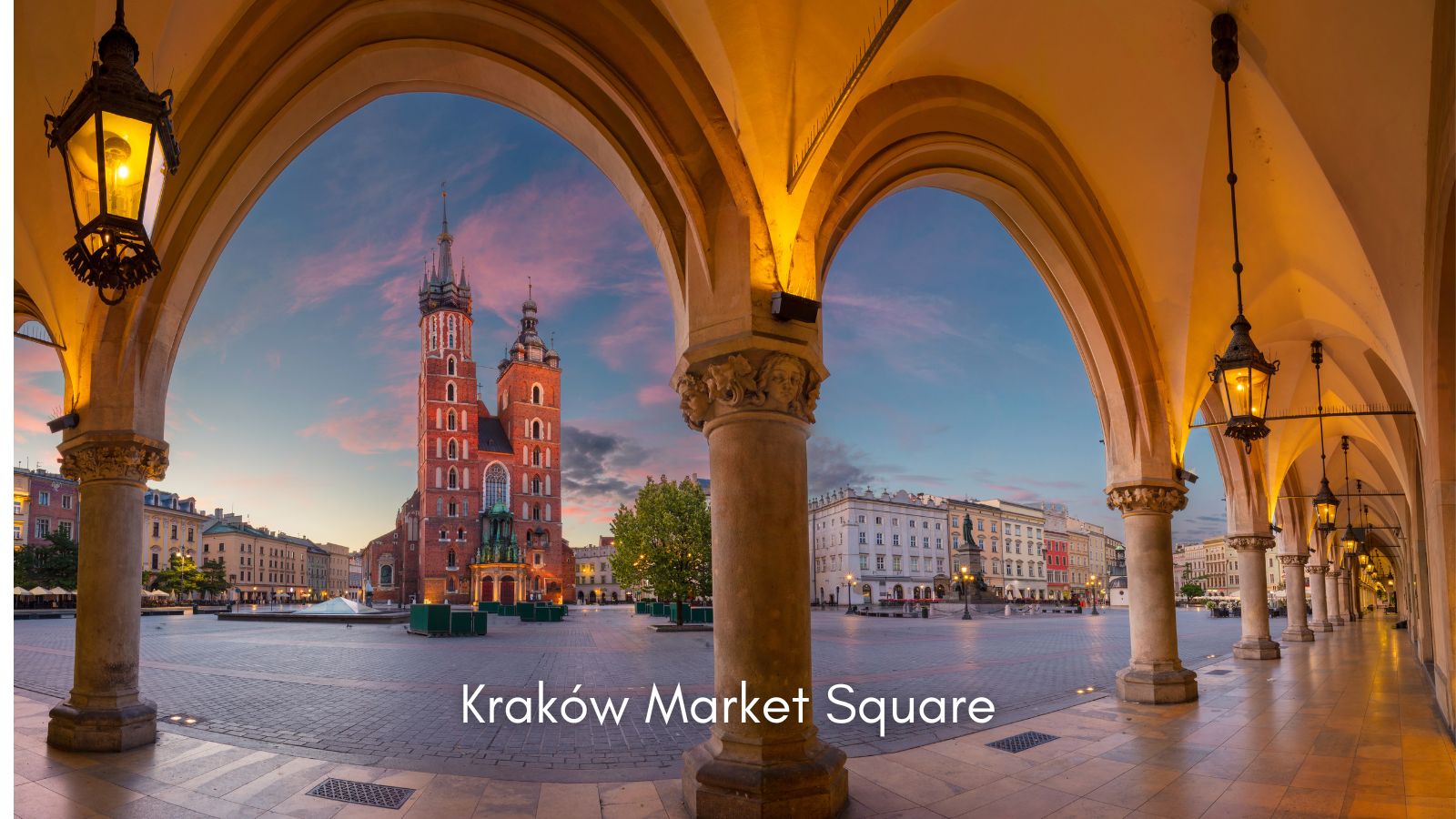
Rynek Główny & St Mary’s Basilica: This main square is one of the largest medieval squares in Europe. The Cloth Hall in the centre is full of stalls and small shops, while St Mary’s Basilica offers a stunning interior. On the hour, a trumpeter plays from the tower: a simple tradition but one that sticks in the memory.
Wawel Castle & the riverside: A short walk from the square brings you to Wawel Hill, with its castle and cathedral. The views over the river are lovely, and there is a gentle riverside promenade where clients can walk or take a short cruise.
Kazimierz (Jewish Quarter): This area has a very different feel: narrow streets, synagogues, street art, vintage shops and atmospheric bars. It is one of the best places in the city for a relaxed evening: think candlelit restaurants serving traditional dishes, followed by live music in a cosy bar.
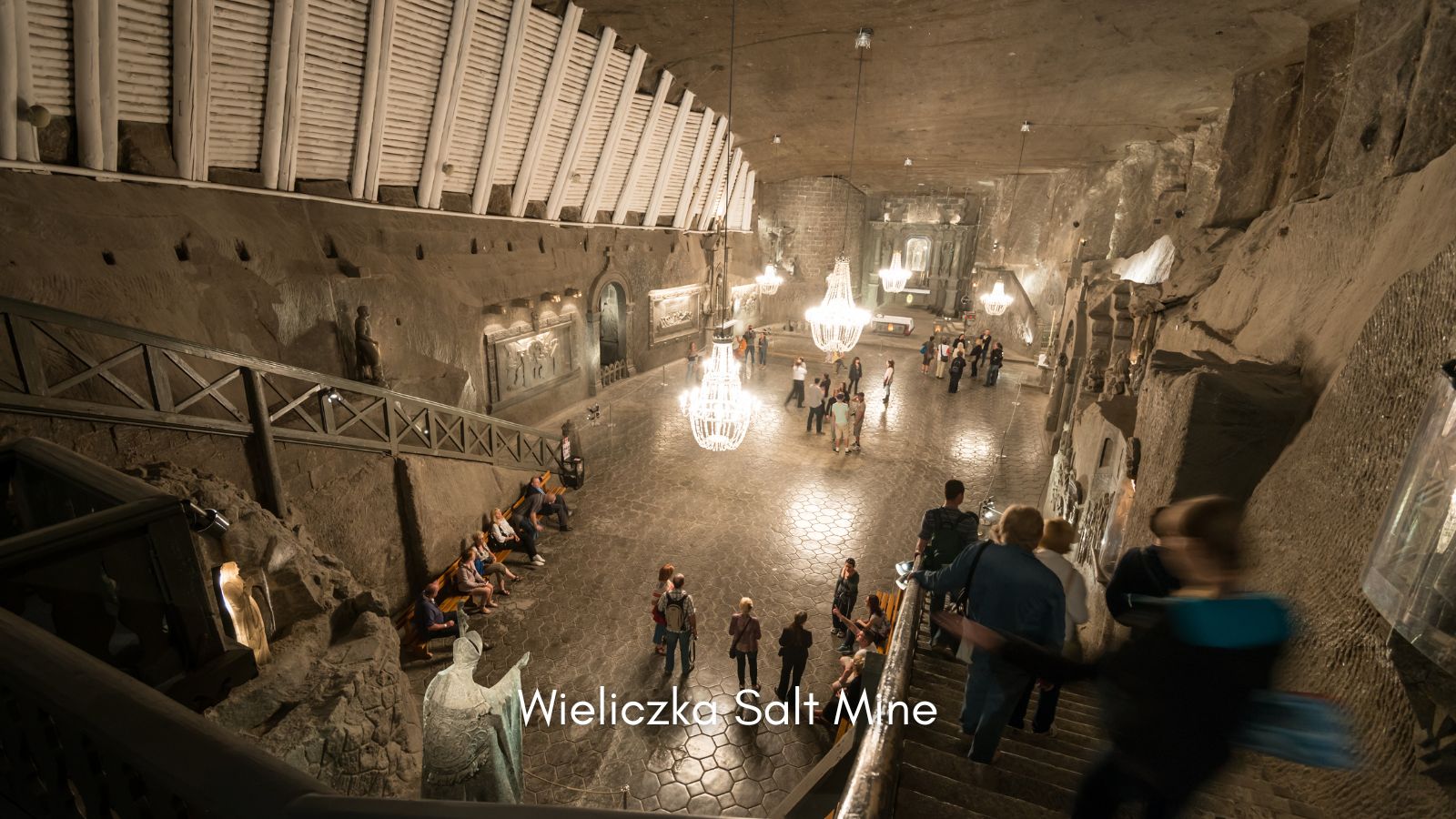
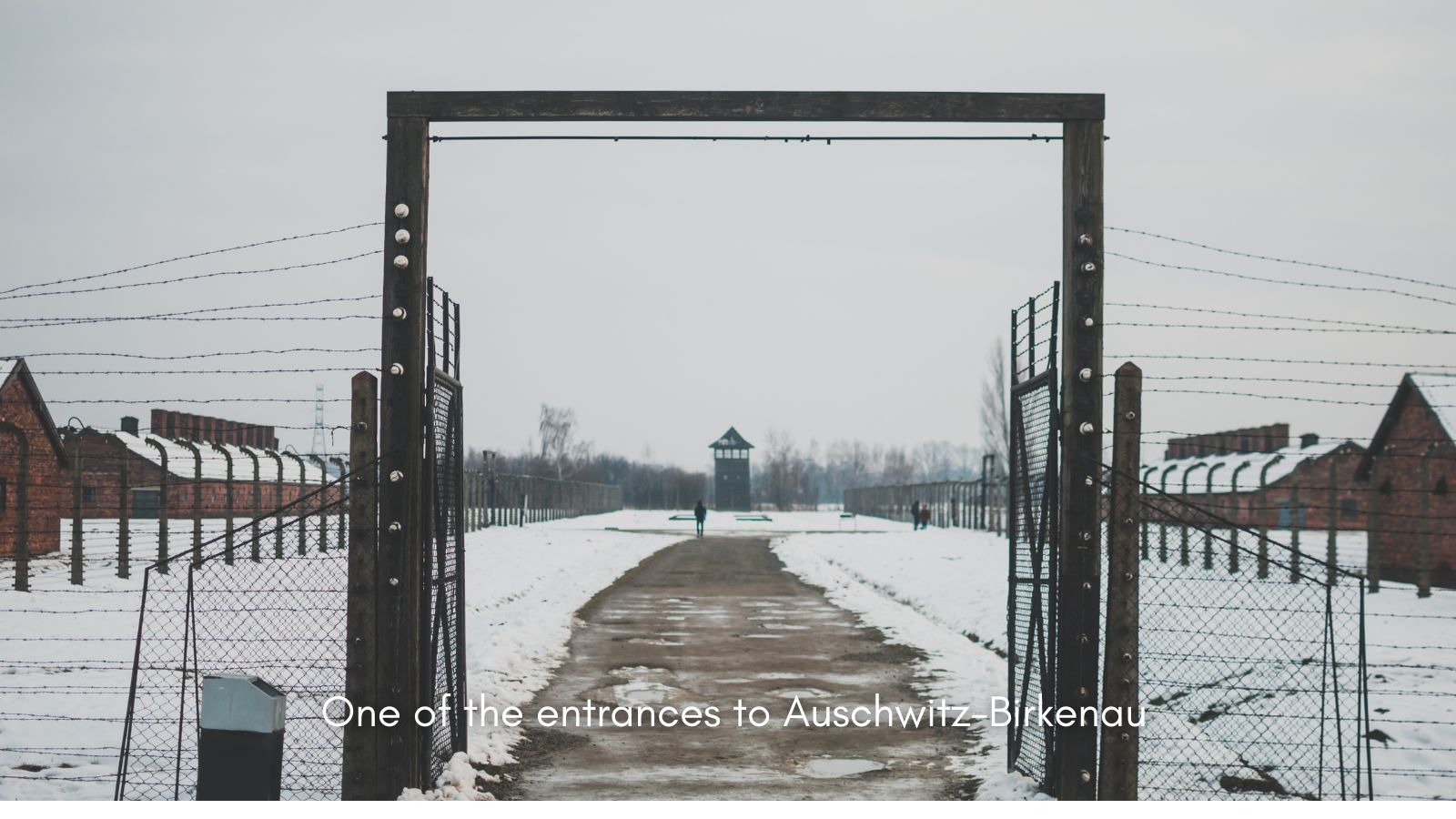
Many visitors use Kraków as a base to visit Auschwitz‑Birkenau, a deeply sobering but important experience, or the Wieliczka Salt Mine, a breathtaking UNESCO World Heritage Site located just southeast of Kraków, Poland. Operating from the 13th century until 1996, it features 178 miles of labyrinthine tunnels plunging 1,073 feet underground, showcasing a spectacular subterranean world of underground lakes, statues, and chapels completely carved from salt.
As a city break, Kraków is ideal for those who like to wander, sit in cafés, dip into history and then simply enjoy the atmosphere without feeling rushed.
Gdańsk: sea breezes, shipyards and amber shops
Move north to the Baltic coast, and you reach Gdańsk, which feels very different from the inland cities. It has a maritime, almost Scandinavian flavour, thanks to its Hanseatic trading past and waterfront setting.
And for a long weekend, there is a lot to enjoy:
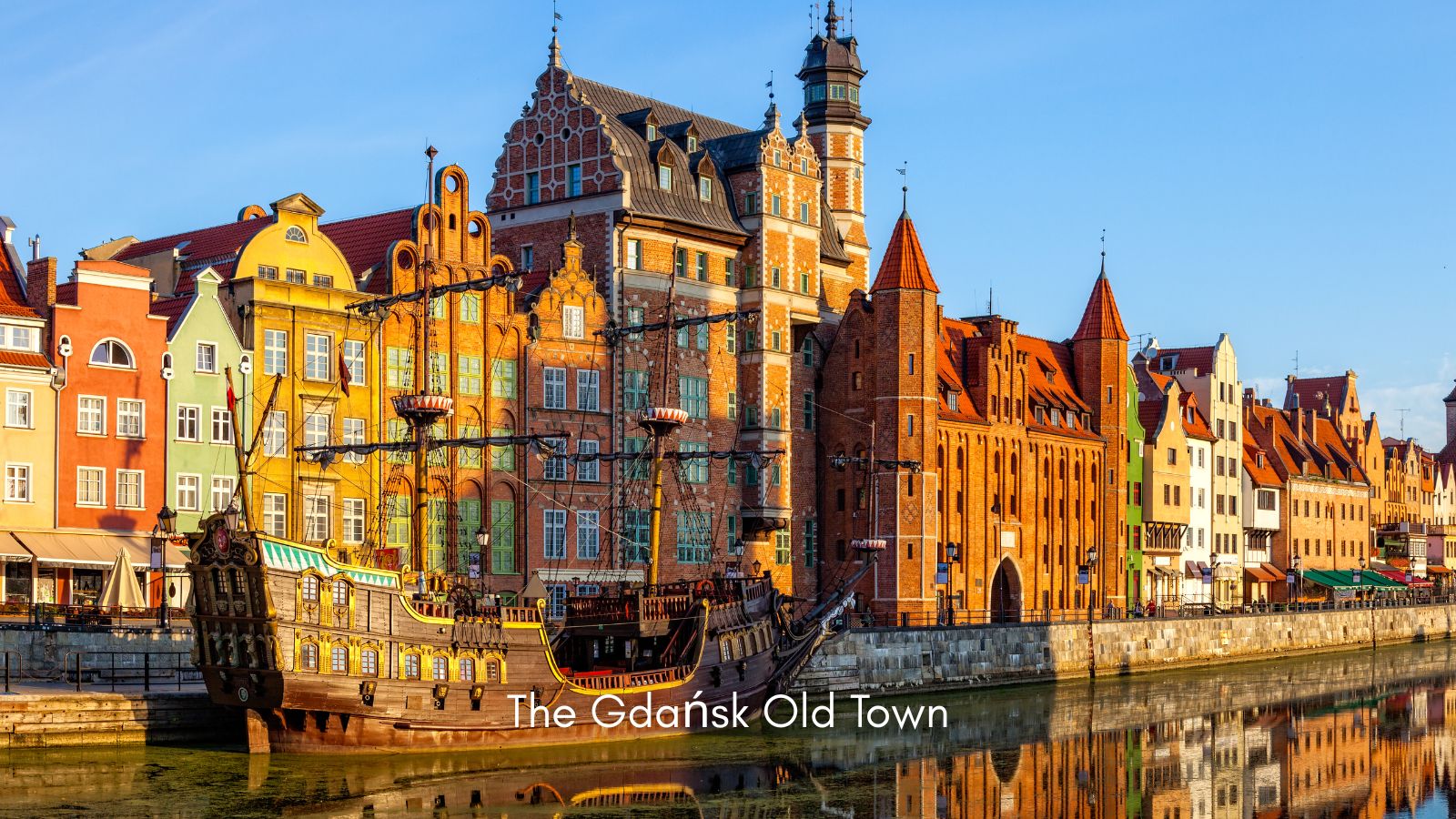
Długi Targ & the waterfront: The “Long Market” is the city’s showpiece, lined with tall, narrow houses in soft shades of green, pink and gold. At one end is the Neptune Fountain; at the other, the Green Gate opens onto the river. The embankment is perfect for a stroll, with cafés, bars and old cranes and warehouses turned into hotels and museums.
European Solidarity Centre: This striking modern building near the old shipyards tells the story of the Solidarity movement that helped bring down Communist rule. It is moving, interactive and surprisingly uplifting.
Museums & views: The Museum of the Second World War is excellent and very immersive. For views, clients can head up the tower of St Mary’s Church or take a short boat trip for a different perspective on the city.
Side trip to Sopot: Just up the coast, Sopot offers a sandy beach, a long wooden pier and a relaxed resort feel. It is easy to visit for a few hours by local train, making a nice contrast to Gdańsk’s urban energy.
Wrocław: bridges, dwarves, and riverside charm
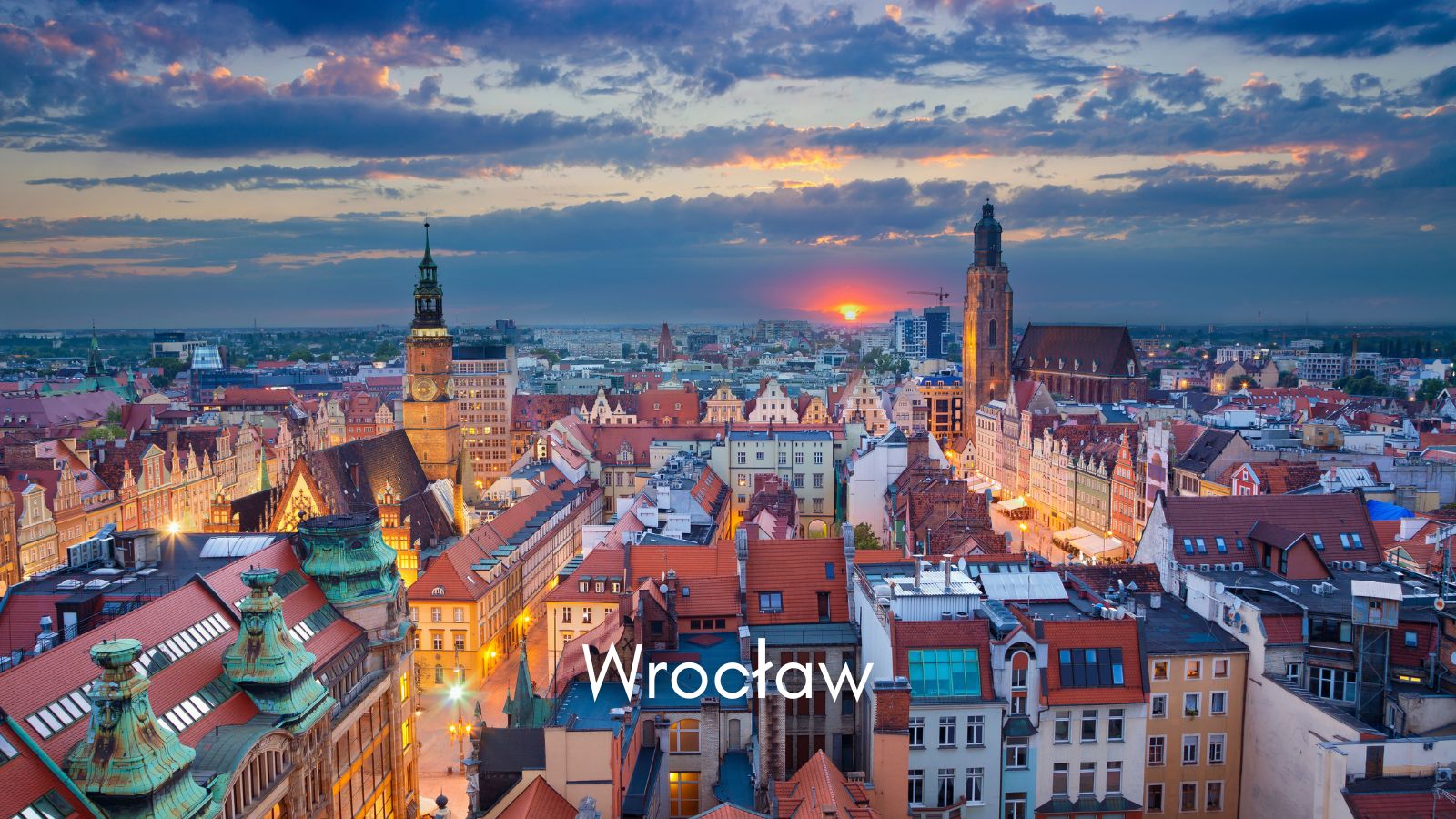
Finally, Wrocław, in the west of Poland, is a bit of a hidden gem. It sits on the Oder River, spread across a series of islands connected by pretty bridges, which gives it a slightly storybook feel.
Market Square (Rynek): Another beautiful main square, but with a slightly more laid‑back feel than Kraków. Colourful facades, a handsome town hall and plenty of places to sit outside with a drink in warmer months.
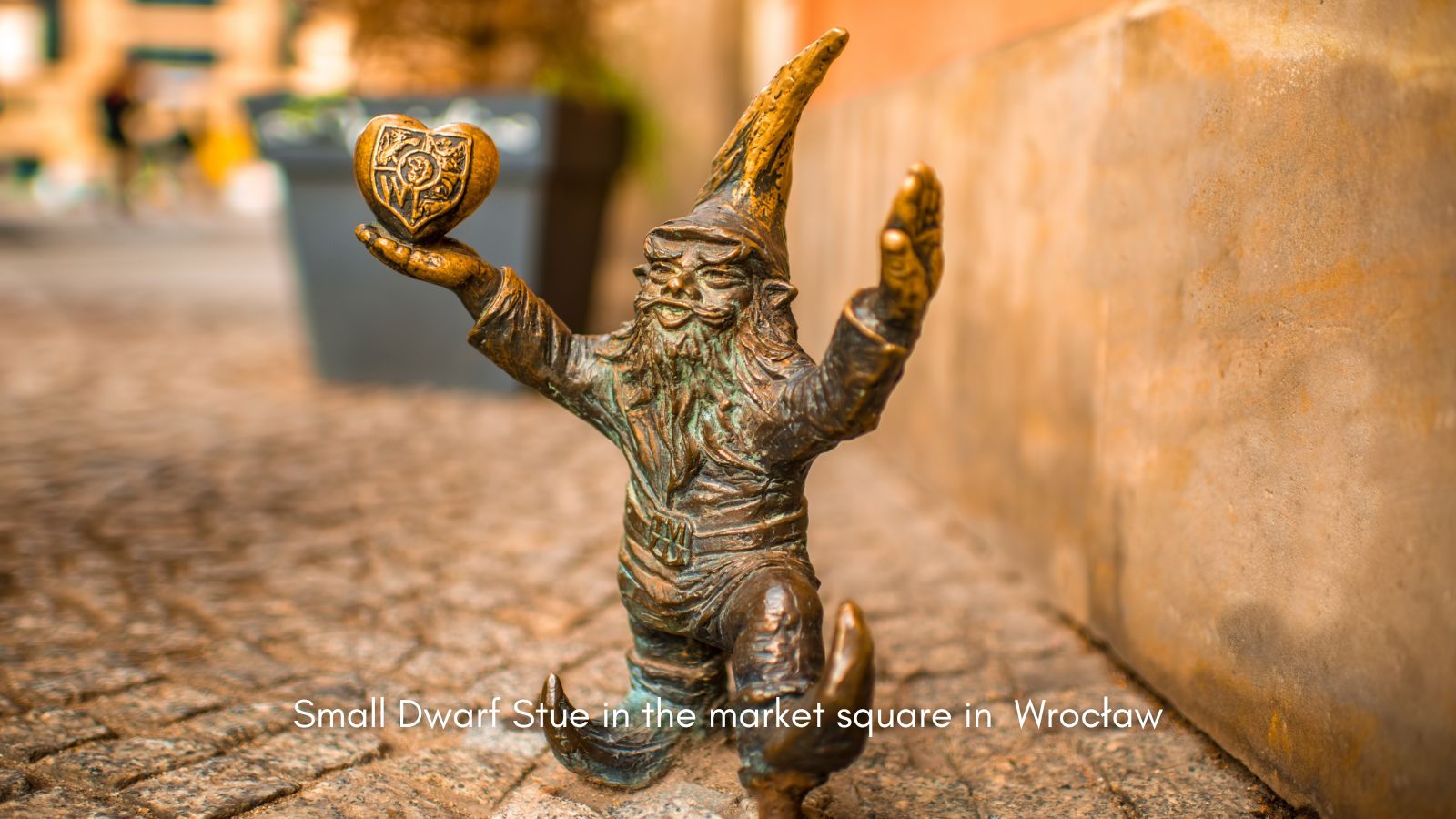
Hunting for dwarfs: Scattered all over the city are hundreds of small bronze dwarf statues, each doing something different: reading, cycling, fishing, even sitting at an ATM. Following a “dwarf trail” is fun for families and for adults who enjoy something a bit quirky.
Cathedral Island (Ostrów Tumski): This is the oldest part of Wrocław, with quiet cobbled streets, churches and gas lamps that are still lit by hand in the evening. It feels almost like stepping into another era.
Riverside & parks: The riverbanks are lovely for walks or bike rides, and there are several parks where locals gather in good weather. In summer, the city has a lively outdoor scene, with pop‑up bars and events along the water.
Poland offers a great blend of history, culture and genuinely warm hospitality, all at very appealing prices compared with many Western European capitals. Whether they choose the energy of Warsaw, the romance of Kraków, the coastal charm of Gdańsk or the riverside beauty of Wrocław, a 3–4-night stay is enough to fall in love with Poland and to start planning a return.
If you’re looking for something a little different for a city break, give me a call or drop me an email.