
Three of the biggest mistakes I see when clients try to organise a trip to Australia...
And how to avoid them.
Planning a trip to Australia is one of those big, exciting life moments. It is the kind of journey people dream about for years, saving carefully and collecting ideas from films, friends and social media. Because it feels so special, there is a real temptation to pack in as much as possible and try to “do” Australia in one go. That is where many itineraries start to unravel.
Planning a trip to Australia is one of those big, exciting life moments. It is the kind of journey people dream about for years, saving carefully and collecting ideas from films, friends and social media. Because it feels so special, there is a real temptation to pack in as much as possible and try to “do” Australia in one go. That is where many itineraries start to unravel.
From the UK, Australia is not just another long‑haul holiday. It is a vast, diverse destination that rewards smart planning and a realistic sense of time and distance. In this guide, I'll walk you through three of the biggest mistakes people make when creating an Australia itinerary and show you how to avoid them, so your trip feels inspiring and memorable rather than rushed and exhausting.
1. Underestimating its size
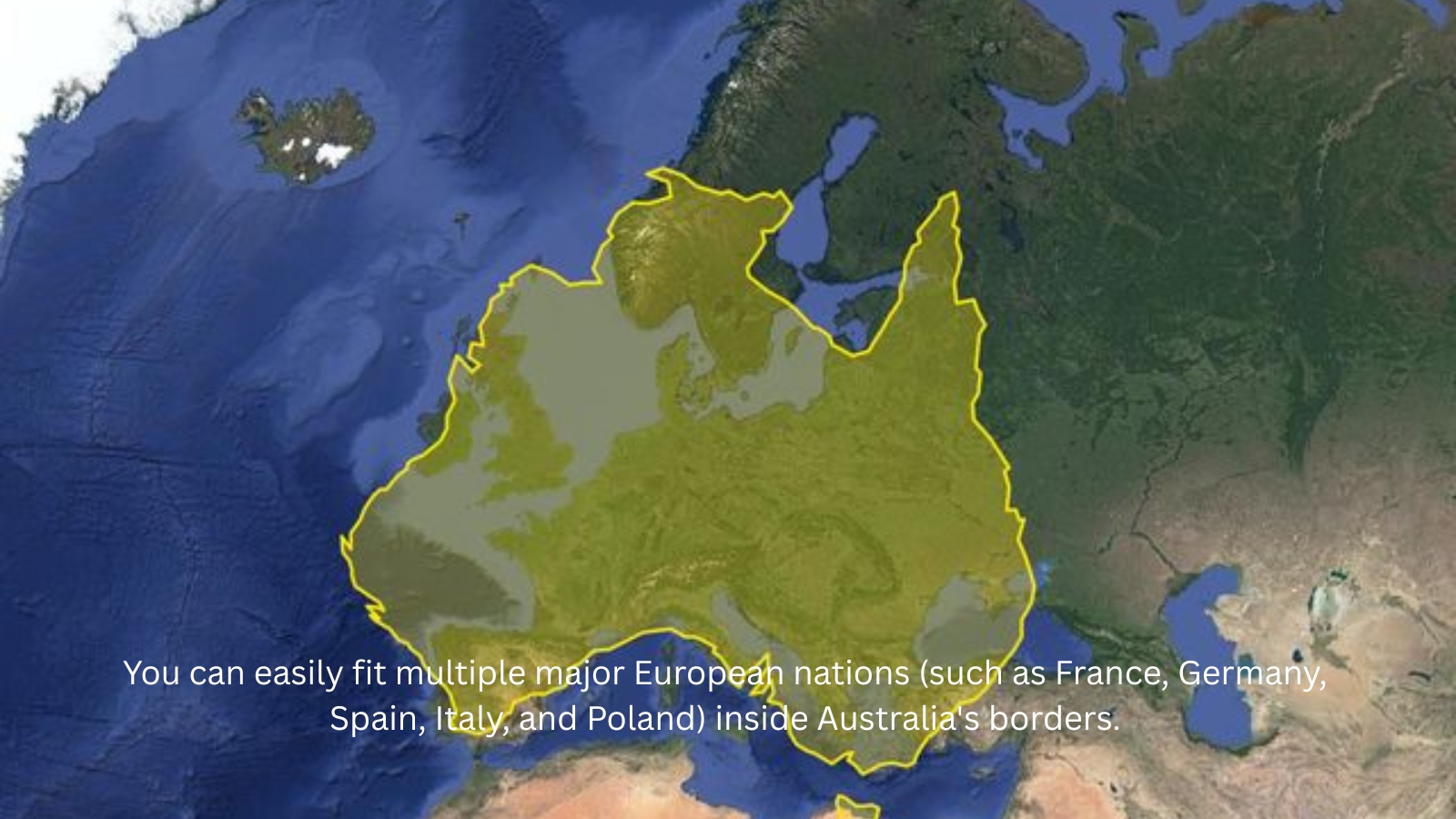
The first major mistake is underestimating Australia's size.
On a map, Sydney, Cairns, Melbourne, Uluru, Perth and the Great Ocean Road can look teasingly close, scattered down the coastline or dotted across the interior. In reality, Australia is almost a continent in its own right. Distances that seem manageable on a screen can easily translate into several hours of flying or a full day on the road.
Think about it this way. Flying from Sydney to Cairns, for the Great Barrier Reef, is a journey of several hours. Sydney to Melbourne is again a proper domestic flight, not a quick hop, and Sydney to Perth is a cross‑country trek that takes longer than flying from London to some parts of Europe. Even reaching Uluru often involves a connection and careful timing. Once you have already travelled 24 hours or more from the UK, these extra flights and long stretches can quickly catch up with you.
What does this mean for your itinerary? It means every additional destination you add is not just another dot on the map; it is another check‑out, another transfer, another flight, and another chunk of time spent in motion instead of actually experiencing the place you have come to see. If you approach Australia as if you were hopping between European capitals in a fortnight, you are likely to end up with a programme that looks impressive on paper but feels relentless on the ground.
A much better approach is to think in terms of clusters rather than individual pins. Instead of saying “We will do Sydney, the reef, Melbourne, the Outback and Perth,” it is far more rewarding to choose one or two regions and explore them properly. For example, you might focus on the east coast, combining Sydney with the Great Barrier Reef and perhaps stopping in Brisbane or on the Gold Coast. Or you could design a southern journey that brings together Melbourne, the Great Ocean Road and a nearby wine region. If the red desert landscapes are calling you, you might anchor your trip around the Red Centre, with time at Uluru and Alice Springs, and then pair it with either Sydney or Melbourne rather than both.
I want to do it all in two weeks...

The second big mistake is trying to “do it all” in two weeks. On the face of it, a fortnight sounds like plenty of time. Many people are used to fitting quite a lot into a 14‑night holiday. The challenge with Australia is that a significant portion of that time quietly disappears once you factor in the reality of long‑haul travel.
From the UK, your outbound journey often takes a full day and, once you factor in time zones and the toll of travelling, you can easily lose one to two days at the start of your trip. Add in a day or two to adjust to jet lag and catch your breath, and suddenly your carefully counted 14 nights become more like 9 or 10 genuinely usable days. You will then spend another full day getting home at the end, which can also creep into your total leave from work.
Within those 9 or 10 effective days, if you are trying to include several internal flights, multiple regions and a long list of “must‑sees,” you may find that almost every day involves either a check‑out, a transfer to the airport, or a new arrival. This pace can be thrilling for a couple of days, but over the course of a trip it can lead to fatigue, frustration, and, ironically, a sense that you have barely scratched the surface anywhere.
A more realistic two‑week Australia itinerary usually focuses on two or three key areas rather than five or six. One popular shape is a city and reef combination, for instance, a few nights in Sydney to enjoy the harbour, beaches and dining scene, followed by time in Cairns or Port Douglas for the Great Barrier Reef and ancient rainforest. Another option is to focus on city, coast and wine: perhaps starting in Melbourne, then driving the Great Ocean Road, and finishing with a few days in a nearby wine region. If the Outback is a priority, you might spend several days in Sydney or Melbourne first, then fly inland to the Red Centre for Uluru and the surrounding desert landscapes.
With this style of itinerary, you still get variety and a sense of journey, but you are not constantly on the move. It is also easier to tailor the experiences to your interests, whether that is food and wine, wildlife, Aboriginal culture, coastal scenery or vibrant city life. If you have more than two weeks available, the possibilities expand dramatically. A three‑ or four‑week trip lets you blend the East Coast, reef and Red Centre, or add a self‑drive component with more flexibility. However, even with extra time, the principle remains the same: depth is more rewarding than sheer volume.
Forgetting to build in some time to simply be there.

The third common mistake is forgetting to build in time to simply be there. Many itineraries look impressive because they tick off a list of famous names: “We will see Sydney Opera House, snorkel the Reef, watch the sunset at Uluru, drive the Great Ocean Road and visit a vineyard.” On the surface, that sounds like a dream. The question is whether you are giving yourself the space to enjoy each experience or just racing from one to the next.
Australia's magic often lies in the slower moments. It might be a lingering lunch overlooking Sydney Harbour, an afternoon wandering through Melbourne’s laneways and hidden bars, a leisurely vineyard visit in the Barossa or Yarra Valley, or a sunrise walk along an almost empty beach. In the Outback, it can be as simple and profound as watching the colours shift over Uluru at different times of day, or gazing up at a sky thick with stars you simply don't see at home.
You can usually tell when an itinerary is too full. If a check‑out, flight, or long drive is crammed into almost every day, with little or no time marked as “at leisure” and no buffer for unexpected weather or days when you are simply tired, you are probably over‑scheduling. It becomes harder to say yes to spontaneous invitations, to linger somewhere you love, or even to have a quiet morning with a coffee and a view.
Designing a better‑paced trip often starts with a simple rule of thumb: aim for at least three nights in most places, and more in major gateways like Sydney or Melbourne. This gives you a day to arrive and settle in, plus one or two full days to explore without clock‑watching. Build in some completely unstructured days, perhaps with a short list of suggestions rather than a fixed timetable. Group your activities logically so you are not dashing back and forth across a city or region. A considered plan will still deliver all the highlights, but it will also leave room for those unplanned, memorable moments that become the real stories you tell when you get home.
So how should you start planning your own ideal Australia trip?

So how should you start planning your own ideal Australia trip? A good first step is to clarify your priorities. Think about what excites you most when you picture Australia.
Is it the buzz of the big cities, the beaches and reef, the wildlife, the food and wine, or the dramatic Outback landscapes? Are you happy to take internal flights, or would you prefer to include a self‑drive segment with more freedom? Do you like a packed schedule, or will you enjoy yourself more with time to slow down?
Once you understand your travel style, it becomes much easier to match destinations to your preferences. For iconic city stays, you might look at Sydney, Melbourne or Brisbane. For reef and rainforest, Cairns and Port Douglas are natural bases, while the Whitsundays offer a more resort‑style island escape. Food and wine lovers may gravitate toward Barossa Valley, Yarra Valley, Margaret River or the Hunter Valley. If you are drawn to the Outback, the Red Centre around Uluru and Alice Springs offers that archetypal desert and rock-formation scenery. For coastal drives and road trips, the Great Ocean Road is a classic choice.
Timing Matters!
Timing also matters. Australia’s seasons vary between the tropical north and the southern cities, so some regions are more comfortable at certain times of year. The wet season in the north, summer heatwaves, and local school holidays can all influence where and when you travel. A considered itinerary takes these into account so you are in the right place at the right time.

All of this can sound like a lot of decisions to make, and that is exactly where planning with a personal Travel Counsellor makes such a difference. Instead of juggling maps, blogs and booking sites on your own, you have one dedicated expert who listens to what you want from your trip and then helps turn that into a realistic, thoughtful route. That means advice on which destinations pair well together, how long to spend in each place, how to balance internal flights with downtime, and which hotels or experiences will suit your taste and budget.
Beyond the planning stage, you also have the reassurance of support before, during, and after you travel. If something needs adjusting, you have a single point of contact who already understands your itinerary and preferences. You are not just buying a collection of flights and hotels; you are investing in a carefully curated journey.
In the end, the key to a successful Australia trip is simple. Respect the size of the country, accept that two weeks is perfect for a focused adventure rather than “seeing it all,” and give yourself permission to slow down. When you do, you will come home with fewer blurred snapshots and far more vivid memories.
If Australia is on your wish list, I would love to help you design a journey that feels exciting, well-paced, and perfectly tailored to you. Get in touch and let us start shaping your Australian adventure together.