How the Travel Industry Is Reacting to the Rise of Solo Travellers
How the industry is reacting.
Solo travel is a growing part of the travel market, particularly among Millennials and women aged 45–60, and the travel and hospitality industries are beginning to respond.
For many years now, my travels have been a mix of trips with friends, family and travelling solo. And the thought of waiting for someone else to be ready to travel to a destination that is on my bucket list just isn’t for me.
I love travelling solo. I’m what I’d describe as an introverted extrovert – quite happy with my own company, but equally happy striking up a conversation with someone I’ve never met. Solo travel pushes me out of my comfort zone at times, I know I’ll meet people along the way, and, perhaps most importantly, I get to see and do what I want to do.
Now, all of that might sound a little selfish. But here’s the funny thing: I’m actually a people pleaser. So, for me, travelling solo isn’t about not wanting to be around people. It’s about having the freedom to make decisions based on what I want from a trip.
One of the biggest expenses for solo travellers is accommodation, and the dreaded single supplement has been a familiar phrase for anyone who regularly travels alone. The room rate doesn’t magically halve because there is only one person staying in it. You are still paying for the room, whether that room has one person in it or two.
And… this really winds me up. If breakfast is included in the room rate, some places will still charge for two people - why?
But things are starting to change. Solo travel is a growing part of the travel market, particularly among Millennials and women aged 45–60, and the travel and hospitality industries are beginning to respond.
Cruise lines are introducing dedicated single cabins and creating social occasions where solo travellers can meet and connect with other people travelling alone. Tour operators and adventure companies are offering women-only departures, while health and yoga retreats are increasingly being designed specifically for solo travellers.
And I think this is only the beginning.
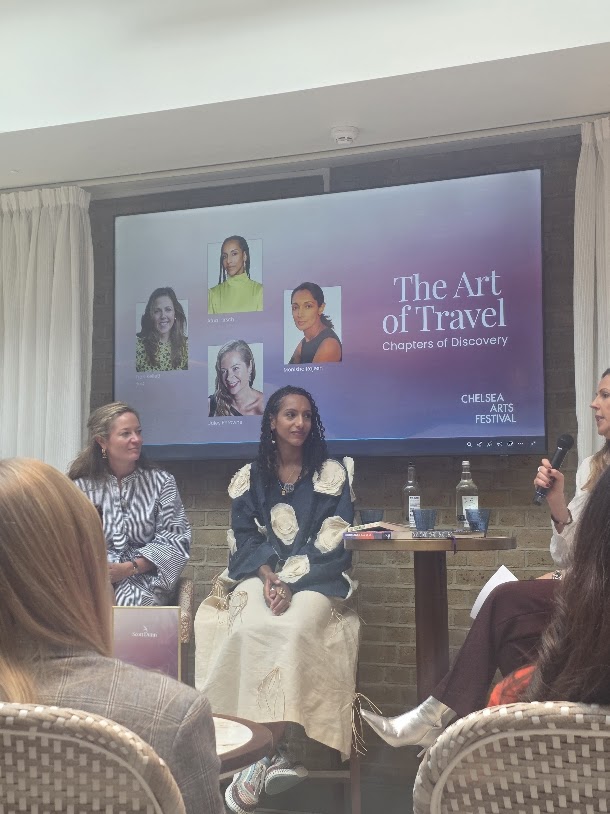
Last week, I went to a talk called The Art of Travel as part of the Chelsea Arts Festival. One of the speakers was hotel industry leader Jules Perowne, who spoke about the rise in solo travel and how she sees this becoming one of the biggest and most exciting changes for the hotel industry in the coming years.
What I find particularly interesting was that the response from hotels isn’t just about price. Hotels are beginning to rethink the solo traveller experience itself. That means redesigning areas to create more communal and social spaces, making it easier for solo guests to meet and interact with others if they want to, and putting greater emphasis on safety and making people feel comfortable when travelling alone.
And I think this is important. Because travelling solo doesn’t necessarily mean you want to be alone. Sometimes you want your own room, your own itinerary and the freedom to do exactly what you want – but you also want somewhere welcoming to sit with a drink, meet other travellers, join an activity or simply have a conversation with someone.
That balance is something the travel industry is beginning to understand, and I think these changes can make travelling solo feel easier, less daunting and more enjoyable, although it doesn’t mean travelling solo is suddenly cheap.
But here is a question: how much are you willing to pay for the freedom to travel on your own terms?
For me, that freedom is worth a lot. And I’m looking forward to seeing how the travel and hospitality industry continues to recognise and respond to this growing sector.