Croatia & The Balkans
A Journey Through Harbours, Islands and Hidden Valleys
If you are dreaming of somewhere with turquoise seas, historic old towns and spectacular national parks, Croatia and its Balkan neighbours are a superb choice. I have just completed a multi‑centre trip through Croatia, Bosnia & Herzegovina and Montenegro, and wanted to share some highlights, insights and practical tips.
 Arrival in Croatia: First impressions & the New Entry System
Flying into Pula, I finally experienced the new automated passport control system that so many clients have been asking about. You scan your passport, have your photo and fingerprints taken, then still pass through manual control. The machines were a little sensitive and in my case did not record my photo properly, which meant a second check.
It felt as though we were queuing for ages, but from landing to collecting the hire car it was only around 40 minutes. Busy, yes, but not disastrous, and the process was straightforward once you know what to expect.
Rovinj: Romantic Harbour Town & Chic Boutique Stay
From Pula we drove 50 minutes to Rovinj, taking the toll‑free route which only added about 6 minutes but gave us prettier countryside views.
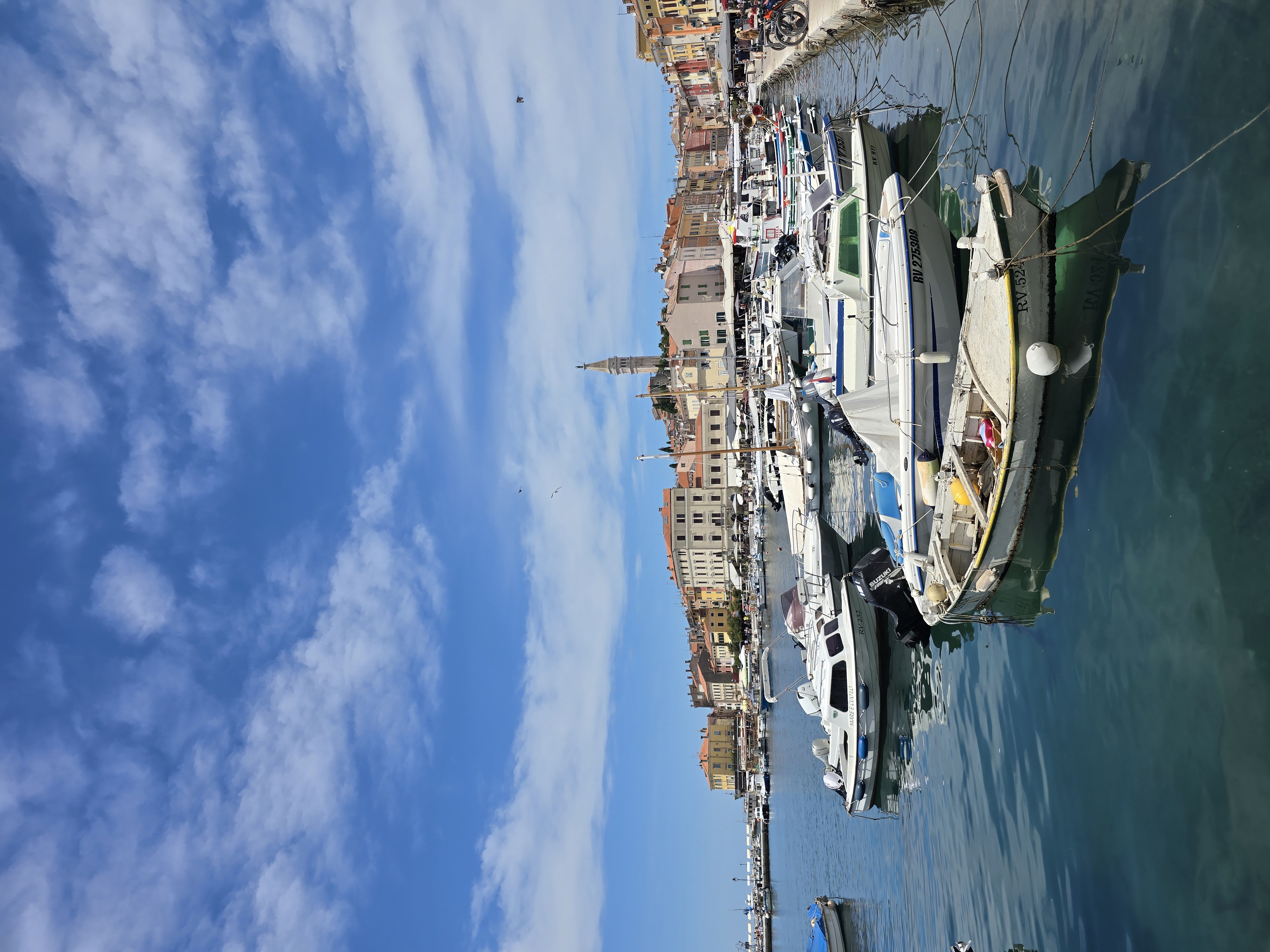
Rovinj’s old town is pedestrian‑only, so our hotel arranged parking on the outskirts and whisked us and our luggage in by golf buggy. A fun and very civilised way to arrive.
Our base was The Melegran: a small, stylish and friendly boutique hotel in a brilliant central location, with a cosy little bar off reception. Rooms are beautifully finished and breakfast is taken at a nearby restaurant just a short walk away. One thing to note: there is no lift, so it is not ideal for anyone who struggles with stairs.
Rovinj itself has a relaxed, Riviera feel:
- A pretty harbour lined with bars, restaurants and gelato stands
- Boats offering tours to islands, Lim Fjord and dolphin watching
- The hilltop church of Saint Euphemia, where you can climb the tower for a small fee
- Rocky little swimming spots around the peninsula
- Lots of galleries and craft shops to browse
The atmosphere is warm and welcoming, the food excellent (deep‑fried olives stuffed with sausage meat were a quirky and delicious first for me), and if clients want a pool or more of a beach resort feel there are plenty of larger hotels on the outskirts.
Rabac & Senj: Classic Seaside Resorts & Coastal Views
From Rovinj we crossed to the opposite side of the Istrian peninsula to Rabac, a resort I used to know well in the days of Yugotours and Holiday Options. It still has that traditional “seaside holiday” atmosphere, with:
- A long promenade linking a large pebble beach with a smaller one
- Shops, cafés, bars and restaurants along the front
- A little tourist train that trundles between areas
Continuing along the coast, we passed through elegant Opatija, with views of Cres island, before skirting Rijeka and heading down to the small town of Senj for the night.
Senj, known for its strong Bura wind, was our practical stop to allow more time in Rovinj and still keep the drive to Plitvice Lakes manageable the next day. We caught the end of a Formula 1 race in a local bar, had a sea swim and found a lovely family‑run restaurant, Tavern Kod Vesta, serving generous, good‑value food.
Our hotel, Boutique Hotel Bura 45°N, sits right on the seafront. It is friendly and comfortable, with slightly noisy air‑conditioning but a great location for an easy overnight.
Plitvice Lakes: Turquoise Waterfalls & Raised Boardwalks
We left Senj early to reach Plitvice Lakes National Park in time for our 10:00 entry slot. It was already very busy when we arrived; the first impression was lots of people and the fear of shuffling round in a crowd all day.
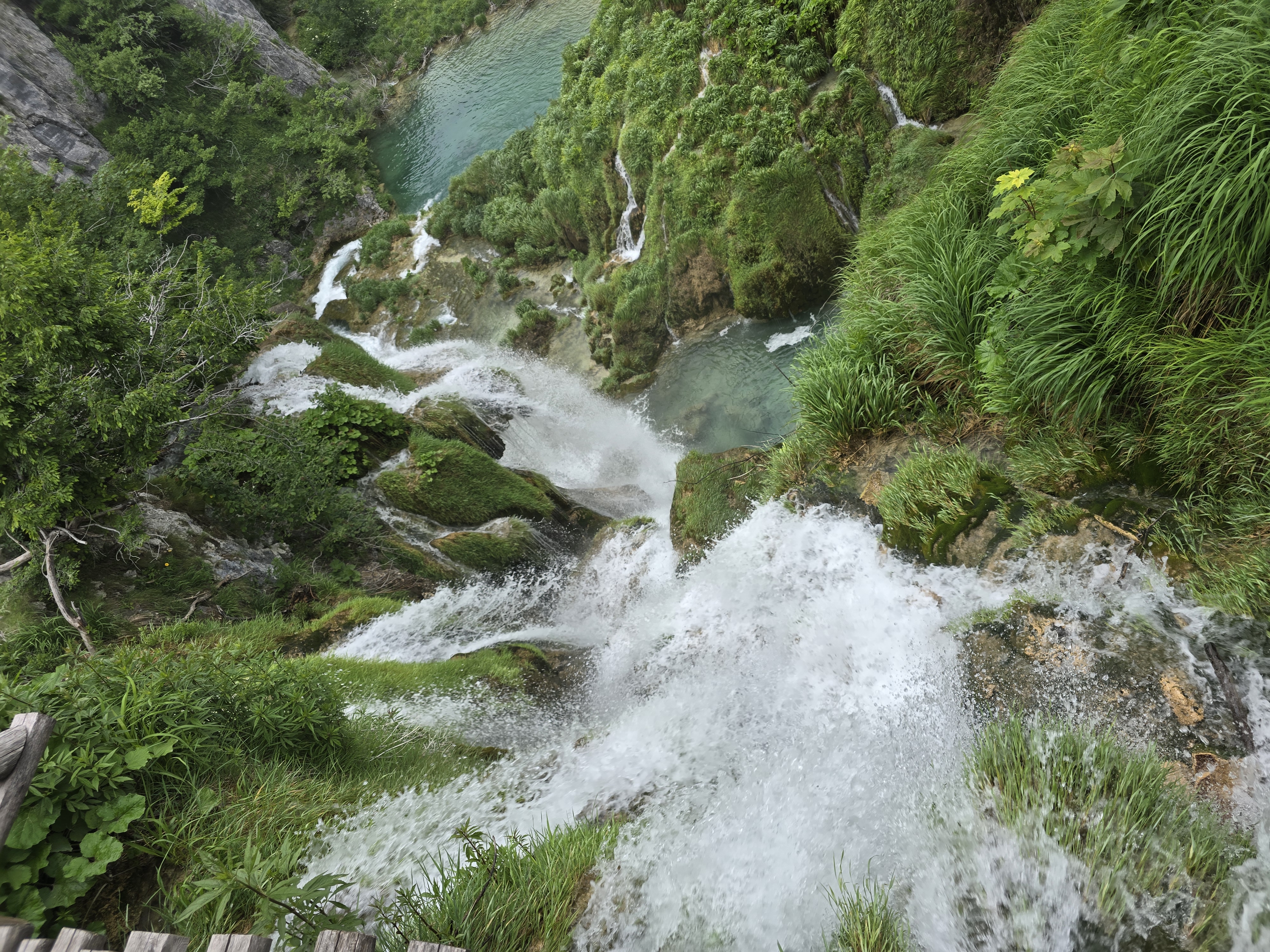
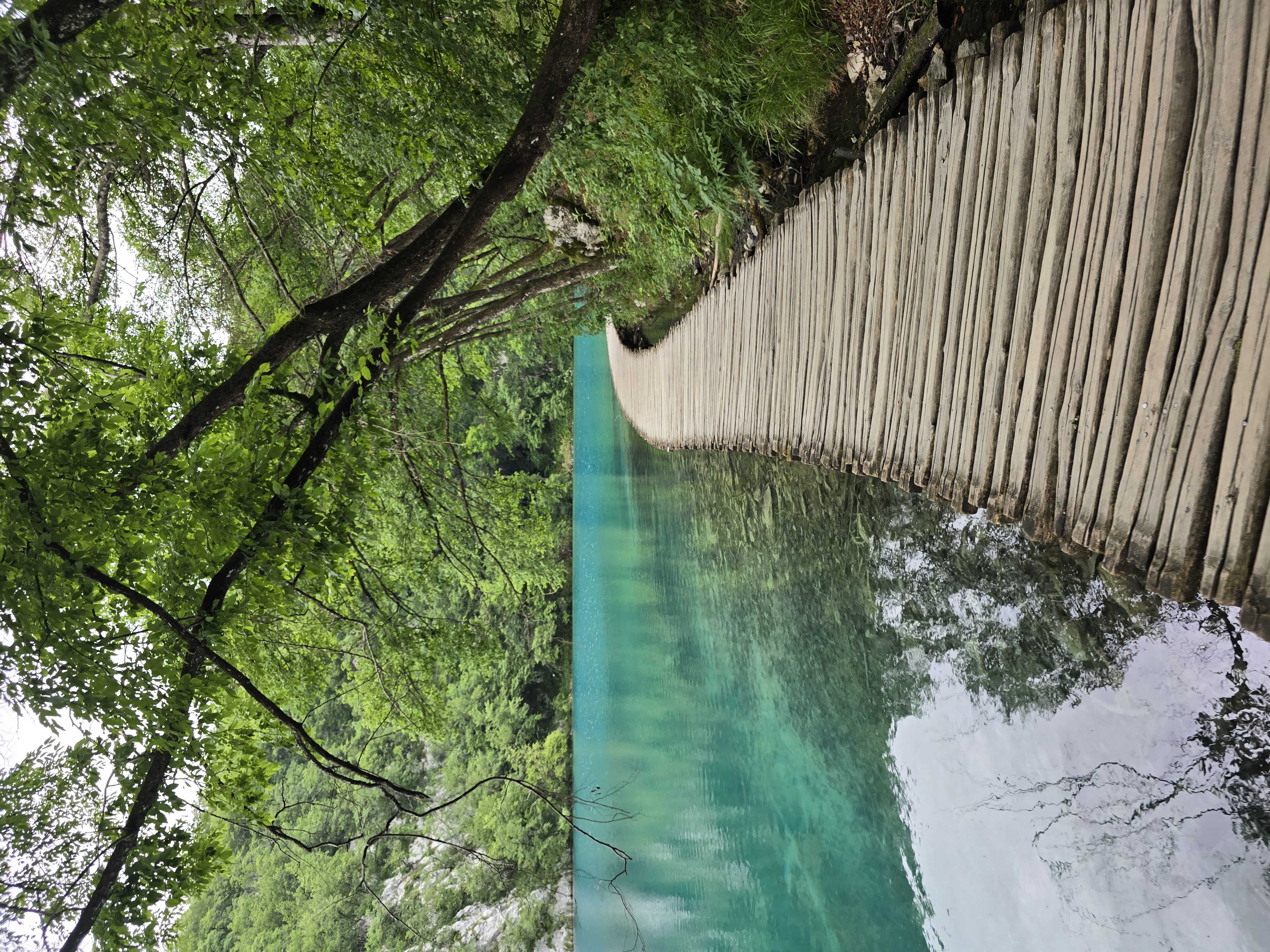
Once we took the boat across the lake and picked up a section of the longer trail, the crowds thinned out and the magic took over. Plitvice is all rushing waterfalls, terraced turquoise lakes and wooden boardwalks over clear water. Birdlife was surprisingly sparse on our visit, but the variety of plants and the colour of the lakes more than made up for it.
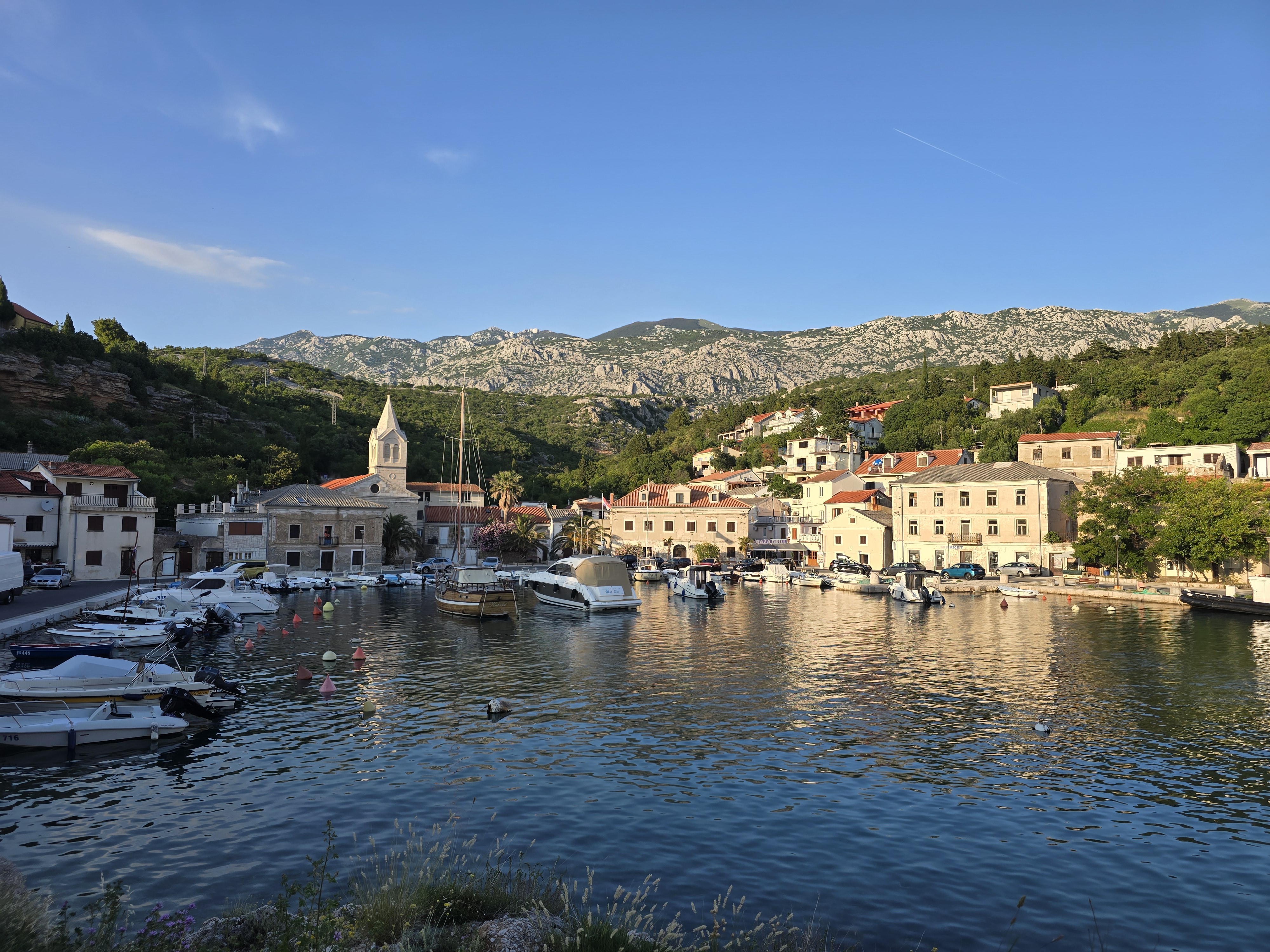
Leaving mid‑afternoon, we drove back to the coast on dramatic roads with sweeping views over the island of Pag, and finished the day in the quiet village of Jablanac at the friendly Kul In Ablana hotel.
Zavratnica Bay, Zadar & Krka: Hidden Cove, Sea Organ & River Scenery
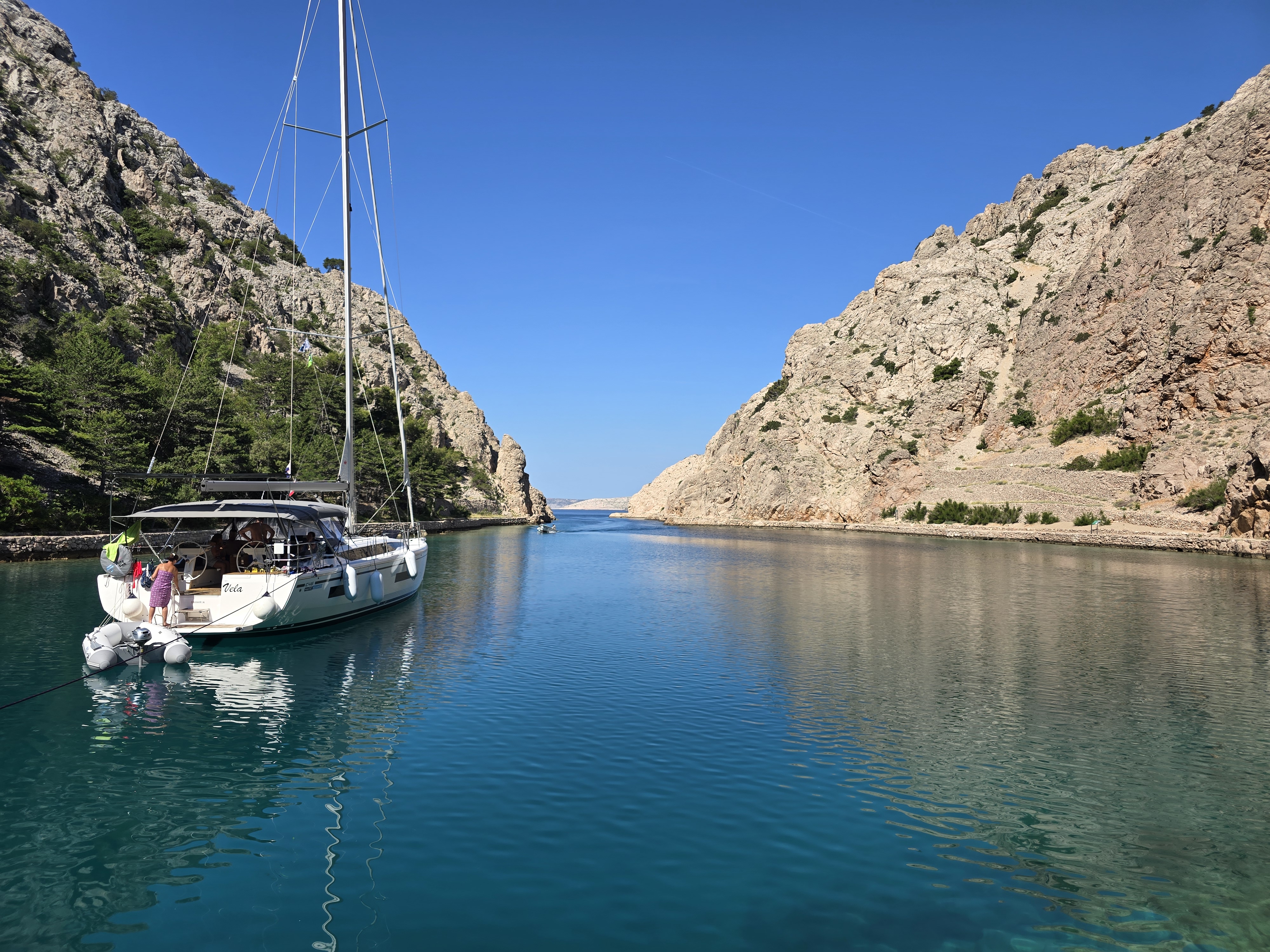
The next morning started with a 25‑minute walk from our hotel to Zavrtnica Bay. Arriving ahead of the crowds meant we had this spectacular, fjord‑like cove almost to ourselves, bar one yacht at anchor. There is a small entry fee in cash, but the peace, clear water and setting are worth it.
From there it was a 2‑hour drive to Zadar to hear the famous Sea Organ. We were lucky to miss the cruise crowds and could really appreciate the ethereal, almost other‑worldly sound of the sea “playing” the steps. After a quick wander through the old town, we continued to Skradin, gateway to Krka National Park.
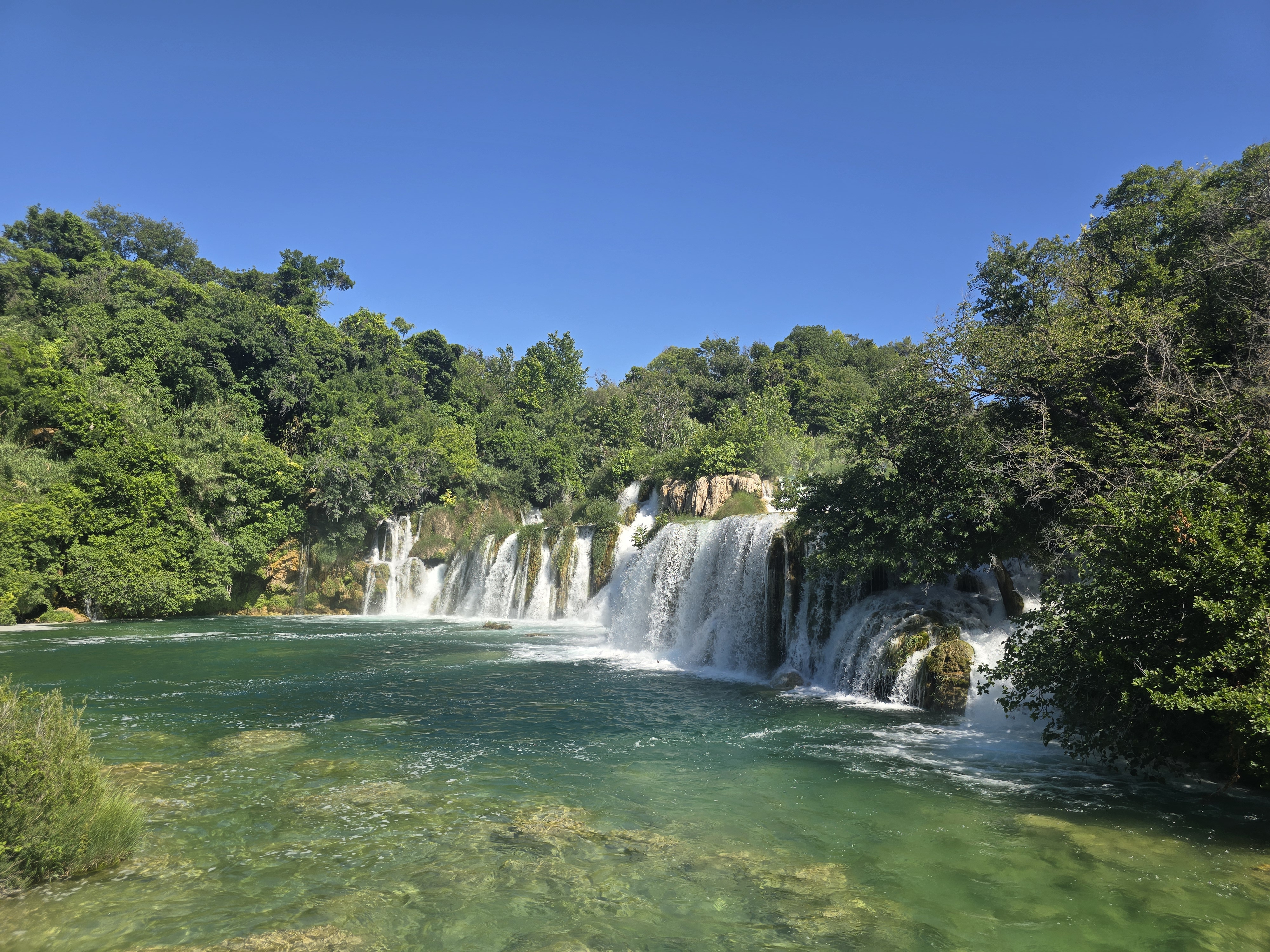
I had hoped to swim beneath the main falls at Krka, but this is no longer permitted for ecological reasons, which is entirely understandable. The park feels more commercial than Plitvice, with more concession stands, but the scenery is still beautiful.
A 25‑minute boat ride from Skradin takes you close to the main waterfall, or you can walk or cycle the 3.4 km route. From the boat landing there is a circular boardwalk through woodland and over streams, with chances to spot frogs, damselflies and dragonflies.
We ended the day in Šibenik at the Armerun Hotel. The staff were genuinely lovely, rooms very comfortable and breakfast excellent: a very easy place to recommend for a night or two.
Island Escape: Hvar Town & Coastal Relaxation
Leaving Šibenik, we took the scenic drive to Split, dropped off the hire car and boarded the one‑hour ferry to Hvar. As we arrived it all came flooding back that I had briefly visited on a cruise in 2005.
From the port we took a taxi boat (around €10 each) to our hotel, The Podstine. The boat ride gave another gorgeous perspective on the island, although the uphill climb from the jetty to reception in 30°C heat with luggage did make me question my choices.
Our room in the annexe had a lovely sea view, was spotless and comfortable, and the air‑conditioning blessedly efficient. Staff were friendly and breakfast was plentiful. The hotel does have a lift, but overall I would not recommend it for guests with significant mobility issues, as access and general layout involve a fair bit of walking and stairs.
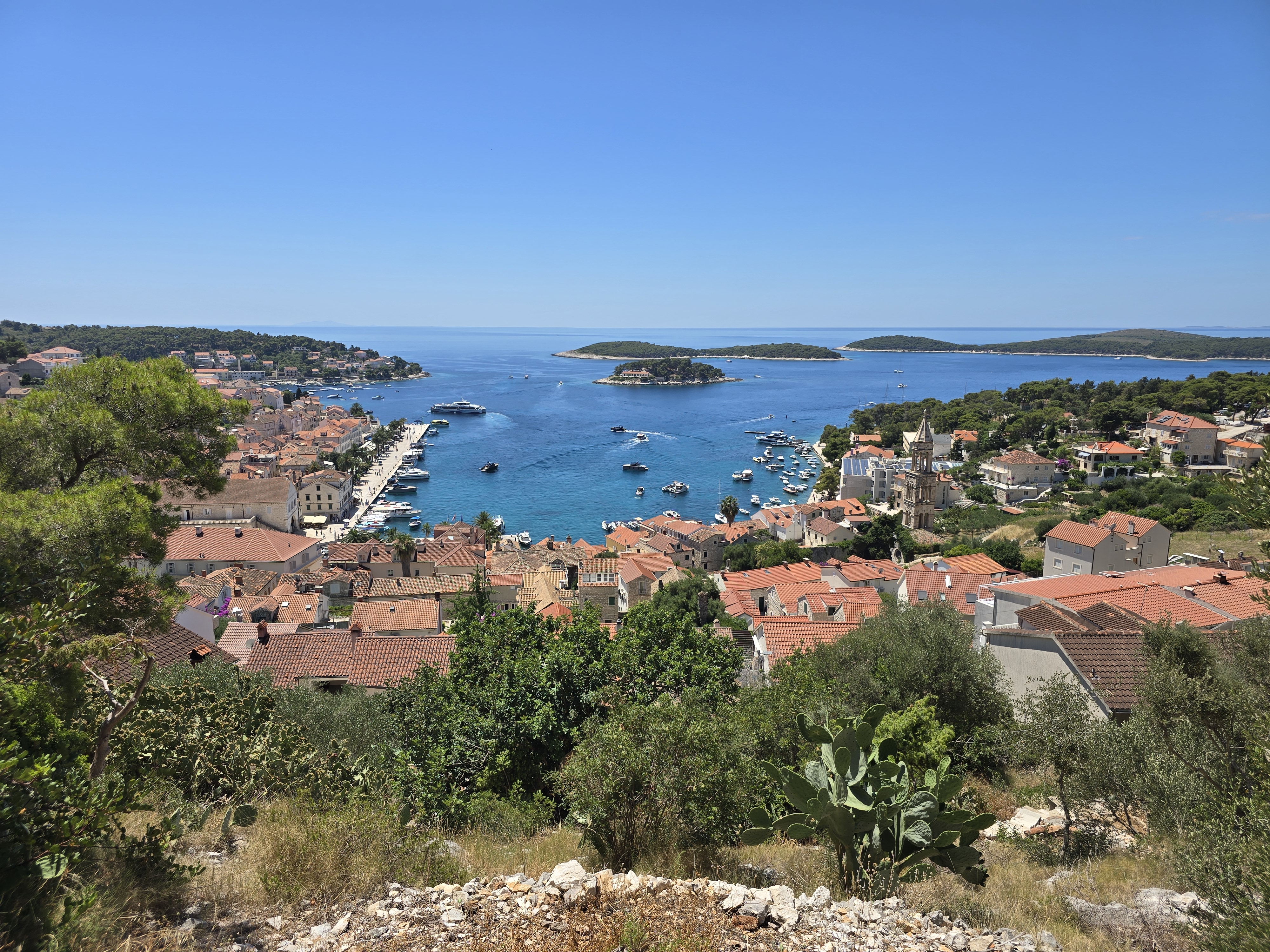
Days were spent swimming from the hotel’s bathing platform and nearby pebble beach, and wandering the 25–30 minutes into Hvar Town to:
- Explore shops, bars and restaurants
- Climb up to the hilltop fortress for panoramas over the harbour
- People‑watch as yachts arrived and departed
Prices here were a touch higher than elsewhere on our route, but not drastically so, and the setting more than justified the difference. All too soon it was time to move on again, this time inland.
Mostar: History, Emotion & Heat
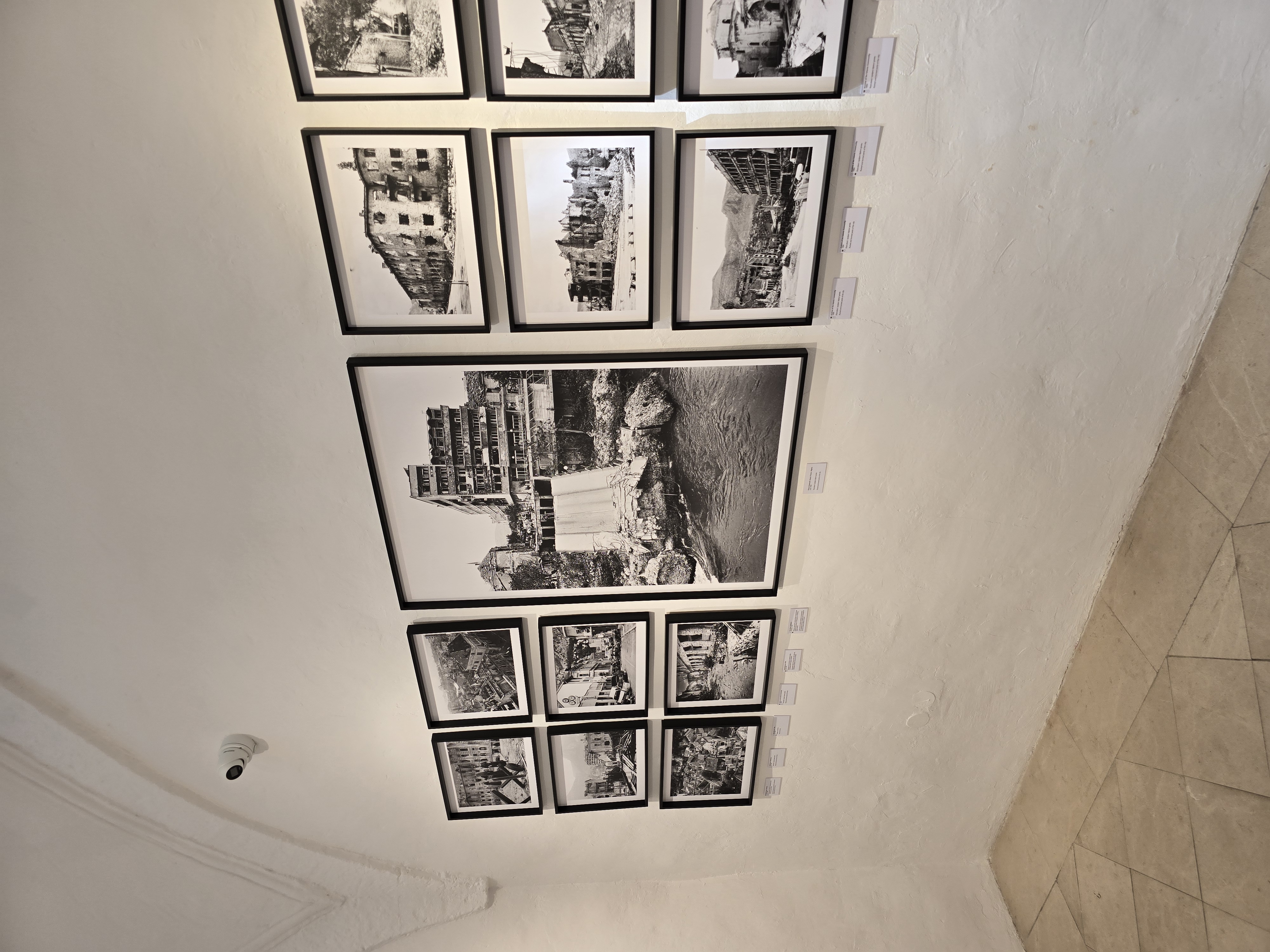
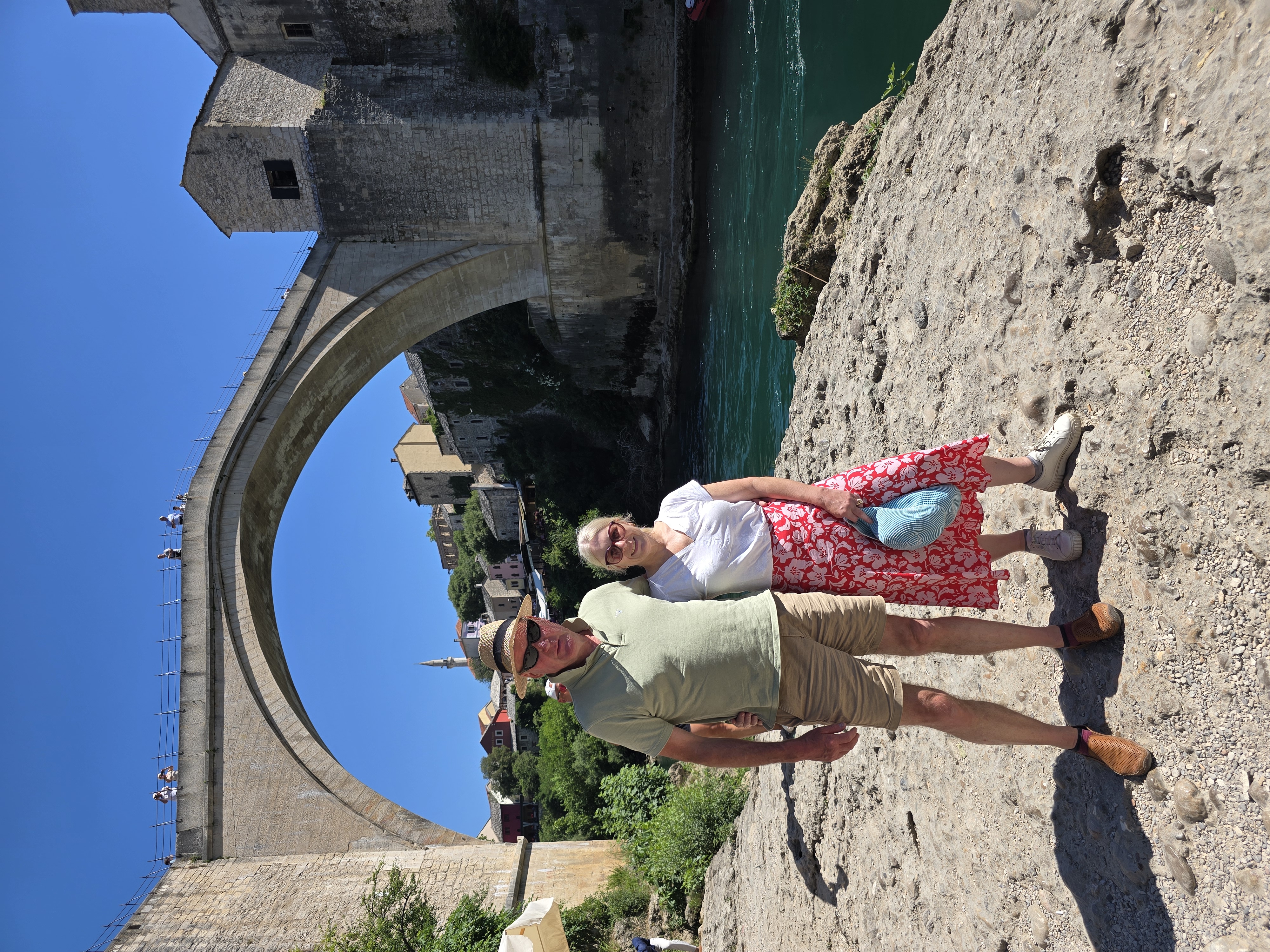
In Mostar, everything centres on the iconic Stari Most bridge. We explored the cobbled streets and markets, and made emotional visits to the genocide and photographic museums that tell the story of the city’s recent past.
Despite the intense 37°C heat, we found time for excellent local food, pistachio coffee, and plenty of conversation with welcoming locals. Our small hotel was another reminder that you do not always need a big-name property for a memorable stay.
From Bosnia to Montenegro: Scenic Drives & Kotor Bay
Due to the high temperatures, we left Mostar early for the 3‑plus‑hour drive to Kotor, aiming to reach the border while it was still relatively cool. We had planned a swim stop in Stolac but could not find an obvious public access point to the river, so we simply enjoyed the mountain and rural views as we continued.
The combined border post near Klobuk was efficient, with Croatian exit and Montenegrin entry booths next to each other. We waited around 20 minutes, while traffic built up behind us.
Reaching the coast at Herceg Novi, we followed the road around the Bay of Kotor, passing cruise ships at anchor tendering guests into the old town.
Our accommodation in Kotor was a small apartment block about 20–25 minutes’ flat walk from the walled town. I had originally booked a studio, but due to plumbing issues we were upgraded to a one‑bedroom apartment for the second night. Being slightly out of the centre meant we could retreat from the crowds easily.
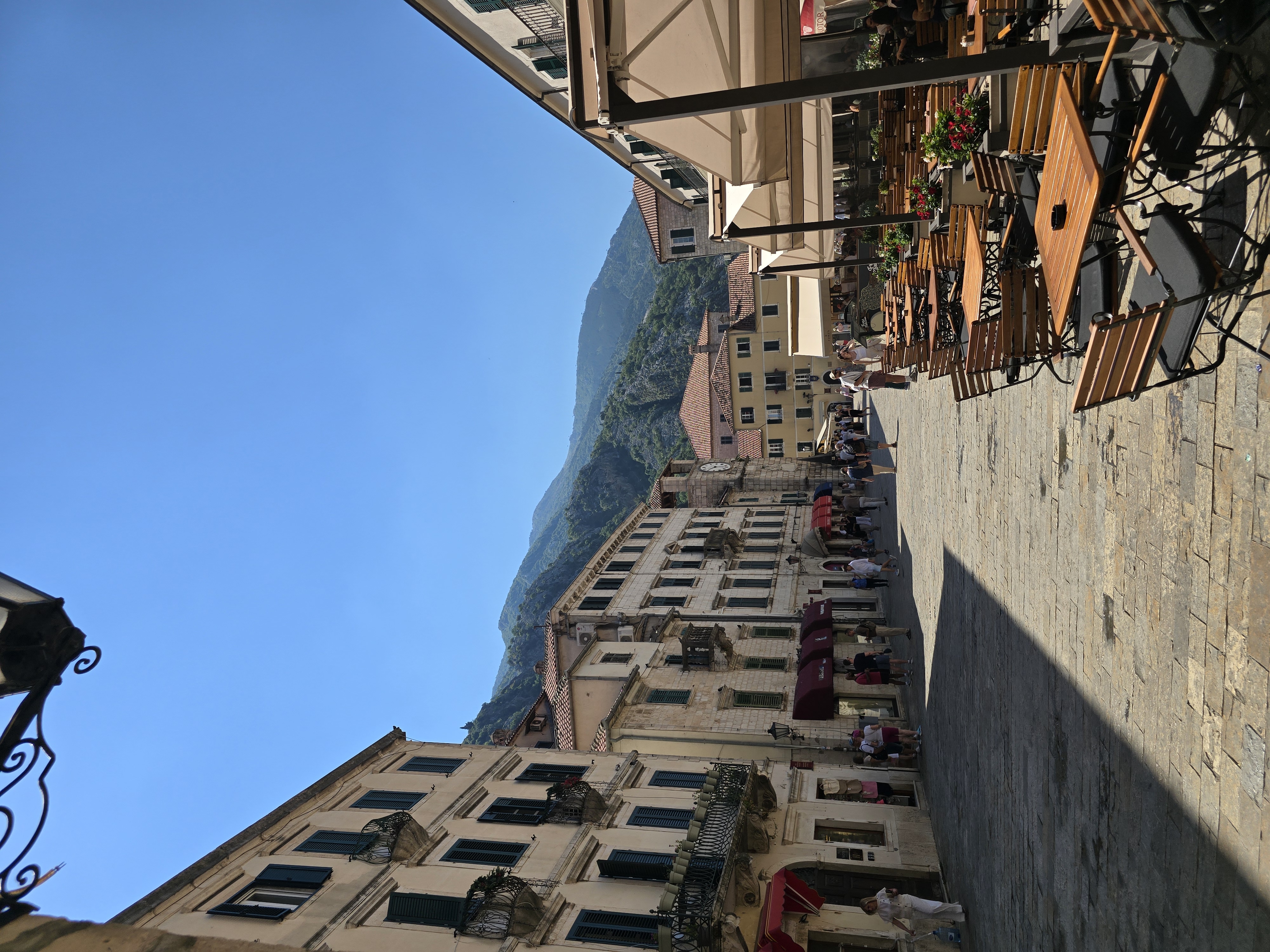
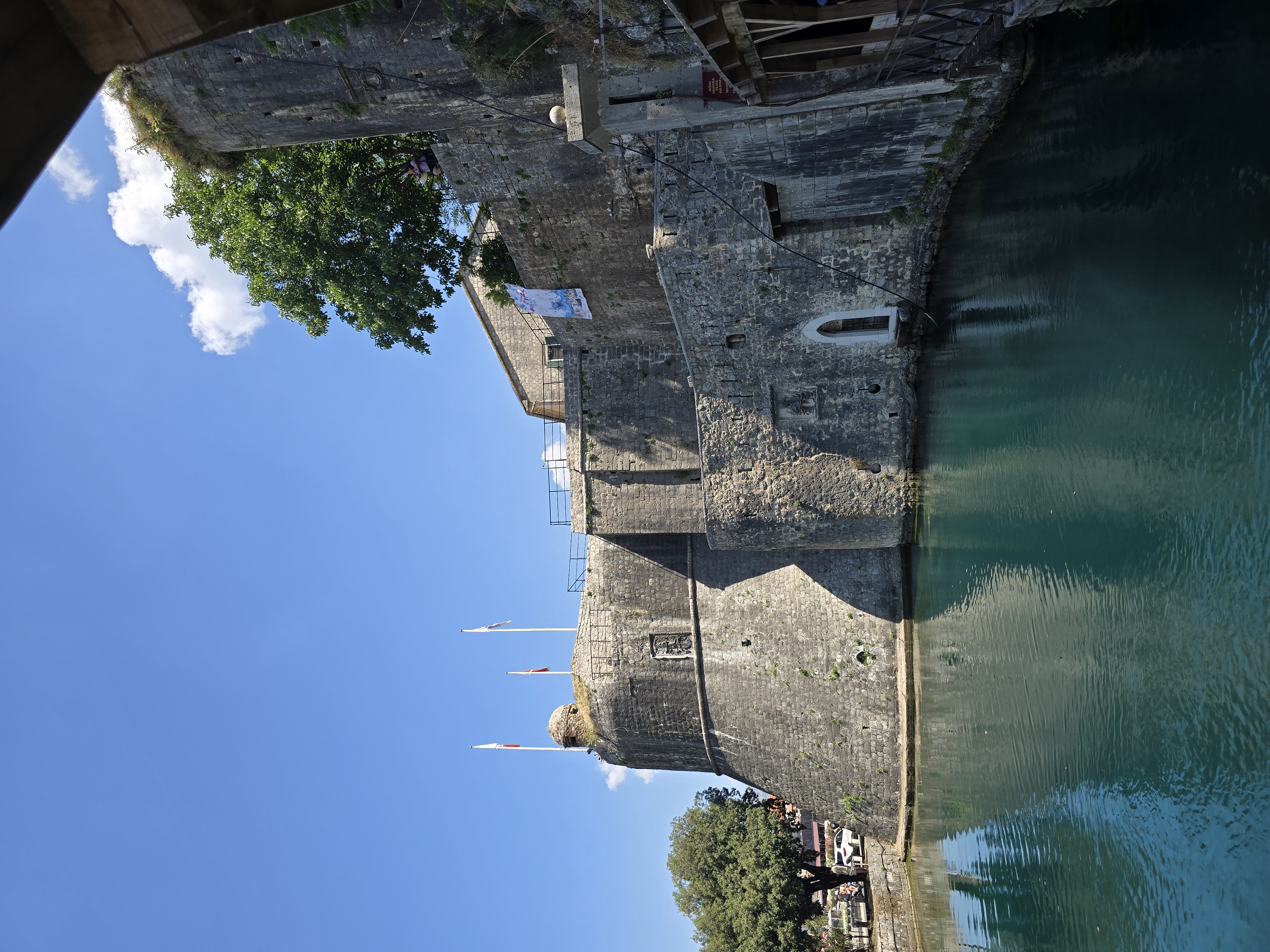
By day, the narrow streets and city walls are filled with thousands of cruise visitors. By evening, once the ships depart, the atmosphere changes entirely and the town feels local and intimate again.
Most people can see the main sights in a day, so longer stays are ideal for:
- Boat trips to nearby caves or the pretty town of Perast
- Driving the famous Serpentine Road (26 hairpin bends) to Lipa Cave and Cetinje
- Relaxing at small shingle beaches or beach clubs along the bay
Beaches here are pebbly with limited natural shade, and sunbeds and umbrellas can be pricey (around €30 a day). We opted instead for a cooling drink and swim at Mandrač Beach Club, where steps into the water and shelter at the bar made a sudden thunderstorm quite enjoyable.
Final Stop: Dubrovnik & A Day Trip to Cavtat
Leaving Kotor, we took the coastal road once more, timing it just right to avoid significant queues at the Montenegro–Croatia border.
We paused in the small village of Molunat for a swim, watching firefighting planes at work overhead. A quick chat with a regular visitor directed us to an excellent barbecue spot where I even got to help out with the cooking.
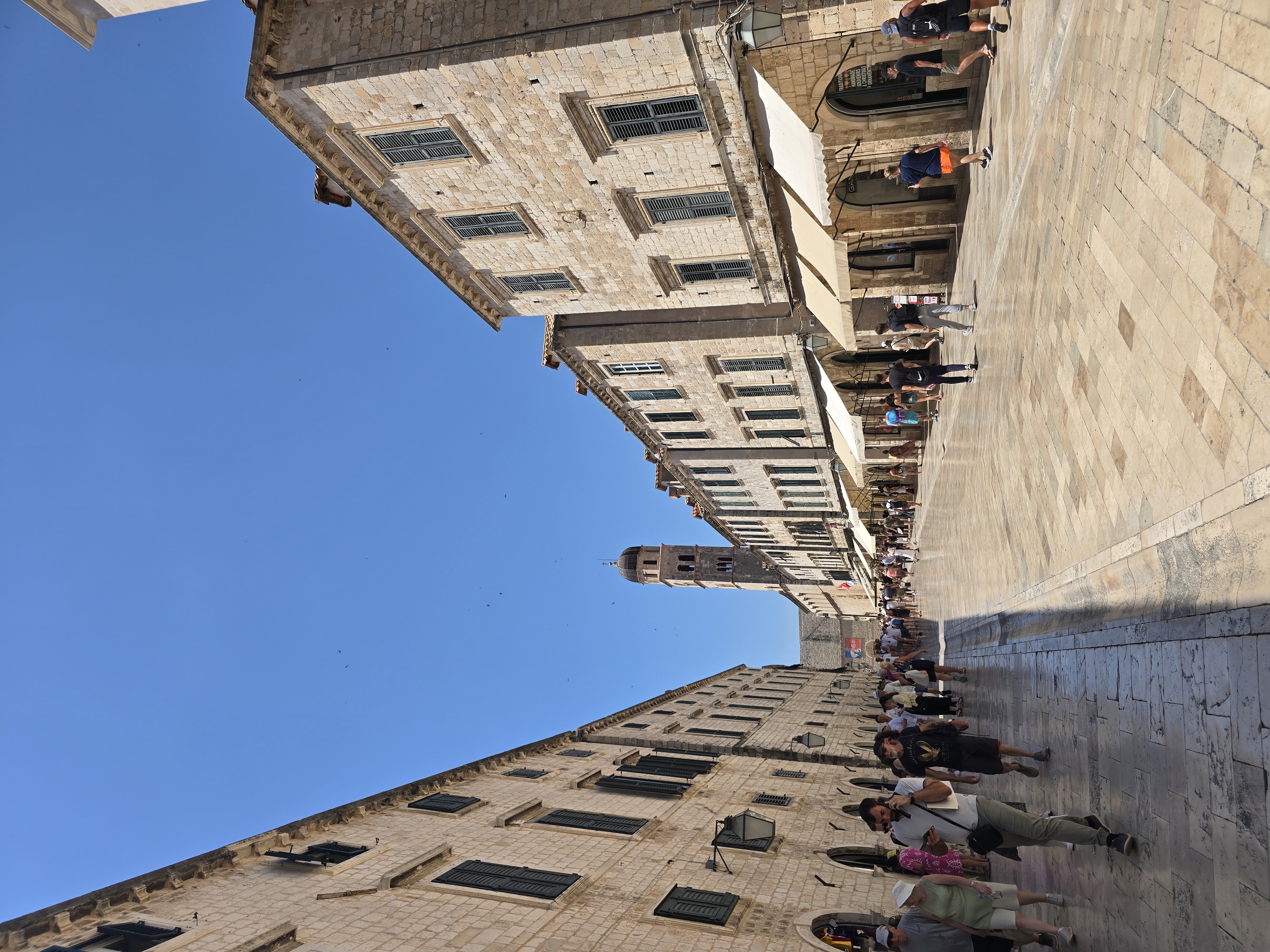
Back on the road, we dropped the hire car at Dubrovnik Airport and took a taxi into the city, as the Old Town is pedestrian only from April to November and the fines for mistakes are hefty.
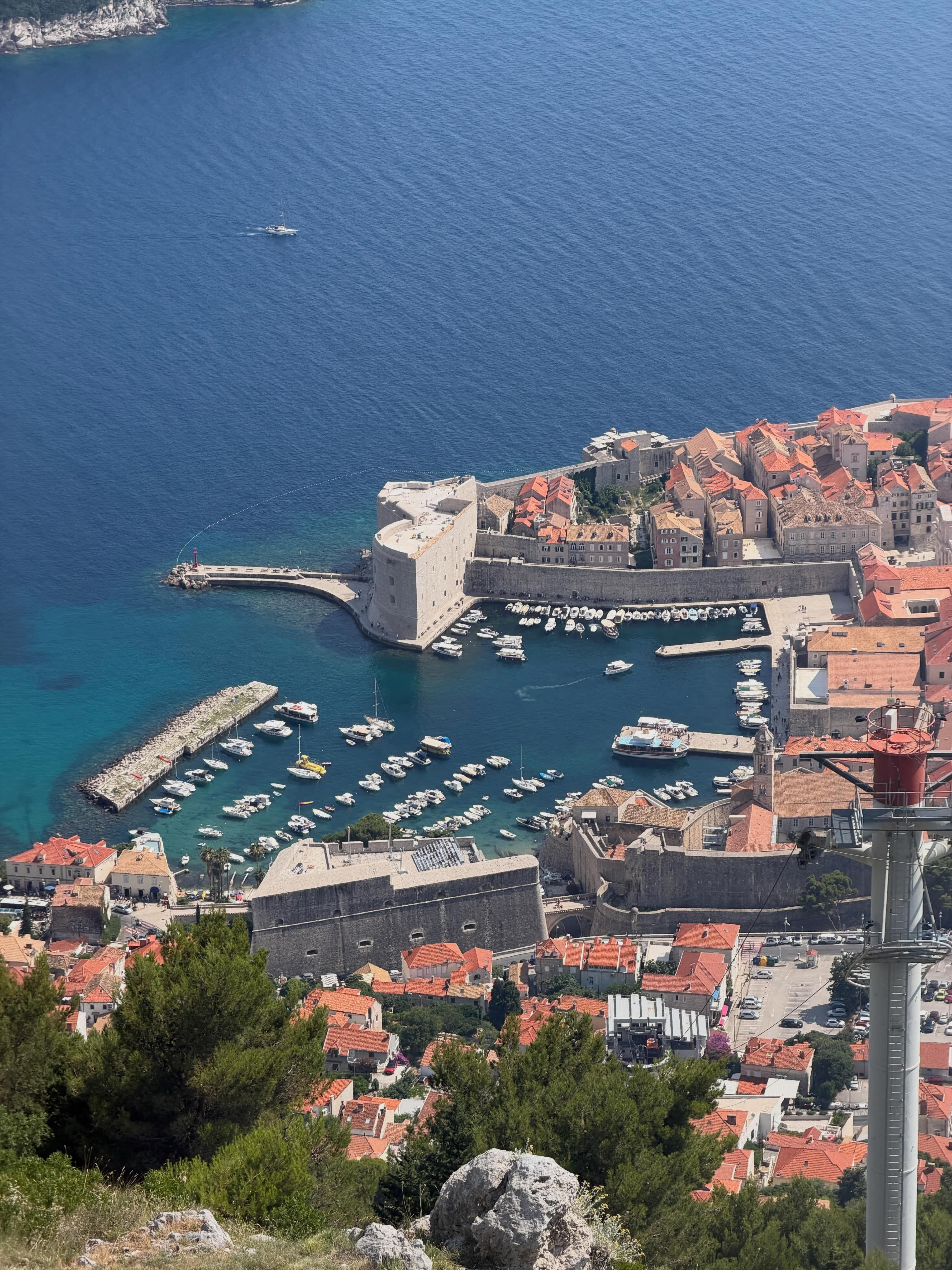
Our final hotel, The Pucić Palace, was perfectly placed just a short walk from one of the main gates into the Old Town. With temperatures still in the high 30s and the city buzzing with visitors, we balanced sightseeing with an escape to the sea: a 45‑minute water taxi to Cavtat for swimming, a leisurely lunch and some excellent local wine.
Cavtat offers a softer, more relaxed seaside alternative to Dubrovnik, with pine‑fringed promenades and pretty coves: a great idea for clients who want to visit the city but not stay in the thick of it.
Back in Dubrovnik we:
- Wandered quieter backstreets in the evening
- Sampled different local restaurants
- Visited the small but interesting aquarium
On departure, Dubrovnik Airport felt modern and very efficient: we were through security and passport control in minutes, with no queues in sight.