What to Pack for a Safari: Essential Items You’ll Need
Kenya
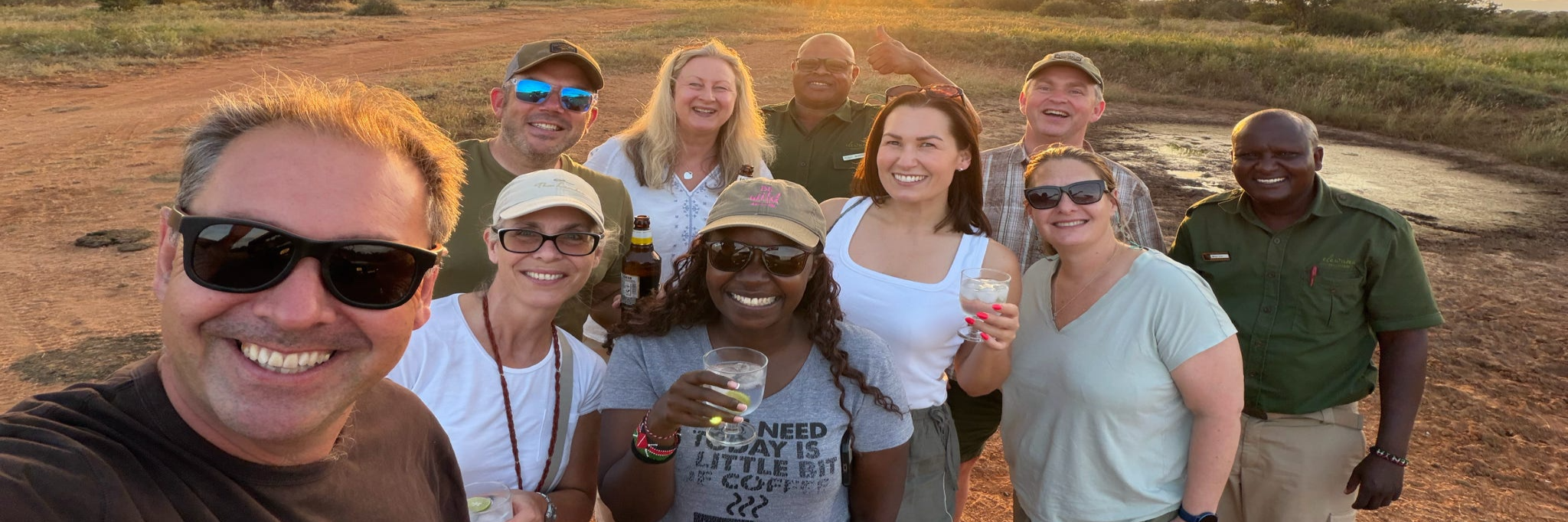
Having recently returned from an unforgettable 11-day safari through Kenya, staying in some of the country’s most spectacular lodges across Meru National Park, Lewa Conservancy, Loisaba Conservancy and the Maasai Mara, I quickly realised that packing for safari isn’t nearly as complicated as many people think. Do you need a whole new safari wardrobe? Will you be too hot? Will you be cold? How much luggage can you take? The answer is surprisingly simple.
Here’s my complete safari packing guide, including exactly what I packed, what I wish I’d packed, and a few tips that made life much easier.
Check Your Luggage Allowance Before You Pack
Many safari itineraries include flights on small bush planes between parks and conservancies.
These aircraft are an incredible experience in themselves, offering spectacular views over the African landscape, but they do come with stricter luggage restrictions.
Typically, luggage is limited to around 15kg in total, including hand luggage (although this can vary slightly depending on the airline and destination).
For this reason, I always recommend taking a soft-sided holdall or duffel bag rather than a hard-shell suitcase. Soft bags are much easier to load into the aircraft and are preferred by safari operators.
Packing light isn’t just a recommendation—it’s essential.
What Clothes Should You Wear on Safari?
The good news is that you don’t need to spend a fortune buying specialist safari clothing.
Comfort is far more important than fashion.
Stick to lightweight, breathable clothing in neutral colours such as:
• Olive green
• Beige
• Stone
• Light brown
• Cream
These colours blend naturally into the surroundings and are practical for game drives.
I would recommend avoiding bright colours, fluorescent clothing and camouflage (which is prohibited for civilians in some African countries).
It’s also worth avoiding black and dark navy blue where possible, as tsetse flies are attracted to darker colours in some safari regions.
Layers Are Your Best Friend
One of the biggest surprises for me was just how cool it could be.
Although daytime temperatures are usually warm, early morning game drives can be surprisingly chilly, particularly between June and September or in higher-altitude conservancies such as Lewa.
Most mornings I started in a fleece or jumper before peeling off layers as the day warmed up.
I’d recommend packing:
• 2 lightweight jumpers or fleeces
• A lightweight waterproof jacket
• Breathable T-shirts
• Shorts
• Lightweight trousers or linen trousers
Being able to layer your clothing makes a huge difference throughout the day.
You Don’t Need to Overpack
This is probably my biggest packing tip.
Most safari lodges and camps offer a laundry service, often included in your stay or available for a small additional charge. This means you can comfortably pack far fewer clothes than you might for a traditional holiday, even if you’re travelling for 10–14 days.
The only exception is that, for cultural reasons, many lodges won’t wash underwear or other delicate personal items, so it’s worth bringing enough of these for your trip.
Packing lighter also makes travelling between camps much easier, especially when flying on bush planes.
Don’t Forget Your Swimwear
Many people imagine safari as spending all day in a vehicle, but there’s usually plenty of time to relax between game drives.
Many lodges have beautiful swimming pools overlooking rivers, watering holes or the bush.
One of my favourite memories was relaxing by the pool while watching wildlife wander past before heading out on our afternoon game drive.
A swimming costume is definitely worth packing.
The Best Footwear for Safari
You don’t need heavy hiking boots unless you’re planning long walking safaris.
For most safari holidays, I’d recommend:
• Comfortable trainers
• Lightweight walking shoes
• Sandals for around the lodge
If you’re taking part in guided walking safaris, your guide will let you know if anything more substantial is required.
My Safari Essentials
These are the items I’d never travel without:
- Sunglasses
- Wide-brimmed hat or cap
- High-factor sun cream
- Insect repellent
- Reusable water bottle
- Lip balm
- Binoculars
- Camera
- Spare memory cards
- Power bank
- Torch or head torch
- Personal medication
Do You Need an Expensive Camera?
Absolutely not. Some of my favourite wildlife photographs were taken on my phone. If photography is a passion, a camera with a zoom lens can be a fantastic investment, but you don’t need to spend thousands before your first safari.
Hiring a lens is also a great option if you want to capture high-quality wildlife photos without the expense of buying one. Most importantly, don’t forget to put the camera down occasionally—some of the best safari memories are made when you simply stop and enjoy the moment
One Thing I Wish I’d Packed
After 11 days of linen trousers, safari shirts and neutral colours…
I found myself wishing I’d packed a pair of jeans!
It might sound strange, but after over a week of dressing for safari, it would have been lovely to have a different outfit for the evenings - I had packed a dress, but realistically, it was often too cool to wear while sitting around the campfire.
If you’re travelling for longer than a week, I’d definitely recommend packing one “normal” outfit alongside your safari clothes.
Things You Can Leave at Home
One of the biggest mistakes first-time safari travellers make is overpacking.
You can safely leave behind:
• High heels
• Smart evening wear
• Excessive jewellery
• Hair styling tools
• Formal clothes
• Lots of makeup - Safari camps are wonderfully relaxed, and that’s all part of their charm.
My Ultimate Safari Packing Checklist
✔ Soft-sided duffel bag or holdall
✔ Passport and travel documents
✔ Neutral-coloured clothing
✔ Lightweight jumpers
✔ Waterproof jacket
✔ Trainers
✔ Sandals
✔ Swimwear
✔ Hat
✔ Sunglasses
✔ Sun cream
✔ Insect repellent
✔ Camera
✔ Binoculars
✔ Power bank
✔ Torch
✔ Reusable water bottle - but check as these may be provided by the lodge
✔ Personal medication
✔ Enough underwear for your trip
✔ One comfortable outfit for travelling home
Final Thoughts
Packing for safari is much easier than most people expect. The reality is that once you’re there, you won’t be thinking about what you’re wearing—you’ll be watching elephants wander past your breakfast table, listening to lions calling at sunset, enjoying a sundowner overlooking the African bush and sitting around a campfire beneath one of the clearest night skies you’ll ever see.
Having recently experienced Kenya’s incredible conservancies and luxury lodges firsthand, I can honestly say that safari is one of the most rewarding holidays I’ve ever taken. It’s not just about seeing incredible wildlife—it’s about connecting with nature, learning about conservation and supporting the communities that help protect these remarkable places.
If you’re thinking about booking your first safari and would like honest, independent advice on choosing the right destination, lodge or itinerary, I’d love to help. Every safari I create is tailored to you, ensuring you experience Africa in a way that’s unforgettable for all the right reasons.