South and Central Vietnam: history, culture, markets and beaches
Vietnam offers a fabulous blend of hectic city buzz, ancient historic sites, thought‑provoking museums, beautiful beaches, genuinely warm people and, of course, the most mouth‑watering food.
The two main entry points to Vietnam are Ho Chi Minh City (formerly Saigon) in the south and Hanoi in the north. My sister was living in Ho Chi Minh City (HCMC) at the time, so my husband and I chose to begin our Vietnamese adventure there.
A delay on our first flight meant that although we were whisked through Bangkok airport like VIPs to make our connection to HCMC, our luggage wasn’t quite so speedy. Fortunately, with multiple daily flights between Bangkok and HCMC, our bags simply followed on a later service and were delivered safely to our hotel that same evening.
On this trip, we focused on the south and central regions of Vietnam, so we didn’t make it as far as Hanoi and Halong Bay. It gives us the perfect excuse to return, and next time those will be right at the top of our list.
The controlled chaos of Ho Chi Minh City
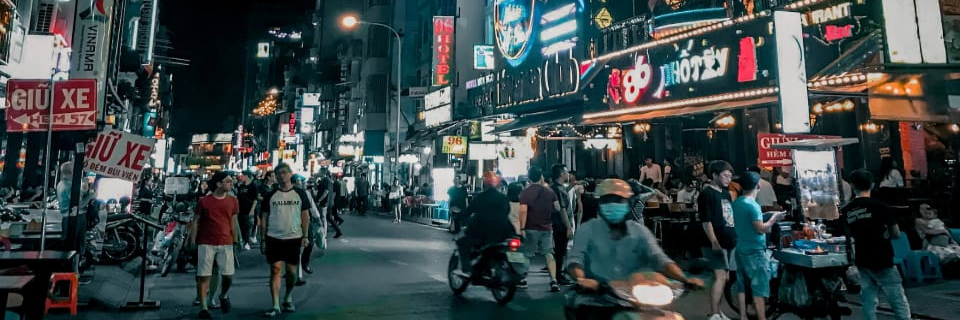
One thing to be aware of in HCMC and other major cities is the sheer volume of motorbikes. In HCMC alone it is estimated there are between 7 and 9 million of them. Riders weave effortlessly through the traffic, often driving the wrong way down one‑way streets and slipping between cars with millimetres to spare. We didn’t see a single accident; the whole system seems to operate on instinct and mutual awareness. As a pedestrian, though, crossing the road requires nerves of steel. The trick is to walk slowly and steadily, and trust the tide of scooters to flow around you.
Markets, malls and a little retail therapy
If you love markets but dislike being aggressively hassled, there is a useful tip for the main market in HCMC. The outer ring of stalls is staffed by paid shop assistants rather than the stallholders themselves, so browsing there is much more relaxed, with no pressure to buy. Venture into the interior and you are in another world altogether: stall owners grabbing your hand to guide you to their wares, enthusiastic bargaining and a whirlwind of sound and colour.
It is all part of the experience and a great way to pick up excellent‑value gifts and souvenirs. If it gets too much, you can retreat to one of the modern air‑conditioned shopping malls nearby, where you will find many of the same products, just displayed in a far calmer environment.
Cruising the Mekong Delta
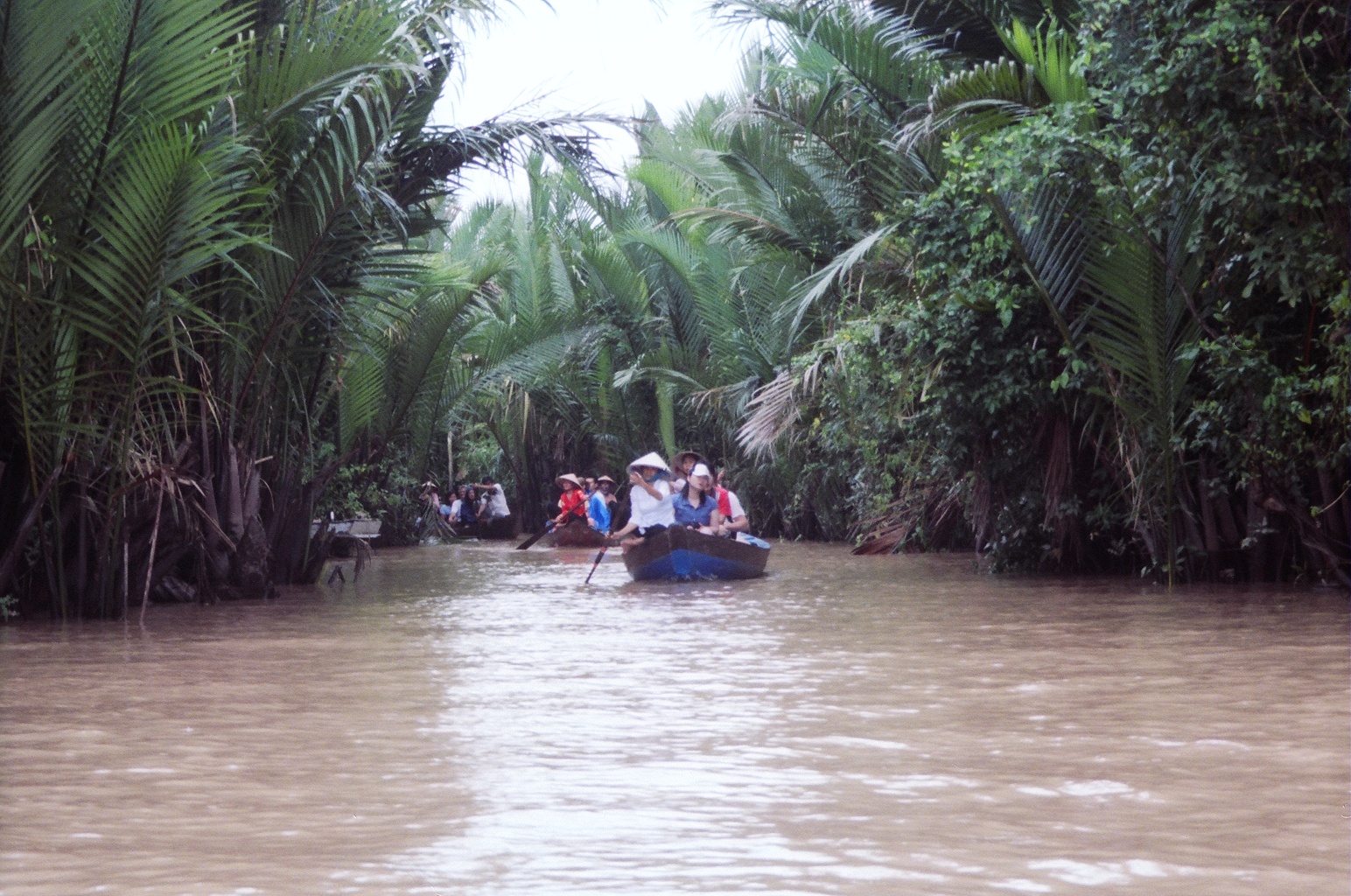
The Mekong Delta is a vast, emerald-green tapestry of winding rivers, sleepy islands, rice paddies and tangled mangrove forests, lying less than two hours south of HCMC yet feeling a world away from its urban buzz.
If you aren't doing a full Mekong River cruise (definitely on my wish list), you can stay for a few days in the area to really soak up the river culture or simply take a day trip from HCMC for a brilliant introduction to life on the waterways. Most day trips pause first at the Vinh Trang Pagoda, a serene Buddhist temple complex, before moving on to the jetty at My Tho, where you board a small boat and head out onto the Mekong.
We spent the day hopping between these islands, seeing how local communities live, browsing their handicrafts and pausing for a short cultural show. The islands are laced with narrow canals, which we navigated in dugout canoes paddled by local boatmen. As we drifted along, we passed stilted wooden and reed houses teetering on the riverbanks, washing lines flapping and children waving from doorways.
Lunch was the local delicacy: “elephant ear fish”, which has to be one of the world’s least attractive fish. It is deep fried whole, then shredded off the bone and wrapped with mint leaves and fresh herbs in rice‑paper rolls. It tastes far better than it looks or sounds: light, fragrant and surprisingly delicate.
The Cu Chi Tunnels: a powerful reminder of history
One excursion you simply must not miss from HCMC is the Cu Chi Tunnel open‑air museum. It is an unflinching but important insight into the Vietnam War and the resilience of the local people.
Scattered through the jungle are tiny camouflaged holes that lead down into the underground tunnel network. It is sobering to imagine entire communities disappearing underground through these openings, relying on ingenious but basic ventilation shafts to survive. Around the site you also see the horrific booby traps fashioned from melted‑down US bomb shrapnel.
Only one section of tunnel is considered large enough for tourists. Even there, the 30 metres we were allowed to crawl through felt intense. We moved in a permanent squat, in total darkness, feeling the rough walls close around our shoulders and the temperature rise with every shuffled step. I emerged dripping with sweat and very close to panic. If you suffer from claustrophobia, this is definitely one to skip, but even staying above ground, the visit is incredibly impactful.
Flying north: easy domestic connections
Domestic flights within Vietnam are straightforward, frequent and inexpensive, which makes it very easy to combine different regions in a single trip. From HCMC we flew to Da Nang, in central Vietnam, a coastal city framed by hills and mountains.
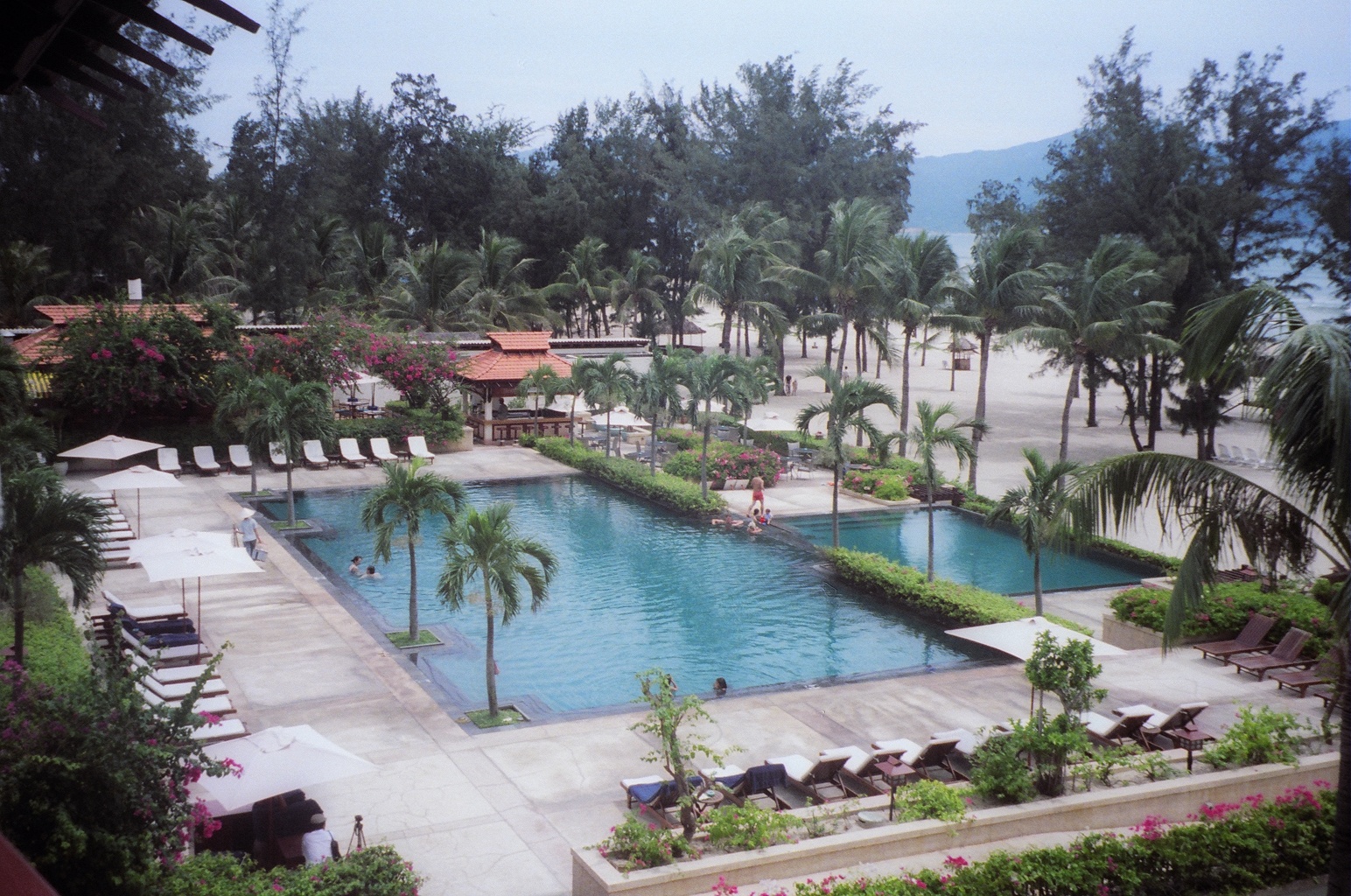
Da Nang itself feels quite industrial, but it does boast a long crescent of beautiful white sand at Da Nang Beach. For us, the real highlights of this area lay just beyond the city.
The Cham Museum and Marble Mountains
In Da Nang, the Cham Museum is well worth a visit. It houses a superb collection of sculptures and artefacts from the Cham civilisation, the ancient Hindu inhabitants of the region from the 2nd to the 15th centuries, who built temples reminiscent of Angkor Wat in Cambodia.
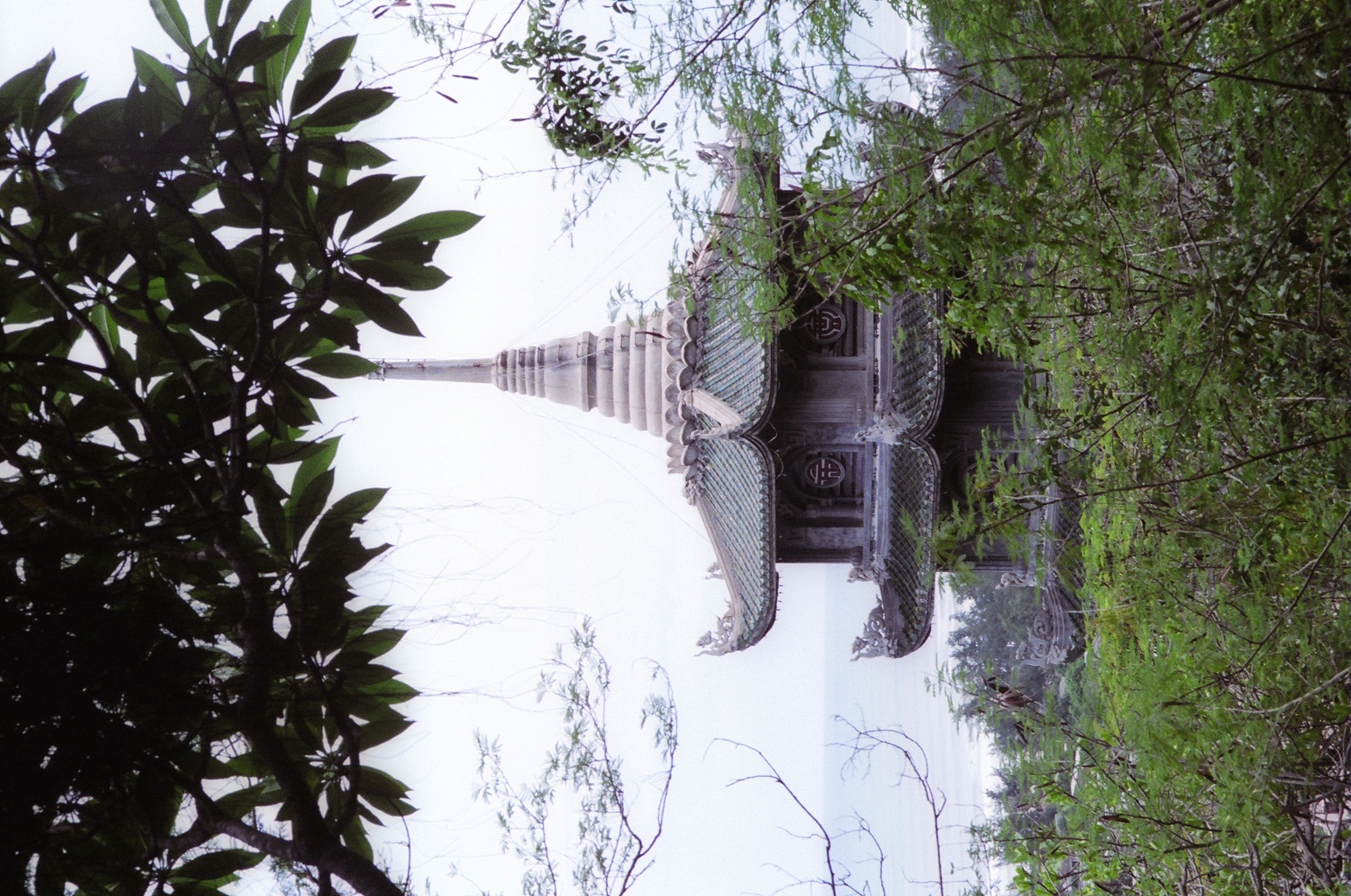
A short drive away lies a coastal plain punctuated by five limestone outcrops known as the Marble Mountains. These have held religious significance since Cham times. We climbed Mount Thuy, passing pagodas, shrines and incense‑filled grottoes on the way up, before reaching the spectacular Huyen Khong Cave where a huge stone Buddha is illuminated by shafts of sunlight from above.
Although marble quarrying here is now banned to protect the site, there is a nearby cluster of workshops where artisans sculpt imported marble. It is fascinating to watch them at work and there are plenty of opportunities to purchase carvings as a unique memento.
Hoi An: a step back in time
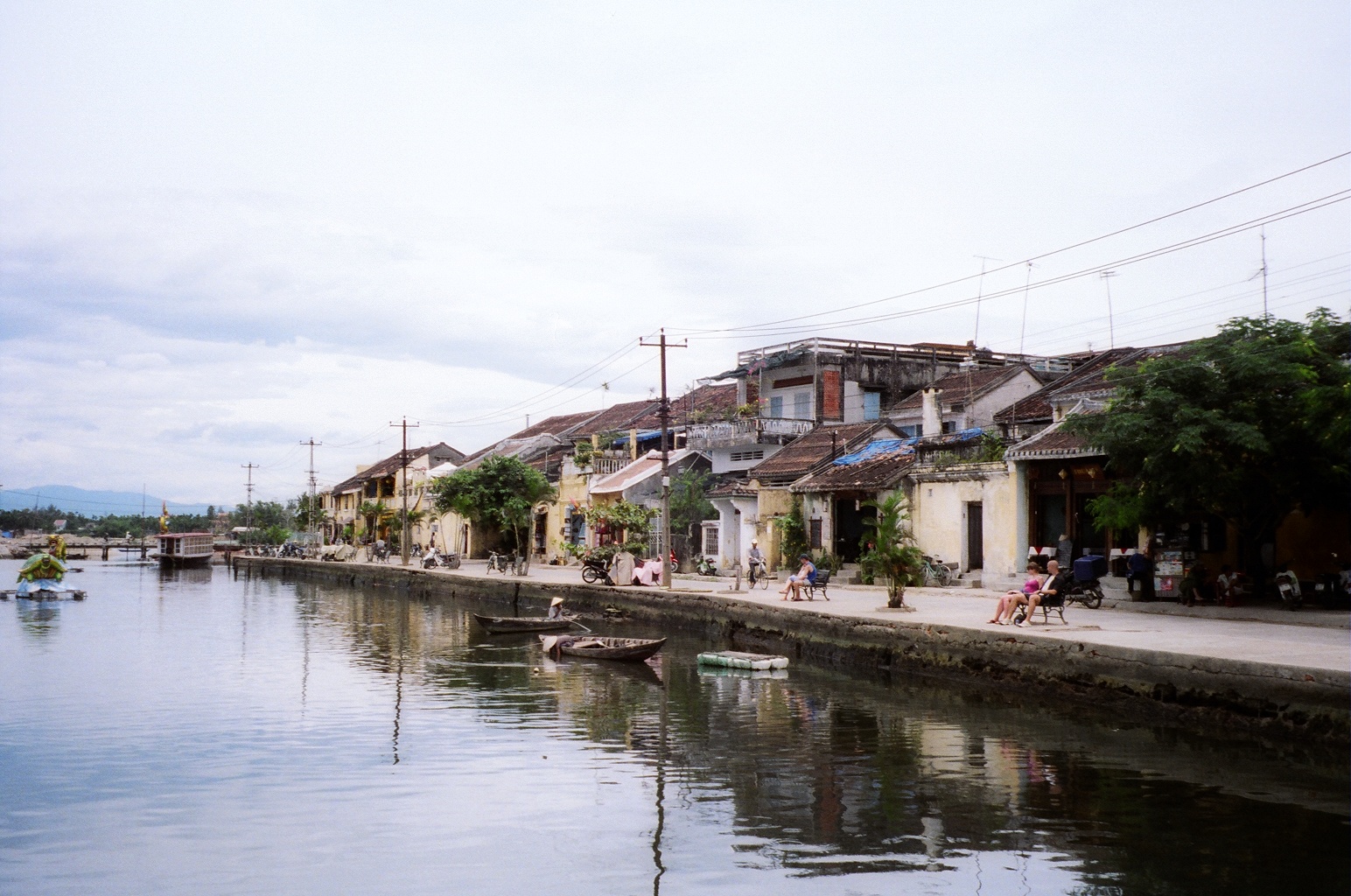
Hoi An, just 45 minutes from Da Nang Beach, is an absolute delight and a place I would consider unmissable. The historic old town is a tangle of narrow streets lined with traditional wooden houses, their balconies dripping with lanterns and bougainvillea. It is remarkably easy to imagine you have been transported back 100 years.
There is a strong Japanese influence here, most famously expressed in the beautifully carved Japanese Covered Bridge. Another highlight is Tan Ky House, a stunning historic home that has been in the same family for seven generations. It blends Chinese, Japanese and Vietnamese architectural styles, with intricate woodwork, carved beams and atmospheric courtyards.
Hoi An sits alongside a river and floods most years. Inside Tan Ky House you can see the water marks from past floods on the walls, and learn how the family has adapted. Ingeniously, there are trap doors in the first floor ceiling, through which they hoist all the ground‑floor furniture every time floodwaters rise.
In the evenings, the old town takes on an almost magical quality, with hundreds of coloured lanterns reflected in the river and little boats drifting past. It is one of those places that lingers in your memory long after you have left.
The flavours of Vietnam
Vietnamese cuisine alone is reason enough to visit. It offers a delicious blend of coconut, lemongrass, fresh herbs and lime, generally without the intense chilli heat that you often find in Thai food. Dishes are bright, fresh and beautifully presented, with a focus on raw vegetables, aromatic broths and lightly cooked ingredients rather than deep‑fried food.
Pho, the fragrant noodle soup that has become a global favourite, tastes even better in its homeland, especially when eaten perched on a tiny plastic stool at a street‑side stall. The legacy of French colonial rule lives on in the famous banh mi: a crisp yet airy baguette filled with grilled meats, pickled vegetables, herbs and chilli. It is the ultimate quick, flavour‑packed lunch.
From market stalls to smart restaurants, we found that every meal felt like a carefully composed work of art.
When to go
February to April is generally considered the best time to visit Vietnam, when weather conditions tend to be at their most settled across the country. My own trip was in August. It was perfectly manageable, but very humid, with at least one heavy downpour most days. The beach at Da Nang was warm but often cloudy, and the overcast conditions seemed to encourage swarms of tiny flies which disappeared the moment the sun broke through.
From September to November, central Vietnam in particular enters typhoon season, so this period is best avoided if you can be flexible with dates.
Ready to plan your Vietnam adventure?
Vietnam offers a wonderful blend of culture, history, food and coastline, with the option to combine cities, countryside, history and beaches in one journey. If you are dreaming of your own Vietnam adventure, I would love to help you design a trip that suits your style, pace and interests.