Yogyakarta: Java’s Cultural Soul
No trip to Java should exclude a trip to Yogyakarta, a place steeping in culture and tradition.
Sitting in the heart of Central Java, Yogyakarta (often affectionately called “Jogja”) is where Indonesia’s past, present and spiritual heart seem to meet. It is a city of sultans and students, of sacred temples and vibrant street art, of timeless rituals and contemporary creativity. For culturally curious travellers, few places in Southeast Asia offer such a rich blend of heritage and everyday life in such an accessible and atmospheric way.
What makes Yogyakarta so special is the way its stories are written into every corner of the city and its surroundings. Dawn breaks over ancient stone stupas, the call to prayer mingles with the soft tones of gamelan music, and the scent of street food drifts down avenues lined with batik workshops and tiny warungs. From world‑famous temples to hidden royal pools, Yogyakarta invites you not just to see Indonesia, but to feel it.
Borobudur: Sunrise over a Sea of Stupas
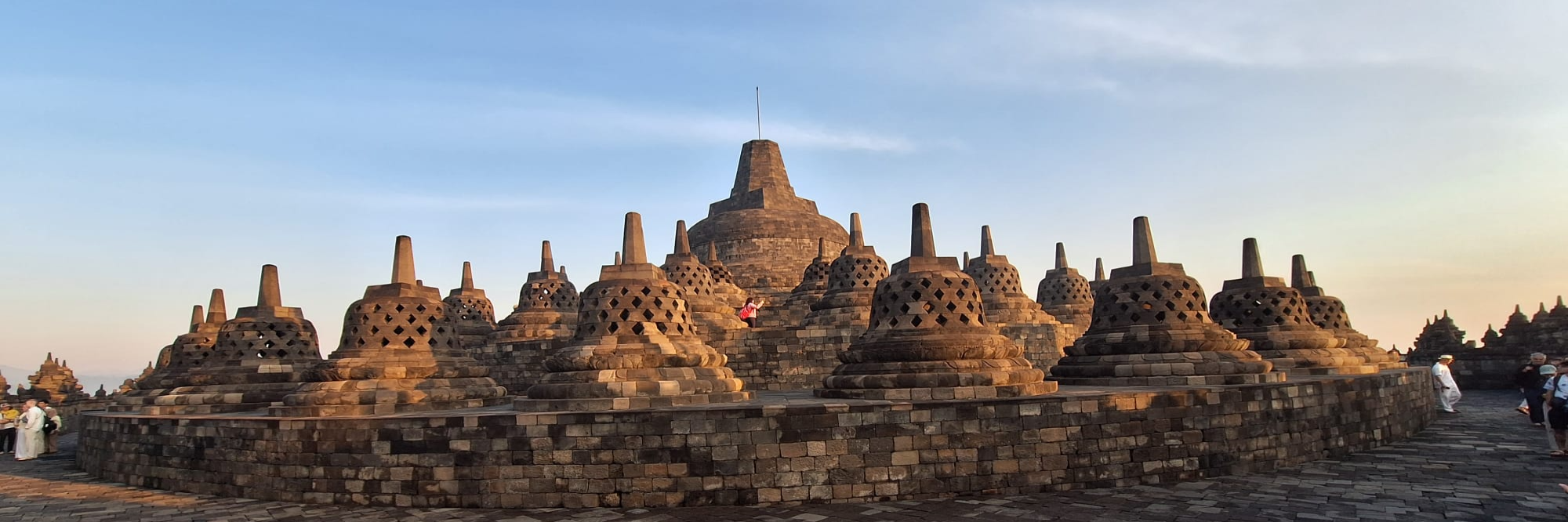
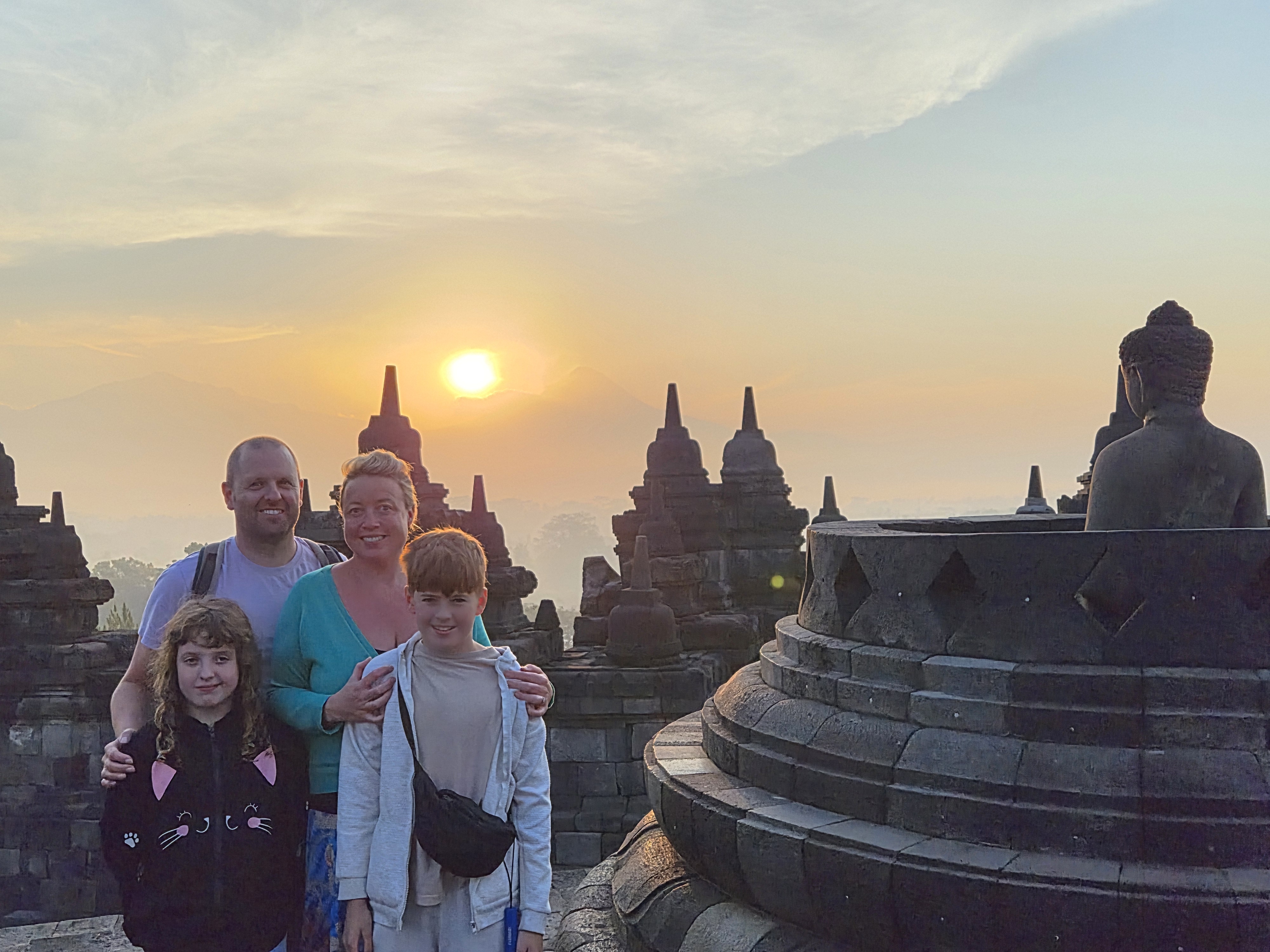
No visit to Yogyakarta is complete without a journey out to Borobudur, one of the most impressive Buddhist monuments in the world. Set against a backdrop of mist‑covered hills and distant volcanoes, this 9th‑century temple rises like a stone mandala from the surrounding countryside.
On arrival, you will be provided with your own sandals to wear for exploring the temple. Choosing the sunrise option (limited tickets so pre-booking is essential), then climbing Borobudur in the cool pre‑dawn darkness is a truly memorable experience. As the sky lightens, the silhouettes of the temple’s bell‑shaped stupas emerge around you, each housing a serene Buddha statue. The intricate bas‑reliefs that wrap around the lower terraces tell stories from Buddhist teachings and Javanese life more than a thousand years ago. From the top, the panoramic views as the sun floods the valley with golden light are unforgettable and perfectly capture the quiet spirituality that defines this region. If you have selected the sunrise option, a delicious and varied buffet breakfast is included in your ticket price and very well earned after a morning’s explor4ing.
Prambanan: A Symphony of Stone Spires
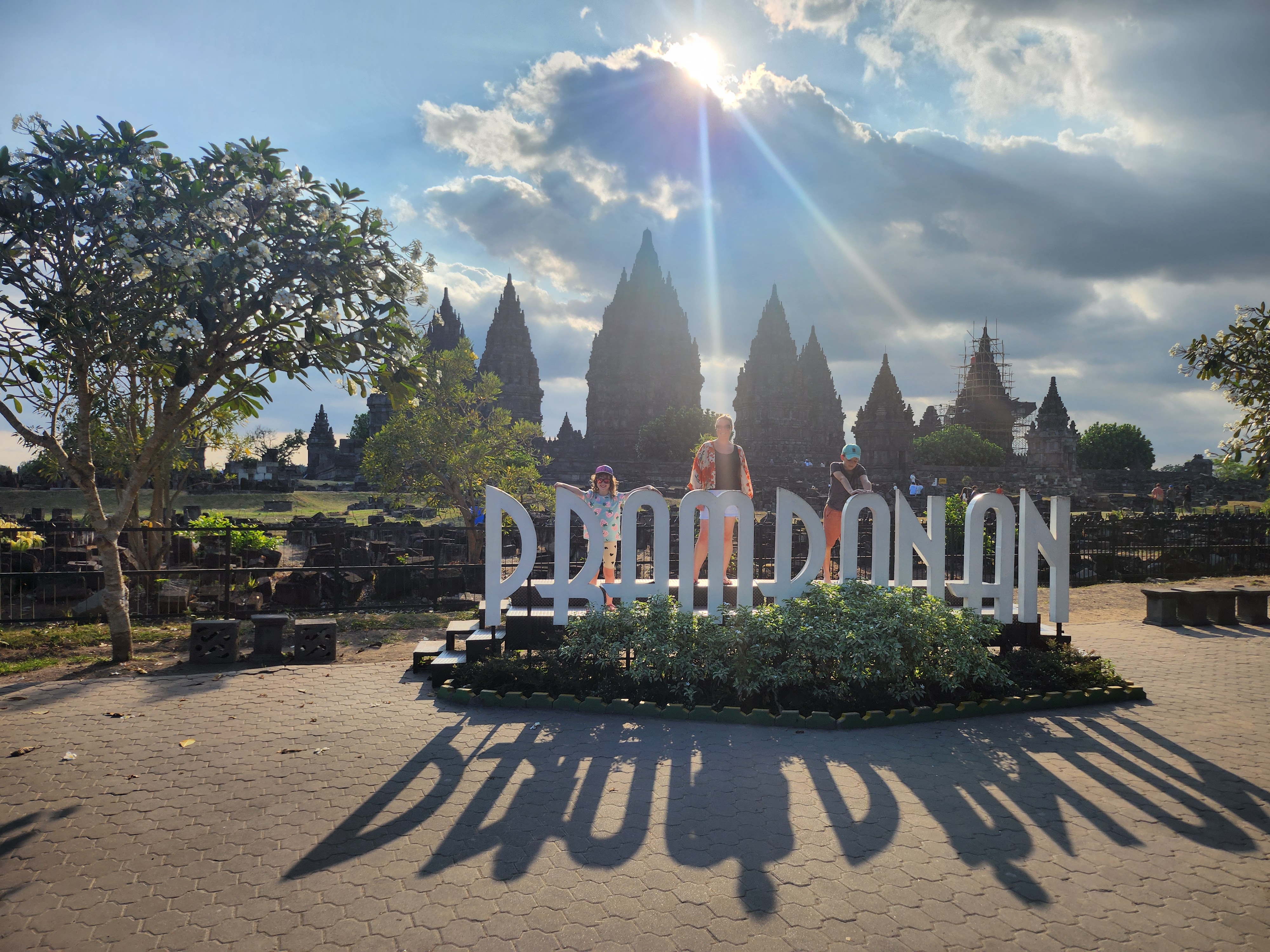
If Borobudur reveals Java’s Buddhist history, Prambanan showcases its Hindu heritage in spectacular fashion. Just a short drive from the city, this UNESCO‑listed temple complex is a striking ensemble of slender, soaring spires dedicated primarily to the Trimurti: Brahma, Vishnu and Shiva.
Walking among Prambanan’s central temples, you can admire exquisite stone carvings depicting scenes from the Ramayana epic, from heroic battles to delicate palace life. In the late afternoon, the warm light brings out the details of the reliefs and the angular beauty of the towers. Stay into the evening and you can pair your visit with a Ramayana ballet performance, where music, dance and drama unfold on an open‑air stage with the illuminated temples as a magical backdrop.
The Sultan’s Palace: Living Javanese Tradition
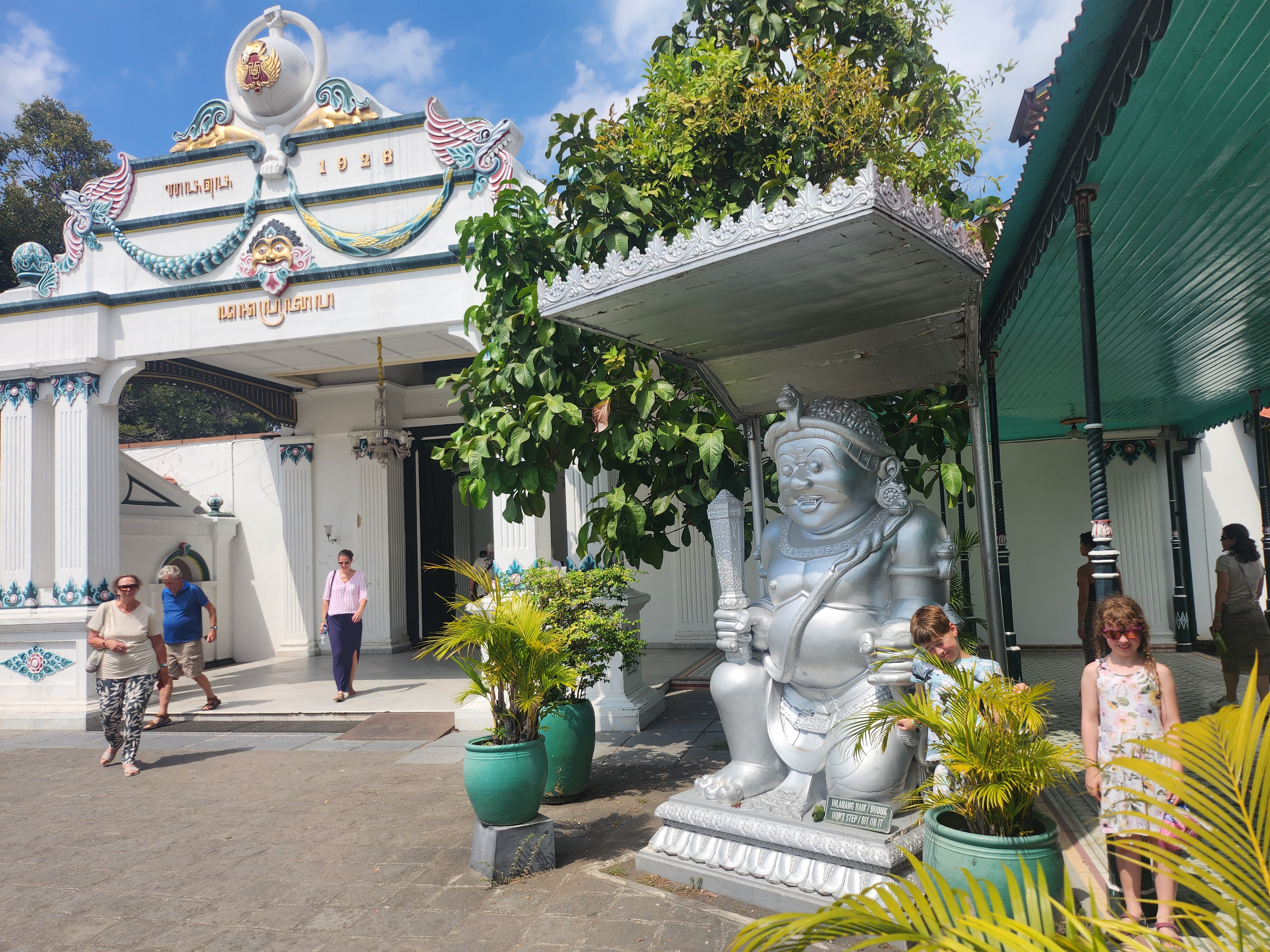
At the heart of the city lies the Kraton, the Sultan’s Palace, which remains the cultural and spiritual centre of Yogyakarta. Unlike many royal palaces that exist purely as museums, the Kraton is a living institution. It is still home to the Sultan and his family, and a place where Javanese court traditions are cherished and actively maintained. The traditions aren’t just limited to the occupants of the Kraton, as visitor’s are expected to dress conservatively too. If you forge and turn up in shorts (as we did!), then you can hire, or buy, a sarong from a local market stall. Hire was only about 50000 IDR, so about £2.
As you wander through its series of courtyards, pavilions and galleries, you will encounter collections of royal heirlooms, batik, musical instruments and gifts from visiting dignitaries. On many mornings, traditional performances take place in the palace compound: gamelan concerts, classical Javanese dance and wayang kulit (shadow puppet) shows. Spending time here offers a fascinating insight into Yogyakarta’s unique status as a sultanate and into the refined aesthetic of Javanese court culture.
Taman Sari: The Water Palace
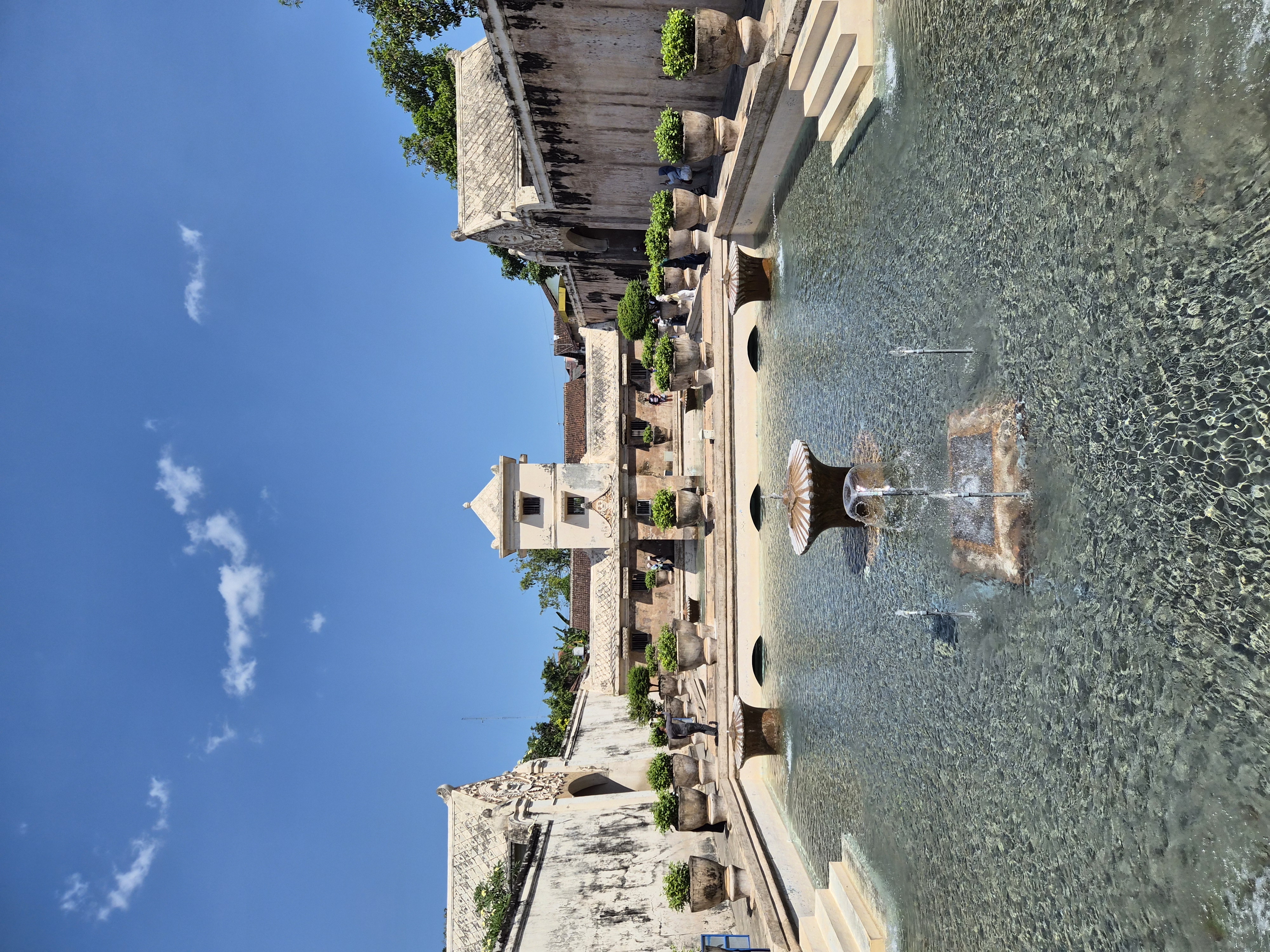
Just a short distance from the Kraton, Taman Sari, the former royal garden and “Water Palace”, reveals a more intimate side of the Sultan’s world. This 18th‑century complex once served as a place of leisure and retreat for the royal family, with bathing pools, pavilions, pleasure gardens and a network of underground passages.
Today, Taman Sari is a gently faded labyrinth of pastel walls, archways and staircases that photograph beautifully. The central bathing pools, where the Sultan and his family once relaxed, are particularly atmospheric. Explore further and you will find hidden courtyards, a unique underground mosque and vantage points with lovely views across the surrounding kampung. It is easy to spend an unhurried morning here, drifting between history and the daily life of the local community that now occupies parts of the complex.
Malioboro Street: Where Yogyakarta Comes to Life
If the palaces and temples tell Yogyakarta’s story of kings and faith, Malioboro Street tells the story of its people. This is the city’s most famous thoroughfare, a lively strip lined with shops, market stalls, street performers and food vendors, and it truly comes into its own as evening approaches.
Here you can browse for batik garments, hand‑tooled leather, silver jewellery and all manner of souvenirs. Horse‑drawn carriages clip‑clop past as locals and visitors alike mingle on the pavements. The air fills with the aroma of sate skewers grilling over charcoal, noodle dishes sizzling in woks and sweet treats being prepared at tiny carts. For many travellers, a simple meal on a plastic stool under the glow of neon lights along Malioboro is one of the defining experiences of Yogyakarta.
Prawirotaman: Bohemian Nights in Jogja
Away from the bustle of Malioboro, the neighbourhood of Prawirotaman offers a more laid‑back, bohemian side to Yogyakarta. Once known mainly as a backpacker hub, it has evolved into a charming enclave of boutique guesthouses, intimate cafes, art spaces and small bars. By day, visitors can linger over good coffee, browse independent shops and admire the street art tucked along its quieter lanes. In the evening, Prawirotaman takes on a relaxed, sociable atmosphere, perfect for unwinding with a cocktail or a casual dinner after a day spent exploring temples and palaces. Many bars have live music on the evenings, some with a very laid-back vibe. They may appear to be full, but they’re often happy to pull out a couple of additional plastic beer crates and set you up with a table and something to sit on.
A City of Creativity and Warmth
Beyond its headline sights, Yogyakarta rewards those who wander. Hidden alleys reveal colourful murals and street art, tiny workshops where artisans demonstrate the painstaking craft of batik or puppet‑making, and cosy cafes where students linger over coffee. The presence of several universities helps keep the city young, open‑minded and creatively charged.
For those who like a touch of adventure, excursions to the slopes of Mount Merapi offer jeep tours, trekking and dramatic volcanic scenery. To the south, the coastline beckons with beaches such as Parangtritis, where you can watch the waves crash in and the sun set over the Indian Ocean.
All in all, Yogyakarta is a real gem and will reward you for venturing to central Java. There is a new airport about 25 miles outside the city, easily accessible by road or the direct train link to the city centre. With international flights available from Singapore and Malaysia, plus Indonesians other main domestic airports (Bali and Jakarta), Yogyakarta has never been easier to get to.