National Parks vs Private Game Reserves
A practical guide to the difference between national parks and private game reserves, including cost, wildlife, guiding, exclusivity and which option is right for your safari.
Which Safari Experience Is Right for You?
One of the first things people discover when planning a safari is that not all safari areas work in the same way.
You might be looking at Kruger National Park, Sabi Sands, the Maasai Mara, Moremi, Etosha or the Serengeti and wondering why some places are called national parks while others are private reserves, conservancies or concessions.
Helpful, isn’t it?
The good news is that both national parks and private game reserves can offer exceptional safari experiences. The difference is the style of safari.
National parks usually offer larger protected areas, excellent wildlife and better value.
Private game reserves tend to offer fewer vehicles, more flexibility, expert guiding and a more exclusive experience.
Or, if you’d rather talk it through, get in touch and I’ll help work out whether a national park, private reserve, conservancy or a mix of both is the right fit for your safari.
If this is your first safari, you may also find my Complete Beginner’s Guide to Going on Safari useful before deciding which style of safari suits you best.
What Is a National Park?
A national park is a protected wildlife area managed by a government or public authority.
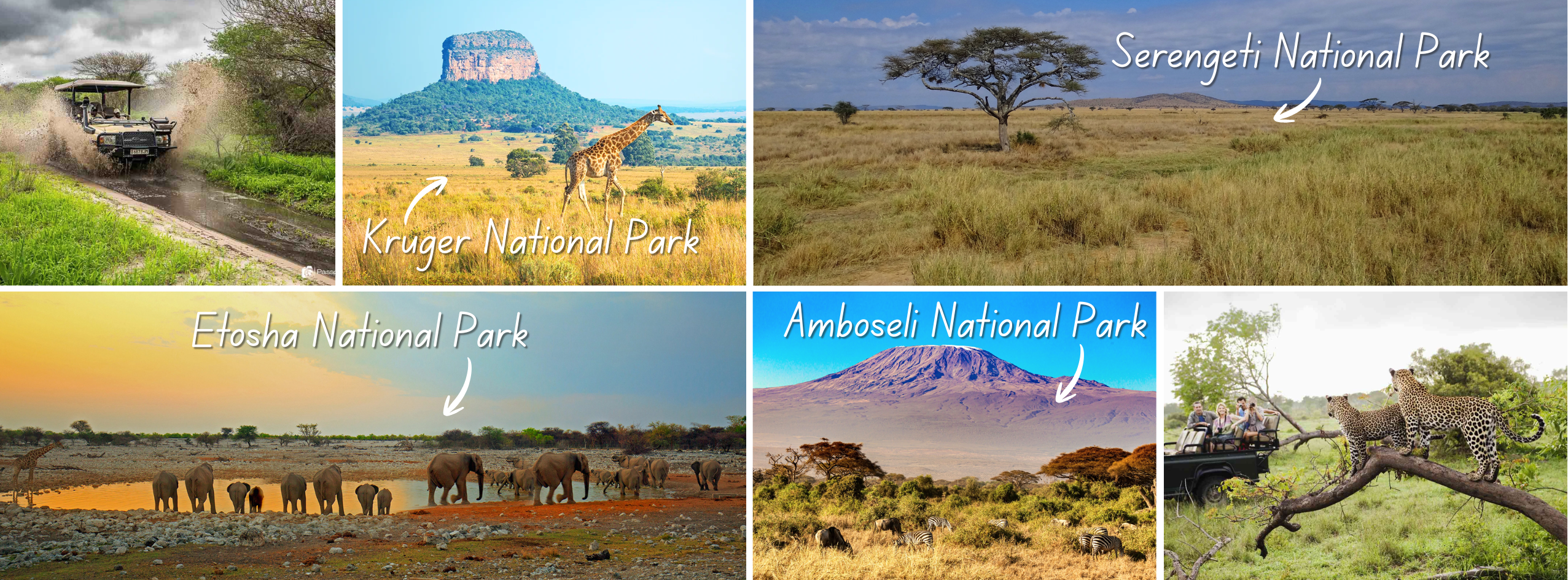
Some of Africa’s most famous safari destinations are national parks, including:
- Kruger National Park in South Africa
- Serengeti National Park in Tanzania
- Amboseli National Park in Kenya
- Etosha National Park in Namibia
- Chobe National Park in Botswana
- Tarangire National Park in Tanzania
National parks are usually large, well-established and home to excellent wildlife.
They are often more affordable than private reserves and, in some countries, allow self-drive safaris. That makes them a great option for travellers who want flexibility, good value and a more independent style of safari.
South Africa is one of the best places to compare national parks with private game reserves properly. My South Africa Safari Guide explains how Kruger, Sabi Sands, Timbavati, Madikwe and other reserves can fit into a tailor-made trip.
If the Serengeti, Ngorongoro Crater or Tarangire are on your shortlist, my Tanzania Safari Guide explains how Tanzania's national parks work as part of a classic Northern Circuit safari.
What Is a Private Game Reserve?
A private game reserve is a protected wildlife area usually privately owned or managed by a lodge, landowner or conservation organisation.
- Some are fully private reserves.
- Some are private concessions within or beside national parks.
- Some are conservancies, particularly in Kenya.
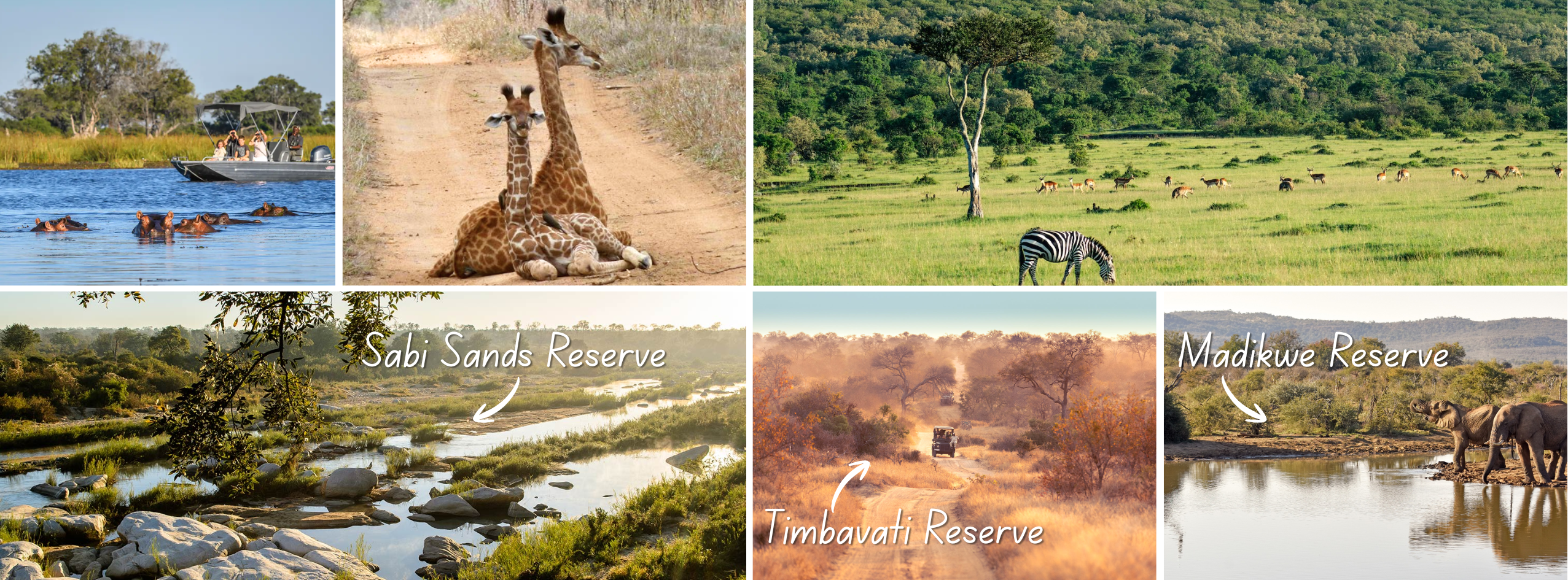
Examples include:
- Sabi Sands, South Africa
- Timbavati, South Africa
- Madikwe, South Africa
- Kapama, South Africa
- Private conservancies around the Maasai Mara, Kenya
- Private concessions in Botswana’s Okavango Delta
Private reserves usually offer a more exclusive safari experience. You’ll normally stay in a lodge or camp inside the reserve, with guided game drives included. Botswana is one of Africa's best examples of exclusive, low-impact safari areas. My Botswana Safari Guide explains how the Okavango Delta, Chobe and private concessions create a very different style of safari.
The key benefits are fewer vehicles, expert guides, off-road driving where permitted, and more flexibility around activities.
In short: less traffic, more comfort, better guiding and a much lower chance of someone’s iPad appearing in the corner of your leopard photo.
Kenya is especially interesting because of the private conservancies around the Maasai Mara. My Kenya Safari Guide explains how the Mara, Amboseli, Samburu and Kenya's safari camps compare.
The Main Difference Between National Parks and Private Game Reserves
The biggest difference is control. In a national park, activities are usually governed by public park rules.
That may mean:
- You must stay on marked roads
- Game drives can only happen during opening hours
- Self-driving may be allowed
- Sightings may attract more vehicles
- Accommodation may range from campsites to luxury lodges
In a private reserve, the experience is more controlled by the lodge or reserve itself.
That usually means:
- Guided drives are included
- Vehicle numbers at sightings are limited
- Off-road driving may be allowed
- Night drives may be possible
- Walking safaris may be available
- Guiding standards are often very high
This is why private reserves often feel more personal and exclusive.
If you're still comparing safari destinations, lodge styles and itinerary ideas, my Complete Luxury Safari Guide brings the wider planning picture together in one place.
Wildlife Viewing
Both national parks and private reserves can offer incredible wildlife.
The animals don’t pause to consider whether they’re in a public park or a private reserve before deciding whether to appear.
National Parks
National parks are often huge, with large populations of wildlife spread across wide areas. You can have outstanding sightings, but you may need to cover more ground to find them.
In places like Kruger, Etosha or the Serengeti, the sheer scale of the landscape is part of the appeal.
Private Game Reserves
Private reserves are often smaller, but the guiding can be more focused.
Experienced guides and trackers communicate with each other, follow tracks and use their knowledge of the area to improve your chances of memorable sightings.
If the reserve allows off-road driving, you may also be able to follow wildlife away from the main tracks, always respectfully and safely.
Wildlife Verdict
For sheer scale and variety, national parks are excellent.
For close-up, guided and more exclusive sightings, private reserves often have the edge.
If there’s a particular animal or style of wildlife viewing you’re hoping for, I can help match the right reserve, park or lodge to your wish list rather than leaving it to guesswork.
Vehicle Numbers
This is one of the biggest differences.
In popular national parks, a good sighting can sometimes attract several vehicles. That doesn’t mean the experience is ruined, but it can feel busier, especially in peak season or near main roads.
In private reserves, vehicle numbers are usually carefully managed. Many reserves limit sightings to two or three vehicles at a time, so everyone gets a proper view without crowding the animal.
That can make a huge difference.
A traffic jam in the bush is still a traffic jam.
Off-Road Driving
Off-road driving is one of the main advantages of many private game reserves.
In most national parks, vehicles must stay on marked roads. This protects the environment and keeps the park manageable, but it can also mean that if a leopard walks behind a bush, that is where your leopard experience ends.
In some private reserves, guides are allowed to drive carefully off-road to follow certain sightings. This can lead to much better views, especially of predators. It is always done with strict rules and respect for the wildlife.
Night Drives
Night drives are another major advantage of private reserves.
Many national parks close their gates at sunset, which means you leave just as nocturnal wildlife starts becoming active.
Private reserves often allow evening or night drives after dark. This gives you the chance to see:
- Leopards hunting
- Lions roaming after sunset
- Hyenas becoming active
- Genets, Civets + Bush babies (just google these, they’re beyond cute)
- Owls
- Nocturnal creatures you didn’t know existed five minutes earlier
A night drive feels completely different from a daytime safari.
Experienced spotters can often identify an animal just from the reflection of their torch in its eyes. To most of us it’s just a pair of glowing dots in the dark; to them, it’s another clue in the bush.
Walking Safaris
Walking safaris are more commonly offered in private reserves, although some national parks also allow them with specialist guides.
On a walking safari, you’ll probably see fewer animals but you might learn a lot more about Africa such as:
- Animal tracks
- Identifying wildlife by its dung
- Insects and plants you may otherwise have completely missed
- Bird calls
- How guides read the landscape
It gives you a completely different appreciation of the bush.
Also, nothing makes you feel more alert than being gently reminded that you are no longer inside a vehicle. Amazing how quickly everyone starts listening.
Self-Drive Safaris
In some destinations, especially South Africa and Namibia, national parks are excellent for self-drive safaris. Kruger National Park and Etosha National Park are two of the best examples.
You can drive yourself, follow a map, stop where you like and enjoy the freedom of exploring at your own pace.
Self-drive safaris are usually more affordable than fully guided private reserve stays, and they can be incredibly rewarding.
However, they do require patience. You won’t have an expert guide spotting tracks, reading animal behaviour or knowing where the local leopard likes to nap. You are the guide.
Guiding
Guiding can make or break a safari.
In a national park, you may be self-driving or joining shared guided drives. The experience can be excellent, but it varies depending on where you stay and who is tracking/spotting for you.
In private reserves, this is often one of the biggest strengths. Many lodges use highly trained guides and trackers who know the area intimately.
They understand animal behaviour, follow tracks, communicate with other guides and help create a much richer safari experience.
Accommodation
National parks usually offer a wider range of accommodation. You might find:
- Campsites
- Rest camps
- Guesthouses
- Mid-range lodges
- Luxury lodges
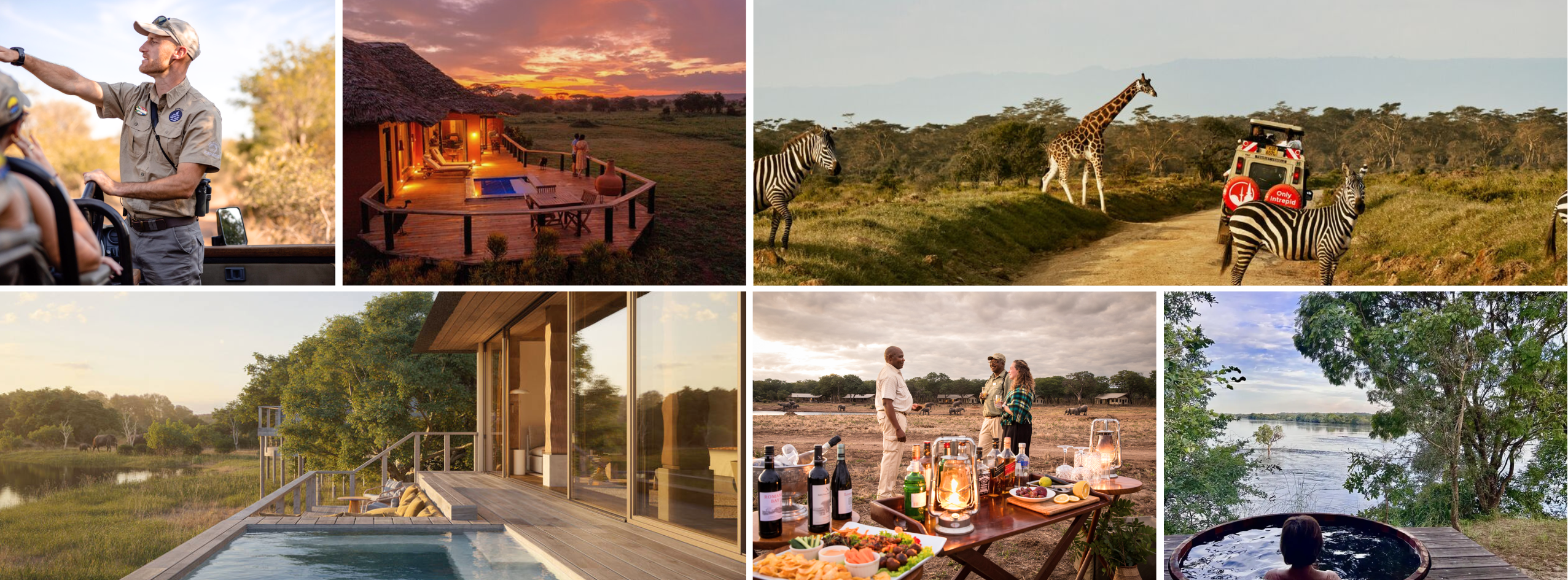
Private reserves tend to focus more on lodge or camp-based stays, often at the luxury end. You might find:
- Boutique safari lodges
- Luxury tented camps
- Private plunge pools
- Outdoor showers
- Fine dining
- Spa treatments
- Private decks overlooking waterholes
If your idea of safari involves excellent food, beautiful rooms and a gin and tonic appearing at precisely the right moment, a private reserve may suit you very well (it definitely suits me!).
Accommodation makes a huge difference to how a safari feels. My Luxury Safari Lodges Explained guide compares safari lodges, tented camps and ultra-luxury properties so you know what to expect.
Cost
National parks are usually more affordable. That is one of their biggest advantages.
You can often choose from a wider range of accommodation and, in places like South Africa or Namibia, self-drive to reduce costs further.
Private reserves are usually more expensive because they include:
- Luxury accommodation
- All meals
- Guided game drives
- Expert guides and trackers
- Conservation fees
- More exclusive access
- Smaller guest numbers
For a full breakdown of safari budgets, what's usually included, tipping, spending money and where your money goes, read my How Much Does an African Safari Cost? guide.
If you have a rough budget in mind, get in touch and I’ll price up realistic national park and private reserve options so you can see where your money makes the biggest difference.
Best for First-Time Safari Travellers
For many first-time safari travellers, I often recommend including at least one private reserve if the budget allows.
Why? Because it makes the whole experience easier.
You do not need to worry about routes, park gates, sightings, timings or whether that distant shape is a rock or a sleeping lion. Your guide handles all of that. Trust me, from my personal experience it’s a lot harder than you might think.
That said, a national park can also be a brilliant introduction, especially if you enjoy independent travel. The best choice depends on your confidence, budget and travel style.
Best for Families
Private reserves are often excellent for families because many lodges offer:
- Family suites
- Child-friendly guides
- Junior ranger programmes
- Flexible meal times
- Shorter, more manageable game drives
- Private vehicles
However, national parks can also work well for families, especially if you want flexibility and better value.
South Africa is particularly good for family safaris because it has malaria-free private reserves as well as accessible national park options.
Best for Honeymoons
For honeymoons, private reserves usually win. The overall experience feels more seamless, romantic and special. Selling points include:
- Beautiful lodges
- Private decks
- Outdoor baths
- Candlelit dinners
- Sundowners in the bush
- Fewer vehicles
- More personal service
A national park can absolutely be part of a honeymoon, but if you want that once-in-a-lifetime safari feeling, I would usually include a private reserve.
Can You Combine Both?
Absolutely. In fact, this can work brilliantly. You might combine:
- Kruger National Park with Sabi Sands
- Etosha National Park with private lodges in Damaraland
- Serengeti National Park with a private concession
- Maasai Mara National Reserve with a private conservancy
This gives you the best of both worlds and is often where a tailor-made safari works best. I can build an itinerary that balances value, guiding, wildlife and comfort, rather than forcing you to choose one style for the whole trip.
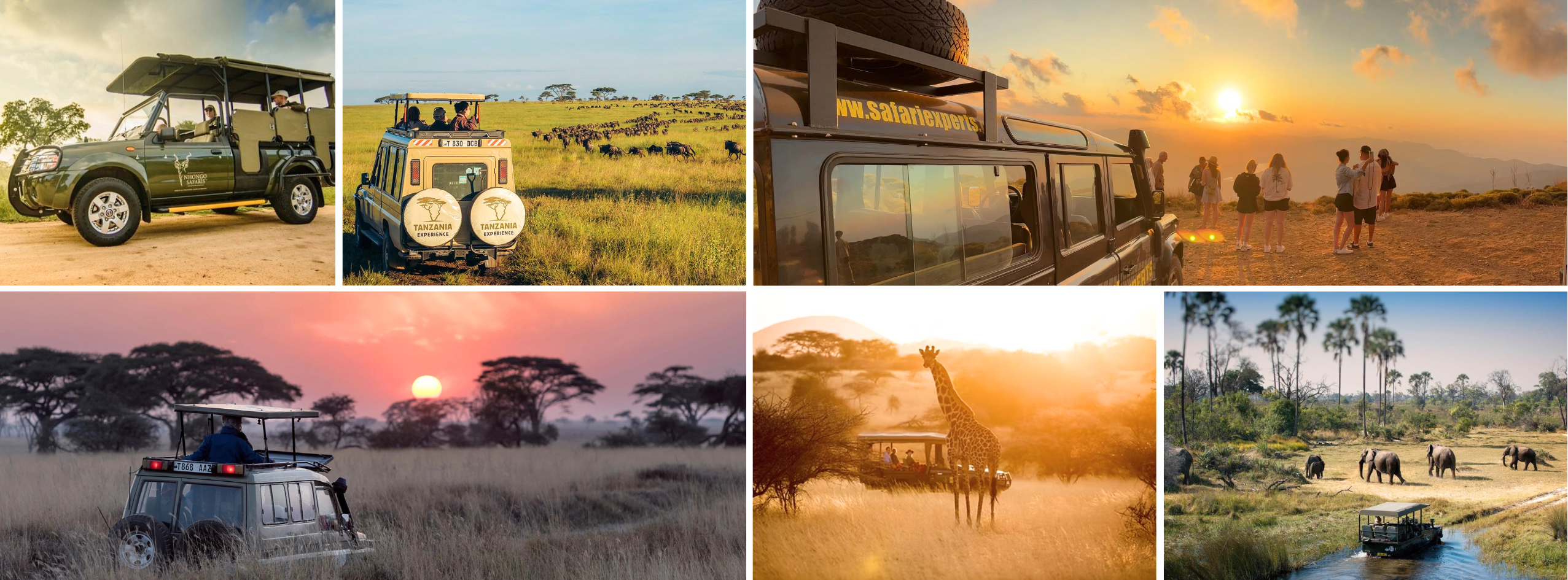
National Parks vs Private Game Reserves: Final Comparison
|
Category |
National Parks |
Private Game Reserves |
|
Cost |
Usually better value |
Usually more expensive |
|
Wildlife |
Excellent |
Excellent |
|
Vehicle numbers |
Can be busier |
Usually limited |
|
Off-road driving |
Usually not allowed |
Often allowed |
|
Night drives |
Usually restricted |
Often available |
|
Walking safaris |
Sometimes available |
More commonly available |
|
Self-drive |
Often possible |
Usually not |
|
Guiding |
Varies |
Excellent |
|
Accommodation |
Wide range |
Often luxury lodges |
|
Best for |
Value and independence |
Exclusivity and comfort |
My Advice
If your budget allows, I’d usually recommend including a private game reserve for at least part of your safari. The guiding, flexibility and exclusivity can completely change the experience.
That doesn’t mean national parks should be overlooked. Some of Africa’s greatest safari destinations are national parks, and they often offer superb wildlife, huge landscapes and excellent value.
A national park might give you scale and adventure. A private reserve might give you intimacy and comfort. Together, they can create a safari that feels properly balanced.
Continue Planning Your Safari
Still researching? These guides will help:
- Complete Beginner's Guide to Going on Safari - ideal if this is your first safari and you're still working out the basics.
- Complete Luxury Safari Guide - compare destinations, lodges, safari styles and itinerary ideas.
- South Africa Safari Guide - a closer look at Kruger, private reserves and Cape Town combinations.
- Kenya Safari Guide - Maasai Mara, private conservancies, luxury camps and Great Migration planning.
- How Much Does an African Safari Cost? - realistic budgets, what's included and where your money goes.
Or, if you’d rather not spend hours comparing park rules, lodge locations and whether something is technically a reserve, concession or conservancy, I’d be delighted to help.
Get in touch and start planning your African safari today.