Heritage conversions: why “ruins” are suddenly the most interesting rooms in the house
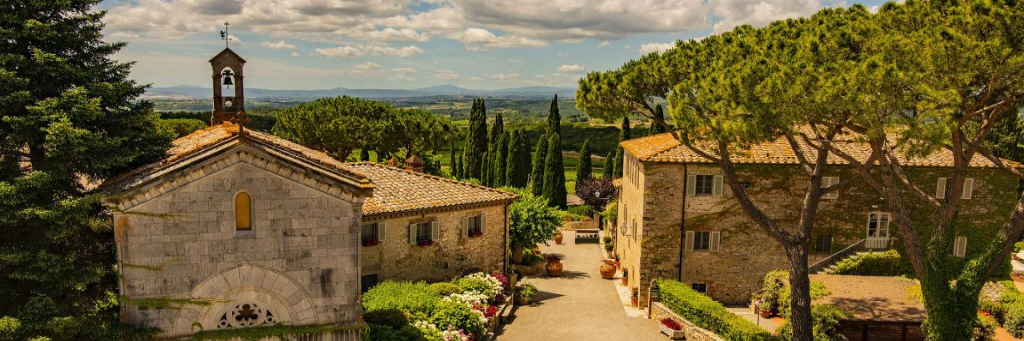
There is a particular kind of hotel my clients are getting more and more excited about and these are historic buildings that have been reimagined, not replaced. Think abandoned monasteries, faded palazzi, disused railway stations or even crumbling industrial sites and complete villages, now painstakingly transformed into places you actually want to linger in, not just look at.
Instead of levelling these old structures, architects and designers are working with what is already there from the vaulted ceilings, worn stone staircases, cloisters, courtyards to the original beams and frescoes. The past is not something kept behind glass in a museum, it becomes the framework for how you arrive, dine and sleep.Where history becomes the destination.
What these remarkable properties share is a common philosophy in preserving the past while creating unforgettable experiences for modern travellers. In a world where authenticity matters more than ever, historic boutique hotels offer something new-build luxury simply cannot with a sense of place that has been shaped, layered and weathered by time.Whether it is a medieval tower in Florence, a castle in South Tyrol or an abandoned cable car station in the Swiss Alps, these story-driven luxury hotels show the real beauty of transformation. For travellers who care about meaningful experiences and extraordinary architecture, these salvaged spaces prove that the most compelling luxury stays are often the ones with the richest histories.
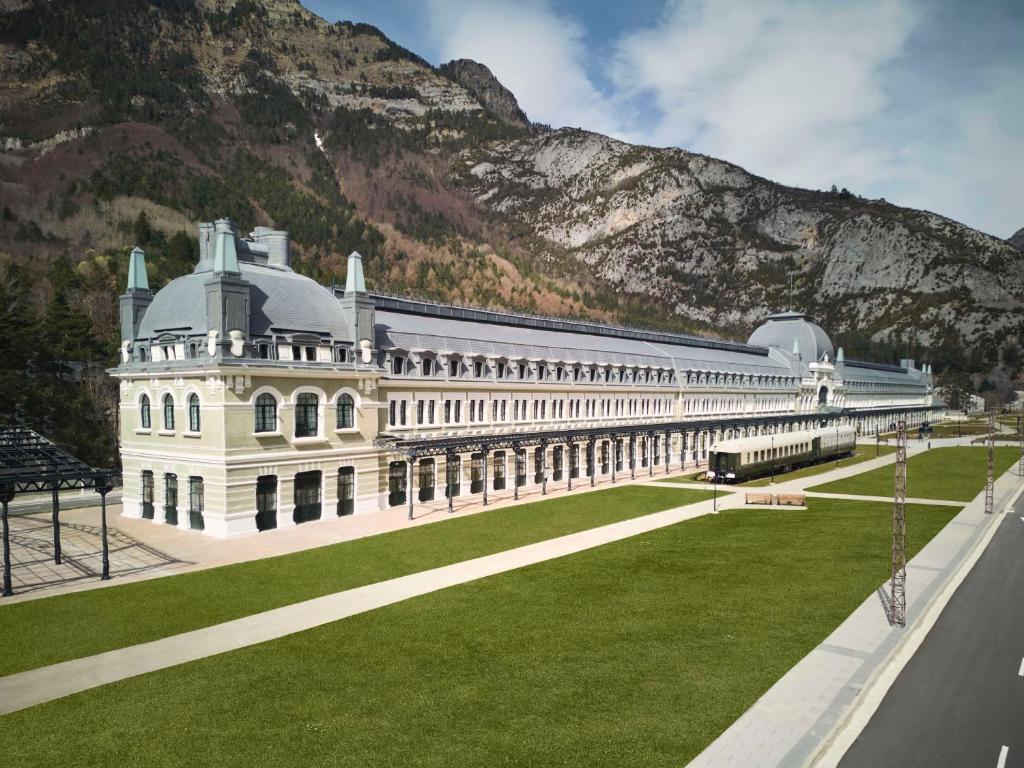
There is another reason I love this trend as when done properly, heritage conversions are a very tangible form of responsible travel.Rather than pouring yet more concrete into a pristine landscape, these projects start from an existing footprint. Reusing solid old stone and brick means significantly less new construction material is required compared to a ground-up new build, which can translate into a lower carbon impact and a gentler approach to the environment.They also tend to be deeply collaborative.
To bring these buildings back to life, owners and designers rely on local craftspeople:
- stonemasons who understand the original fabric
- carpenters restoring doors, beams and floors
- plasterers, ironworkers and roofers who can work with traditional techniques
- artists and artisans creating bespoke ceramics, textiles, glass and furniture
In other words, your stay is quietly supporting a whole ecosystem of local talent, not just the hotel itself. The money you spend flows into neighbourhood workshops and small studios, helping to keep skills and stories alive for the next generation.
Often, these hotels then showcase regional art and design in their interiors, so guests are literally surrounded by the work of local makers.When heritage conversions really work, a few things tend to be true:
- You can still “read” the building’s original purpose as you move through it whether it be a school, convent, fortress, town hall or factory.
- The quirks are edited, not erased with the irregular room shapes, deep window recesses and thick walls becoming part of the charm, not a problem to be solved.
- Contemporary comforts are quietly woven in you still find good lighting, proper bathrooms, acoustic comfort and climate control they just do not fight the architecture
- .The project feels anchored in its community, from the trades involved in the restoration to the producers on the menus and the art on the walls.
Across the world there are now some remarkable examples with fortified farmhouses turned into refined countryside escapes, once-grand city palaces reborn as intimate hotels, even former infrastructure like power stations or customs houses reinvented as design-led stays. The common thread is a genuine respect for the original fabric, paired with thoughtful, sometimes bold, contemporary interventions.
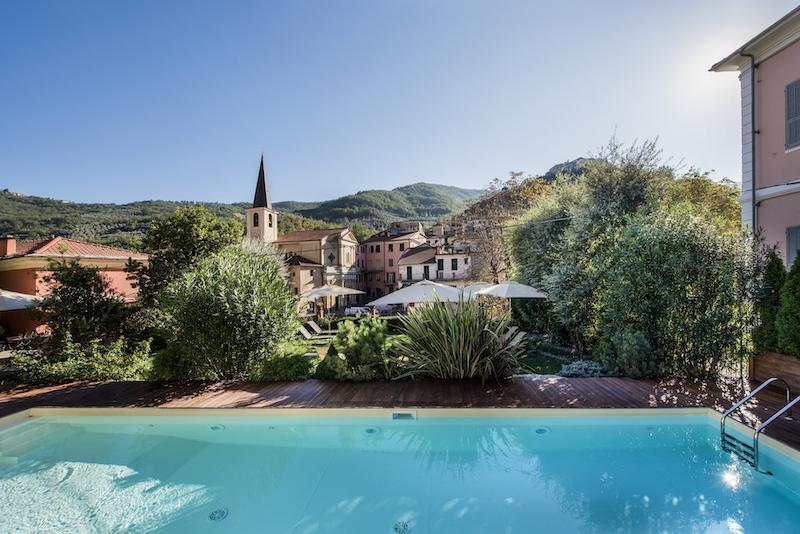
The rural exodus is a problem in many villages. Young people move to the cities, where their children grow up. The villages fall into disrepair. Vacant buildings and closed shops are common. This situation gave rise to the concept of the Albergo Diffuso, or “scattered hotel.” Rather than building a large hotel, several existing houses in a village are converted into guest accommodations. This type of hotel is especially popular in Italy, as it saves unused buildings from decay while providing guests with an authentic Italian experience.
For travellers, the real challenge is knowing how to tell the difference between a genuinely thoughtful adaptive reuse project that honours the building’s story and supports its surroundings, and a “heritage themed” hotel where the shell is old but the experience feels completely generic.
That is where a bit of behind-the-scenes knowledge helps in understanding who is behind the restoration, how the property has been put back together, how it is working with local artists and artisans, and how it engages with its neighbourhood rather than simply using history as a backdrop.
If you are tired of copy‑paste hotel experiences and drawn to places with patina, personality and a proper backstory, these reimagined historic structures can be incredibly rewarding. You are not just booking a room, you are booking into a narrative that has been unfolding for decades, sometimes centuries, and contributing in a small but meaningful way to its future.
I am keeping a close eye on this shift in luxury hospitality and curating a shortlist of heritage conversions that feel genuinely special, thoughtful and responsible rather than gimmicky. If you would like ideas for historic stays that match your style, I would be very happy to help you pick out the right kind of “ruins turned reasons to book” for your next trip.