The Great Migration: How to Avoid the Safari Crowds
Discover why careful planning matters when visiting the Great Migration and how to enjoy a quieter, safer and more authentic safari.
Witnessing the Great Migration is a dream for many safari travellers, but the reality at popular river crossings can be surprisingly crowded. Discover why expert planning, responsible guiding and sometimes stepping away from the front row can create a far more rewarding safari.
The Great Migration: When a Front-Row Seat Is Not the Best Seat
The Great Migration is one of the greatest wildlife spectacles on earth.
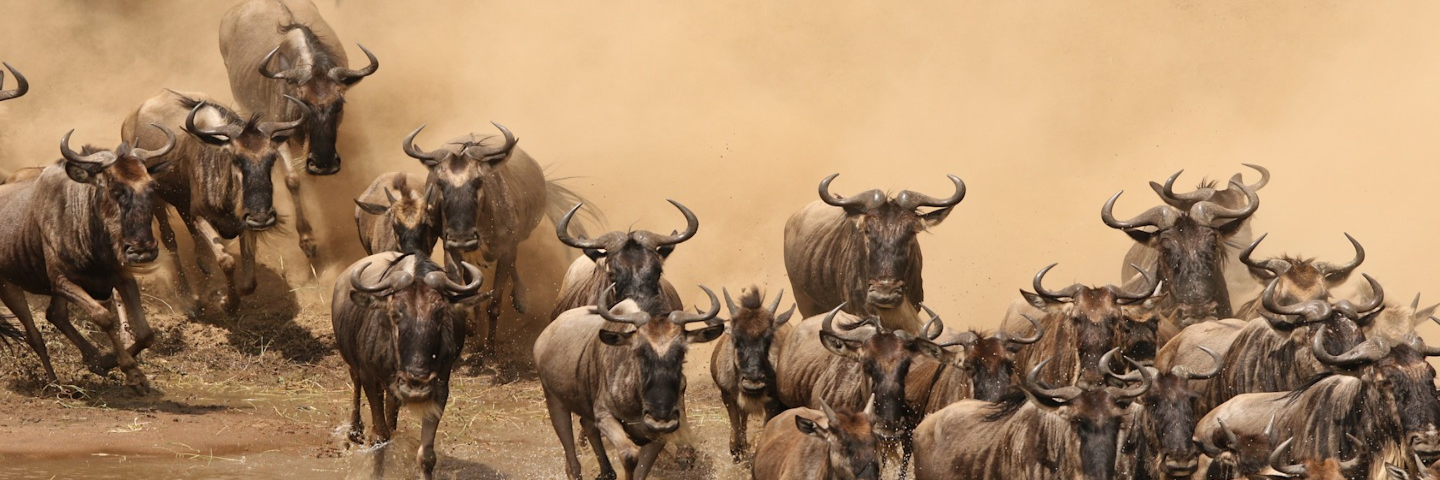
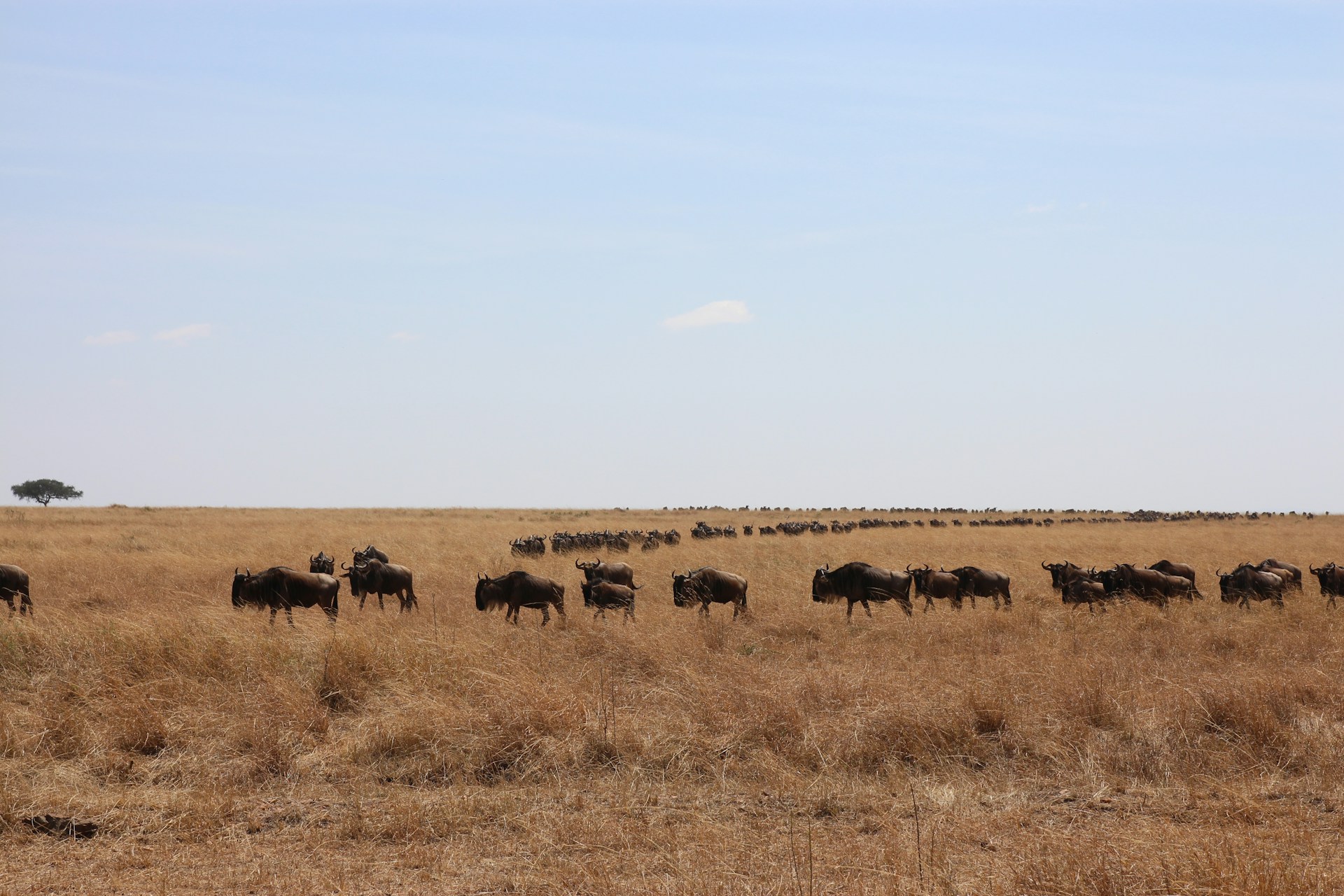
Every year, vast herds of wildebeest and zebra move through Tanzania’s Serengeti and Kenya’s Maasai Mara in search of fresh grazing and water. For many travellers, witnessing one of the famous river crossings is the ultimate safari dream.
However, there is another side to these crossings that is rarely shown in the glossy brochures.
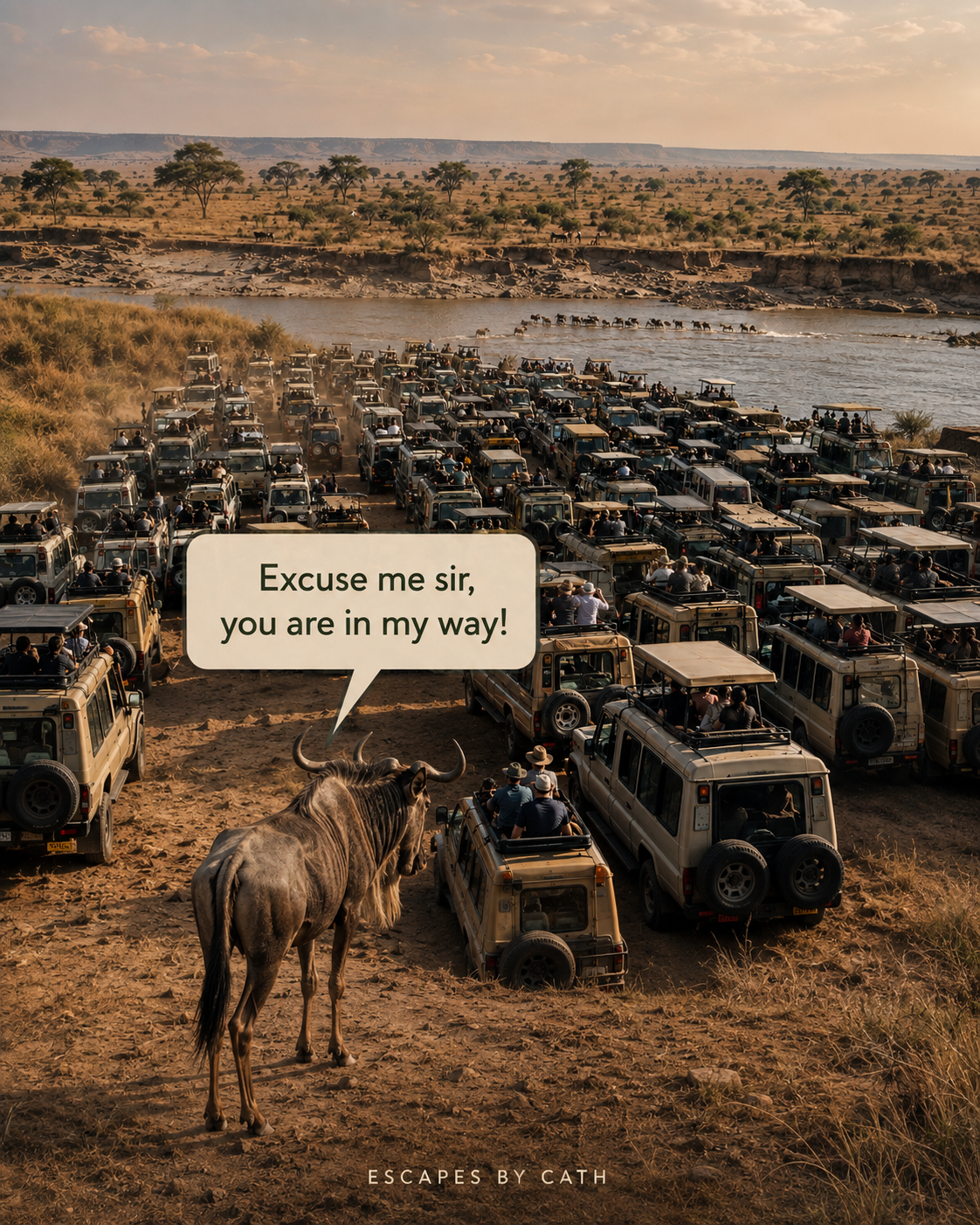
Hundreds of safari vehicles can gather around the most popular locations. When movement begins, guides may find themselves competing for a position while guests attempt to capture the same moment through cameras and phones.
The result can feel less like an intimate encounter with nature and more like a very dusty traffic jam.
That is not the safari experience I want for my clients.
When the pressure to secure a view becomes dangerous
The potential risks surrounding busy crossings were brought into sharp focus on 30 August 2026, when a safari vehicle carrying four tourists and a guide plunged into the Mara River at the Kogatende crossing in the Serengeti.
This is a river known for strong currents and Nile crocodiles.
Thankfully, all five people escaped without physical injury. Tanzania’s national parks authority is investigating what happened and has reminded drivers, visitors and tour operators to observe the rules governing river crossings.
Until that investigation is complete, it would be wrong to speculate about exactly what caused the accident. However, the footage does highlight a much wider issue.
When does securing the perfect view stop being an extraordinary wildlife experience and start becoming intrusive, overcrowded or potentially unsafe?
What should a Great Migration safari feel like?
A truly exceptional safari is not simply about ticking off the most famous crossing point or collecting the photograph everyone else already has.
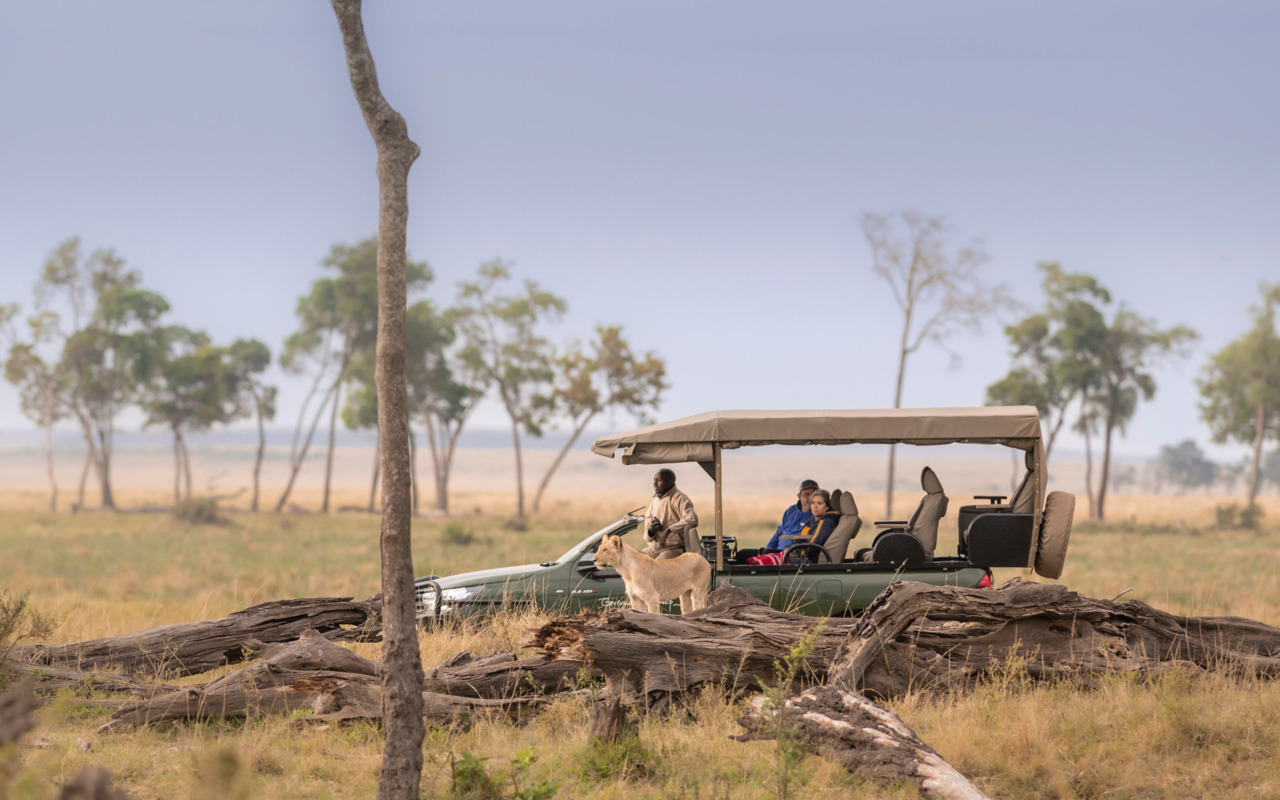
It is about space, silence and patience. It is watching an elephant wander past your vehicle without another human in sight. Hearing lions calling in the darkness. Noticing the smaller animals instead of racing from one headline sighting to another.
Sometimes, it is sitting quietly and allowing the landscape to reveal itself.
There are no guarantees on safari, and that is part of its magic. A river crossing cannot be scheduled for 10.30 on Tuesday morning simply because it fits neatly into an itinerary.
The herds may wait beside the water for hours or even days. They may change direction entirely. Nature does not perform on demand, regardless of what a brochure, influencer or ambitious itinerary might suggest.
Why careful safari planning matters
The Great Migration can still be an extraordinary experience, but the quality of your safari depends on far more than booking a beautiful lodge.
The location of your camp, the time of year, the experience of your guide, the standards of the operator and the number of vehicles permitted around sightings can all make an enormous difference.
- When planning a migration safari, I consider:
- Where the herds are likely to be during your travel dates
- How busy that particular area may become
- The location of the camp in relation to wildlife movements
- The guiding standards and approach of the safari operator
- Whether alternative areas could offer a quieter experience
- How much time is available, rather than attempting to rush between sightings
- The overall balance between wildlife encounters, comfort and time to appreciate the landscape
Being in the right region at the wrong time, or travelling with an unsuitable operator, can completely change the experience.
This is also why I am cautious of itineraries that appear to guarantee a dramatic river crossing.
No responsible travel professional can promise the behaviour of wild animals. What we can do is use experience, destination knowledge and the right local partners to give you the best possible opportunity.
Is the Great Migration still worth seeing?
Absolutely, providing it is approached with realistic expectations and planned properly.
For some travellers, witnessing a river crossing will remain at the top of the wish list. For others, a quieter safari with fewer vehicles and more time to absorb the wilderness will be far more rewarding.
There is no single correct answer. The important thing is understanding what kind of experience you actually want before choosing where and when to travel.
My role is not simply to place you at the busiest crossing because it is the location everyone has heard about. It is to consider the complete experience and design a safari that feels right for you.
Because real luxury on safari is not always the fanciest lodge, the biggest suite or the closest possible view.
Sometimes it is having the wilderness almost entirely to yourself.
Or, at the very least, leaving enough room for the wildebeest to get past!
If you are considering a Great Migration safari, I can help you look beyond the headline sightings and create an itinerary that prioritises excellent guiding, thoughtful planning and a genuinely memorable experience.