What to (REALLY) pack for a Gorilla Trek
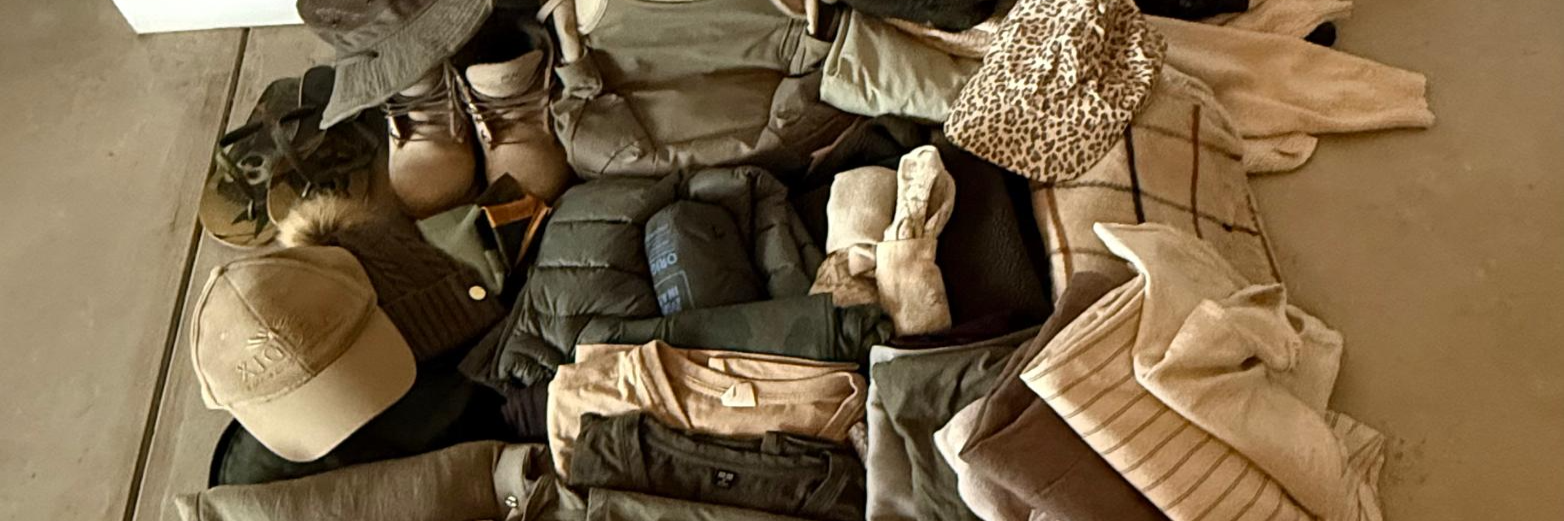
If you search “gorilla trekking packing list” online, you will find there isn’t a shortage of content and this is exactly what I did ahead of my own trip last month. I read the info, did some last minute panic shopping for things like gators and gardening gloves and packed according to the info I had found. I came home with a number of unworn heavy garments that could have been replaced in my (limited-weight) bag with the things that I could have done with but didn’t have!
Information or Advice?
So, my first piece of advice would be to have a conversation with the person that you booked your trip with (hopefully that’s me and if not why not?!) to find out what could be provided for you by your accommodation or local activity provider.
The lodges that I stayed in throughout my trip, all had cosy fleeces and super practical rain ponchos in the wardrobe for use on the treks. Far better kit than that I had bought with me from the darkest depths of my own wardrobe!
They also didn't just supply but helped us to don our gators in a professional manner to ensure that they were tight enough to keep the fire ants out …and offered gloves suitable for trekking and a lot better than the flimsy gloves I had taken with me.
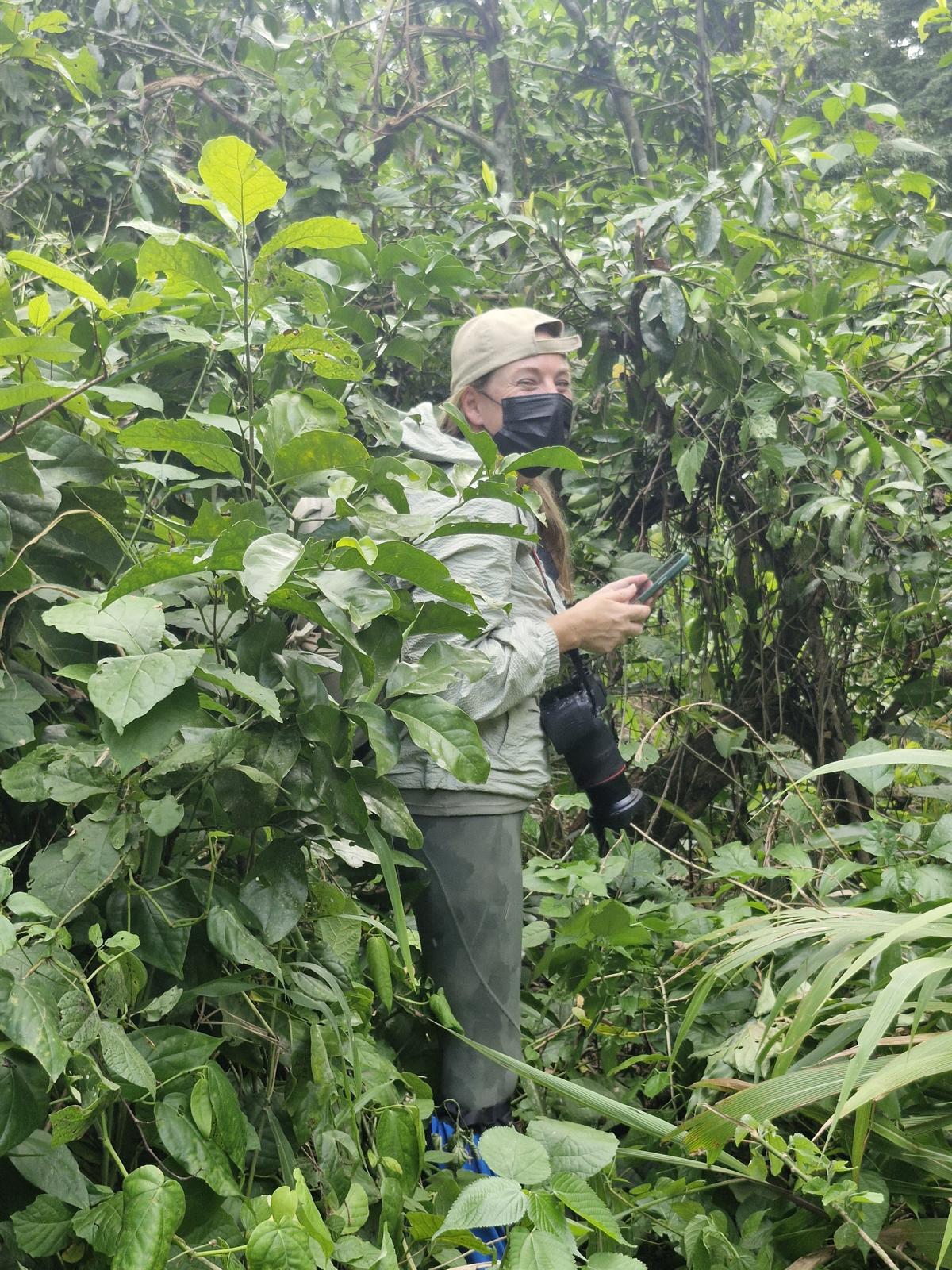
I also LOVE to add to my own and ever growing "safari kit list" with items from my favourite lodges, some items bought as required on a trip and some collected with memories…my gilet is &Beyond Ngala, my cap is Xigera, my water bottle Thornybush so don’t be scared to collect along way!
Layers and Layers
Obviously not all local suppliers have the same level of available equipment and the small group tours, in particular may not be carrying additional kit for everyone, so the most important part is to ASK!
I arrived, based on the packing lists, armed with attire suitable for "cold, wet forest conditions."
In June, at altitude, the forests were warm and dry underfoot and when you’re potentially trekking up a mountain things can start to feel quite hot, quite quickly!
It’s definitely best to keep covered to avoid insect bites or scratches from any potential dense undergrowth so a very lightweight sports style long sleeve top is perfect.
I then took the (hotel supplied!) fleece and the poncho in the (hotel supplied!) back pack along with my (hotel supplied!) water bottle and a few other necessities – camera, spare batteries, memory cards.
Even better, I employed a local porter to carry the bag for me. This may sound like an extravagance but honestly not only will you be providing a much needed days wage for these lovely locals, many of which only get a day or two’s work a month due to just how popular the work is. This also freed up my hands for the camera and the previously unconsidered best bit – provided a very much needed steadying hand on steep or slippery slopes.
Chatting to the locals is also the most amazing way to really understand more about the destination and its largely overlooked human inhabitants. They were all so proud of their heritage and the conservation efforts its as heart warming as it is fascinating.
Second Pair of Boots : Unnecessary!
Standard advice says pack a spare pair of boots in case the first pair gets soaked. Sensible in theory. In practice, every lodge I stayed at could turn around a full boot wash-and-dry within a max 24 hours and they came back looking brand new every time. That's a solid few kilos of kit and a good chunk of suitcase space you don't need to sacrifice.
The obvious bit of advice with hiking boots is to make sure they are worn in. You are very unlikely to be climbing mountains or walking for countless miles (unless you specifically ask for it) however heat can cause your feet to swell and if there are wet conditions underfoot your socks could get wet and rub.
A lesson I leaned the hard way is to also check you are packing the right boots! My daughter and I own the exact same boots but hers are a size and a half smaller …
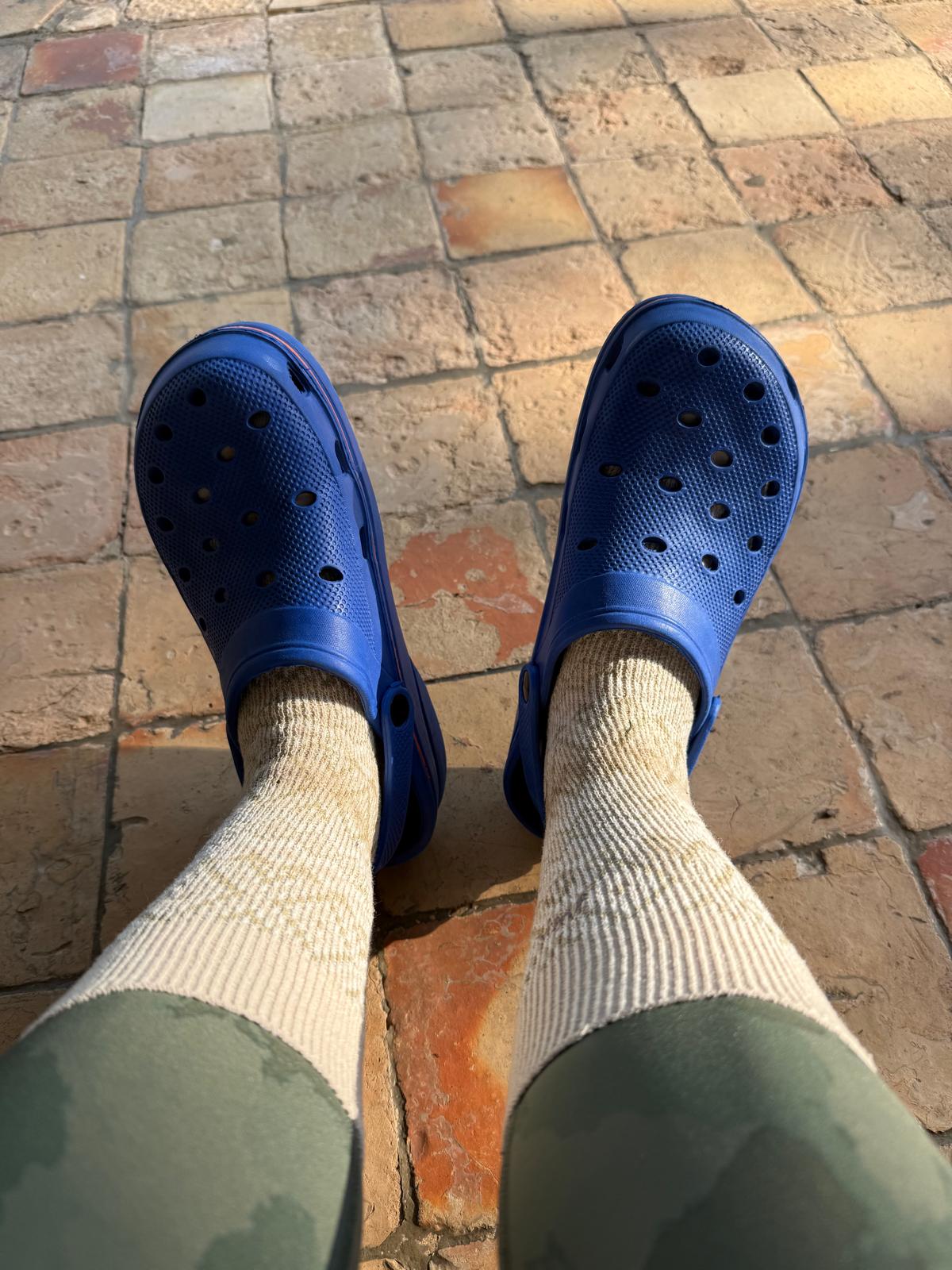
Luckily for me I was greeted at the end of every trek with a pair of crocs (yes - I broke my personal rule never to put my feet into the atrocities but believe me when you’ve trekked for hours in boots a size too small your footwear standards drop fast!) while my boots were taken away to return box fresh in my wardrobe several hours later.
What I'd Pack Instead
- An extra pair of linen trousers - you'll live in comfortable, breathable clothing far more than technical trekking gear once you're off the mountain and for travelling.
- Swimwear - for the saunas and plunge pools waiting for you back at camp after a trek, which is a genuinely underrated part of the experience
- Room for handicrafts - this is the one people forget. The community craft stops and lodge boutiques have extraordinary work and you will want to bring pieces home (not even taking into account the positive effect on local economy and projects.)
- Flip flops –to let those feet breathe when they are not encased in the trekking boots!
The Non-Negotiables
If I had to supply a kit list these are my non-negotiables:
- Lightweight sports tops (long sleeved) – for moisture wicking and quick-dry tendencies.
- Double Layer Hiking socks – best for zero blisters and dry quick “to boot”. Probably saved my skin (in more ways than one!).
- Photochromatic sunglasses (lenses that adjust to the light) – these were my super power as we trekked in and out of the tree cover and undergrowth and were much admired by my trekking buddies!
- High Stretch walking trousers OR (and this is controversial!) running tights – believe me you do not want your movements restricted in these walking conditions. Whereas a walking trouser is ideal in the very warm and dry conditions I experienced, I found a pair of moisture wicking running tights lightweight and cool.
- Loose, floaty, super-comfy outfits to change into after the trek, or wear whilst travelling or visiting community projects (remaining cool but respectful to local cultures).
- Boots that FIT!
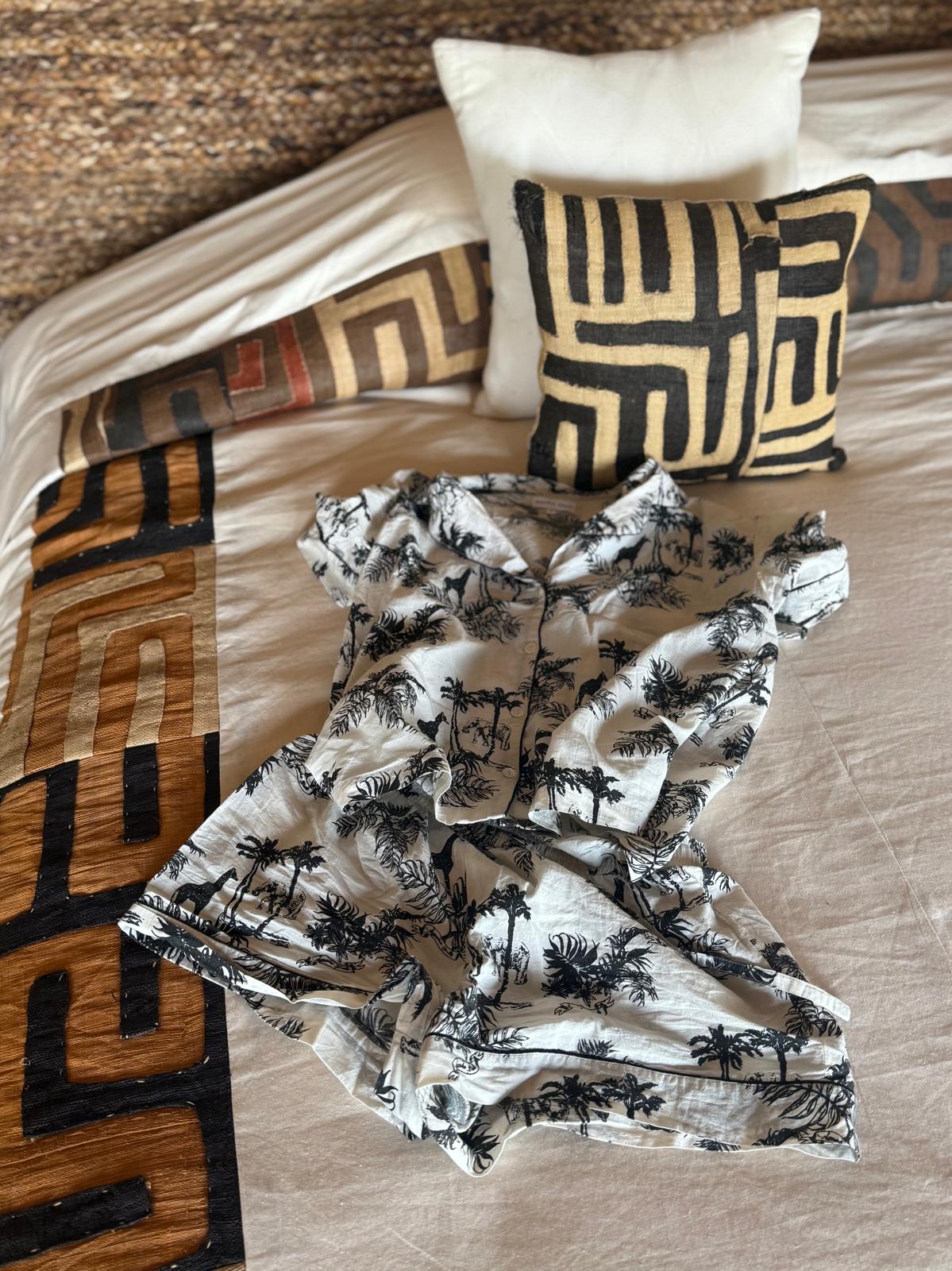
- Linen Pyjamas – night time temperatures vary a lot by altitude. A good pair of linen PJ’s are the perfect. Warm when required but equally not too hot when you get back to a lodge after dinner to find a fire in the grate and a hot water bottle in your bed.
The Bottom Line
Trekking kit-lists are most definitely written for worst-case scenarios and average conditions across an entire year span.
What you actually need depends so much on season, destination, altitude and how well-equipped your camp is. A high-end lodge stocking loan gear and same-day laundry changes the packing equation completely so its an important factor.
If you're planning a trek and want a packing list tailored to your actual dates, camps and conditions rather than a generic worst-case version, that's exactly the kind of detail I sort out for my clients before they've even left home!
For more information GET IN TOUCH!