Chasing coral: choosing the perfect Great Barrier Reef experience
Big boat or small boat? Inner reef or outer reef? Island or pontoon? Choosing how to experience one of Australia’s great natural wonders deserves some careful thought.
If you’re heading to Tropical North Queensland, chances are that snorkelling on the Great Barrier Reef is high on your wish list. But look at the huge number of excursions available from Cairns, Port Douglas, and other locations in coastal Queensland, and you’ll quickly discover that your once in a lifetime reef experience is a more important choice than actually deciding to go in the first place.
Here are a few things to consider, and to be aware of, when choosing a reef trip that is perfect for you.
Big boat or small boat?
Large reef cruisers offer a convenient and affordable way to reach offshore locations, often with several hours to explore out on the reef. Many operate from Cairns, taking visitors to pontoons on the outer reef, while quieter and more upmarket Port Douglas also has larger vessels travelling to offshore sites too. Onboard facilities, meals, guided snorkelling and equipment are often included. Many of the larger boats moor at offshore pontoons and platforms that also provide underwater observatories, semi-submersibles, water sports, helicopter rides and other activities, making them particularly useful for families or groups with different interests.
The downside? You’ll potentially be sharing the experience with a lot of other people, in some cases several hundred, and the day can feel more like an organised large-scale excursion than an intimate encounter with nature.
Smaller boats and sailing catamarans offer a different proposition. With fewer passengers, there’s often more opportunity to talk to the crew, including marine biologists and conservationists, ask questions and enjoy the journey itself. The trade-off is that facilities may be more limited, and smaller vessels can be more affected by sea conditions.
For me, the appeal of a smaller boat was clear. I wanted us to have a more personal experience and to enjoy the day without feeling overwhelmed.
Inner reef, outer reef or an island?
The outer reef is often positioned in the marketing as the ultimate experience, offering access to impressive coral formations and diverse marine life in favourable conditions with excellent underwater visibility. It can be particularly rewarding for confident snorkellers, although the journey offshore can be longer and rougher if you suffer from seasickness.
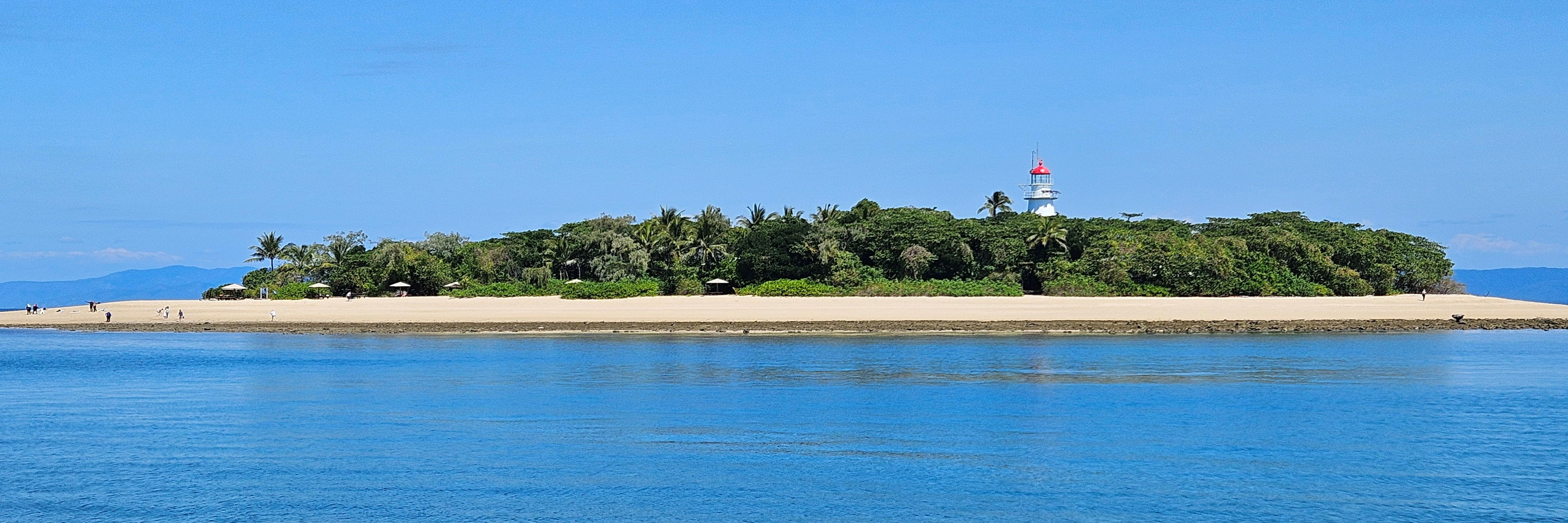
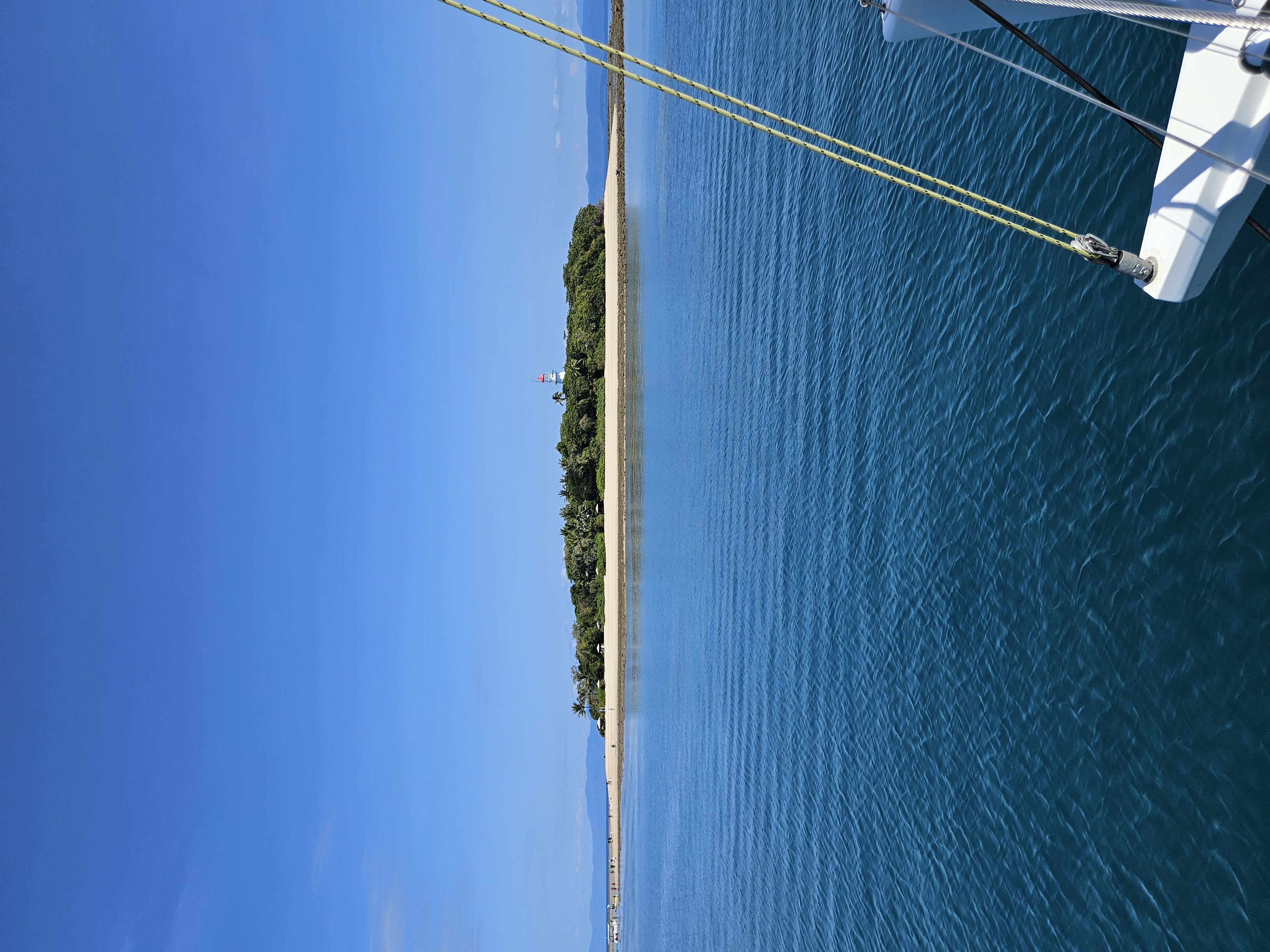
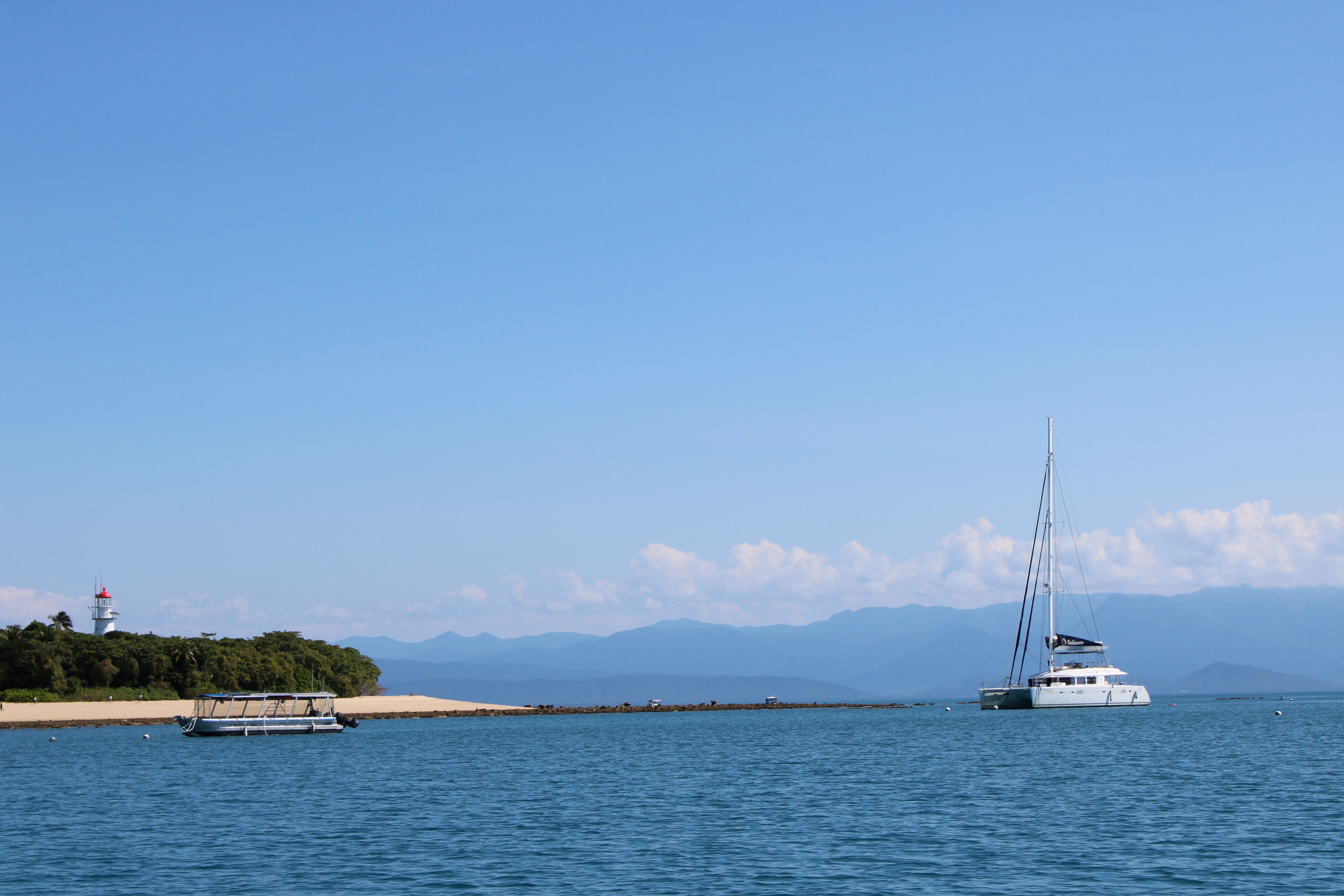
Don’t overlook the inner reef and island-fringing reefs because you think the visibility might be poorer. The Low Isles, just off Port Douglas, combine coral gardens around a sandy island and opportunities to see marine life such as green turtles. When we visited, the water was crystal clear, and we also had the opportunity to view the coral and fish from an environmentally friendly electric powered glass bottomed boat. Fitzroy Island, around 45 minutes by boat from Cairns, also offers beaches, rainforest walks and snorkelling from the shore.
Think about these as very different experiences rather than a simple hierarchy of good, better and best. Offshore reef sites may appeal to those seeking more extensive underwater exploration who have more snorkelling and diving experience. An island visit offers more variety above the water for beginner snorkellers or less confident swimmers. Of course, if you have the time and money, you could experience both!
Beach, boat or pontoon?
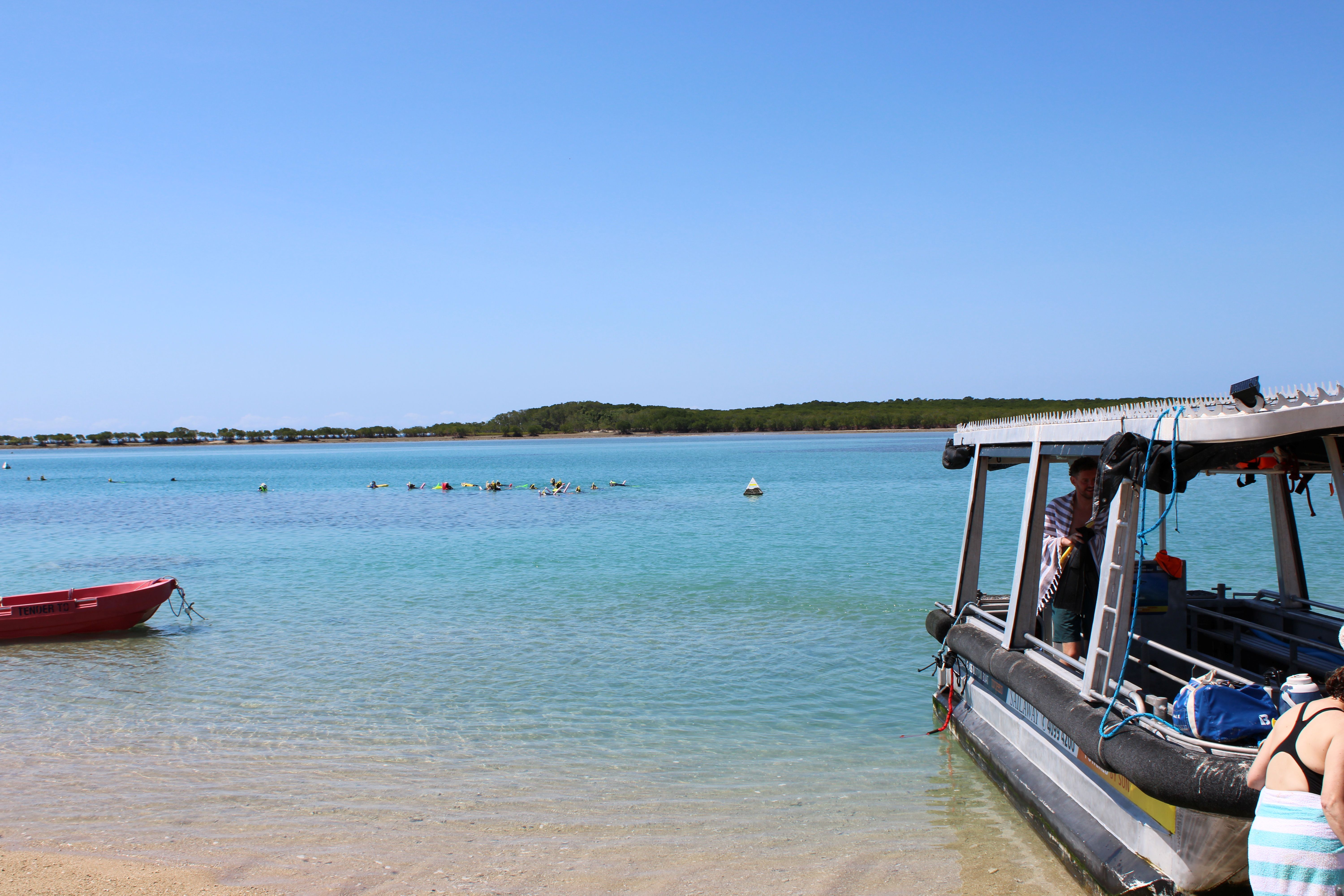
Snorkelling directly from a beach gives you freedom to explore at your own pace. Fitzroy Island is a good example, with its fringing reef and opportunities to combine snorkelling with a walk through the rainforest. However, the areas accessible from shore may be more limited, and visibility and marine life can vary with conditions.
A pontoon offers a location with more extensive facilities and straightforward access to the water with no walking over sharp rocks and coral. This can be reassuring for beginners better for mixed-ability groups. As I highlighted earlier, the compromise is that popular pontoons can be busy, and the atmosphere may be less intimate.
A smaller boat offers another option, taking you to selected reef locations while providing a more personal experience. There are also providers who will speed you out to the reef on smaller boats so quickly that seasickness doesn’t have the time to set in. A claim that I didn’t decide to test!
When is the best time to go?
The reef can be visited throughout the year, but the seasons can heavily influence the experience.
May to October is generally the drier, cooler season, with lower humidity and often favourable conditions for boat trips. June to August is popular, particularly during school holidays, so trips and accommodation can be busier. May and September can be worth considering if you want to avoid some of the peak-season crowds. I visited in mid-August and it wasn’t that busy, although I did travel out to the reef mid-week.
November to April brings warmer water and the tropical wet season. Humidity rises, rainfall increases and storms can occasionally disrupt excursions. Run-off from rivers after heavy rain may also affect underwater visibility, although conditions vary considerably between locations and days. On the plus side, the water is warm and visitor numbers can be lower outside peak holiday periods. The presence of marine stinger jellyfish in coastal waters during the warmer months can be a downside, so follow the safety advice and use the protective equipment recommended by your tour operator. They will usually provide this as part of your tour package.
There’s no guarantee of perfect conditions in any month. If snorkelling is a priority for you, I’d recommend allowing some flexibility in your itinerary rather than leaving yourself with only one possible day when you can visit the reef. Most operators allow some flexibility, and rebooking at no extra cost, if sailing and snorkelling conditions are poor on a particular day.
Is snorkelling right for you?
Snorkelling can look effortless from a boat, but it can be surprisingly strenuous. Swimming against currents, using fins, dealing with waves and keeping your head under the water breathing through a narrow tube can sap your energy quickly. Even confident swimmers can find themselves tiring more quickly than expected. I swim most days at my local indoor pool and I was aching in places I never ache after snorkelling for just an hour.
Remember, you don’t have to spend the whole day snorkelling to enjoy the reef. A glass-bottom boat, an underwater observatory or simply enjoying the scenery from the deck can be rewarding alternatives. The aim is to experience this is incredible UNESCO World Heritage Site in a way that feels safe, comfortable and enjoyable for you.
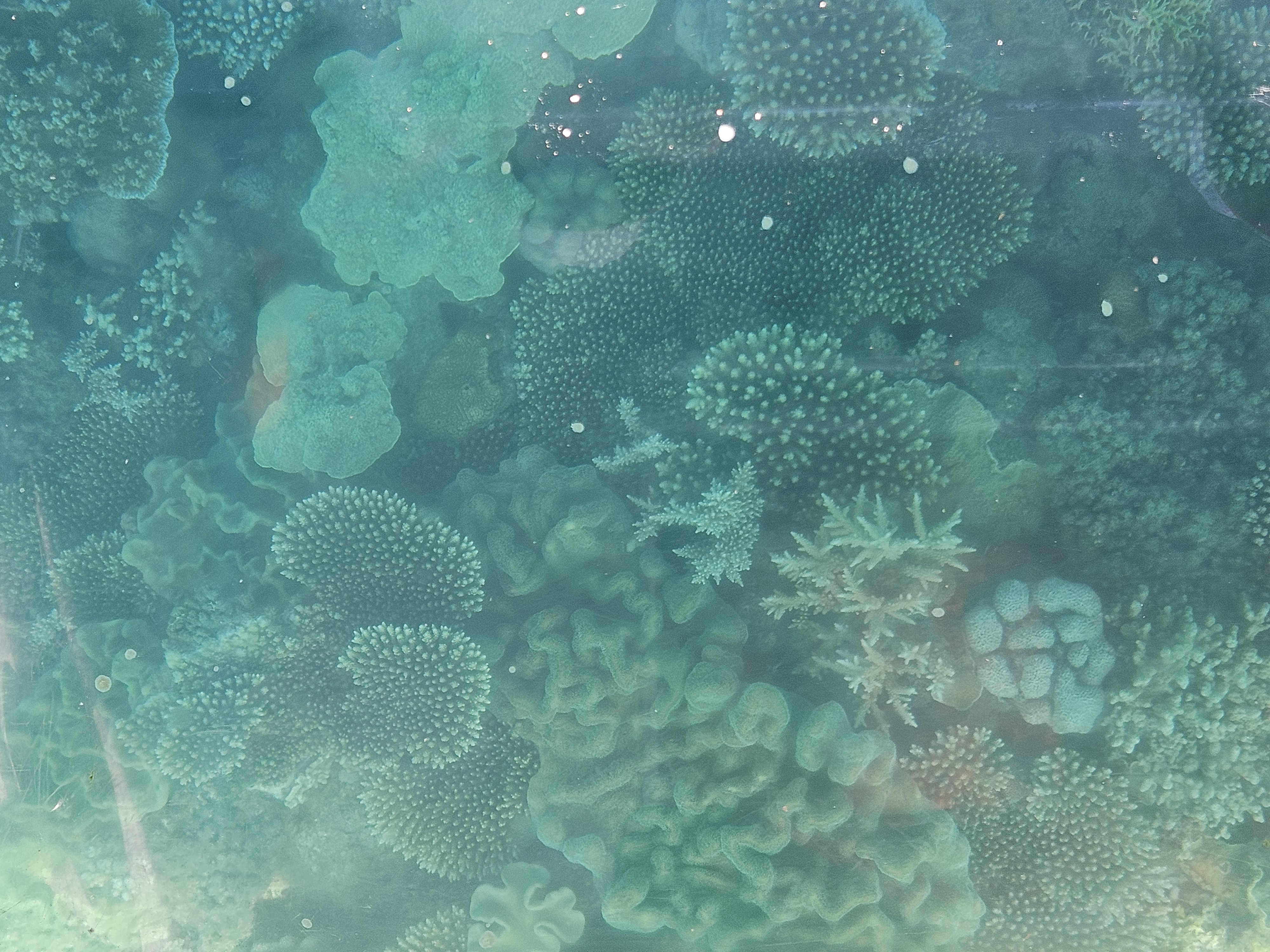
Our choice: sailing to the Low Isles
We chose a sailing catamaran trip to the Low Isles from Port Douglas. I liked the idea of a smaller group, a more personal experience and a visiting a beautiful ‘desert island’ setting. It also felt like the right fit for us as we have snorkelled before, but don’t have a lot of experience.
That’s the principle I’d apply to choosing your Great Barrier Reef excursion. Think about who’s travelling, how confident everyone feels in the water, what facilities you need and whether you prefer a lively, activity-packed day or something quieter and more intimate.
My mantra as a traveller and a travel planner is to:
Question the obvious.
Consider the possible.
Experience more.
The best way to appreciate one of the world’s great natural wonders isn’t to see as much as possible in one day. It’s to choose the experience that lets you enjoy what you do see the most.