My three most memorable South African vineyards
“It tastes like poison” announced my Mum, as she looked down her nose at the vintners’ glass of finest Sauvignon Blanc, she had just tasted. I immediately wanted the tasting room floor to open up and swallow me, my Mum and the rest of my family, as a wave of embarrassment washed over me. “I think we’ve established that this fine wine doesn’t suit her palate” I said diplomatically to the estate owner, who was leading the wine tasting, whilst quickly grabbing the glass out of my Mum’s hand just in case she decided to emphasise her point by chucking what remained of the wine over him.
Sadly, my Mum is now no longer with us. She’s up with the angels probably telling Saint Peter that the wine from the heavenly vineyards tastes awful! She was never a woman who minced her words, but this embarrassing family moment isn’t the only reason why Kloovenburg Wine & Olive Estate is one of my three most memorable South African vineyards.
Kloovenburg Wine & Olive Estate
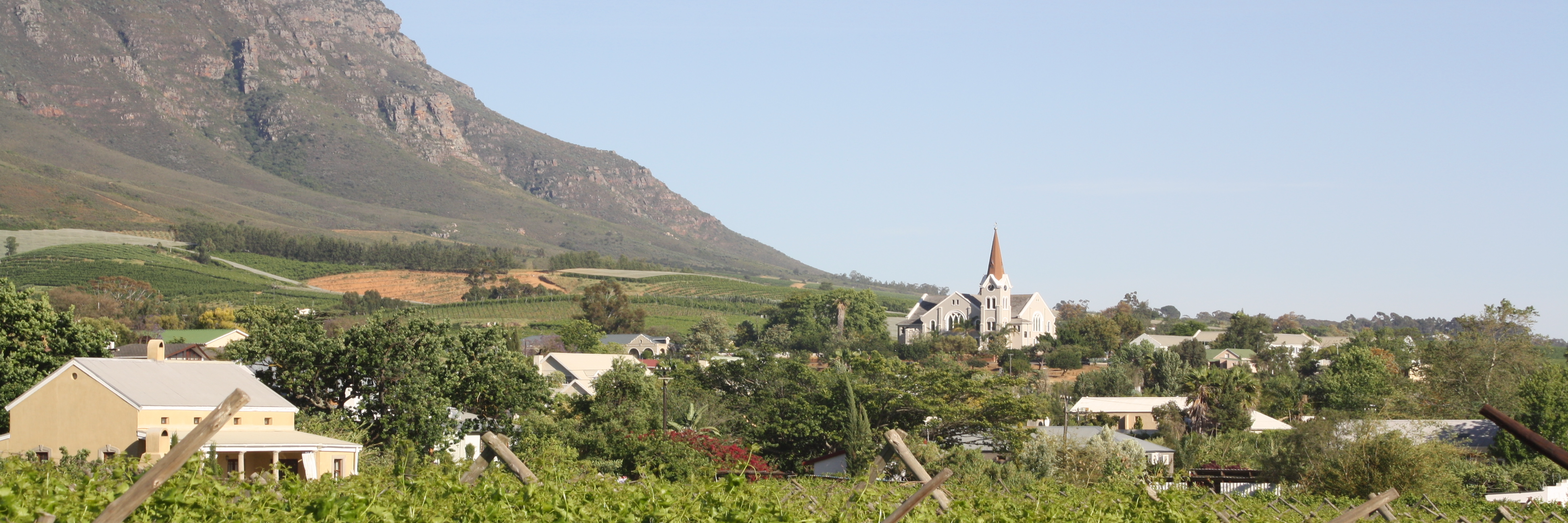
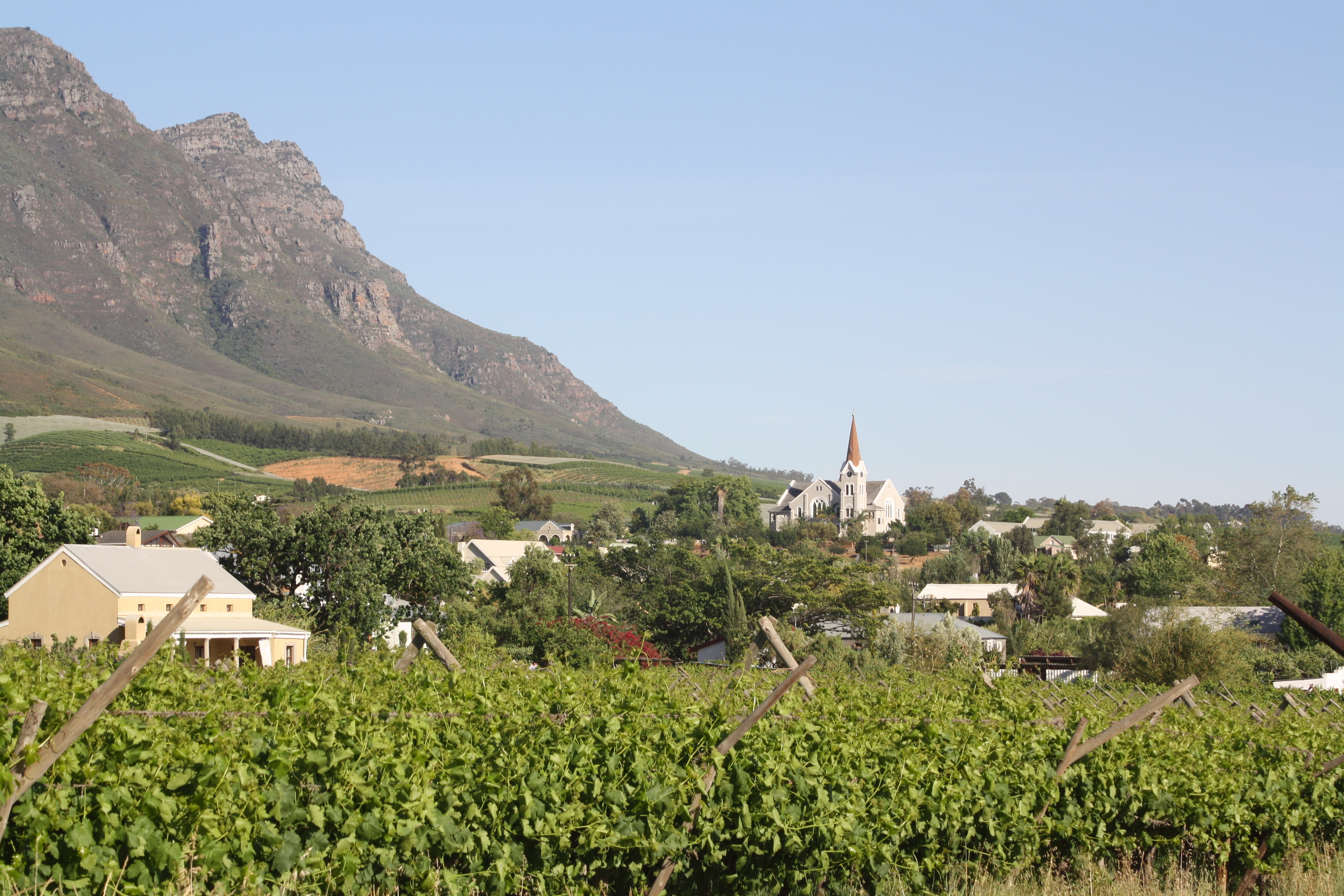
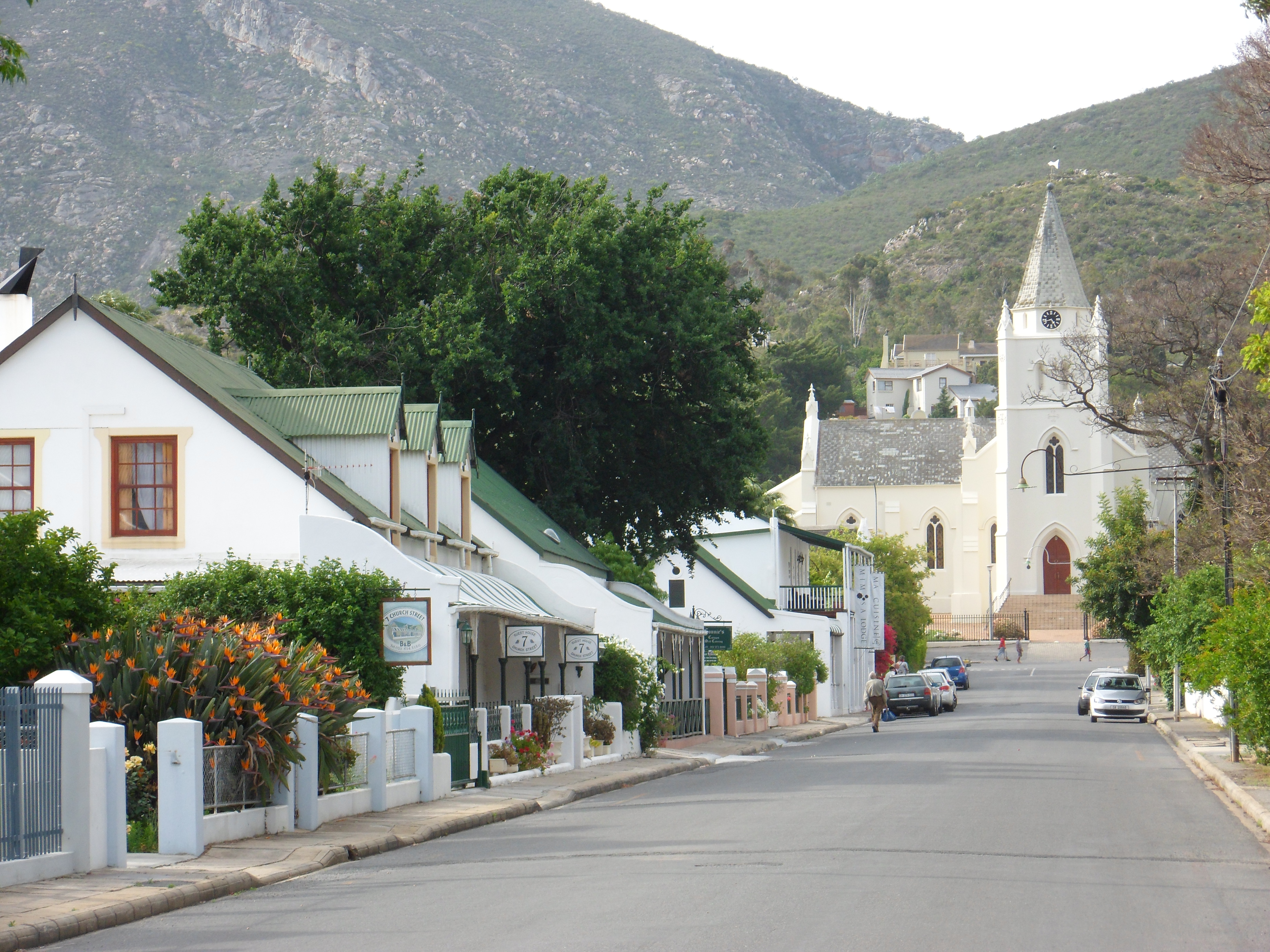
Kloovenburg sits on the outskirts of the pretty town of Riebeek Kasteel, about 80km northeast of Cape Town. It’s one of the oldest towns in South Africa and is nestled against a lonely mountain called the Kasteelburg, an orphan of the Groot Winterhoek Mountain Range which forms the stunning backdrop to the Riebeek Valley.
This place was a chance discovery for me on a previous trip to South Africa, following a conversation with a bed and breakfast owner miles away in Paternoster, who mentioned that the setting of Riebeek and its vineyards was one of the most stunning places in the Western Cape and a ‘must see’ destination. I’ve been to many places in the Cape, and I must agree that it is!
Why it’s memorable
Apart from the wines, which are delicious (sorry Mum!), you can combine your wine tasting at Kloovenburg with a relaxing stay in Riebeek Kasteel. This place is as far removed from the hustle, bustle and hype of the more popular wine orientated places in South Africa, like Franschhoek and Stellenbosch, as you can get, and dare I say, it’s a little bit more authentic. However, if you like the crowds, Riebeek also hosts the annual Swartland Olive Festival in September. A weekend celebrating South Africa’s finest olives, local wines and food combined with entertainment and live music.
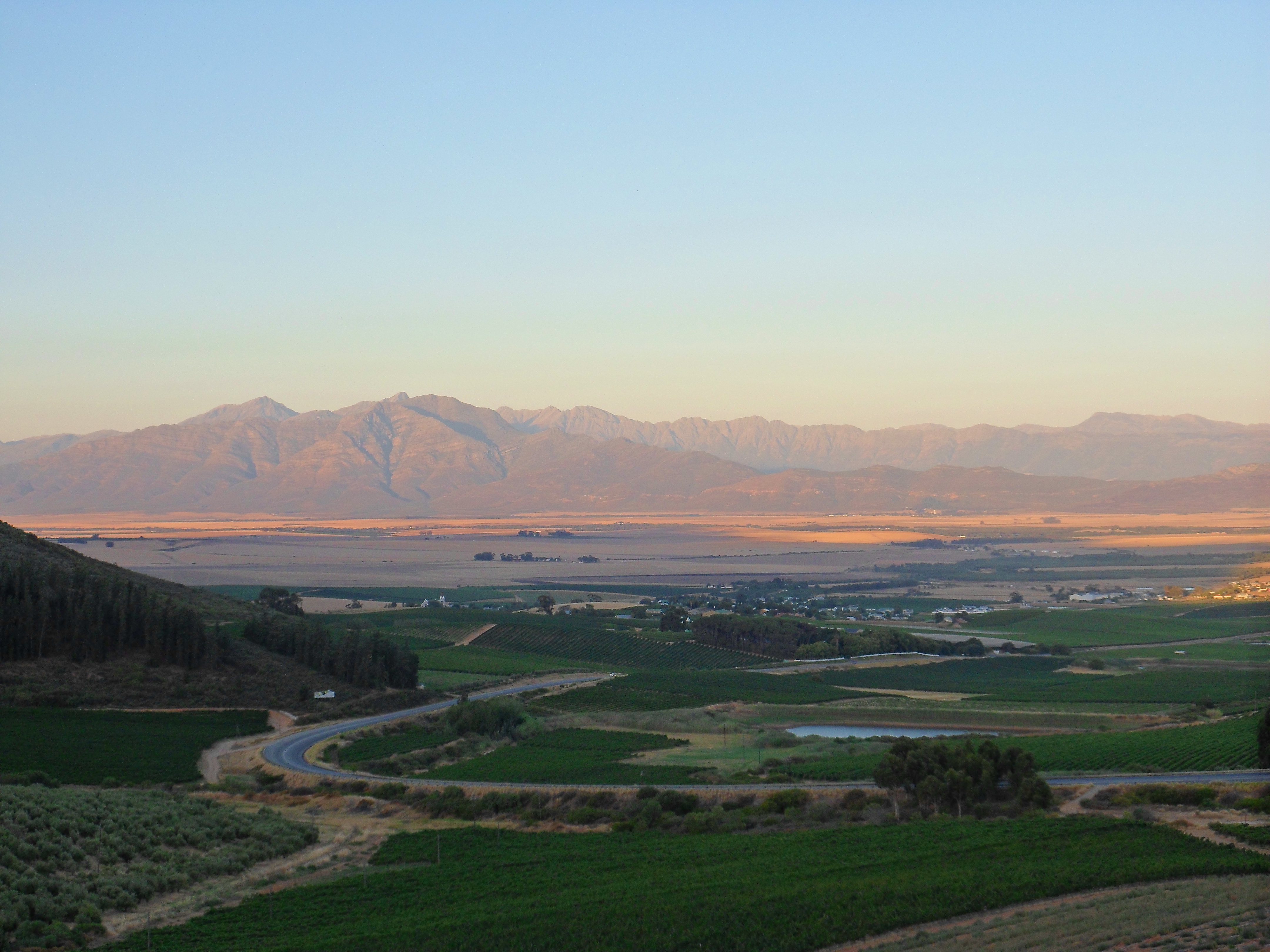
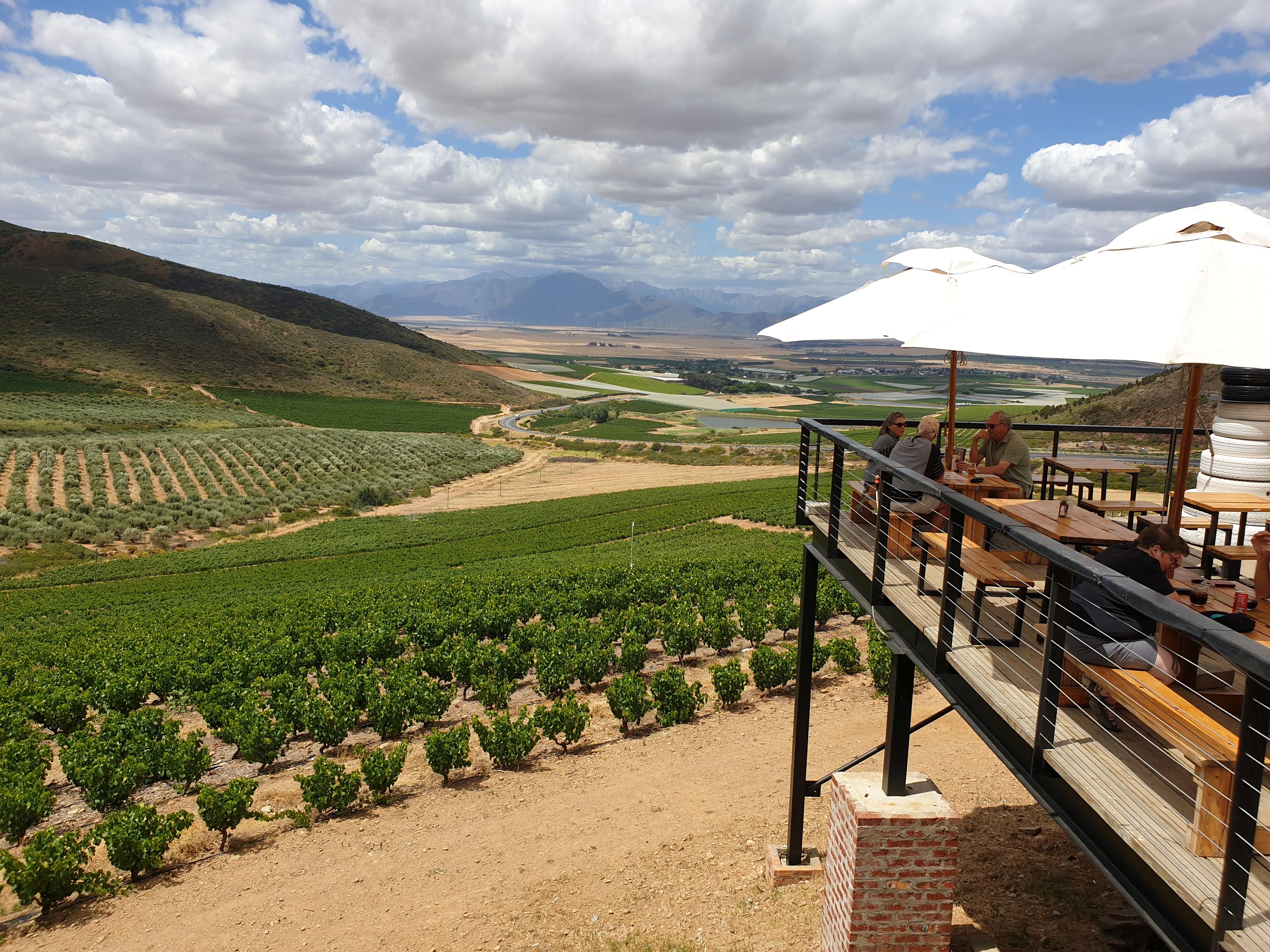
If you visit, be sure to also drop in to Eight Feet Village on the Bothmanskloof Pass above Riebeek to do some more wine tasting and have a bite to eat. A spin off of the Kloovenburg Estate, the village has a restaurant, deck and coffee shop all with stunning views over the estate vineyards and the surrounding valley.
Viljoensdrift
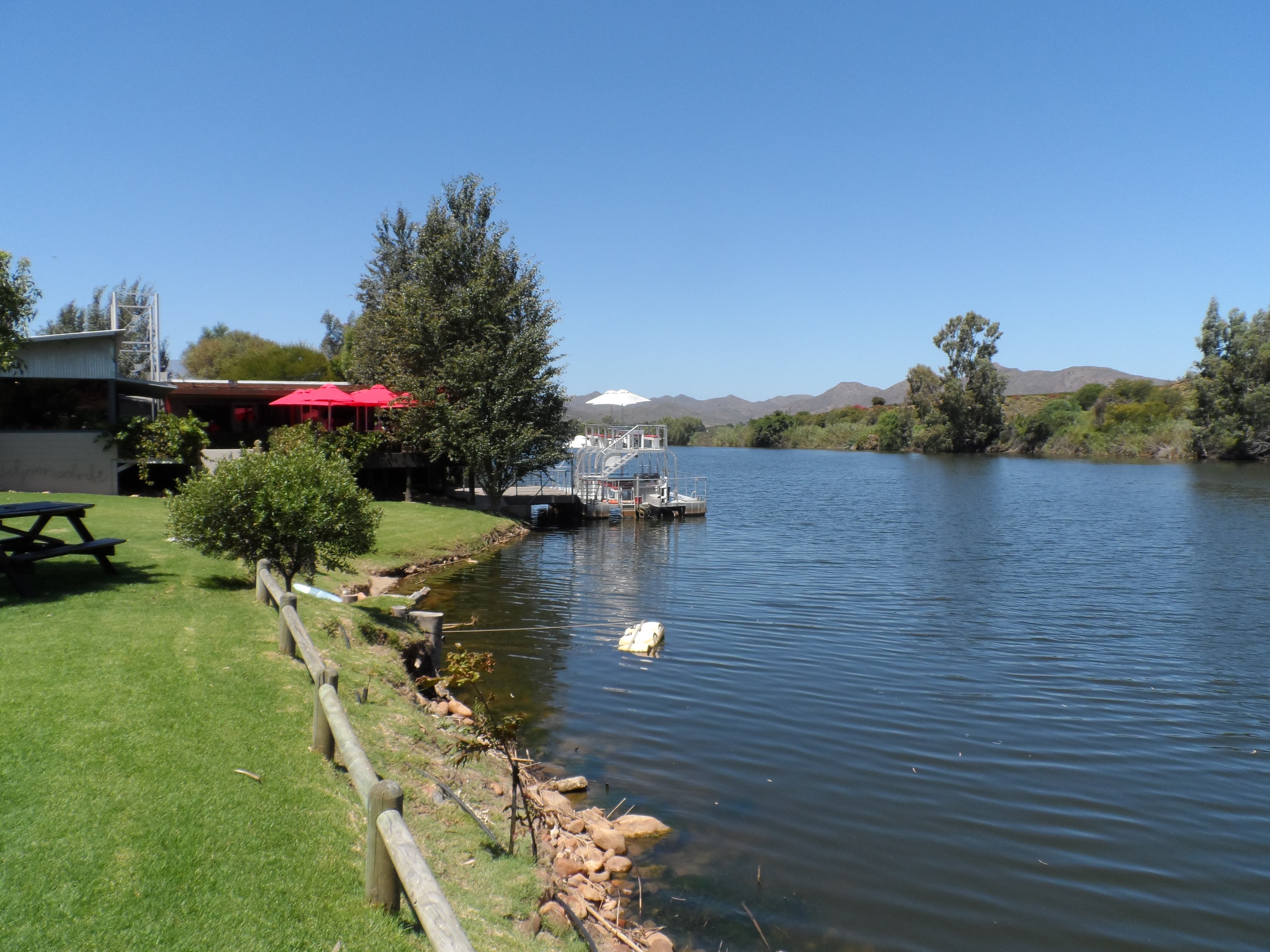
Viljoensdrift Fine Wines, sits on the banks of the Breede River in the Robertson Wine Valley. There are a huge number of vineyards in the region including Van Loveren, Bon Courage and Excelsior, where you can blend, bottle, cork, and label your own Excelsior red wine! All are worth a visit and can be combined with a stay in the nearby picturesque and historic town of Montagu, but Viljoensdrift is a little bit special.
Why it’s memorable
Viljoensdrift features its own boat trips on the Breede River on their flat-bottomed river boat named Uncle Ben 2. As well as wine tastings and a restaurant featuring a deck overlooking the river they also have an excellent deli where you can choose from a selection of gourmet foods, bread and wine and assemble your own picnic to enjoy on the backs of the river or on the boat.
This is a laid-back place, and a perfect location to while away an afternoon with good company, wine and food.
Groot Constantia Wine Farm
On the southern flanks of Table Mountain, not far from Kirstenbosch Botanic Gardens, you’ll find the iconic Groot Constantia. In a country bursting with wine estates and vineyards Groot Constantia was the very first, and it’s worth a visit for that reason alone.
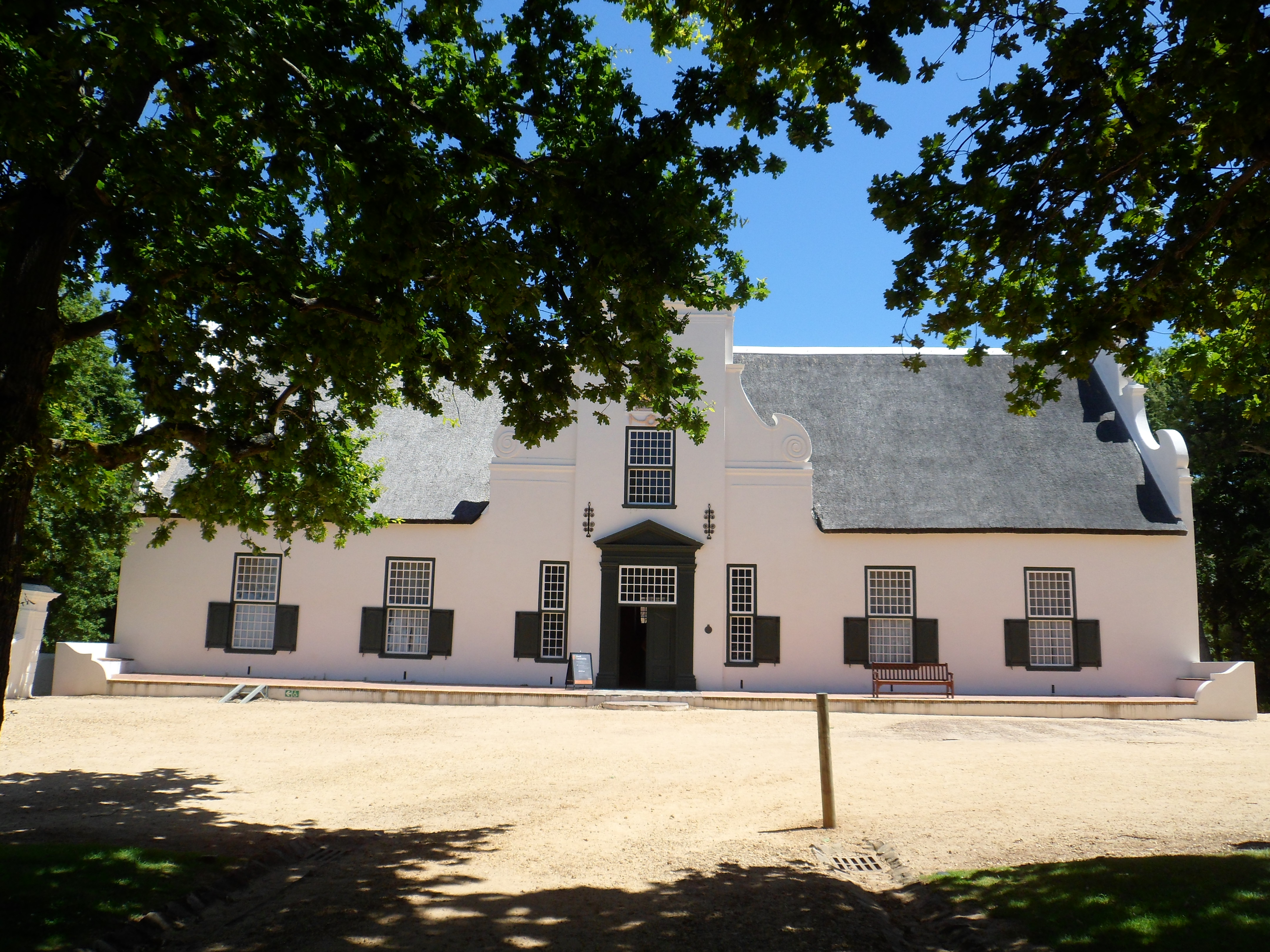
Established in 1685 by Simon van der Stel, Governor of the Cape of Good Hope, the wines produced on this estate have been favoured by the crowned heads of Europe and featured in the writings of Jane Austin and Charles Dickens. The whole place just oozes history and is now in the care of ‘The Nation’s Estate’ that protects it as a provincial heritage site.
Why it’s memorable
Apart from the historical contexts and beautifully preserved Cape Dutch architecture of the Manor House, Cloete Cellar and museum, I think Groot Constantia boasts one of the most interesting and memorable cellar tours.
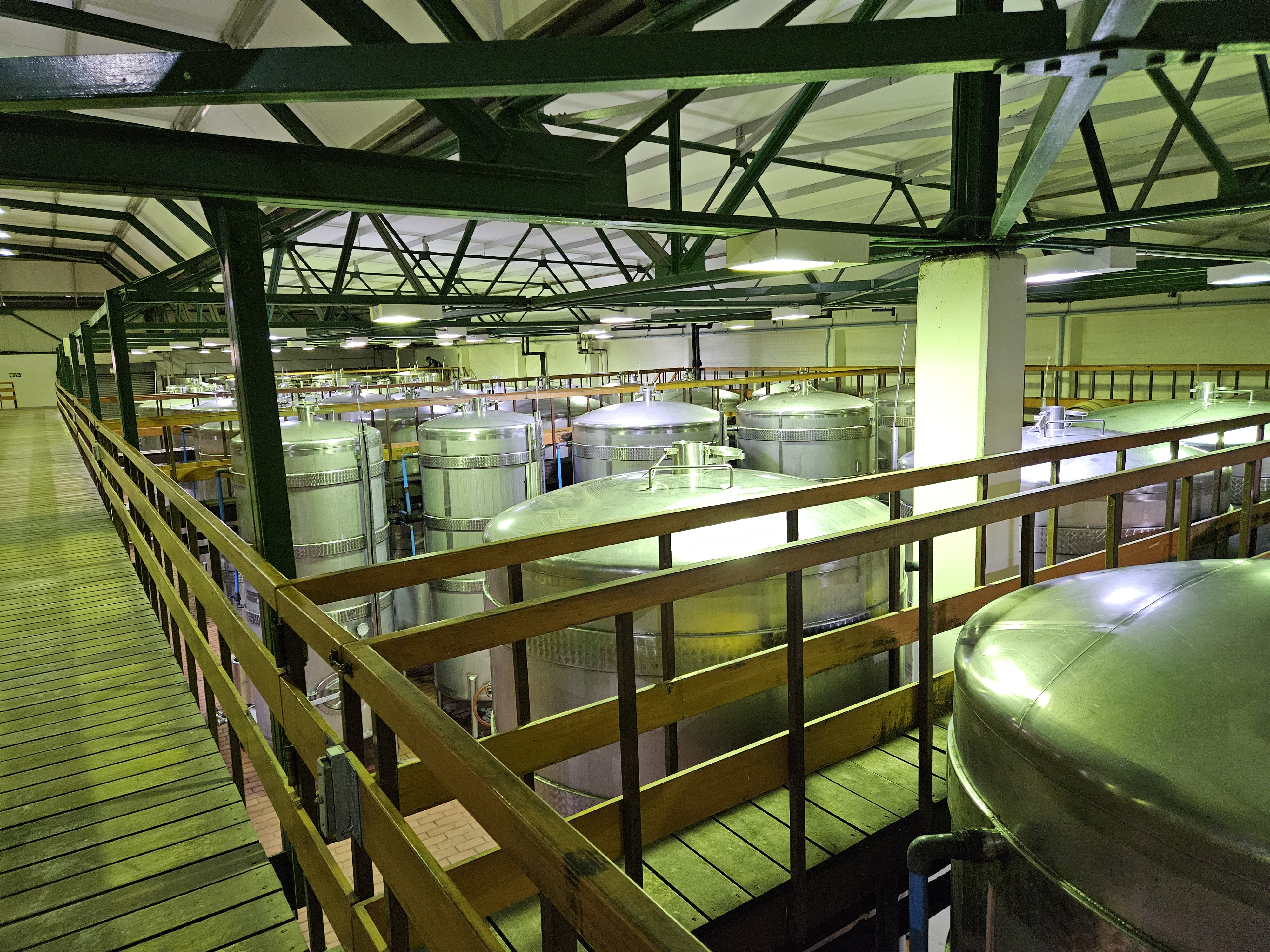
On the tour, you view the wine production area and cellar from above on a gantry walkway which also features wine making information and artifacts from the estate’s long history. The guides are also knowledgeable and engaging, sharing stories about what makes Groot Constantia so special.
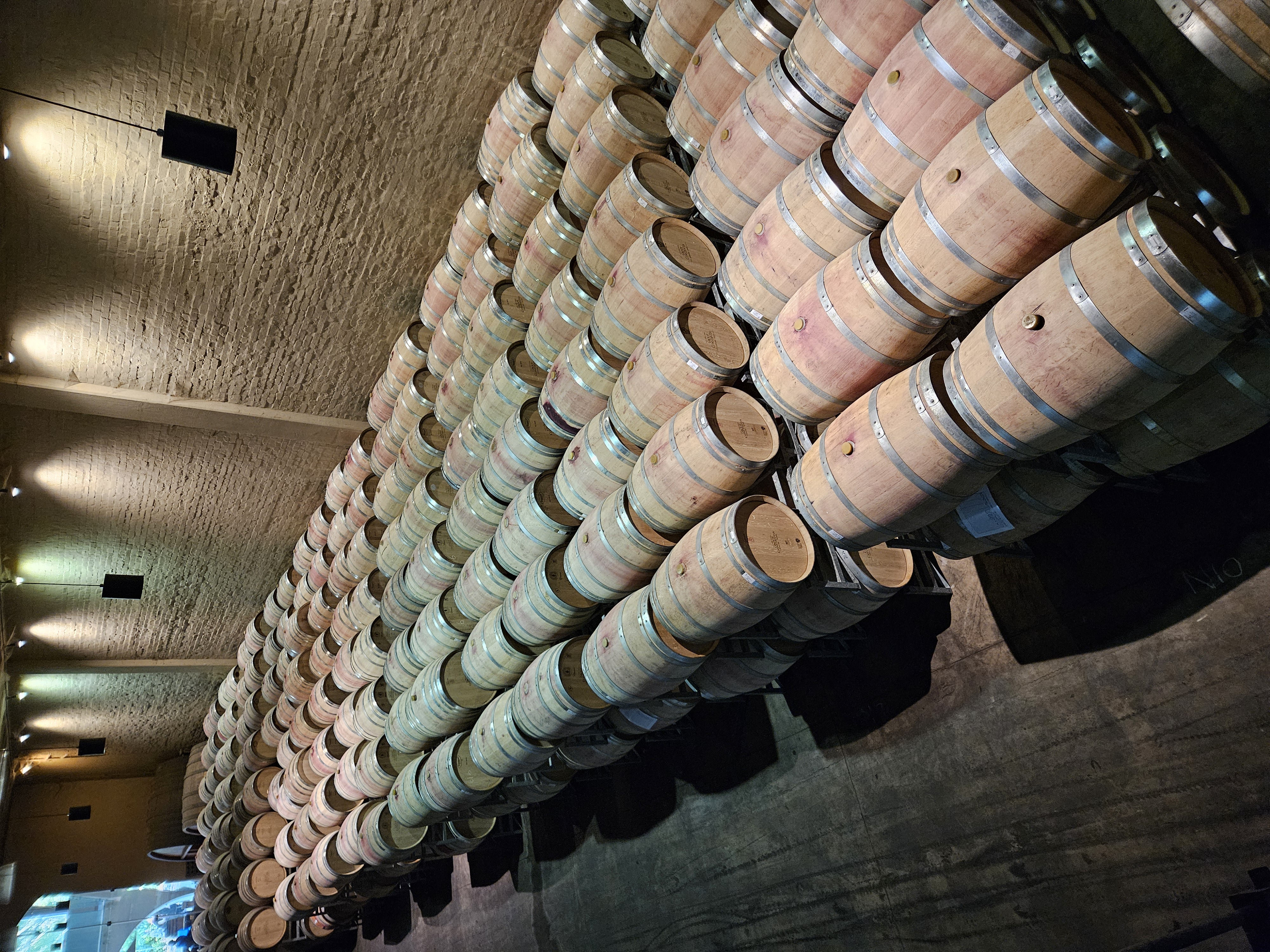
Many people who visit Cape Town take an out-of-town trip to either Stellenbosch or Franschhoek to experience the wine culture of Western Cape, but if you are short of time or want to understand the origins of this regions wine industry a trip to Groot Constantia will not disappoint.