Nine days in India: from the buzz of Delhi to Tigers, Palaces and Rivers
India has a way of getting under your skin. In just nine days, we experienced the full spectrum, from the busyness of Delhi and the serenity of Ranthambore to the beautiful city of Jaipur, the mesmerising Taj Mahal at sunrise and the scenic, untamed landscapes of Chambal. It was a Golden Triangle journey with a twist, blending iconic sights with wildlife, heritage stays and moments of complete calm.
We landed in Delhi and, rather than heading straight to the hotel, went directly from the airport to our first tour. It was the perfect way to make the most of our time and start connecting with India straight away. Our first stop was Qutub Minar, one of Delhi’s most impressive landmarks. The soaring minaret rises dramatically from a complex of ancient ruins and intricately carved stonework. Walking through the site, we were surrounded by beautiful arches, crumbling pillars and detailed carvings, with the tower itself dominating the skyline. It felt like a gentle step back in time and a wonderful introduction to India’s history and architecture after the long flight.
As we drove through the city, one of the first things that struck us was the road etiquette. Traffic in Delhi feels like organised chaos, with lanes more of a suggestion than a rule, vehicles of every size weaving in and out, and a constant soundtrack of honking horns. Far from being aggressive, the honking is almost a language of its own: a way of saying, “We are here”, “We are passing” or “Just letting you know”. Once you understand that, it becomes part of the city’s rhythm rather than something to fear, and it perfectly captures the energy and personality of Delhi’s streets.
During our time in the city, we also spent time with Salaam Baalak Trust, a local charity that works with vulnerable and street-connected children. Hearing how they provide safe spaces, education, support and guidance for young people who might otherwise be living or working on the streets was both moving and humbling. It added a powerful human dimension to our visit, showing us a side of Delhi that most tourists never see, but that is so important to understand.
Afterwards, we climbed into a rickshaw for a ride through the old streets. It wove its way through tiny lanes and into the famous spice market, where sacks of chillies, cardamom and every spice imaginable filled the air with the most intense aromas. It was busy, noisy and colourful, but also completely captivating. Eventually, we continued into the city and checked in at Le Meridien New Delhi. The hotel was an ideal base: a contemporary, comfortable space with calm interiors, while just outside the door, the city pulsed with life.
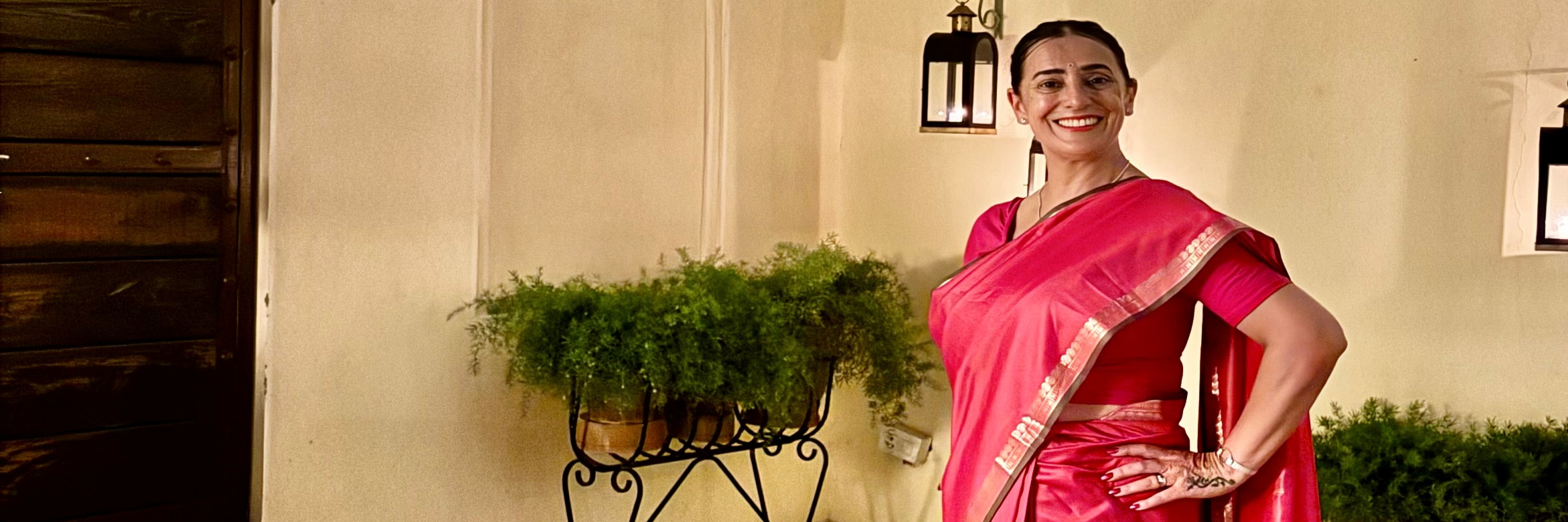
One evening, we headed from the hotel into the heart of Old Delhi to Haveli Dharampura. Tucked away in the lanes of Chandni Chowk, this beautifully restored haveli felt like stepping into another world. Inside the courtyard, the noise of the streets faded, and we were surrounded by carved balconies, glowing lanterns and the gentle buzz of conversation. Dinner there, with traditional dishes, atmospheric lighting and glimpses of the old city from the rooftop, was a wonderful contrast to the modern side of Delhi and a reminder of just how much history and character is hidden behind those busy streets. Delhi is a true assault on the senses, with colour, sound, traffic, temples, street food and markets all jostling for our attention. We balanced our time between New Delhi’s grand, wide avenues and colonial architecture and the narrower, more atmospheric lanes of Old Delhi. Rickshaws, the aroma of spices, the chorus of car horns and the constant movement all became part of our experience of the city.