Four South African national parks that deserve a place on your itinerary
From elephants on a self-drive safari to spring flowers, extraordinary landscapes and ancient history, South Africa’s national parks offer far more than you might expect.
South Africa has just added another national park to its already impressive collection. The newly declared Grasslands National Park, in the Eastern Cape highlands, will help protect more than 10,000 hectares of grassland and the wildlife that depends on these landscapes. It’s a reminder that some of this country’s most valuable natural treasures aren’t necessarily the ones that attract the biggest crowds. I think that this is a shame, because most are very accessible with an ordinary car and can be easily incorporated into a self-drive road trip.
This is how I prefer to experience South Africa, and having visited many of its national parks, I’ve come to appreciate just how different the parks can be. The park which most people will know, and visit, is the mighty Kruger National Park. Sprawling across the provinces of Mpumalanga and Limpopo, right up to the border with Mozambique, it is a similar size to Wales and a fantastic wildlife destination, where spotting the Big Five is high on the agenda.
But, in many of the other parks, it’s the varied landscapes which are the star attraction, where a walk becomes the highlight of the day, or where an unexpected discovery stays with you long after you’ve returned home.
Four parks stand out as particular favourites of mine. Each offers something different, and together they illustrate why I think South Africa is such a rewarding and easy destination to explore under your own steam.
Addo Elephant National Park: a safari on your own terms
If you fancy an African safari but have assumed that it has to involve a private game reserve, Addo Elephant National Park is worth considering as a more affordable option.
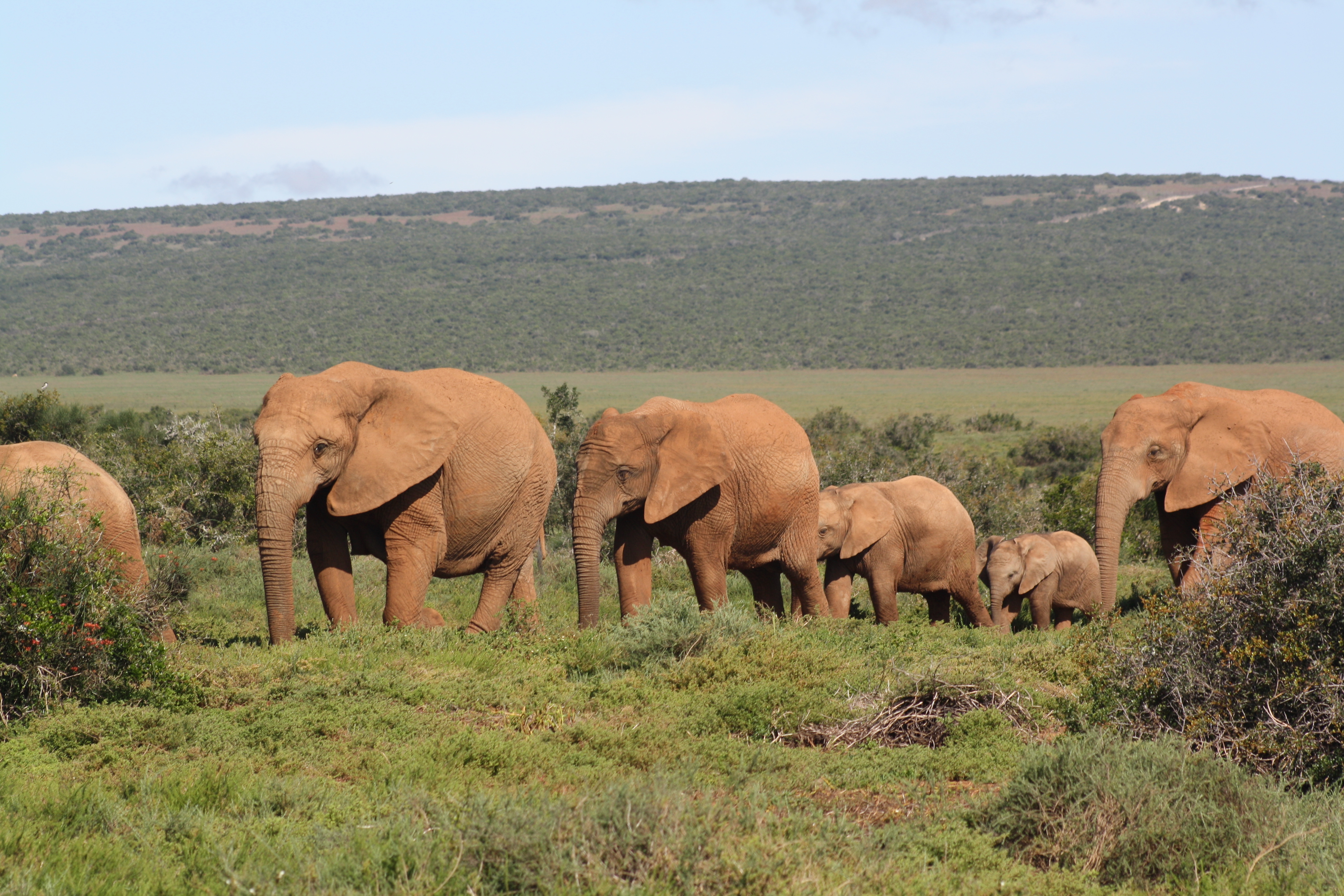
Situated in the Eastern Cape, Addo is famous for its elephants, and seeing these magnificent animals in their natural environment is an experience that never loses its appeal for me. One of the things I particularly like about Addo is the opportunity to explore independently, as well as the option to take an organised game drive with a ranger.
You can hire a car, enter the park and spend the day driving its network of roads, stopping whenever something catches your eye. There are several watering holes right on the road network where it’s possible to see huge numbers of elephant families playing in the water. The parks other famous resident is the dung beetle, you’ll often see them on the roads and they have the right of way. No squashing the bugs here please!

A self-drive safari in Addo can be considerably more affordable than booking a private game reserve, where accommodation, guided game drives and other services can add significantly to the price. You still need to budget for park entry and conservation fees, car hire, accommodation and other travel costs, but you have much greater control over how much you spend.
There’s also something really satisfying about finding wildlife for yourself rather than relying on someone else to find it for you and there aren’t just Elephants here, all of the Big 5 are resident in the park.
Addo works particularly well as part of an Eastern Cape road trip, perhaps combined with the Garden Route or a journey towards the Western Cape. You don't necessarily need to spend a fortune to experience the magic of an African safari.
West Coast National Park: a different kind of spectacle
When people think about South Africa’s natural attractions, they often imagine dramatic mountains, vast savannahs or big-game encounters. West Coast National Park offers a completely different experience.
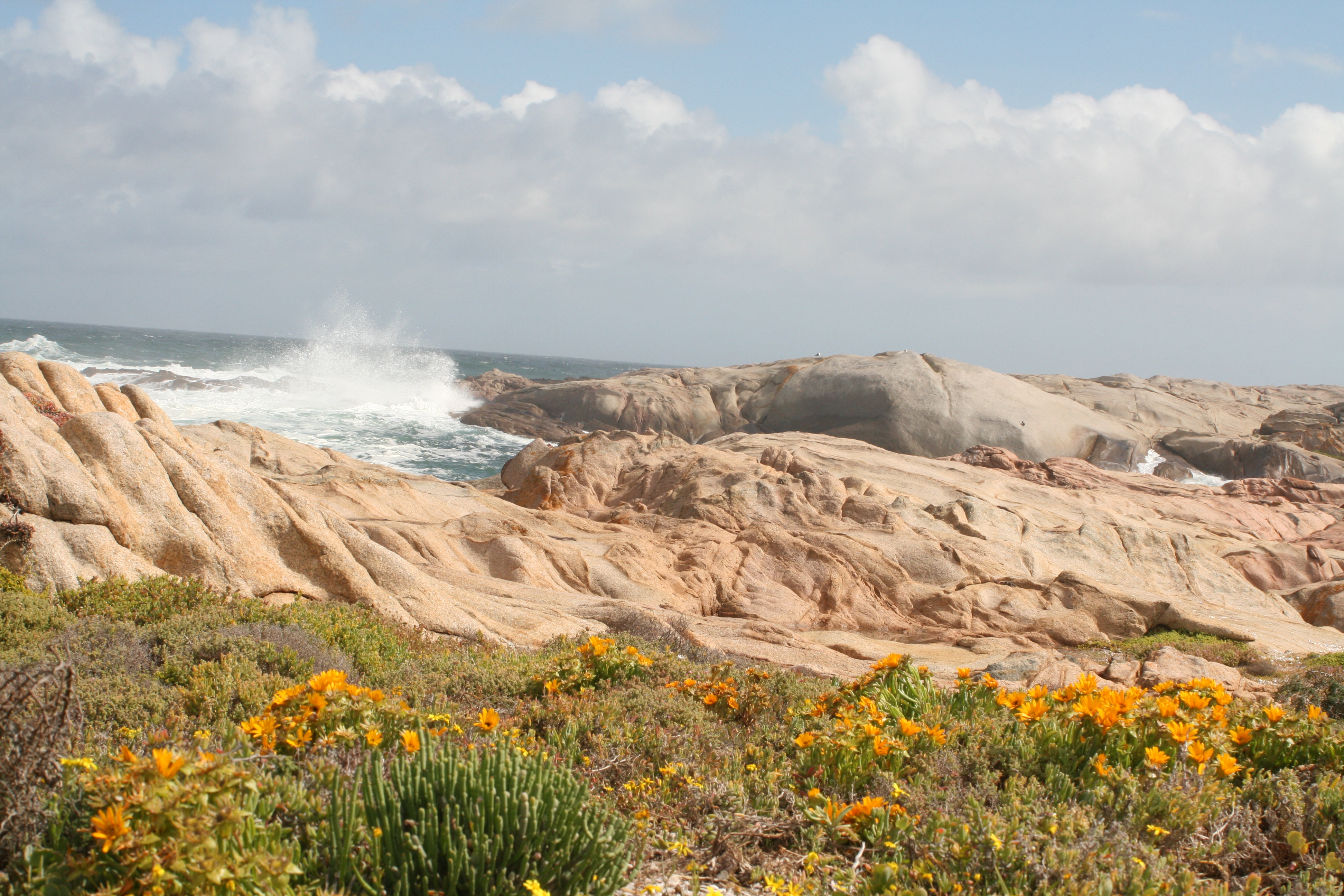
Located north of Cape Town, the park is particularly special during the spring wildflower season, generally from August into September, although the timing and intensity of the display depend on winter rainfall and local conditions.
For a few weeks, the landscape can be transformed by a remarkable variety of flowers. Patches of colour appear across the ground, turning what might initially look like an unassuming landscape into something quite extraordinary.
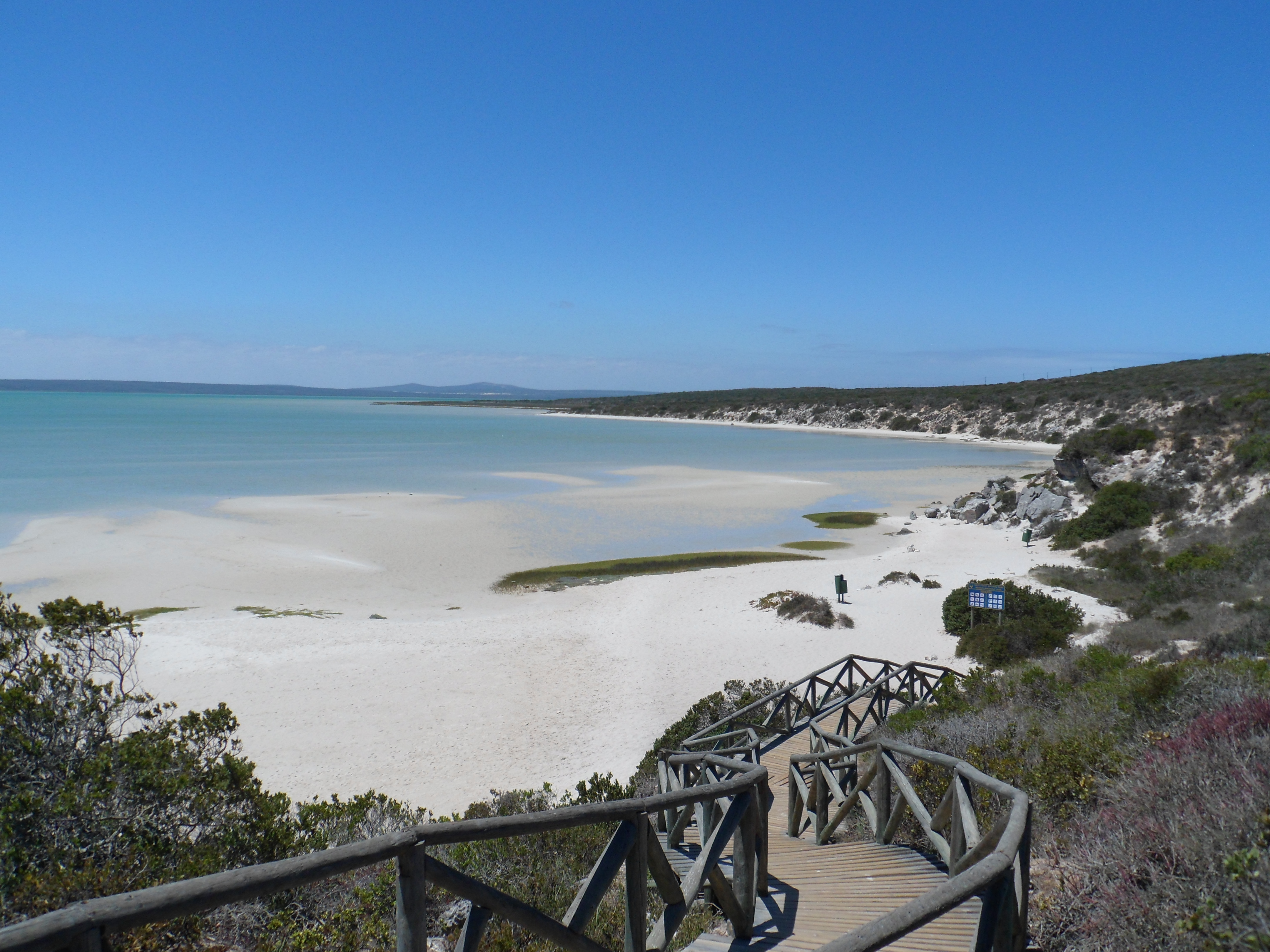
The other major attraction here is Langebaan Lagoon, with its beautiful blue-green water, sandy shores and abundant birdlife. It’s a lovely place to slow down, enjoy the coastal scenery and the beach at Churchhaven. If you fancy something a little different, there’s also the opportunity to stay on a houseboat in the lagoon, where you’ll wake up surrounded by water.
West Coast National Park can easily be combined with a stay in the Cape Winelands or a few days in Cape Town as a part of a more varied Western Cape itinerary.
Camdeboo National Park: A walk into another world
Camdeboo National Park, near the historic town of Graaff-Reinet in the Eastern Cape, is one of those overlooked places that deserves more attention and visitors.
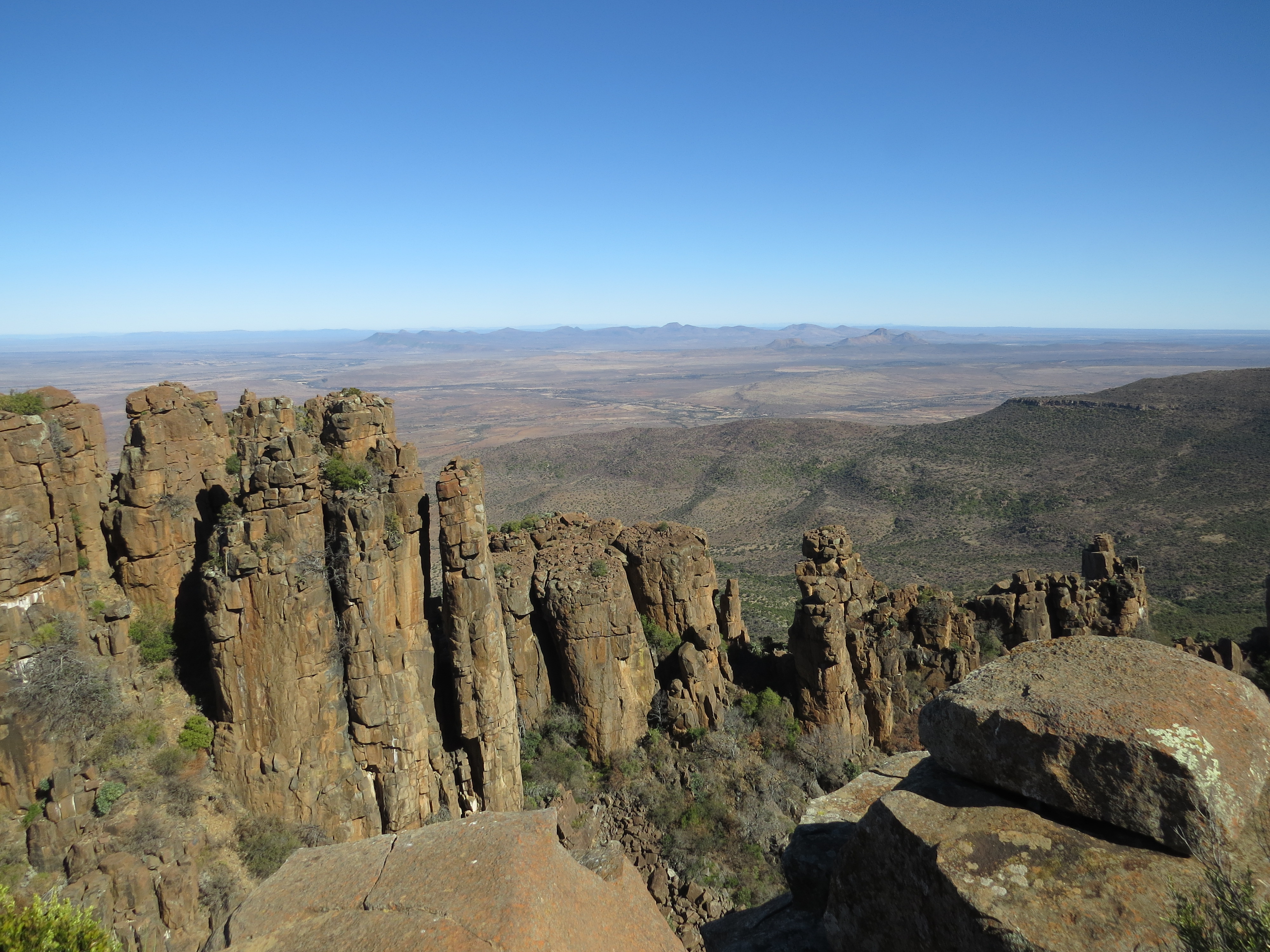
Its defining feature is the intriguingly named Valley of Desolation, a landscape of towering dolerite columns rising dramatically above the surrounding plains. The rock formations, shaped by geological forces over millions of years, create an almost otherworldly scene and the views are a photographer’s dream. I’ve watched lightning storms tracking across the plains miles away from the viewpoints here, and it really does look and feel a bit like a location from The Lord of the Rings.
What I particularly enjoy about Camdeboo is the opportunity to explore on foot. There are no large wild animals here and walking provides you with a different perspective on the park. The experience here is not about chasing wildlife and more about appreciating the character of the South African Karoo, its open spaces, its rugged beauty and sense of stillness.
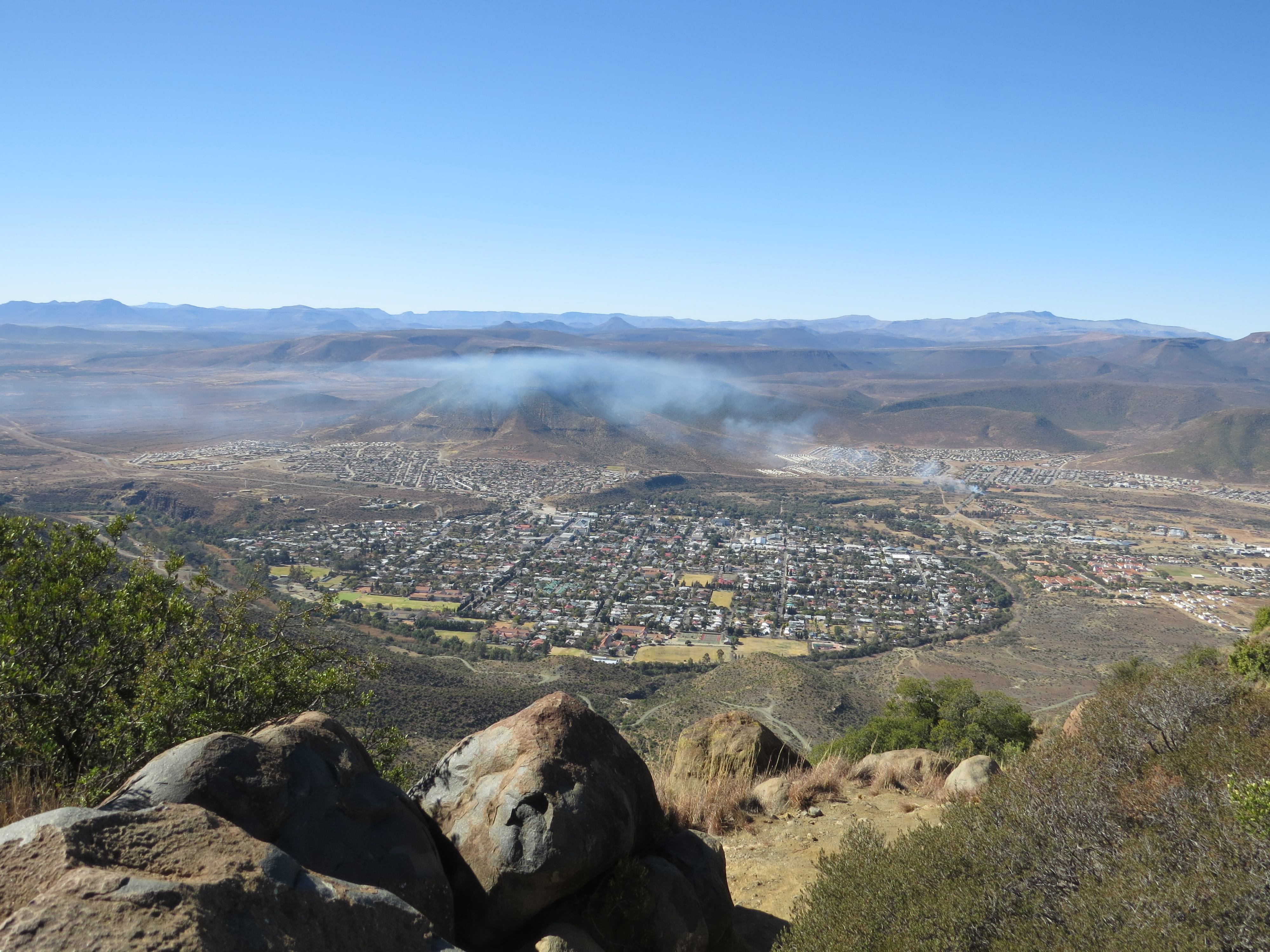
Graaff-Reinet itself is also worth exploring, with its historic buildings and attractive setting, nestling in a near circular loop of the Sundays River. Together, the town and the park make an excellent stop on an Eastern Cape or Karoo road trip.
Mapungubwe National Park: where nature meets ancient history
Mapungubwe National Park, in the far north of South Africa, offers something quite different again.
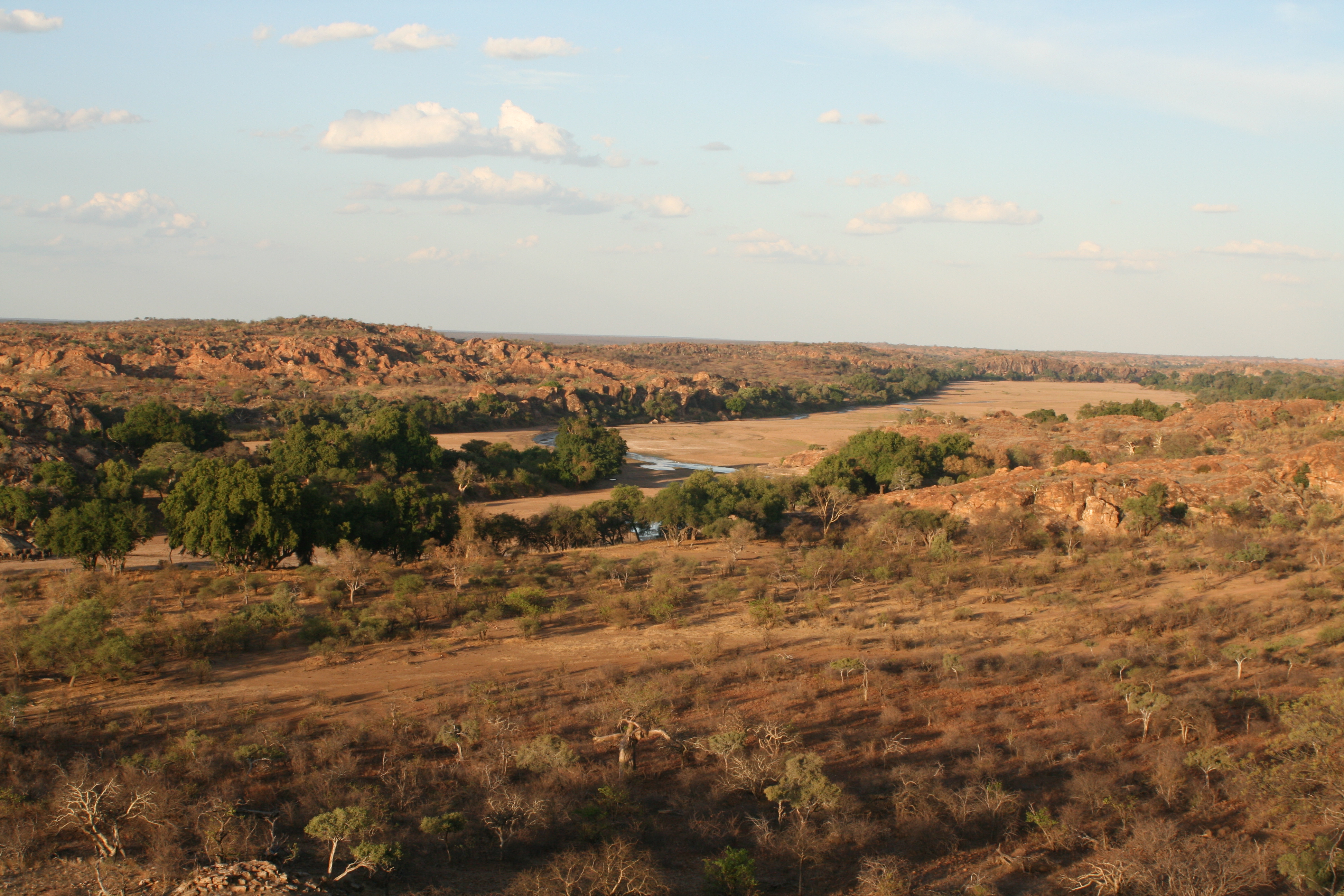
Situated near the meeting point of South Africa, Botswana and Zimbabwe, the park protects a landscape of sandstone formations, baobab trees, riverine woodland and open country. The Limpopo River forms part of the northern boundary, and the scenery has a distinctive character that feels very different from the Western and Eastern Cape provinces.
Wildlife is certainly part of the attraction here, and the Big Five are present as well as Giraffe, Rhino, Hippos and Crocodiles, but what makes Mapungubwe particularly fascinating is both its dramatic landscapes and history.
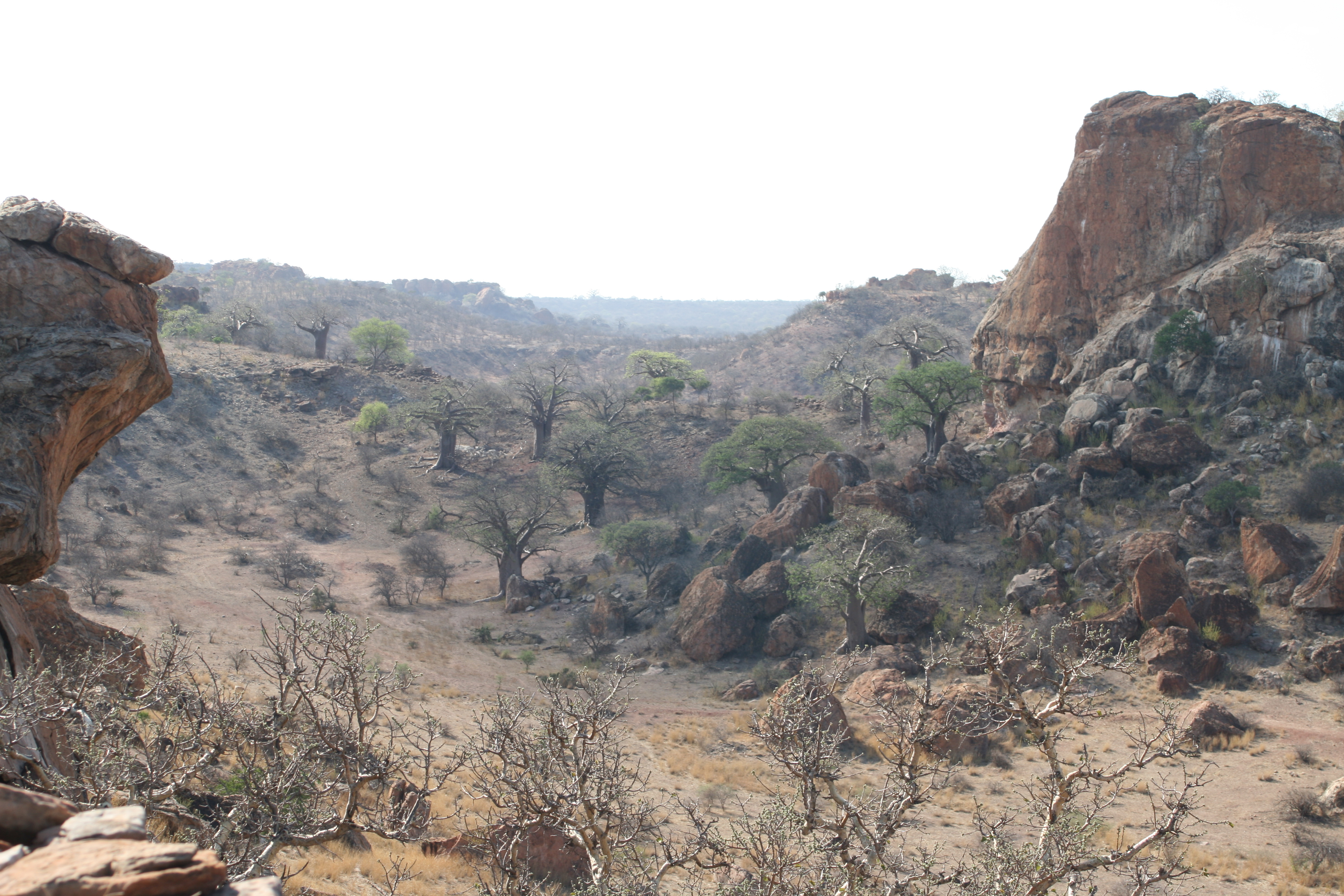
This is a part of South Africa that feels truly African, with groves of huge baobab trees, but some places of Mapungubwe are reminiscent of the surface of Mars with red sandstone formations that seem to glow from within as the sun goes down. Again, this park is a photographer’s paradise with the opportunity to capture images that have that cinematic, big Africa feel, as well as wildlife roaming against a near prehistoric backdrop.
The park is also the setting of an ancient African kingdom that flourished roughly 800 years ago, long before European colonial rule. The archaeological remains here reveal a sophisticated society with far-reaching trading connections. This adds another dimension to a visit, as you’re also exploring a place that tells an important story about the history of southern Africa.
The downside here is that the park is a long way from South Africa’s main tourist routes, but it deserves consideration when planning a more adventurous itinerary. Mapungubwe can be combined with other destinations in the Limpopo region. I visited it with a trip to Northern Kruger, the Magoebaskloof area and the domain of the Modjadji Rain Queens around Tzaneen.
This region, at the very top of South Africa, rewards travellers who are prepared to look beyond the familiar and allow some time to discover somewhere less obvious.
A new national park, and more reasons to explore
The declaration of Grasslands National Park adds another unique landscape to the SANParks portfolio. Located in the Eastern Cape highlands near the town of Rhodes, it will be interesting to see how opportunities for visitors to experience it will develop. It’s definitely on my visit list.
For me, the announcement also highlights something I’ve learnt from exploring South Africa for the last two decades. There are so many different ways to experience this incredible country - landscapes wildlife, history and culture are just some of them.
Planning a trip to South Africa?
Whether you have a particular destination in mind or are wondering what else South Africa might have to offer beyond Cape Town, the Winelands and the Garden Route, I can help you explore the possibilities and put together an itinerary that reflects your interests, your budget and the way you want to travel.
Remember, the best experiences aren’t always the ones you set out looking for.